What makes Vallauris special?
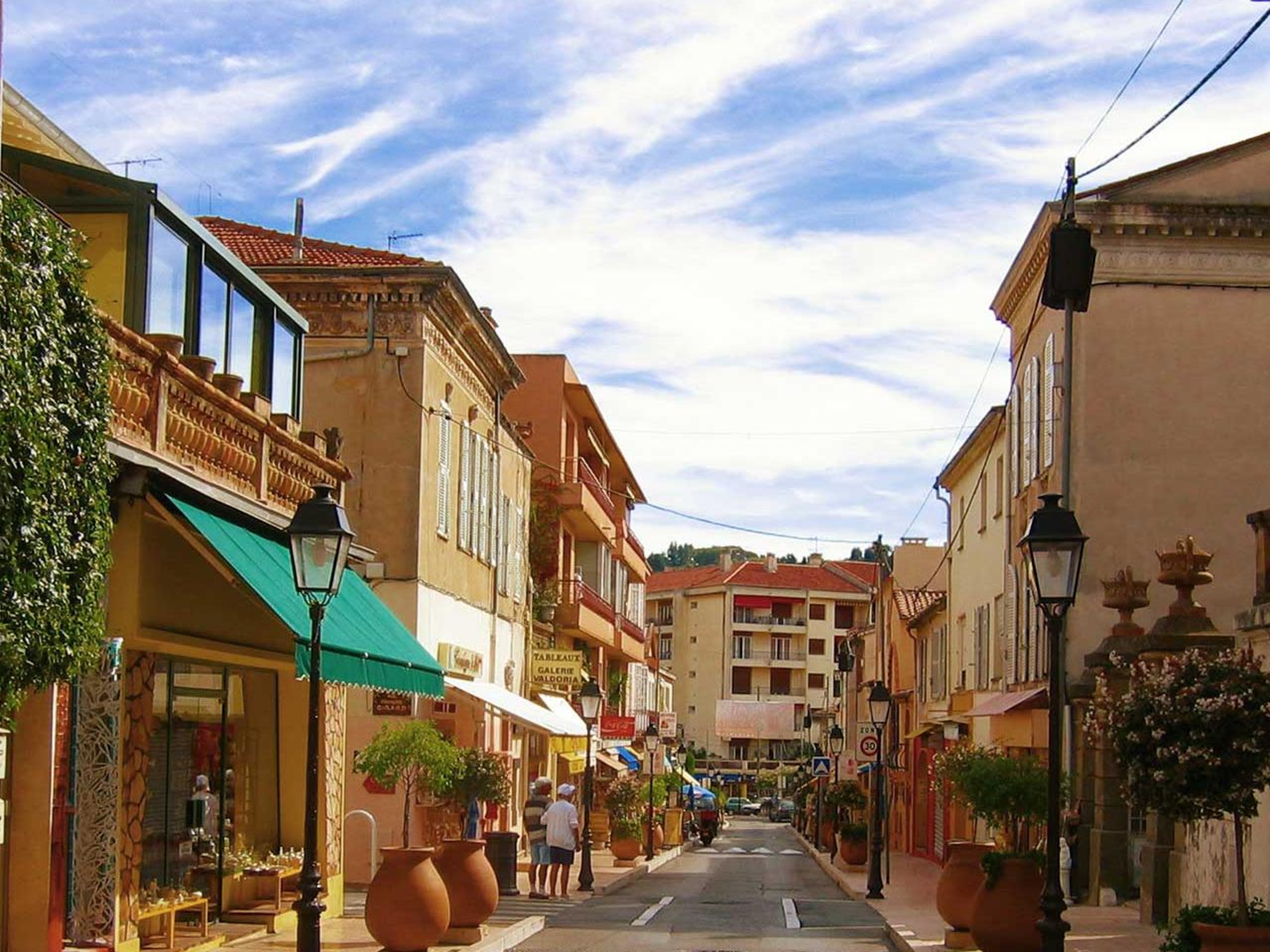
The ceramics are the heart of the town's identity, and the streets of Vallauris are lined with studios and galleries selling everything from mass-produced tourist pieces to the work of serious potters whose practice is rooted in the local tradition. The Musée National Picasso - La Guerre et la Paix contains the large-scale painted chapel that Picasso completed here in 1952, a work of considerable power and the principal reason to make the short detour up from the coast. It is housed in a medieval priory and the scale of the painting - three hundred and fifty square metres - is as impressive as the imagery.
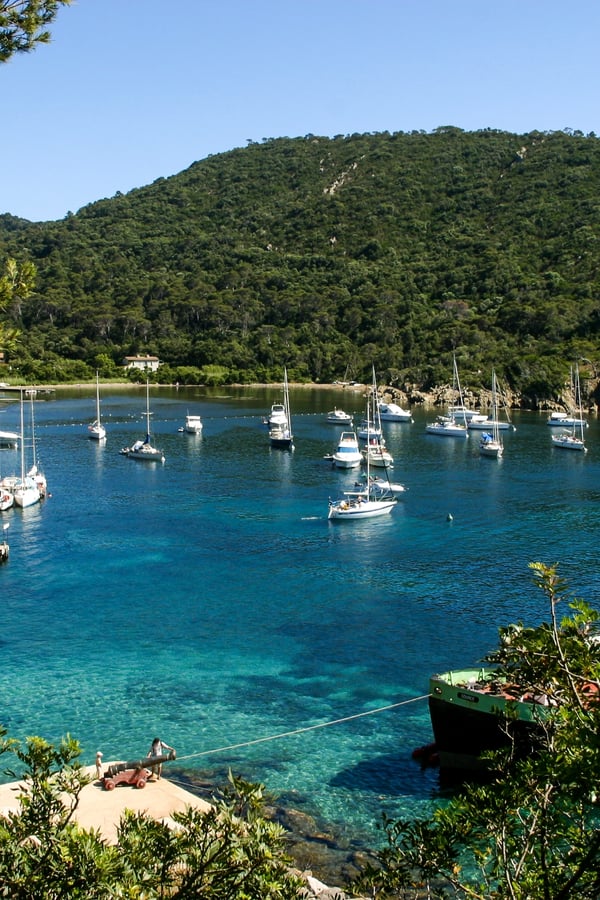
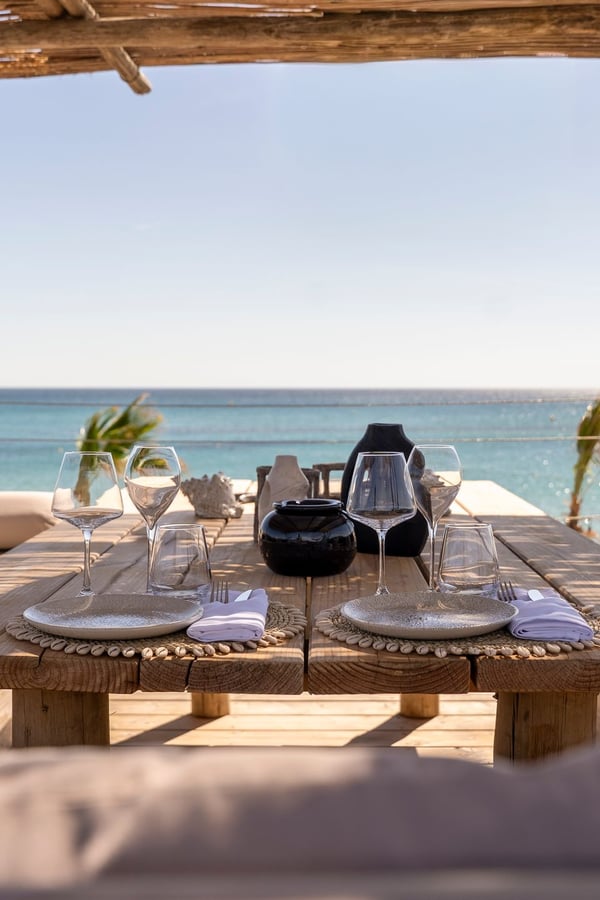
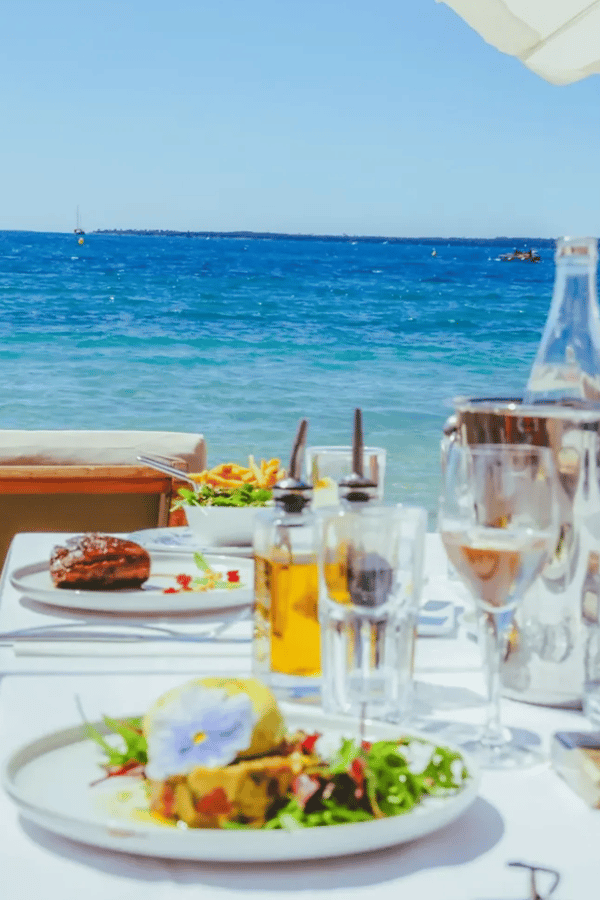
Golfe-Juan, the beach town on the coast below Vallauris, has a straightforward, unpretentious quality that contrasts pleasantly with the more performed atmospheres of Antibes and Cannes on either side. The bay faces south towards the Lérins islands, the beaches are well-maintained and the beach clubs are well-placed. Napoleon's landing is marked by a plaque on the seafront that most people walk past without noticing, which is perhaps the correct relationship to have with it.
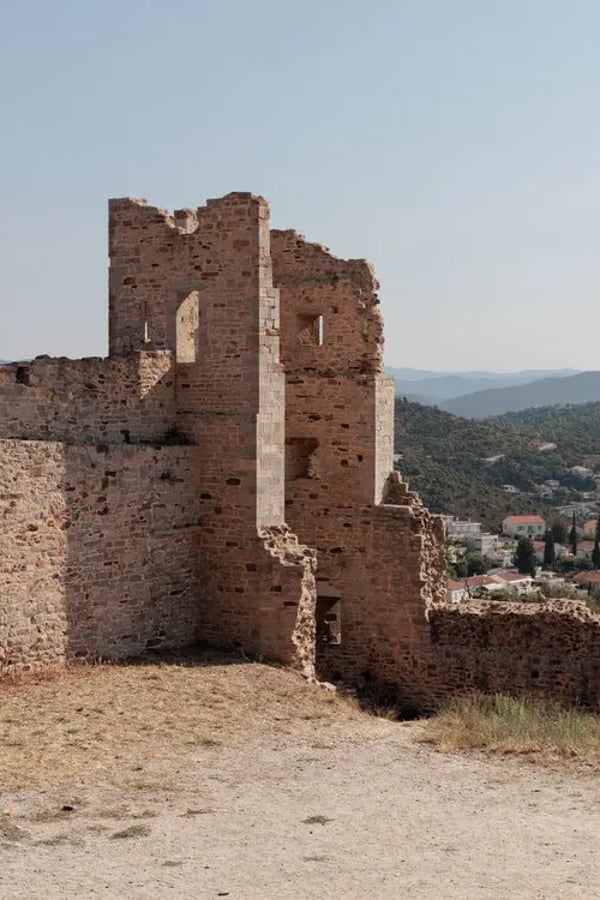
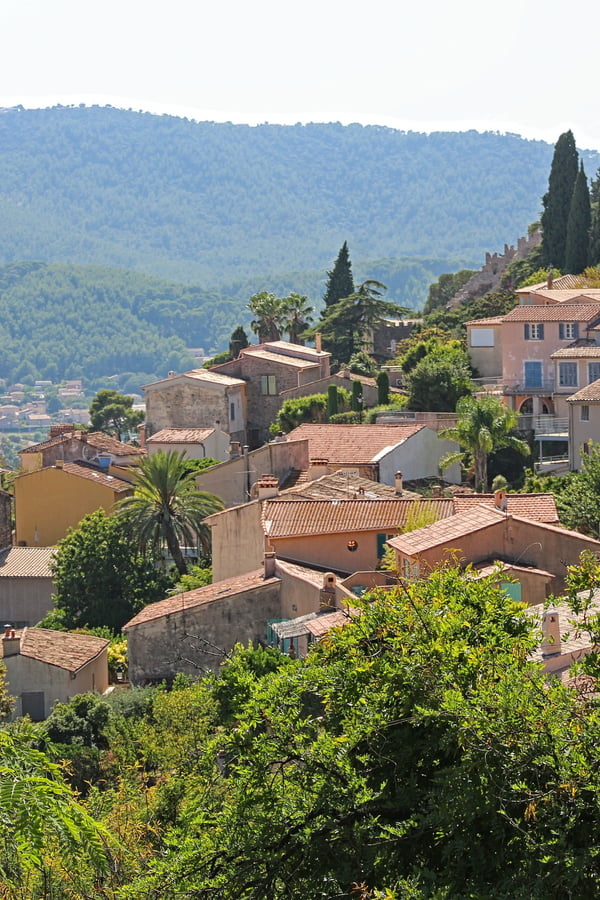
The market in Vallauris on Sunday mornings draws a local following and is a good one - well-supplied with the produce of the Alpes-Maritimes interior and the ceramics tradition of the town itself. The views from the hill above the town across the Bay of Cannes and towards the Estérel are among the better elevated perspectives on this stretch of the coast.
What is our favourite thing about Vallauris?
Our favourite thing about Vallauris is the Musée Picasso chapel - entering the medieval room and being confronted by the scale and intensity of the painting, in a space that has been quiet for most of the day. It is an encounter that the coastal resorts around it cannot offer, and a reminder that the Riviera has always been as much about the art it attracted as about the sea and the sun.
Where to stay in Vallauris
Discover our selection of properties in Vallauris
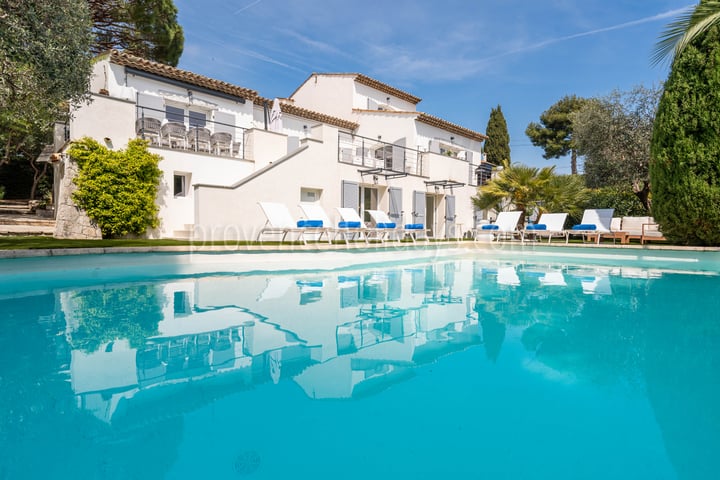
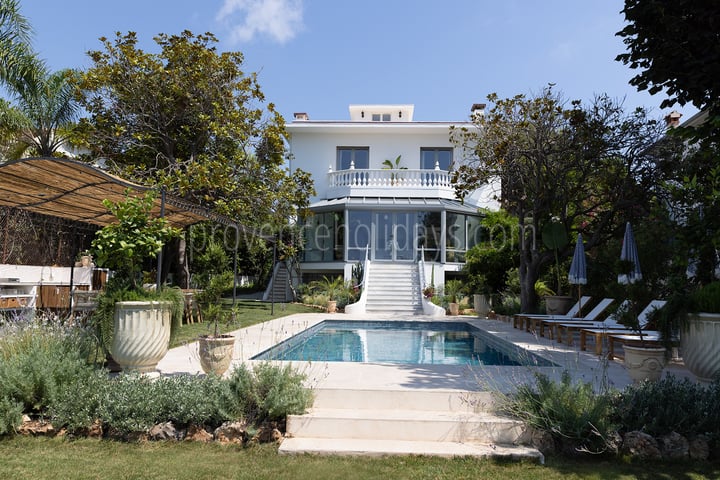
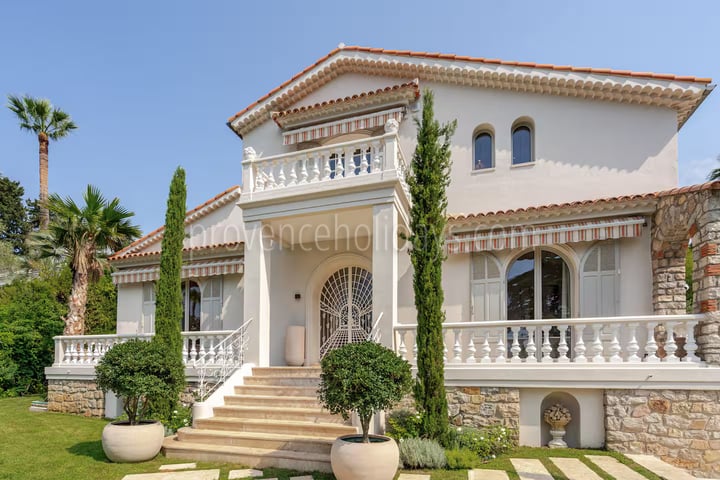
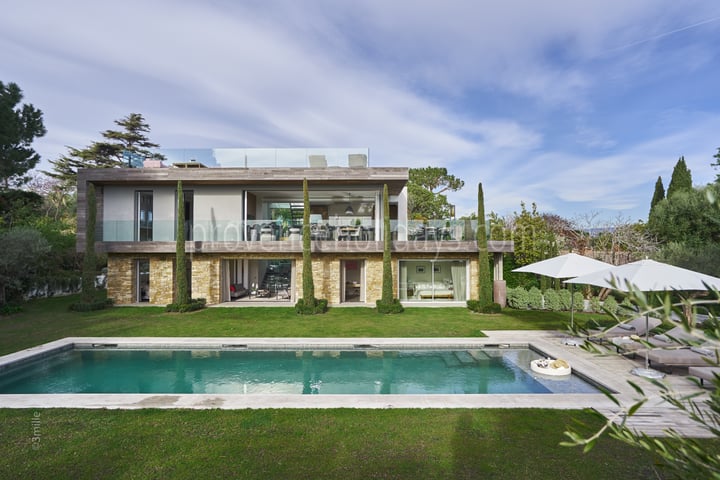
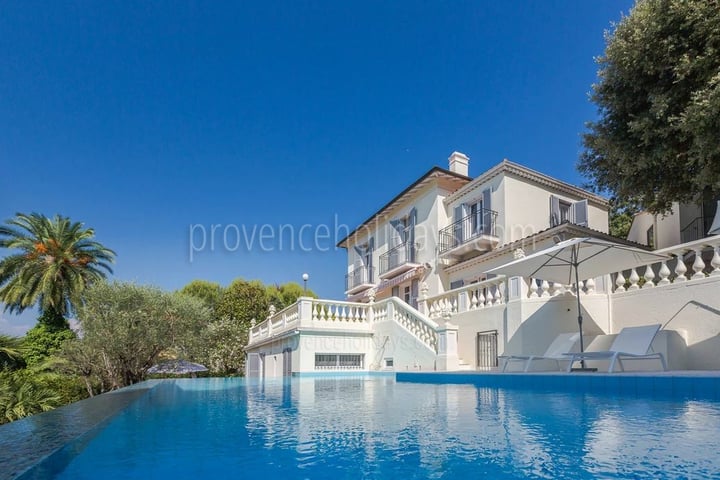
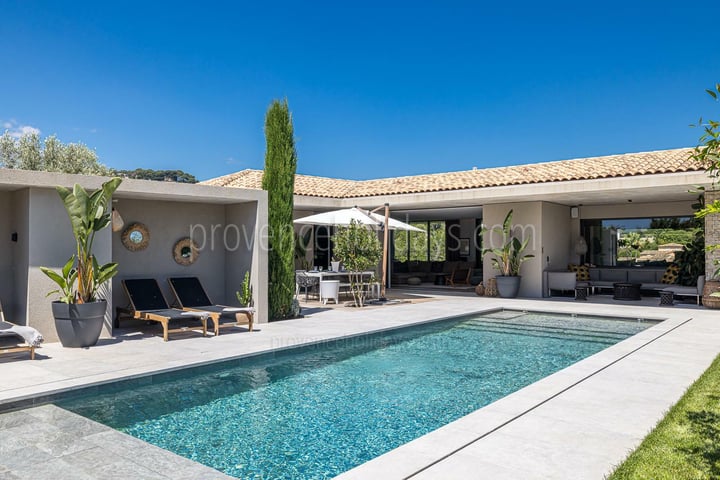
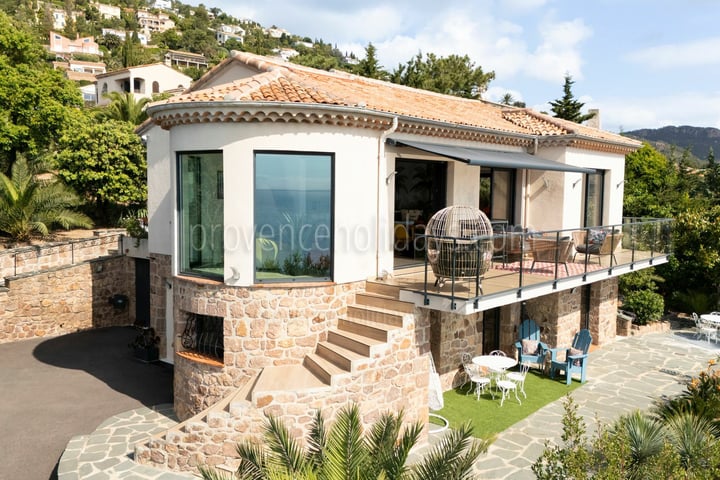
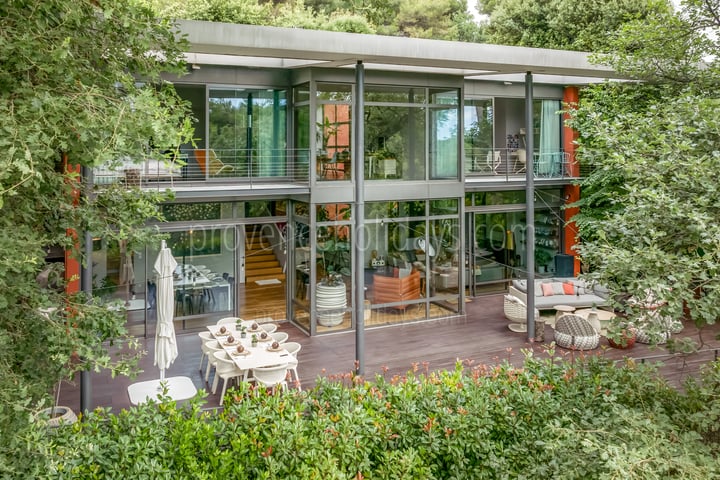
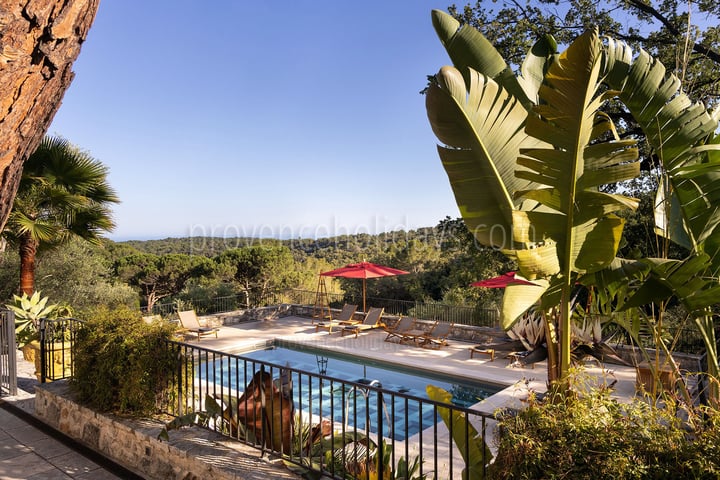
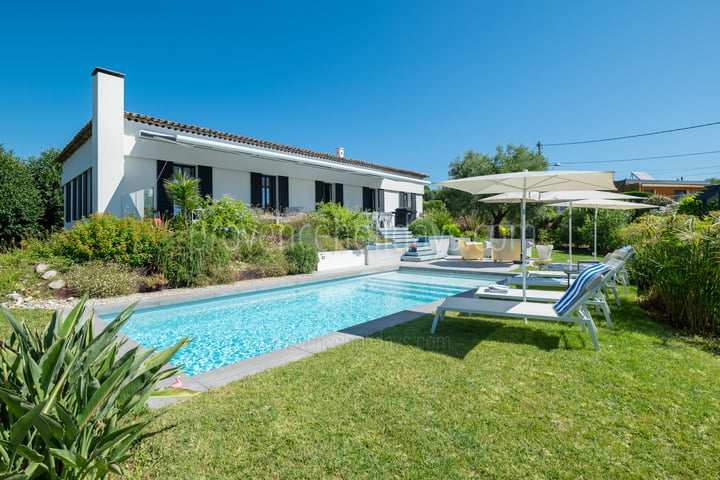
We pair exclusive holiday homes with completely tailored experiences
Our concierge service redefines luxury holidays, enhancing every stay, family holiday, or special occasion. Once you have confirmed your booking, you will be assigned a dedicated concierge who will arrange every detail, ensuring a memorable holiday from start to finish.

Food & Wine

Nature & Outdoors

Art & Culture

Entertainment
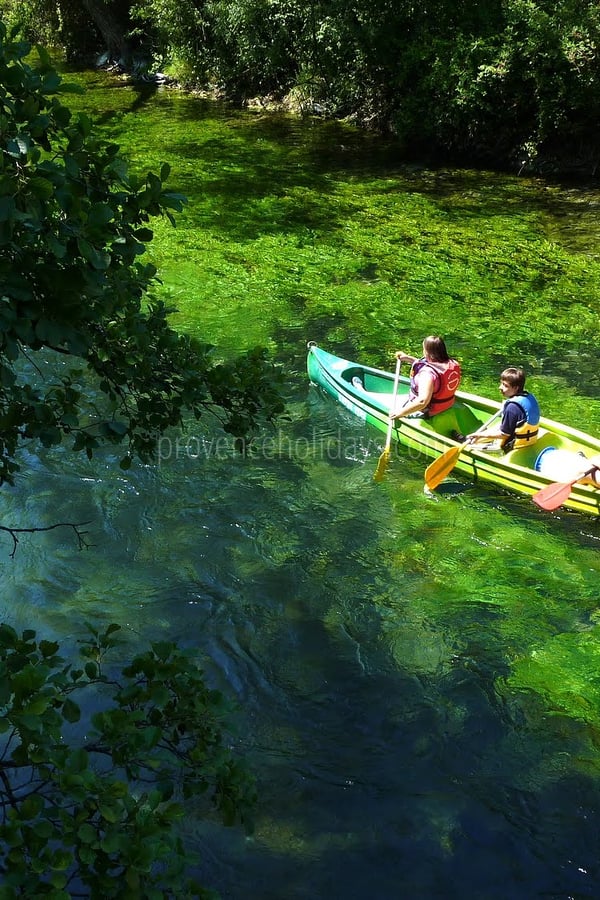
Sport & Wellness
Getting to Vallauris
From Antibes along the coast road
From Antibes, the coast road through Juan-les-Pins reaches Golfe-Juan in around ten minutes, from where the road climbs to Vallauris in a further five. The approach from this direction, with the Bay of Antibes and the Cap visible behind you, is pleasant and direct. Nice Côte d'Azur Airport is around twenty-five minutes by road, making Vallauris one of the more accessible stops on the Riviera.
From Cannes through the pines
From Cannes, the approach to Golfe-Juan along the coast road takes around fifteen minutes, passing through the pine-covered hills above the Croisette. The town is also reachable by train - the Golfe-Juan station is on the main Nice-Marseille line, with frequent services in both directions. Vallauris itself is a short uphill walk or taxi from the station.
Interesting information about Vallauris
History and architecture
Vallauris has produced ceramics since the Gallo-Roman period, and the industry was revived in the seventeenth century after plague depopulated the town and potters from Genoa and Liguria were invited to resettle it. The Genoese ceramics tradition merged with the local one and the craft has continued ever since. Picasso's presence from 1948 to 1955 brought international attention and a generation of artists who studied and worked alongside him.
Cultural attractions
The Musée National Picasso - La Guerre et la Paix is the primary cultural destination, a major work in a beautiful medieval setting. The Musée de la Céramique et d'Art Moderne covers both the local ceramics tradition and the modern art that has been associated with the town. The ceramics studios and galleries in the main street provide a genuine commercial and cultural tradition.
Natural beauty
The Bay of Cannes and the Lérins islands form the coastal setting, with views from the Vallauris hillside across the water to the islands. The Bois de Vallauris, the pine forest above the town, provides walking and mountain biking trails. The beaches at Golfe-Juan are sandy and well-maintained, with a sheltered position in the bay.
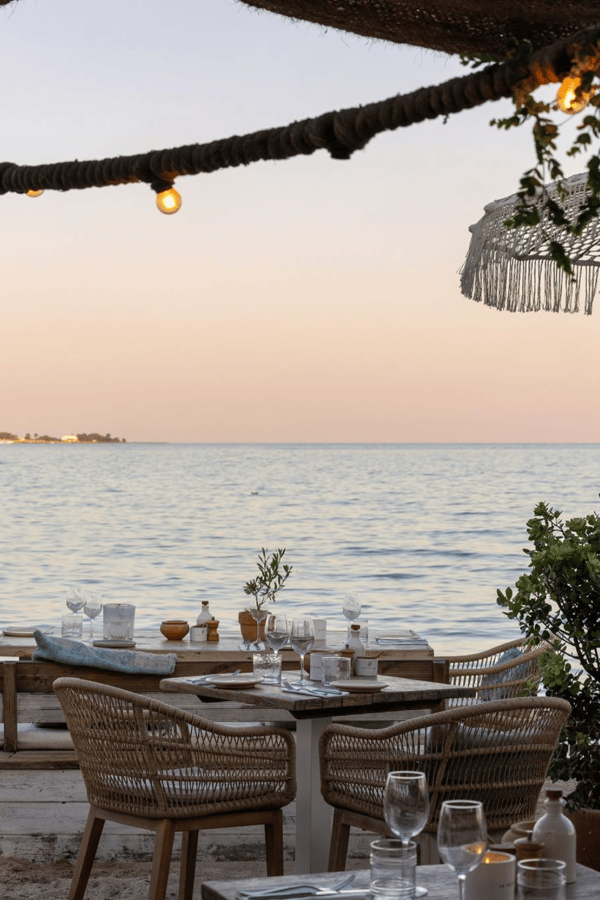
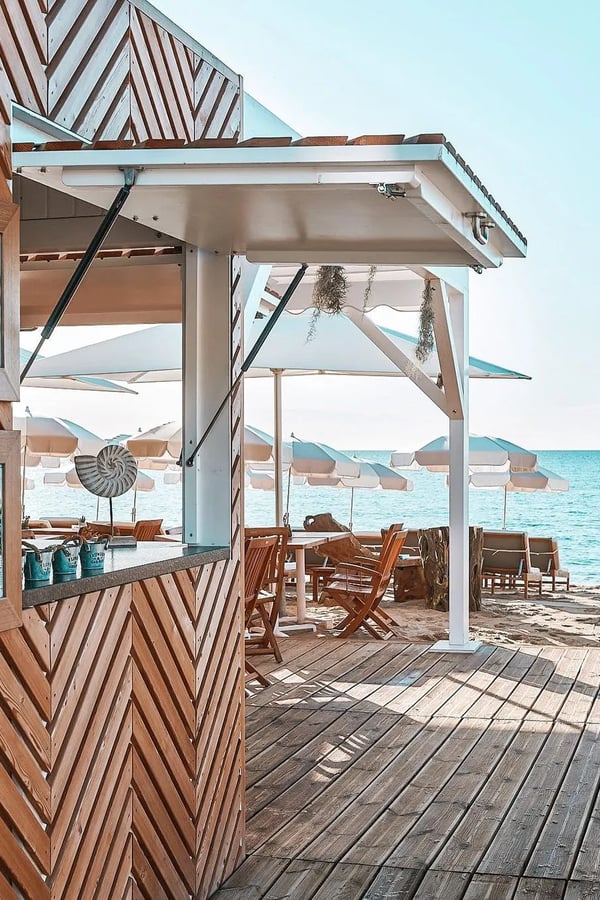
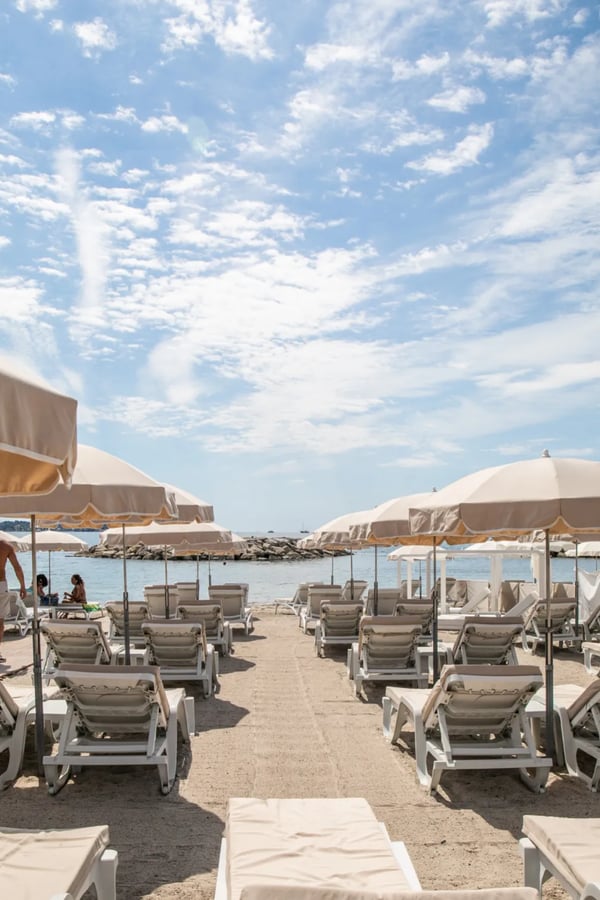
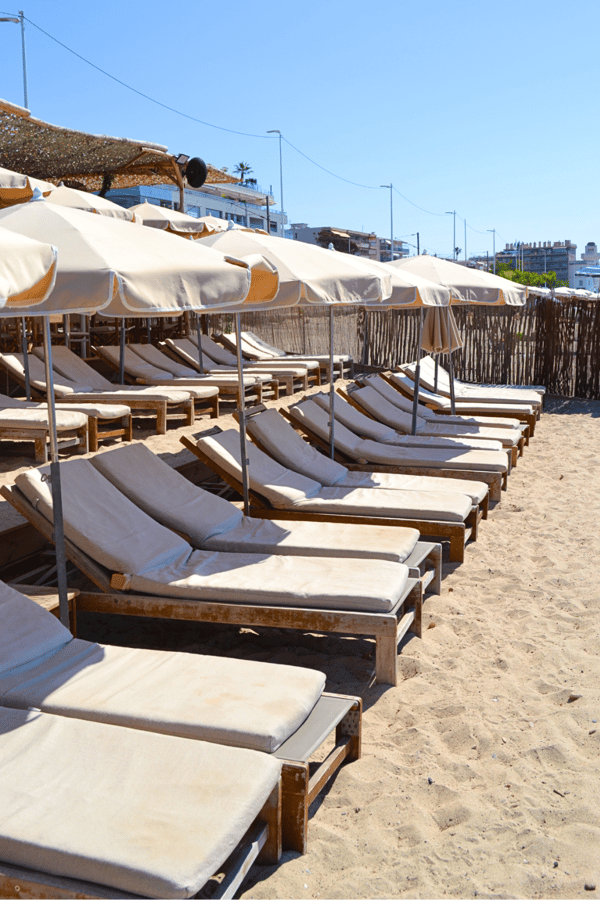
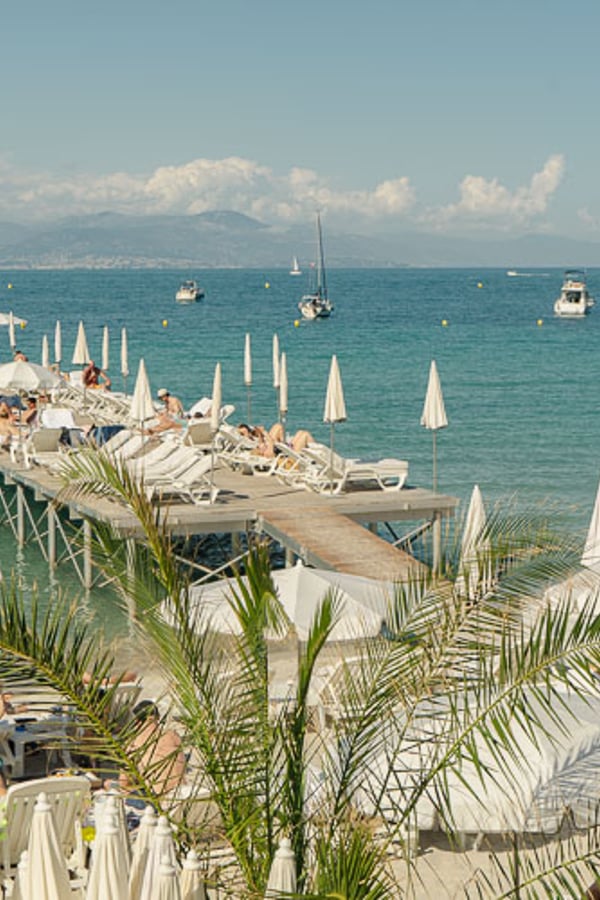
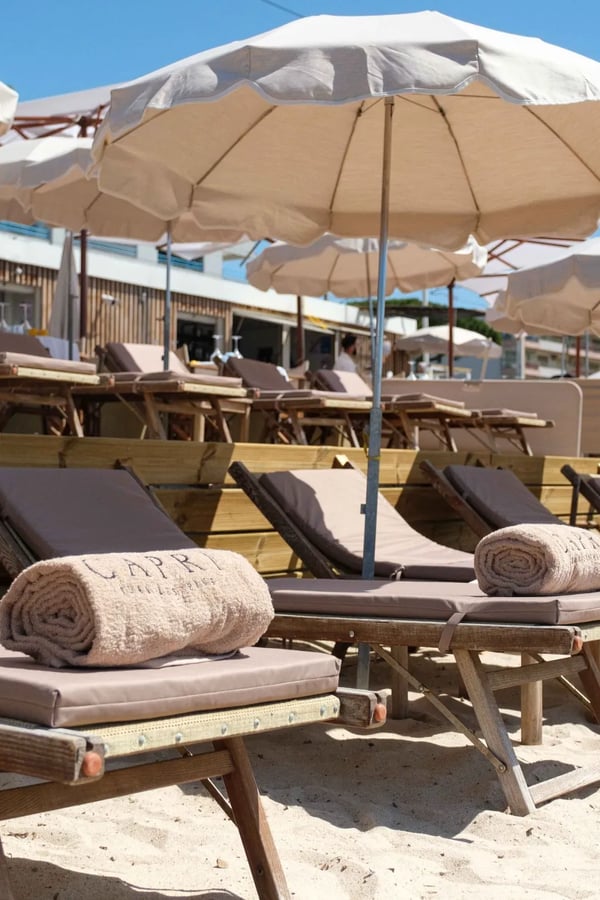
Reserve your beach club
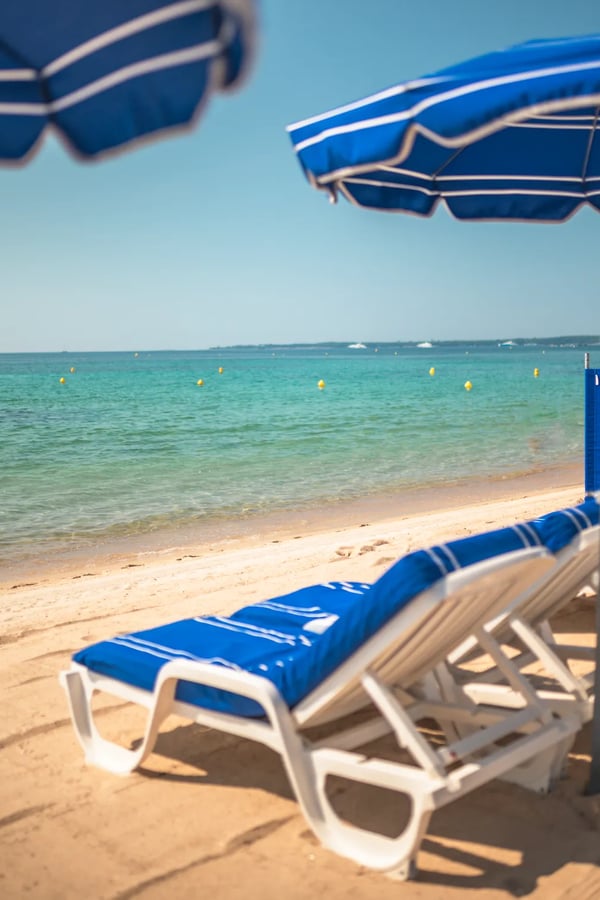
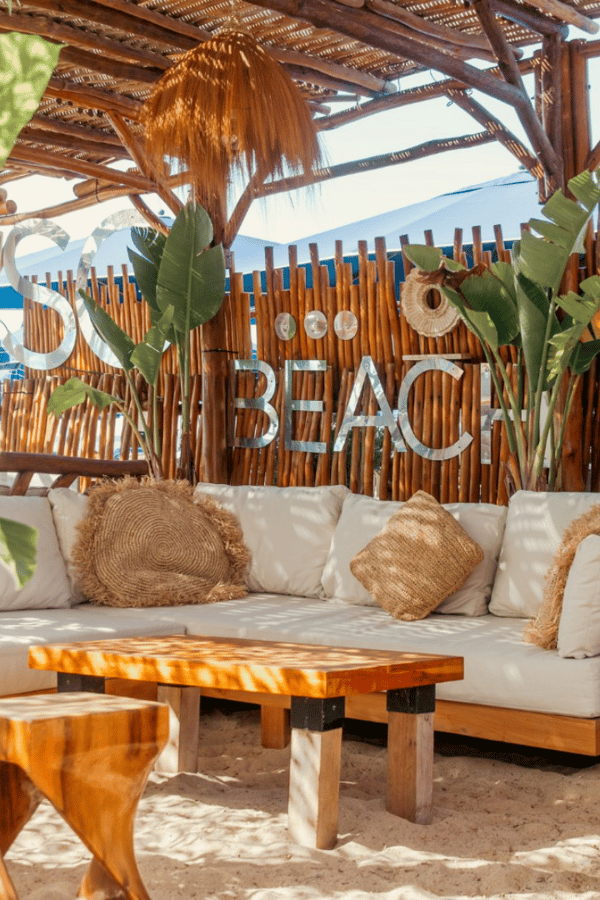
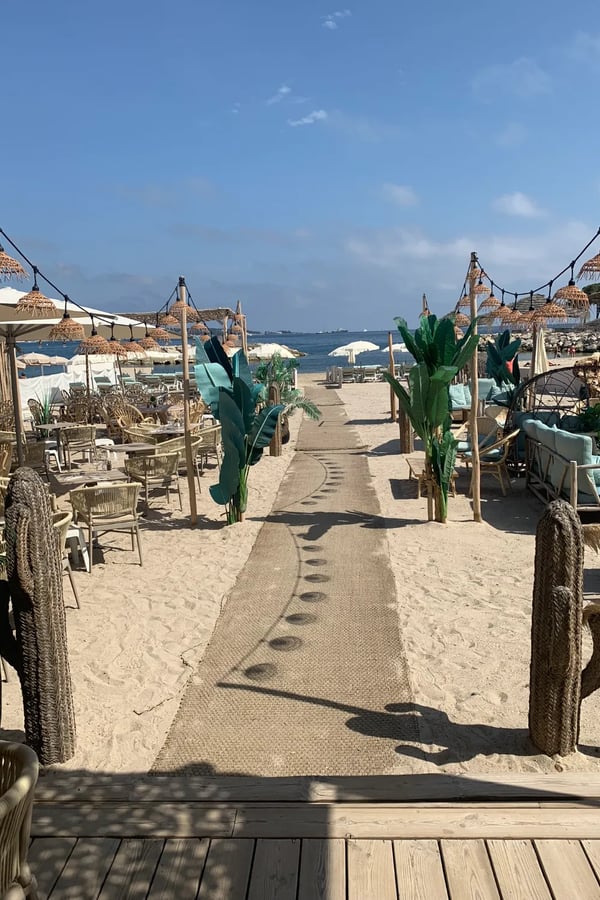
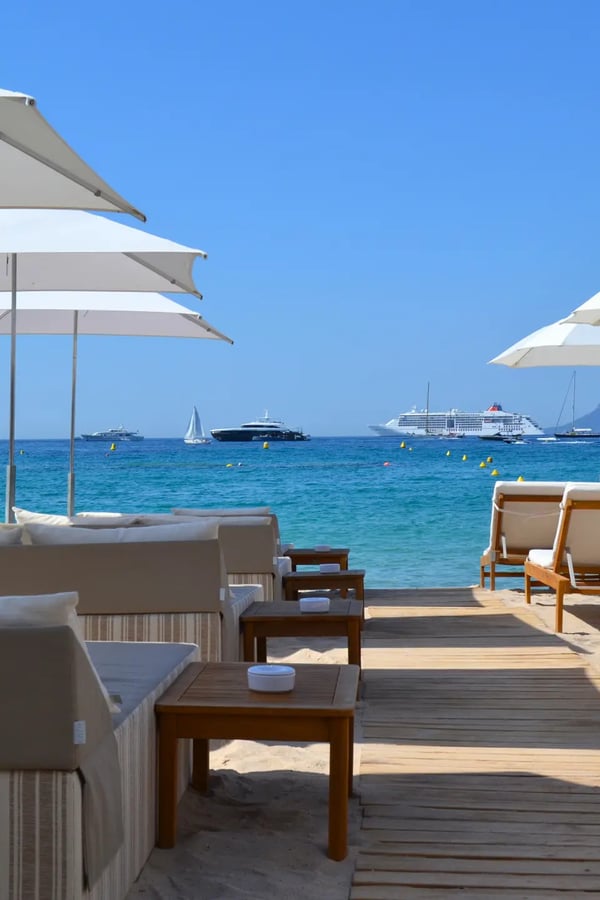
No Riviera holiday is complete without a day at the water's edge. Browse and book at the finest beach clubs near your villa today.
Explore activities nearby
Our hand-picked selection of the best experiences near your villa.
Discover Provence with us
Our magazine encourages you to truly live and breathe the essence of the region. From secret villages to culinary treasures, experience Provence authentically with us.