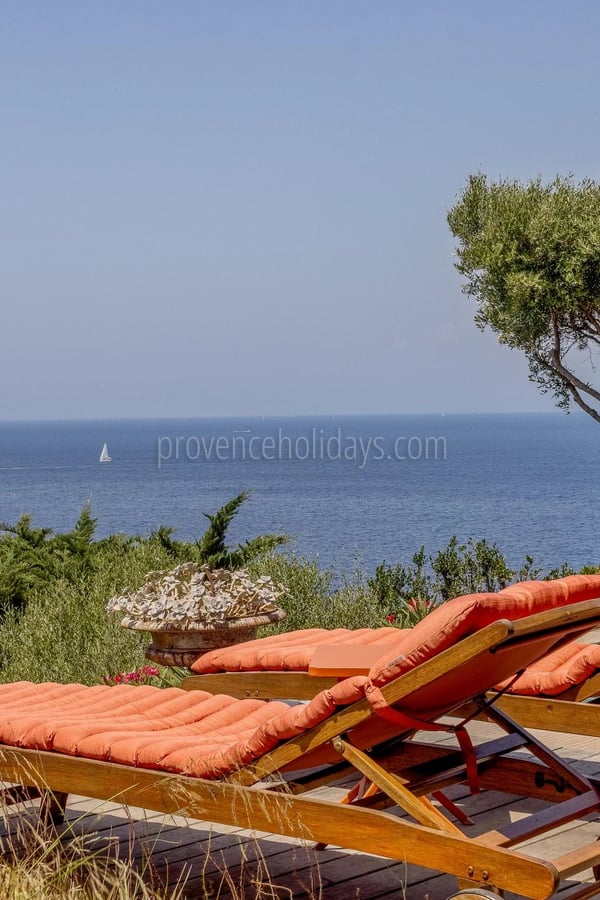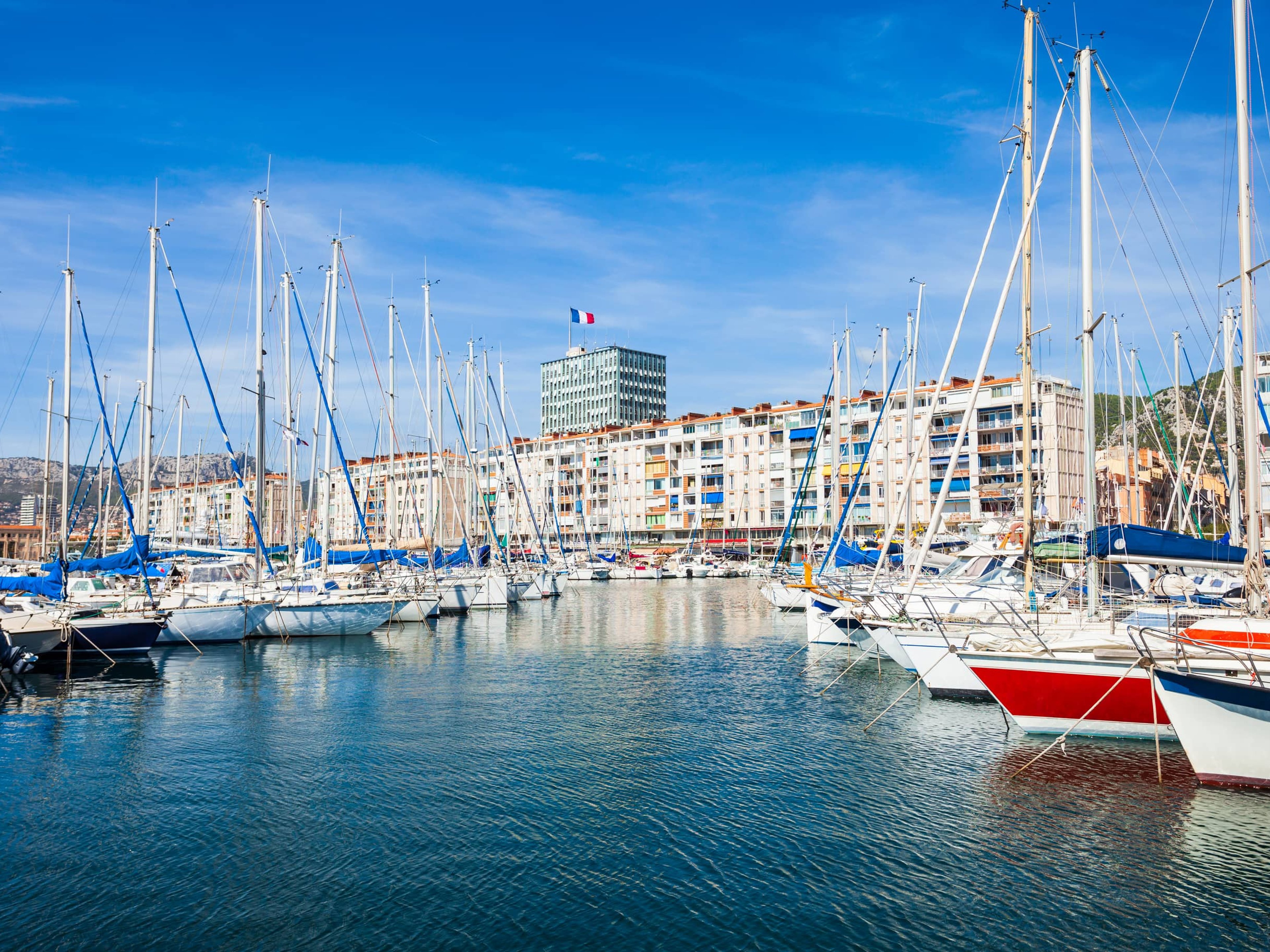
Toulon is a city rather than a resort - the home of the French Mediterranean fleet, set around one of the finest natural harbours in the world, with a working-class energy and a directness of character that distinguishes it from the more polished towns along the Riviera. Its beaches and beach clubs, to the east and west of the city, are where locals go to spend summer days.
What is our favourite thing about Toulon?
Our favourite thing about Toulon is the fish market at the Cours Lafayette on an early morning - the freshness of what is on display, the directness of the transaction, the absence of any particular concern for presentation. It is the kind of market that reminds you of the actual connection between the sea and what ends up on the plate, and it does so in a way that the more curated markets elsewhere on the coast rarely manage.
Where to stay in Toulon
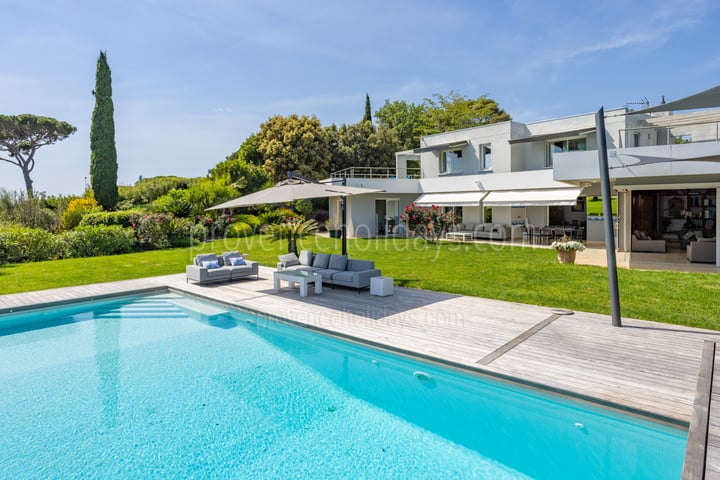
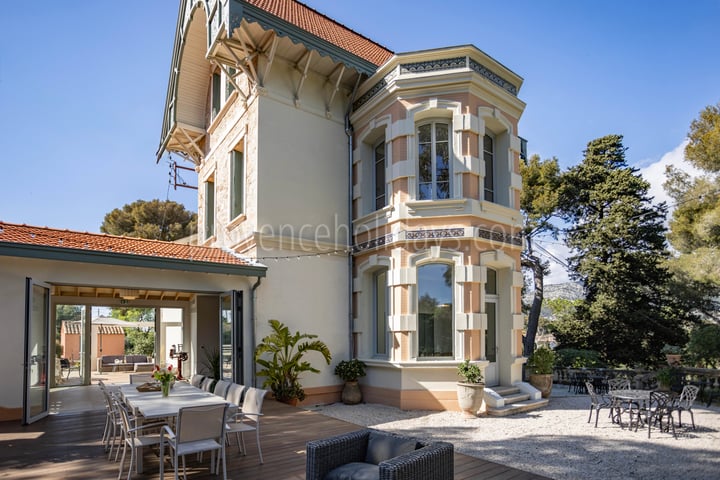
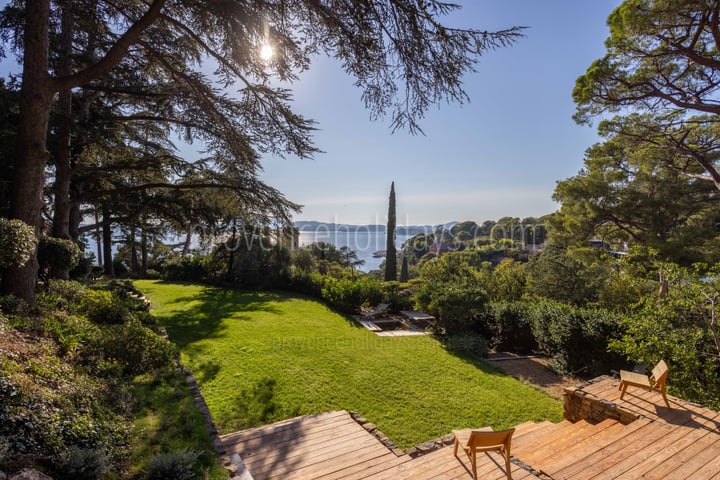
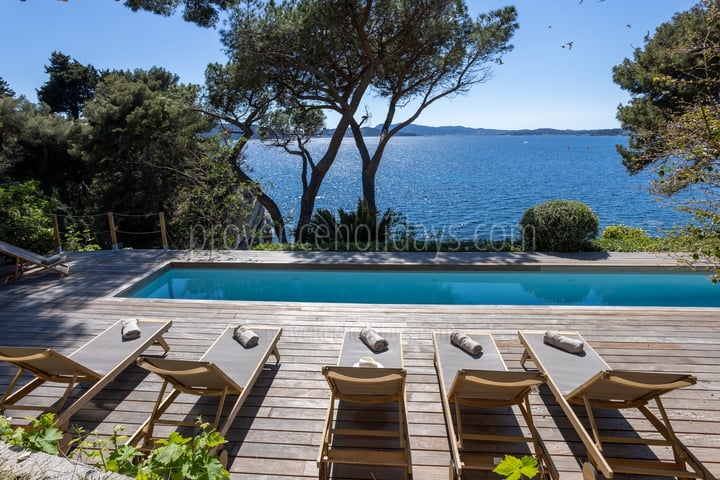
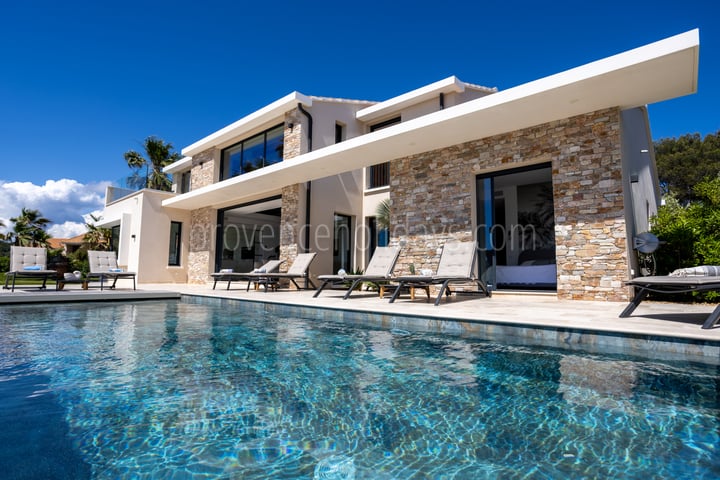
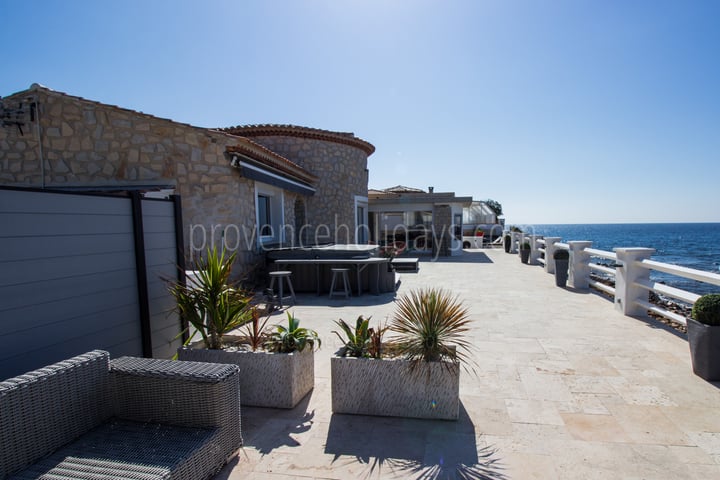
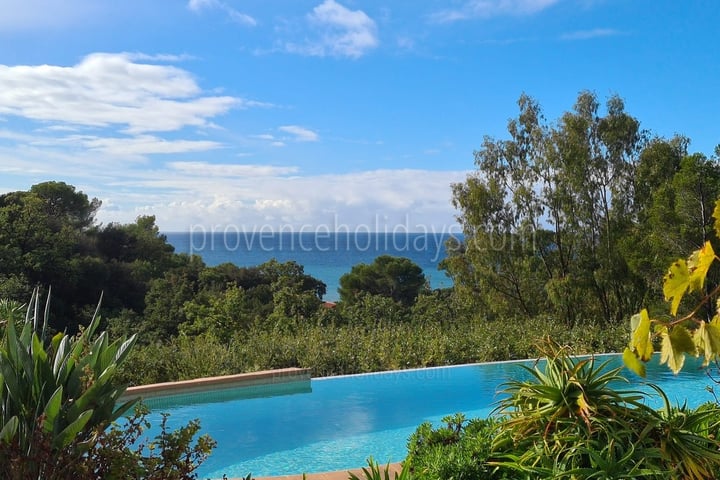
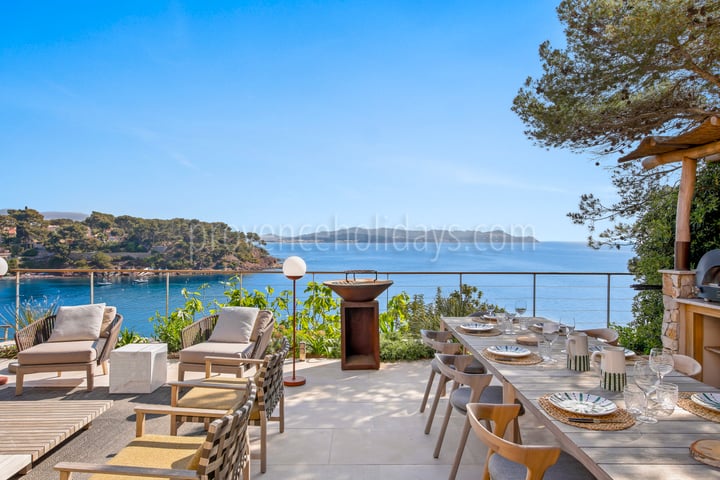
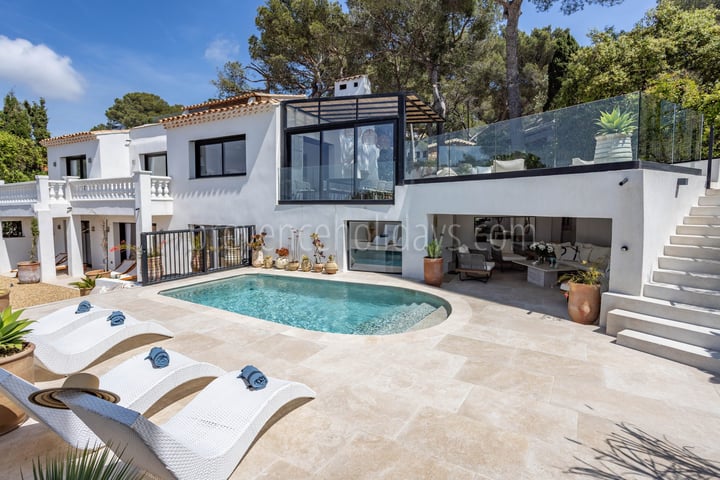
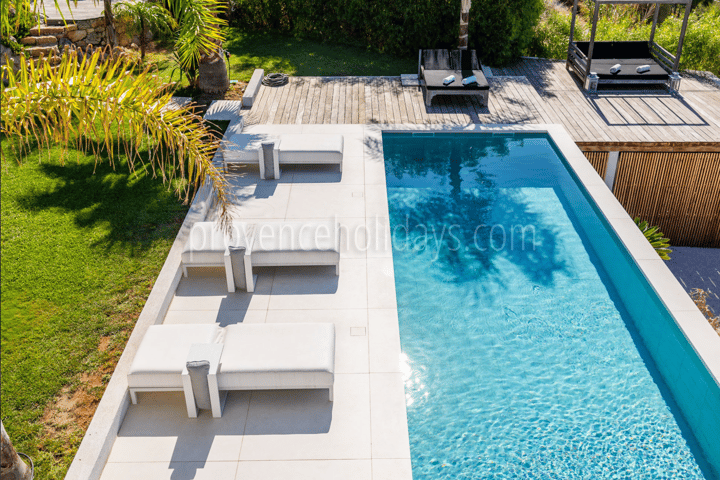
Discover our selection of properties in Toulon
We pair exclusive holiday homes with completely tailored experiences
Our concierge service redefines luxury holidays, enhancing every stay, family holiday, or special occasion. Once you have confirmed your booking, you will be assigned a dedicated concierge who will arrange every detail, ensuring a memorable holiday from start to finish.

Food & Wine

Nature & Outdoors

Art & Culture
Entertainment
Sport & Wellness
Getting to Toulon
By TGV from Paris
Toulon is served by TGV from Paris in around three and a half hours - one of the most reliable and comfortable ways to arrive. The station is centrally located, a short distance from the old port and the Cours Lafayette market. Toulon-Hyères Airport, around twenty minutes east of the city, handles a smaller number of routes but is convenient for those coming from northern Europe.
From Marseille along the coast
From Marseille, Toulon is around forty-five minutes by car on the A50 autoroute, which runs above the coast past Cassis and the limestone calanques before dropping to the Var coast. Marseille Provence Airport at Marignane is around an hour from Toulon by road and handles a wide range of international routes. The coastal route via La Ciotat and Bandol is slower but considerably more scenic.
Interesting information about Toulon
History and architecture
Toulon became the principal base of the French Mediterranean fleet under Louis XIV and Cardinal Mazarin, and the Arsenal established here in the seventeenth century remained the largest industrial complex in France for over a century. The harbour has been the scene of several major naval episodes, including the scuttling of the French fleet in 1942 to prevent it falling into German hands. The city was heavily bombed in the Second World War and much of the old town was destroyed.
Cultural attractions
The Musée National de la Marine, in the old Arsenal, is one of the best maritime museums in France. The Opéra de Toulon, built in 1862, is the largest opera house in France after Paris and runs a serious programme. The Cours Lafayette market is a cultural institution as much as a practical one. The Mont Faron Second World War museum covers the Allied liberation of Toulon in 1944.
Natural beauty
The Rade de Toulon - the harbour - is itself a remarkable natural feature, one of the finest in the Mediterranean. Mont Faron provides walking and the cable car. The coastline east of the city, towards Hyères, passes through some of the most varied and interesting terrain on the Var coast. The Giens peninsula and the Îles d'Or are within easy reach.
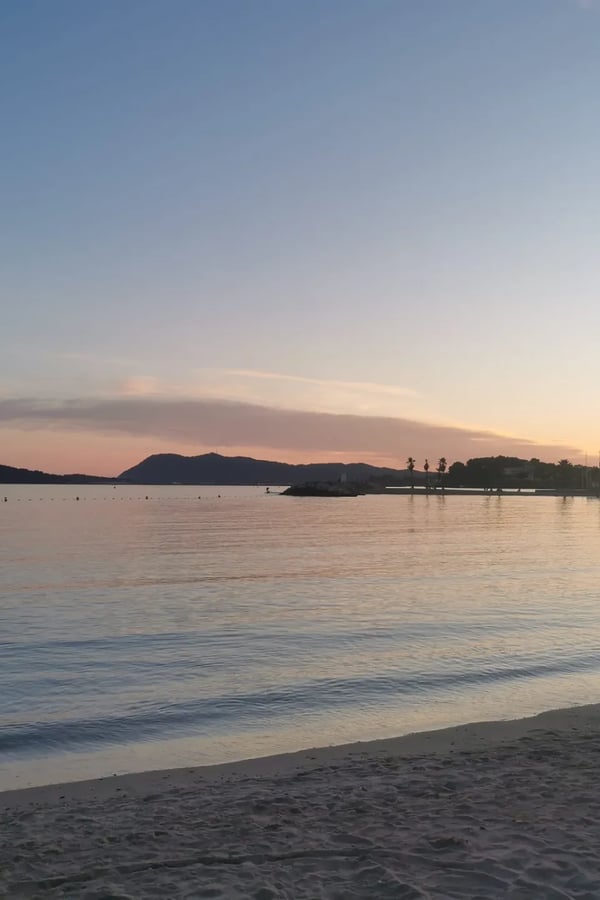
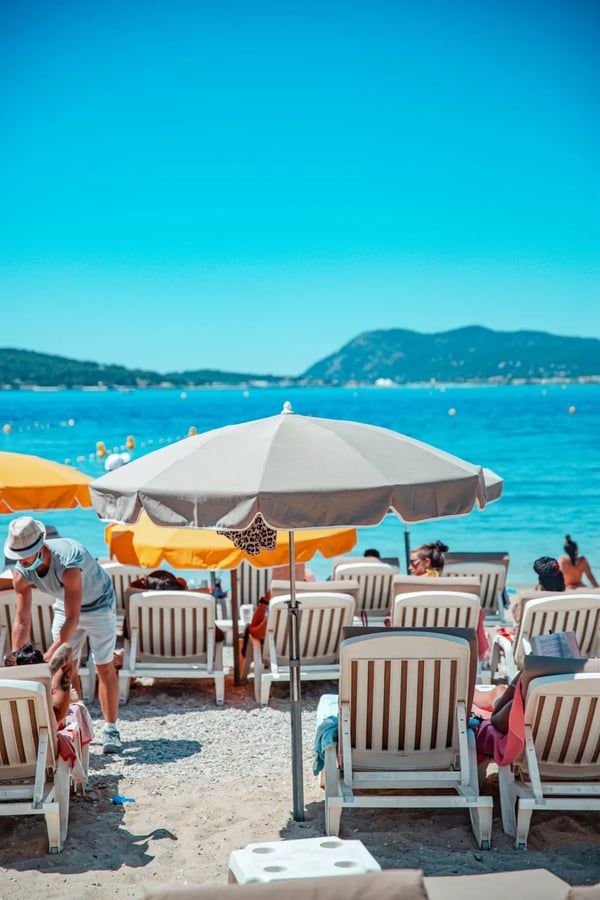
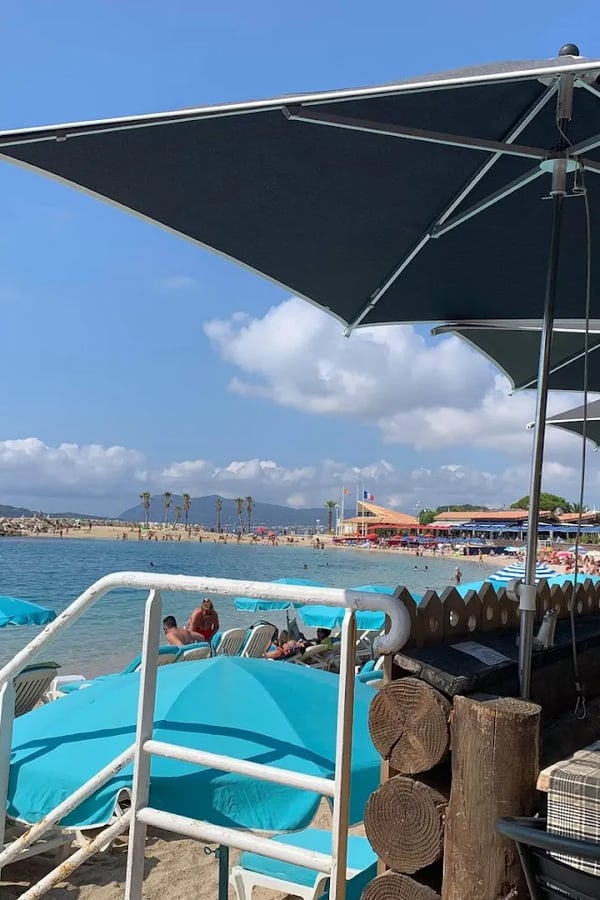
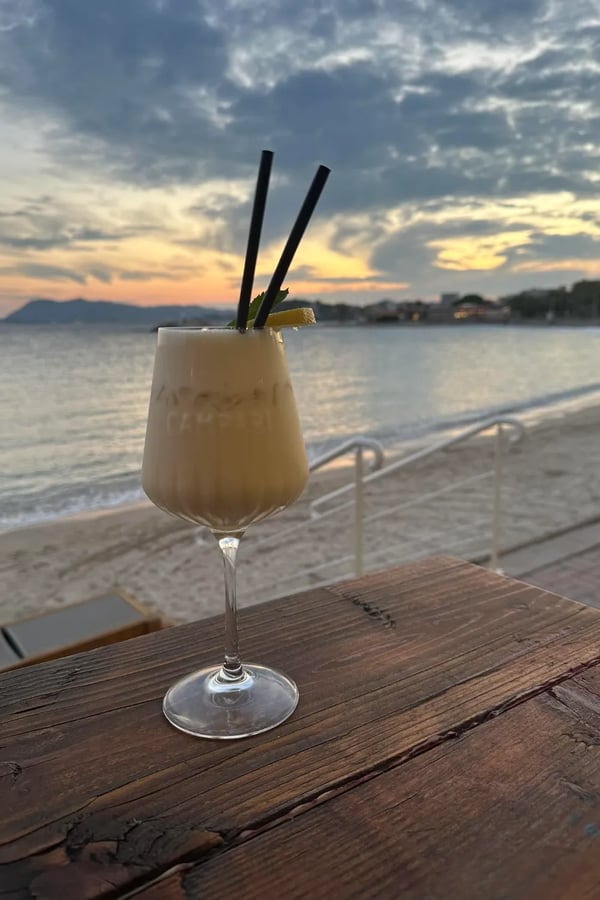
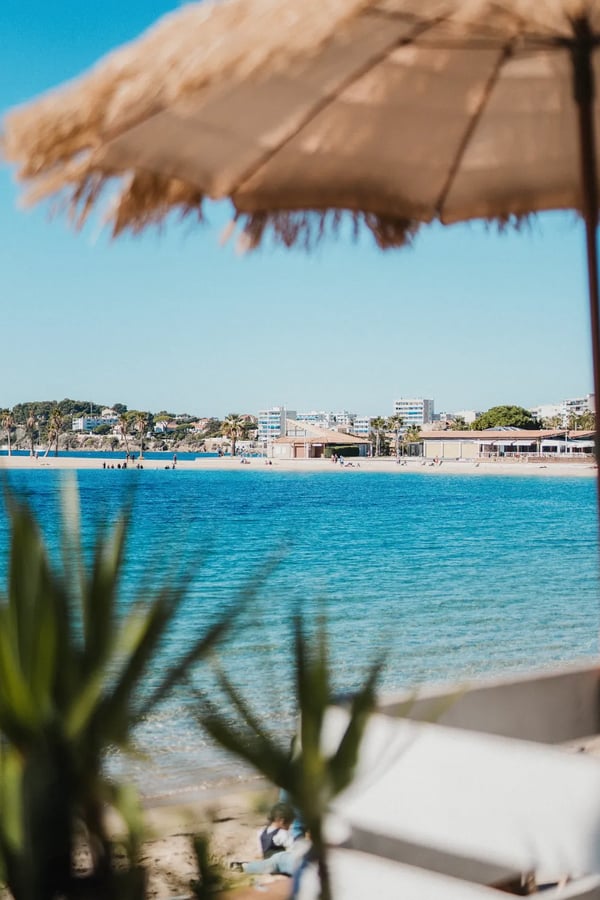
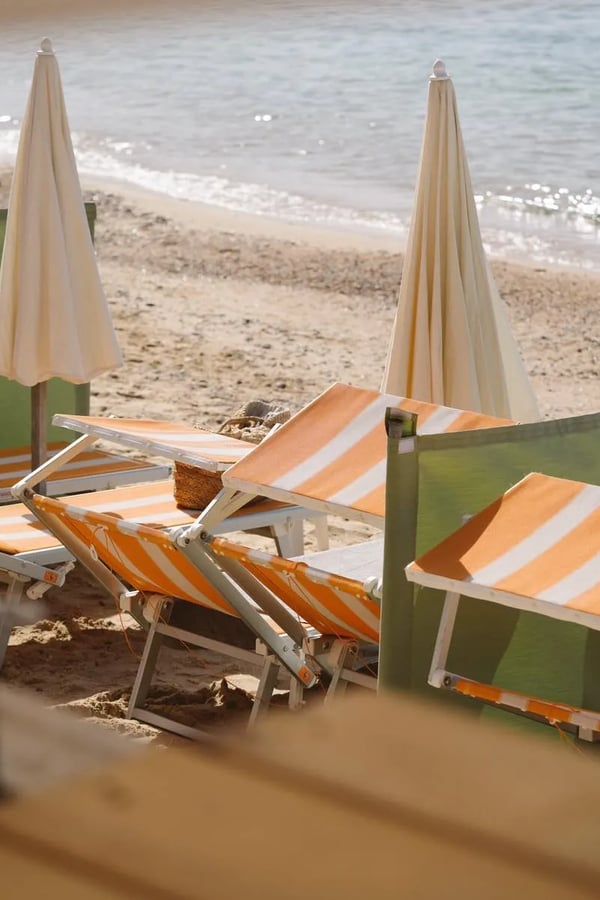
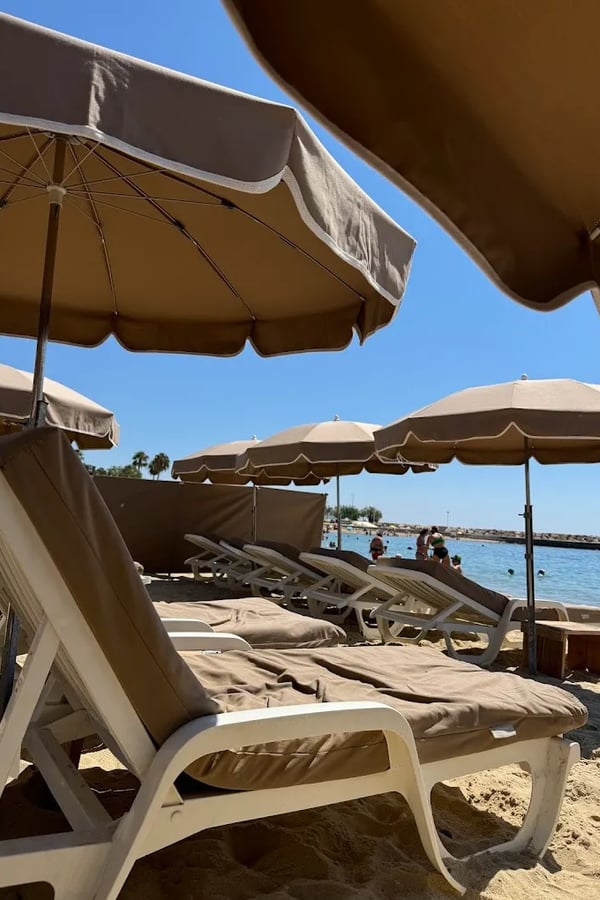
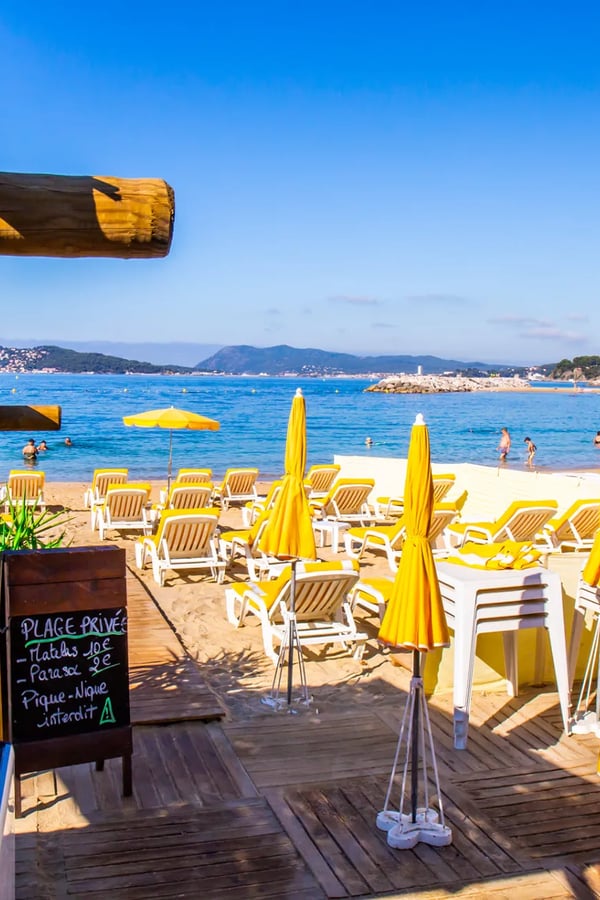
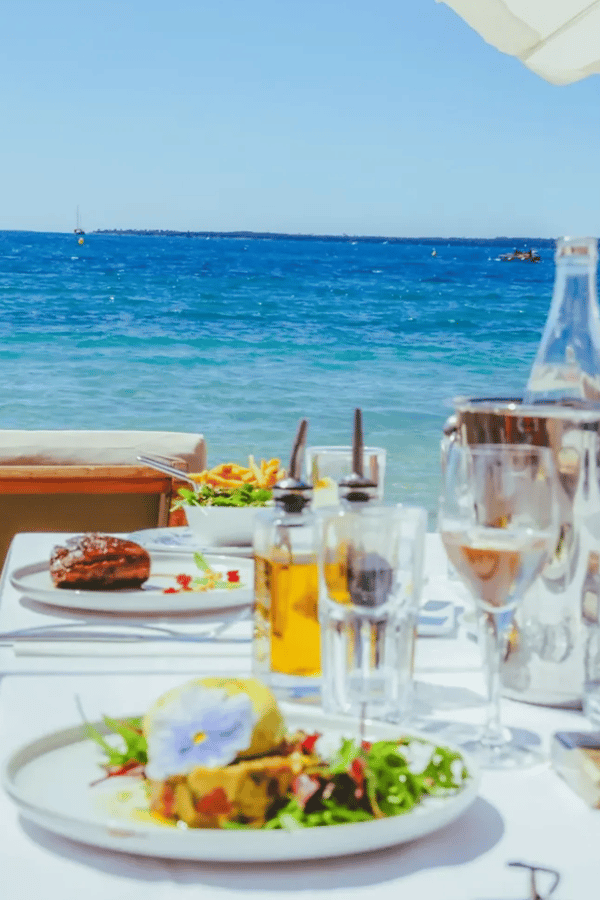
Reserve your beach club
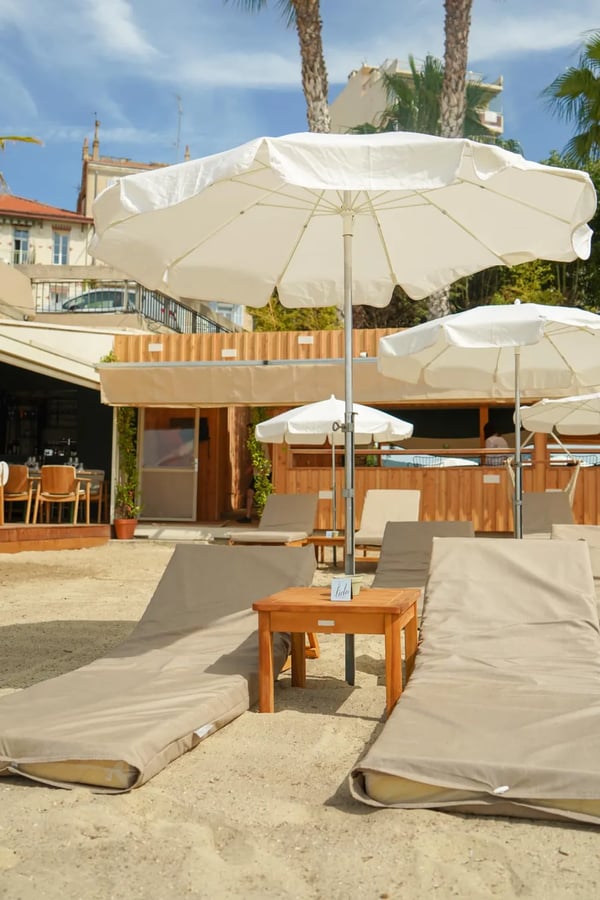
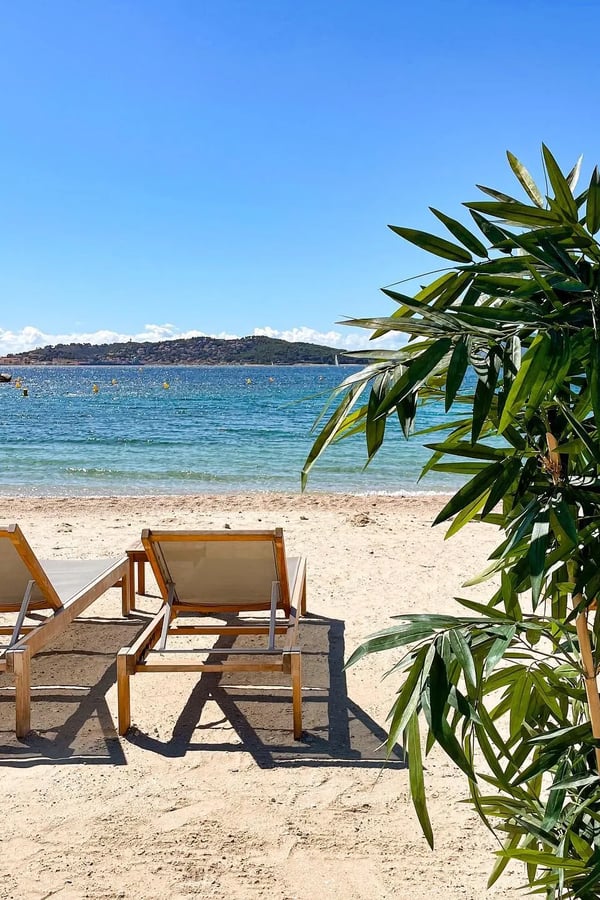
No Riviera holiday is complete without a day at the water's edge. Browse and book at the finest beach clubs near your villa today.
Explore activities nearby
Our hand-picked selection of the best experiences near your villa.

Discover Provence with us
Our magazine encourages you to truly live and breathe the essence of the region. From secret villages to culinary treasures, experience Provence authentically with us.

Unique properties for sale
Whether you have holidayed with us previously or are simply looking for a new home or profitable project to undertake, we can unearth unique and often off-the-radar properties which are perfect for you.