What makes Hyères special?
The peninsula of Giens extends south from the town between two remarkable natural causeways - the tombolos - that enclose a saltwater lagoon used by flamingos, avocets and migratory birds. Walking between the two across the narrow strip of land, with the lagoon on one side and the open sea on the other, is one of the more unusual and beautiful short walks in southern France.
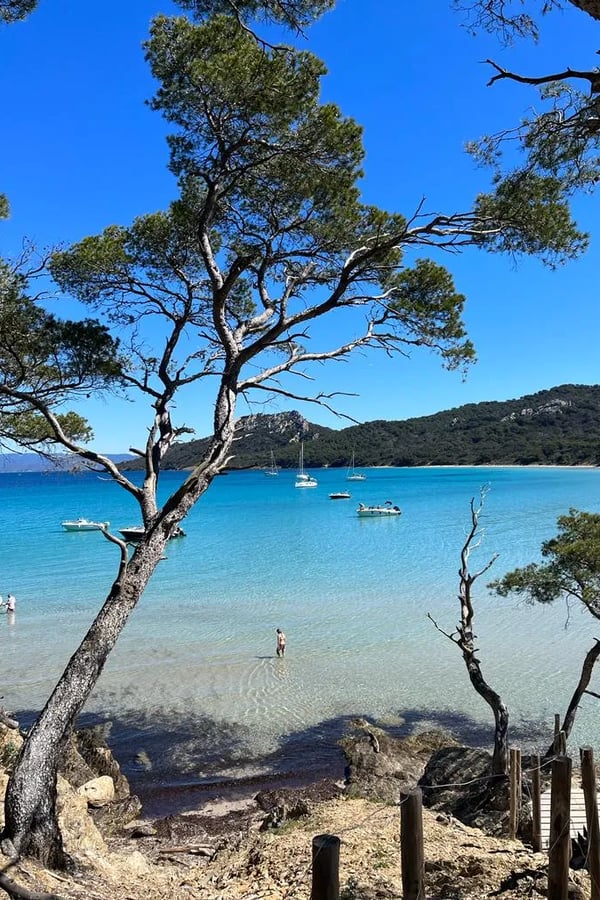
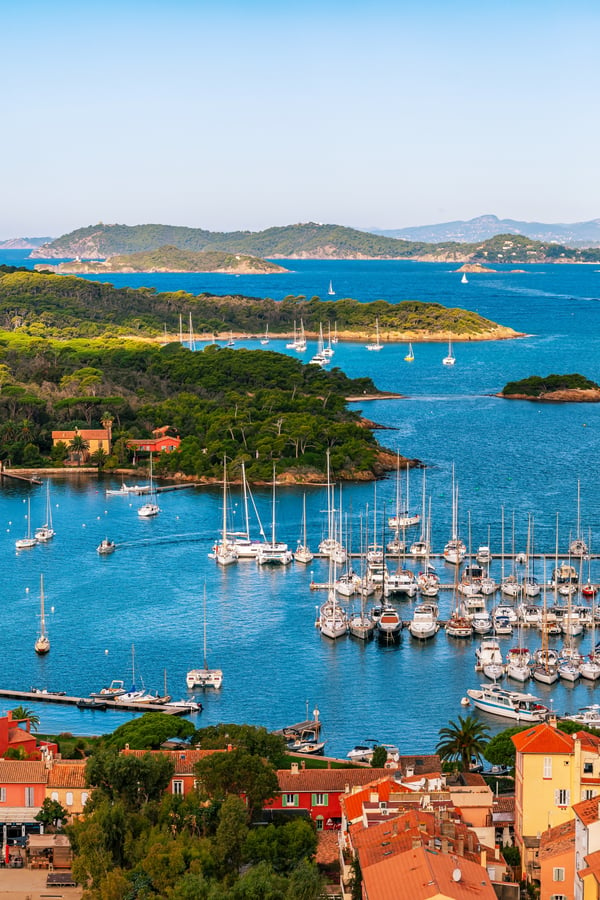
From the tip of the Giens peninsula, ferries to Porquerolles depart regularly - the crossing takes around 20 minutes. Porquerolles is car-free, has some of the clearest water and best beaches in France and contains a national park covering most of the island's interior. A morning on the island and an afternoon at a beach club back on the peninsula makes for a very satisfying day.
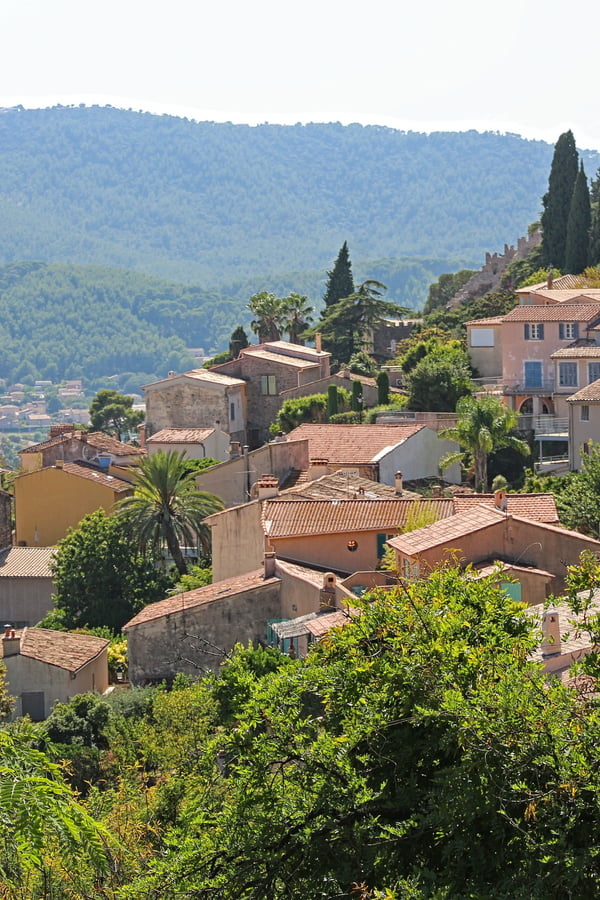
The Villa Noailles - a cubist masterpiece built for the art patron Charles de Noailles in the 1920s and designed by Robert Mallet-Stevens - hosts an annual photography and design festival that brings the building back to the life it was designed for. The medieval Vieille Ville above the coast is largely overlooked by visitors and is considerably better for it.
What is our favourite thing about Hyères?
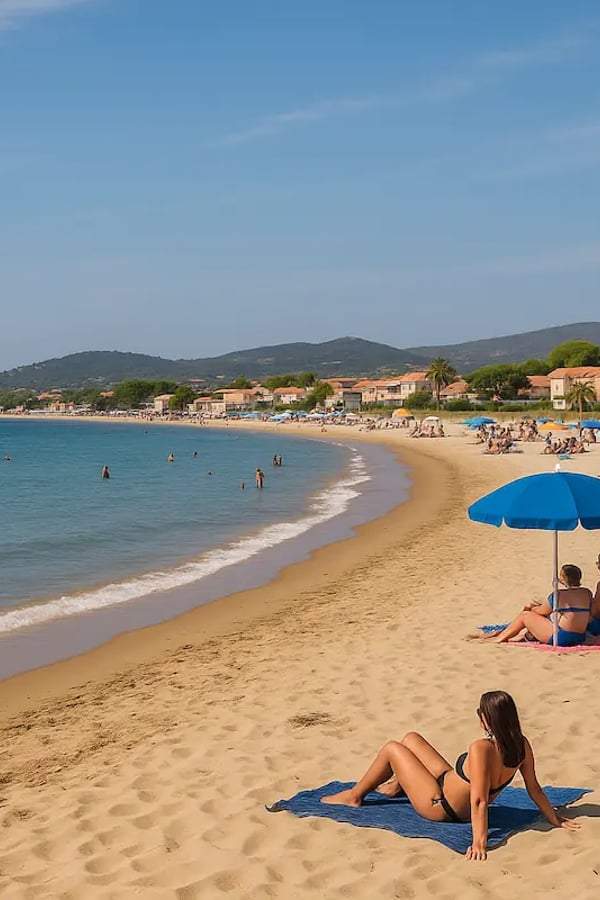
Our favourite thing about Hyères is the early ferry to Porquerolles on a morning in June, when the island is not yet full and the beaches are still almost empty. The bicycle ride across to the south coast through pine forest and vineyards, and the first swim of the day in water of that particular green-blue colour, is a combination that is very difficult to improve upon.
Where to stay in Hyères
Discover our selection of properties in Hyères
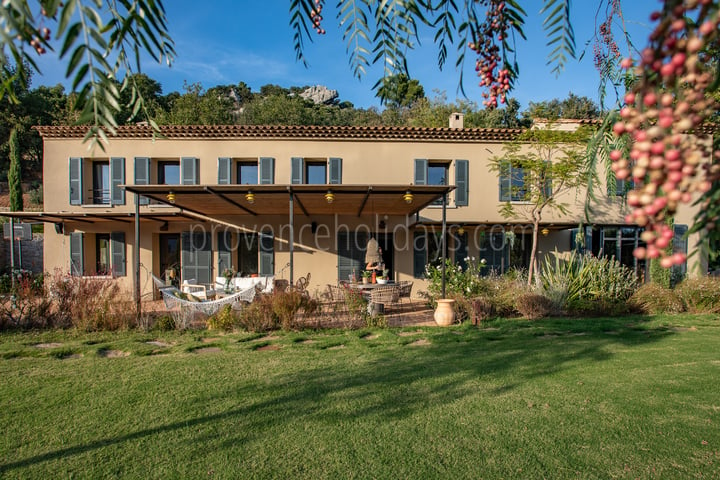
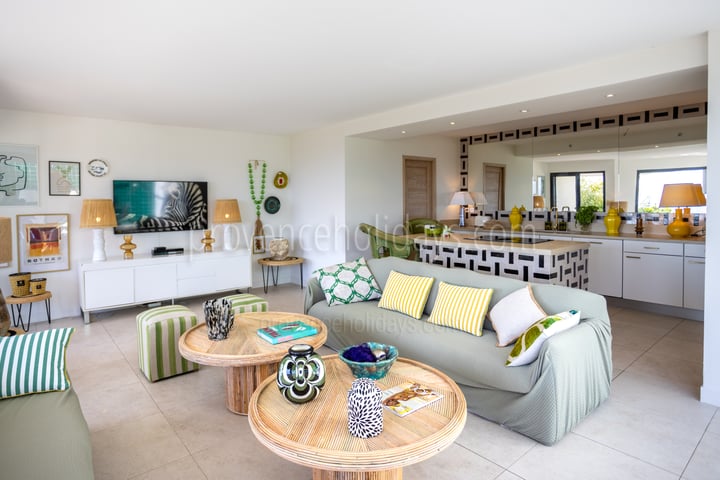
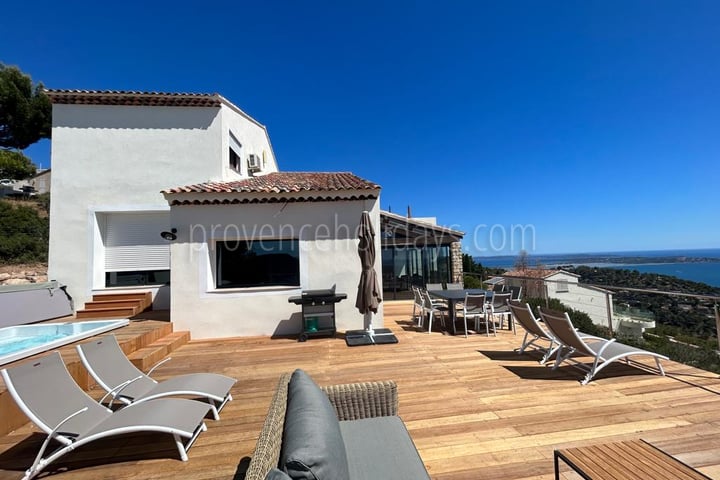
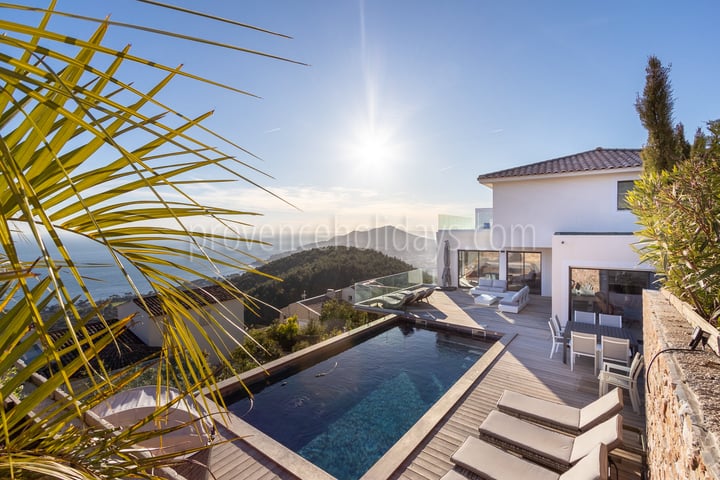
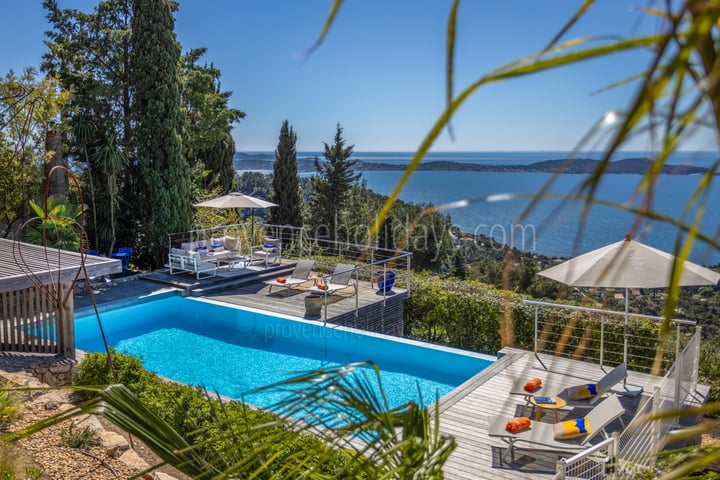
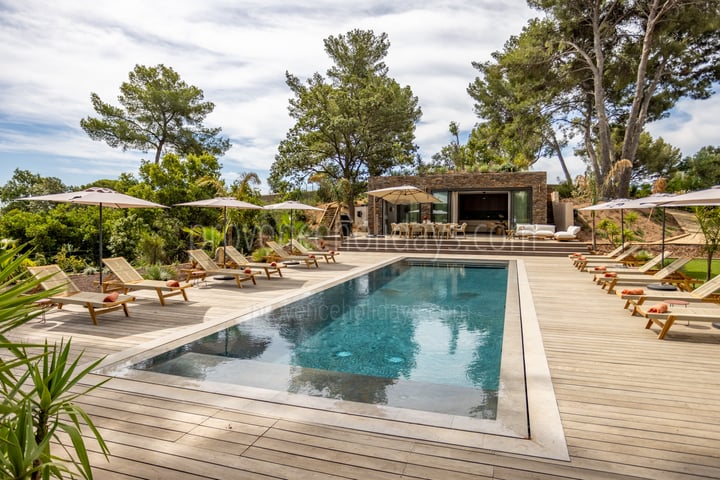
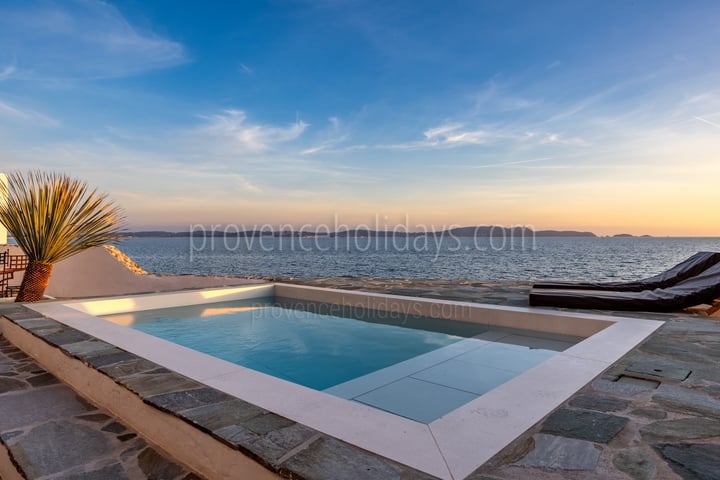
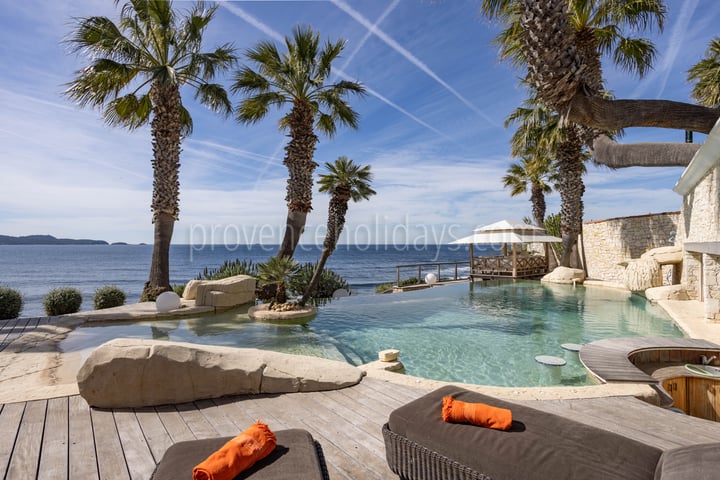
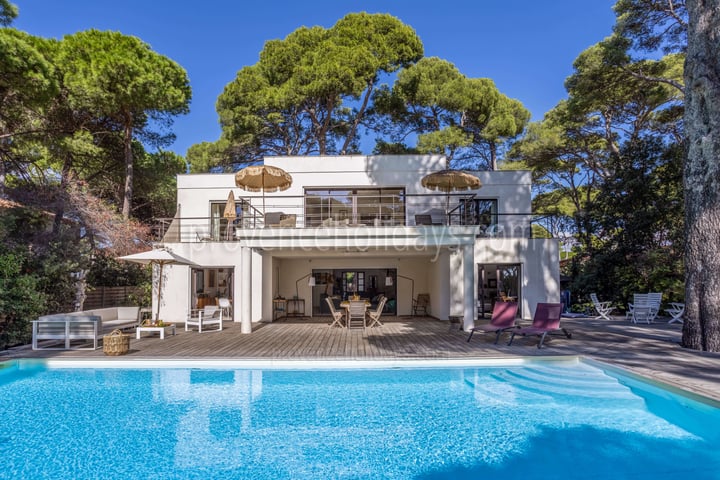
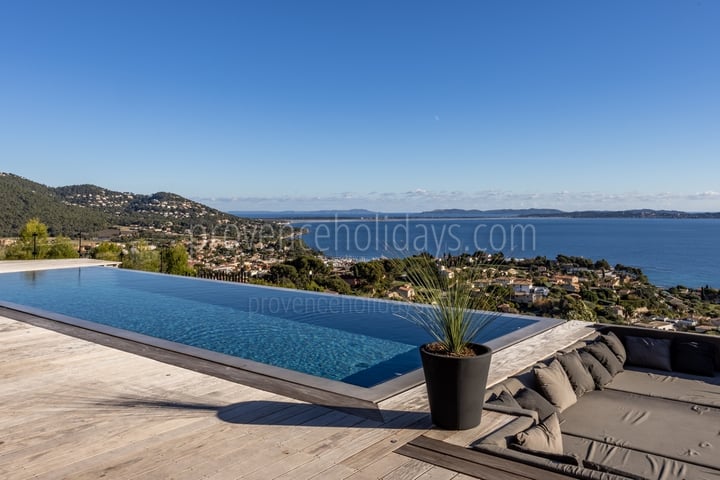
We pair exclusive holiday homes with completely tailored experiences
Our concierge service redefines luxury holidays, enhancing every stay, family holiday, or special occasion. Once you have confirmed your booking, you will be assigned a dedicated concierge who will arrange every detail, ensuring a memorable holiday from start to finish.

Food & Wine

Nature & Outdoors

Art & Culture
Entertainment
Sport & Wellness
Getting to Hyères
Hyères is easily accessible by road, rail, and air, making it a convenient destination for visitors exploring the Côte d'Azur and Provence. Travelling by car is straightforward, with the A570 motorway providing a direct route into the town and easy connections to the A8 and A57 highways, linking Hyères to major cities across the region. For those arriving by air, Toulon-Hyères Airport, located just 10 minutes from the town centre, offers both domestic and international flights, providing a seamless travel experience. Rail travellers can take advantage of high-speed TGV services to Toulon train station, approximately 30 minutes away, with frequent direct connections to Paris, Marseille, and other key French destinations. From Toulon, buses and taxis run regularly to Hyères, offering a hassle-free onward journey. Visitors heading to the famous Golden Islands, including Porquerolles, Port-Cros, and Le Levant, can catch regular ferry services departing from the port of Hyères, ensuring easy access to these idyllic Mediterranean destinations.
The ferry to Porquerolles
Ferries to Porquerolles depart from La Tour Fondue at the tip of the Giens peninsula, with crossings running approximately every 30-60 minutes in high season and taking around 20 minutes each way. The island has no cars - bicycles can be hired at the port - and the beaches on the south coast, particularly Plage Notre-Dame, are consistently rated among the finest in France. The last ferry back is typically around 18:00 or 19:00 in summer; check the schedule before departing as it changes seasonally. Booking the outward crossing in advance is recommended in July and August.
Useful information about Hyères
Hyères offers a wide range of amenities and services to ensure a comfortable stay. The town has several pharmacies, banks, and supermarkets, as well as an array of restaurants, cafés, and shops. For medical emergencies, Centre Hospitalier Intercommunal Toulon-La Seyne-sur-Mer is the nearest hospital, located about 30 minutes away.
Key emergency contact numbers:
Emergency services (Police, Fire, Ambulance): 112 (EU-wide)
Local police (Gendarmerie in Hyères): +33 4 94 00 73 00
Hyères Hospital: +33 4 94 14 50 00
The town hosts seven weekly markets offering fresh produce, local crafts, and Provençal delicacies, perfect for sampling regional specialities like capon, anchoïade, and brousse. Public transport is available within Hyères, and ample parking facilities can be found near the old town and port areas. The Hyères Tourist Office, located in the town centre, provides maps, event schedules, and additional information and can be reached at +33 4 94 01 84 50.
History and architecture
Hyères was occupied in the Bronze Age and became a significant trading post before Roman control. Its transformation into a winter health resort began in the early nineteenth century when the mild climate attracted wealthy invalids and artists from across northern Europe. Robert Louis Stevenson wrote part of Treasure Island during his winter stay in 1882.
Cultural attractions
The Villa Noailles is the preeminent cultural institution - a landmark of early modernism hosting an annual festival of photography and design each October. The Musée Municipal covers the archaeology and natural history of the region. The Collégiale Saint-Paul contains an extraordinary collection of votive offerings.
Natural beauty
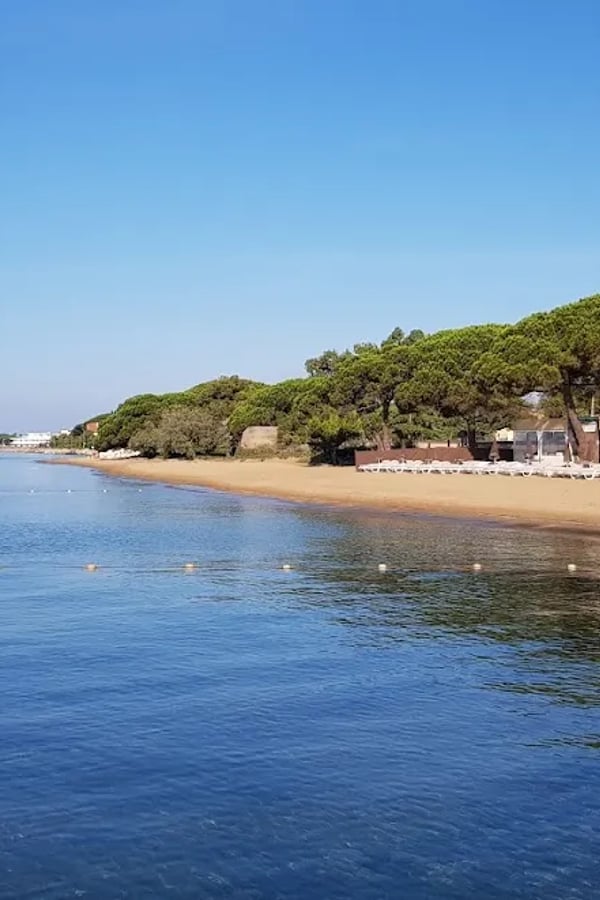
The Giens peninsula and its two tombolos form one of the most distinctive coastal landscapes in France. The flamingo lagoon is a significant ornithological site. Porquerolles - part of the Parc National de Port-Cros - has some of the finest beaches and clearest water in the Mediterranean.
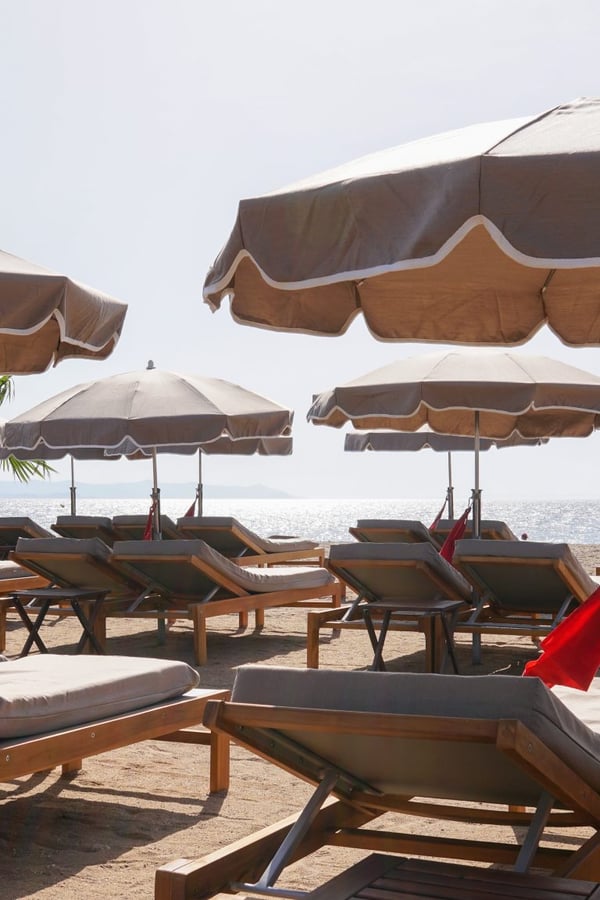
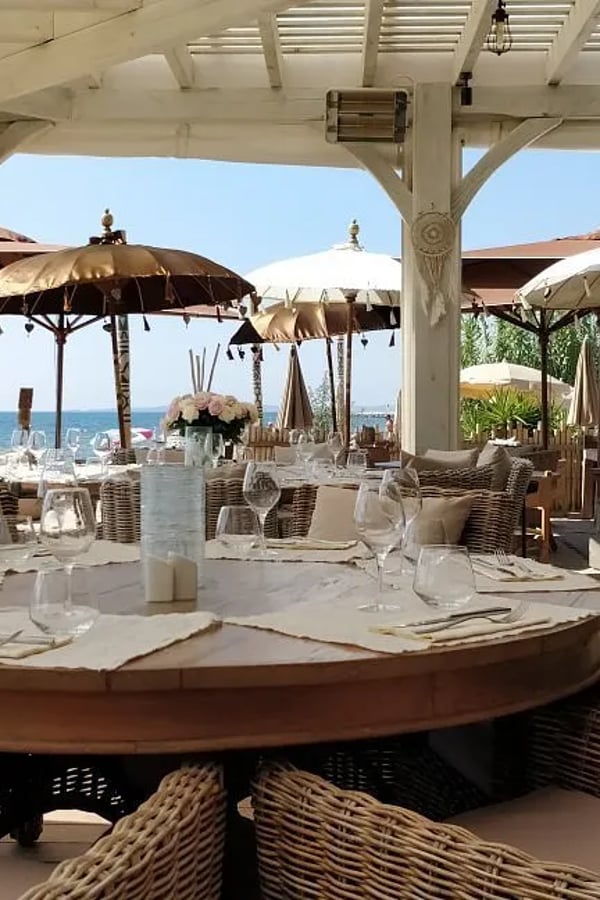
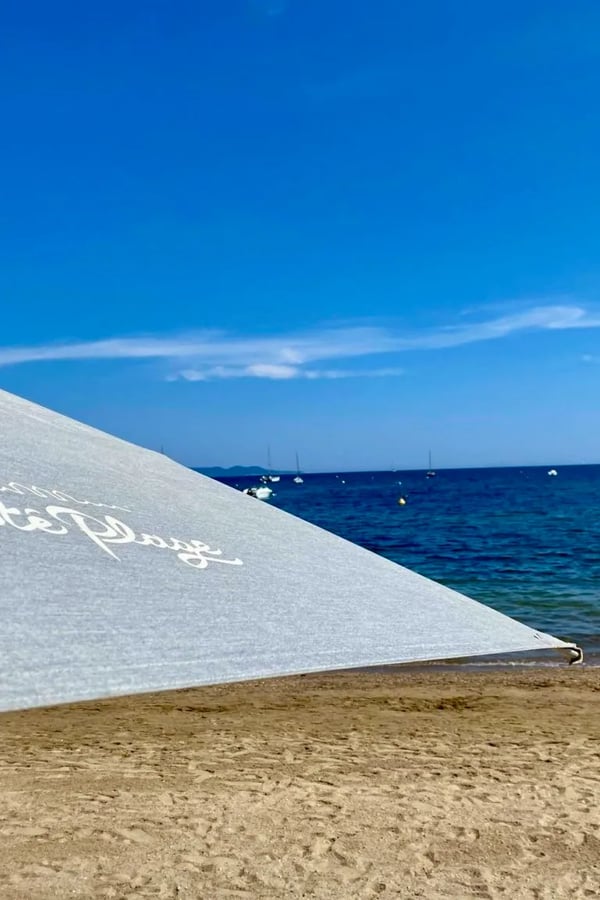
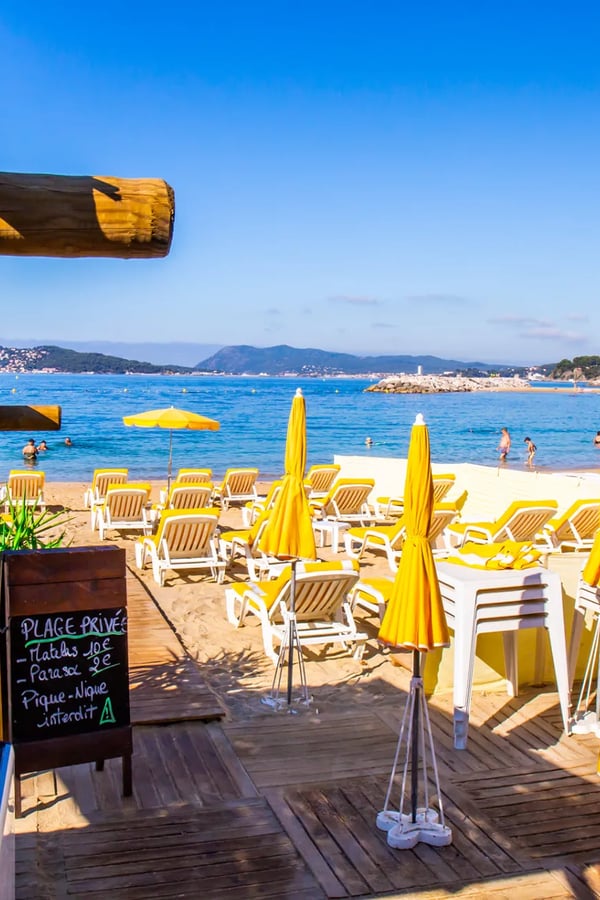
Reserve your beach club
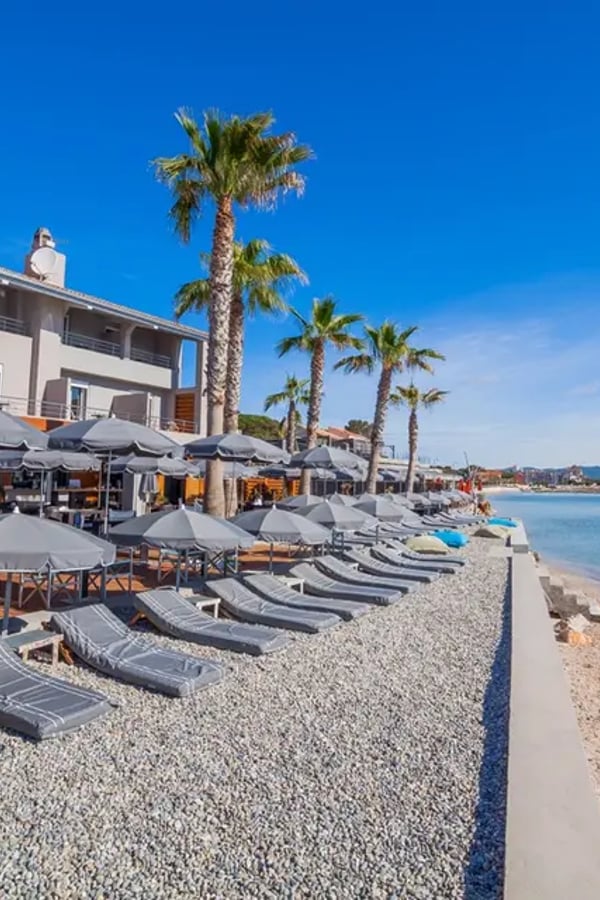
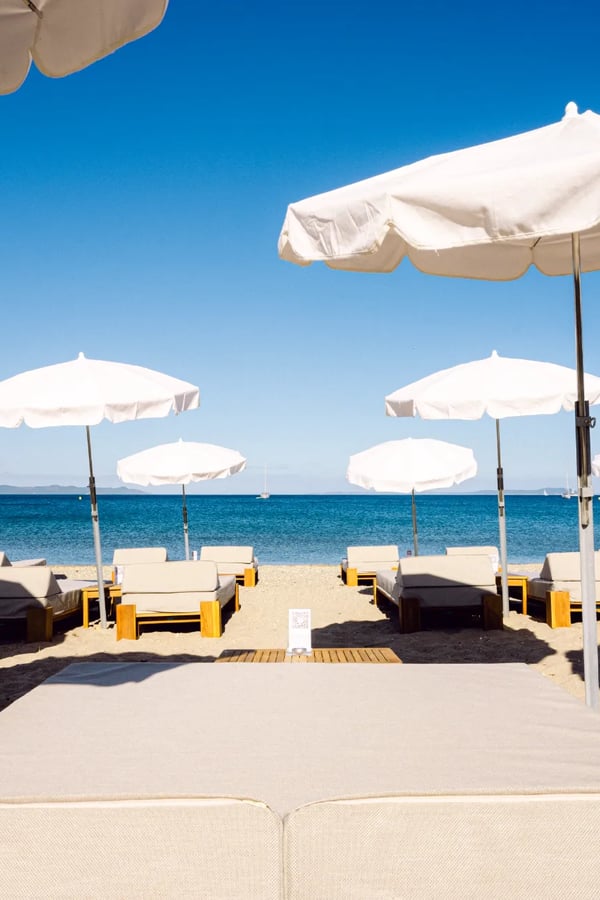
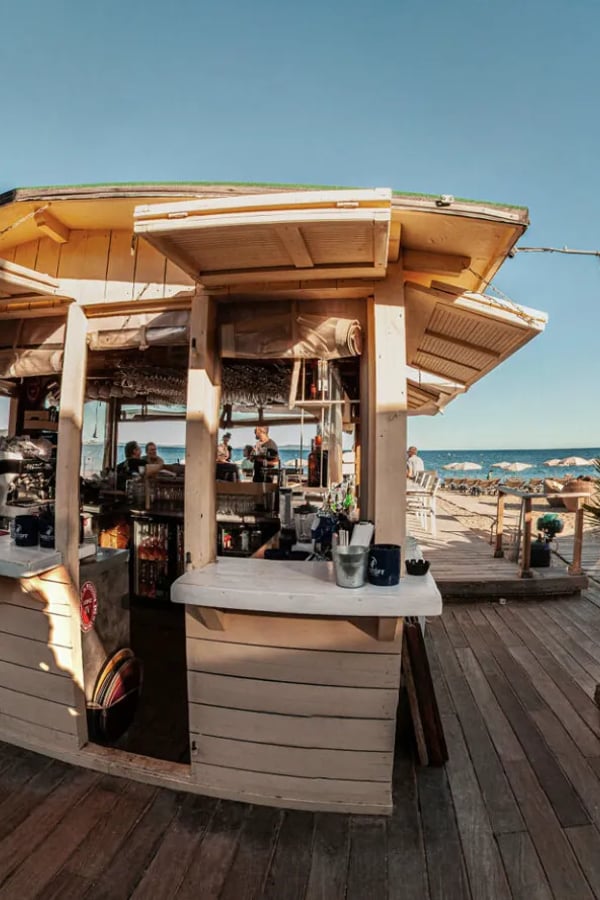
No Riviera holiday is complete without a day at the water's edge. Browse and book at the finest beach clubs near your villa today.
Explore activities nearby
Our hand-picked selection of the best experiences near your villa.
Discover Provence with us
Our magazine encourages you to truly live and breathe the essence of the region. From secret villages to culinary treasures, experience Provence authentically with us.
Unique properties for sale
Whether you have holidayed with us previously or are simply looking for a new home or profitable project to undertake, we can unearth unique and often off-the-radar properties which are perfect for you.