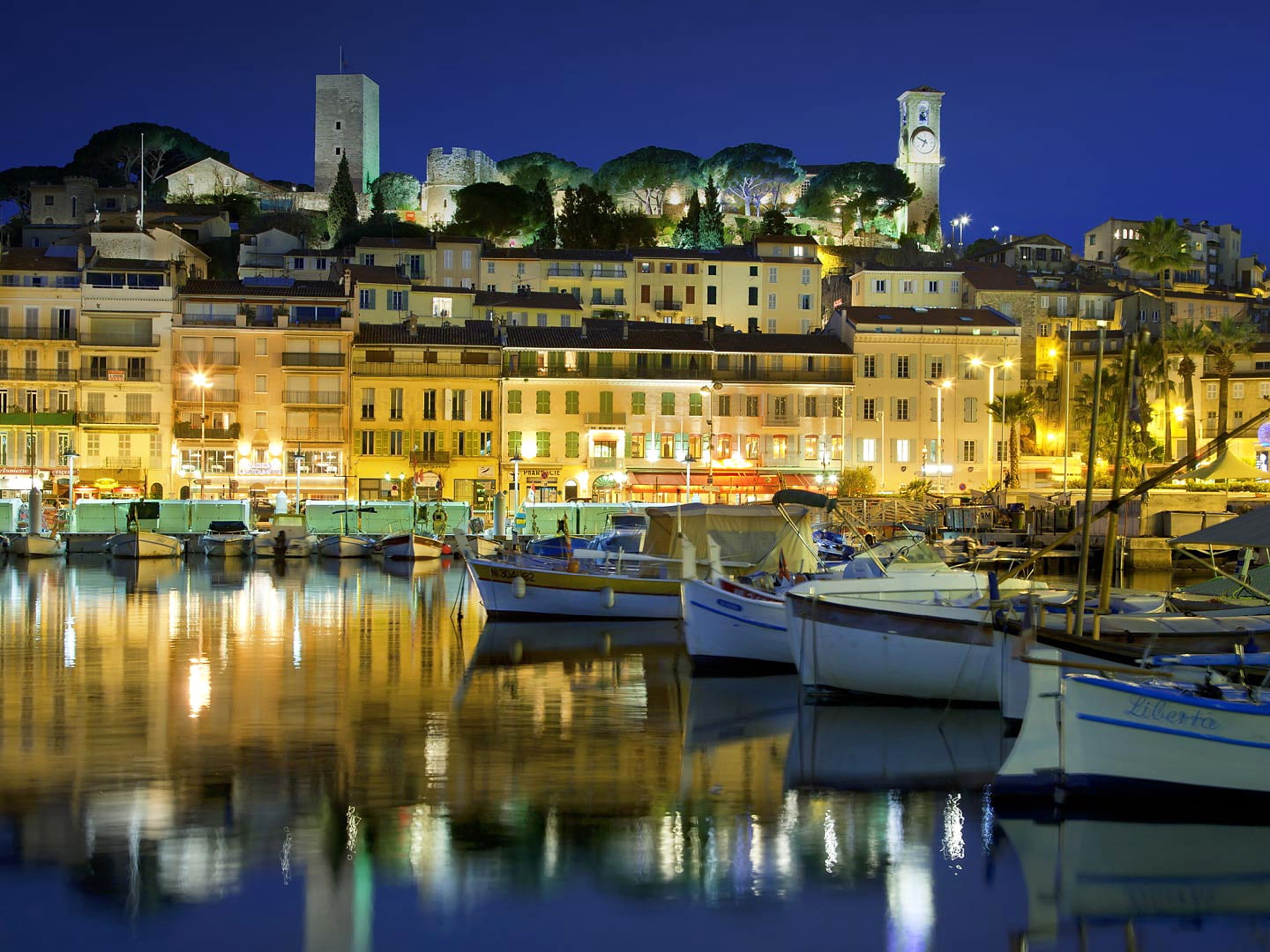
What makes this city special?
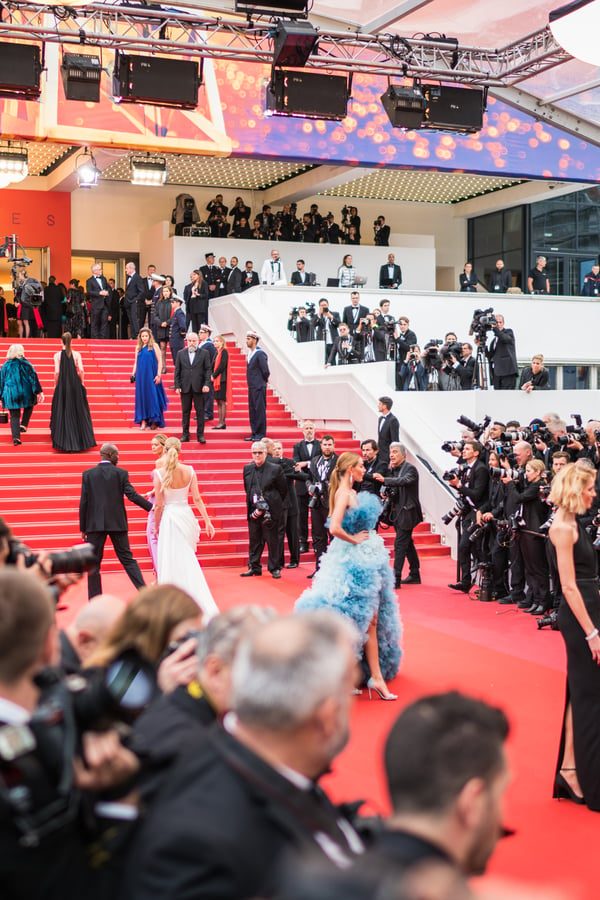
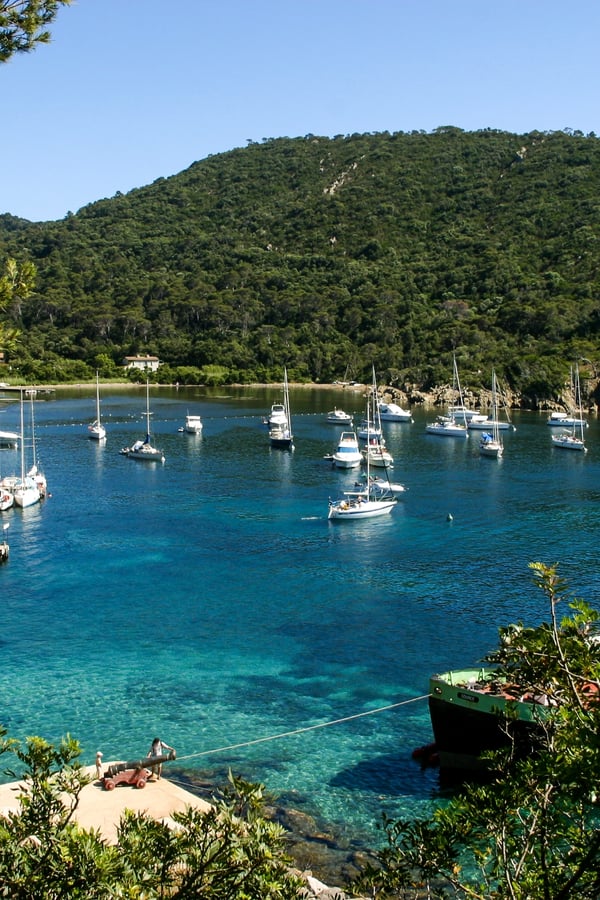
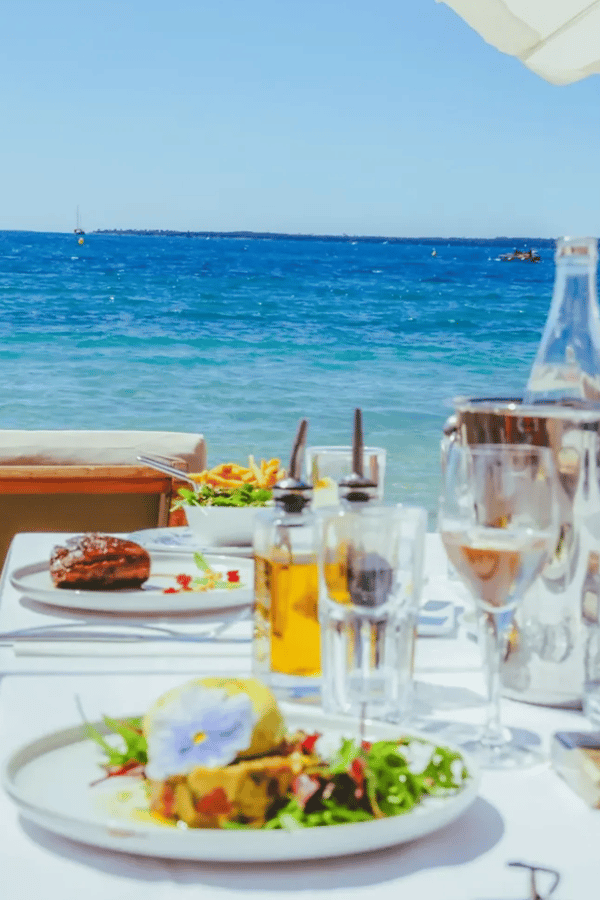
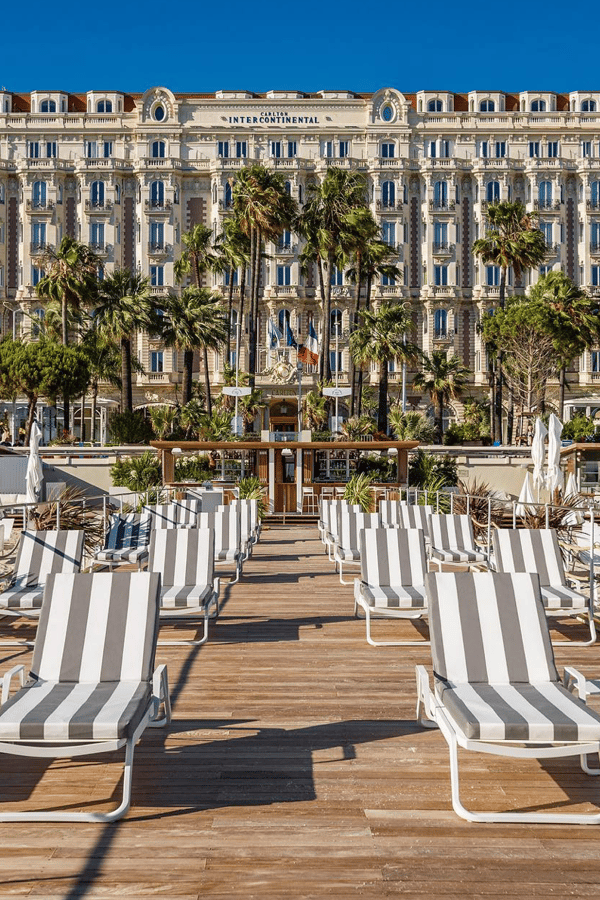
The Croisette is the obvious starting point, and it deserves its reputation. The promenade runs for about two kilometres along the Bay of Cannes, flanked by the grand palace hotels - the Martinez, the Carlton, the Majestic - and the private beach clubs that define the Cannes beach experience. In high summer the clubs are busy and the atmosphere is charged; in May, during the Film Festival, the whole boulevard becomes a slightly surreal spectacle worth observing at least once. Le Suquet, the old town rising above the port on the western side of the bay, is a different Cannes entirely. The climb through narrow streets to the Musée de la Castre at the top rewards with views across the bay and the Lérins islands. The covered market at the Marché Forville, at the foot of Le Suquet, is one of the finest in the south of France - open every morning except Monday, at its best in the early hours when the fishmongers are unpacking. The Lérins islands - Sainte-Marguerite and Saint-Honorat - are the most underused asset in Cannes. The boat from the old port takes 15 minutes. Sainte-Marguerite has pine forests, walking paths, a fort where the Man in the Iron Mask was imprisoned and several good restaurants. Saint-Honorat is smaller, quieter and occupied by a working Cistercian monastery whose monks produce wine and liqueurs available for tasting.
What is our favourite thing about Cannes?
Our favourite thing about Cannes is the Marché Forville on a Tuesday morning in June, when the stalls extend beyond the covered building and into the surrounding streets, and the quality of what is on offer gives you a very clear sense of what the south of France is actually for. It is also, for a short window in the morning, entirely free of the Film Festival crowd, which is a gift in its own right.
Where to stay in Cannes
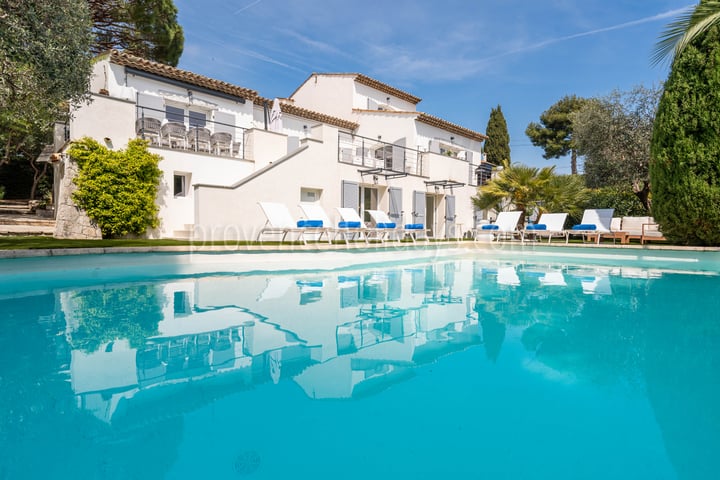
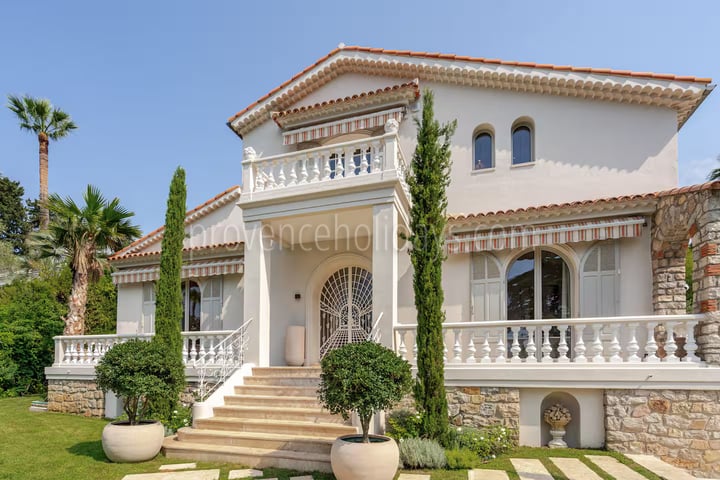
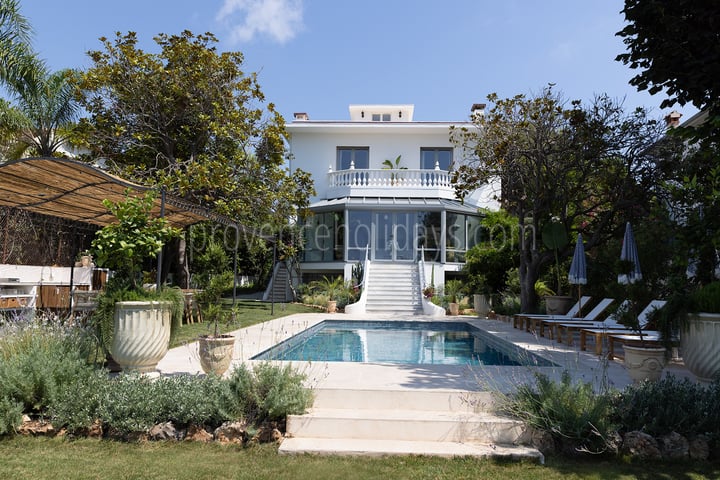
Discover our selection of properties in Cannes
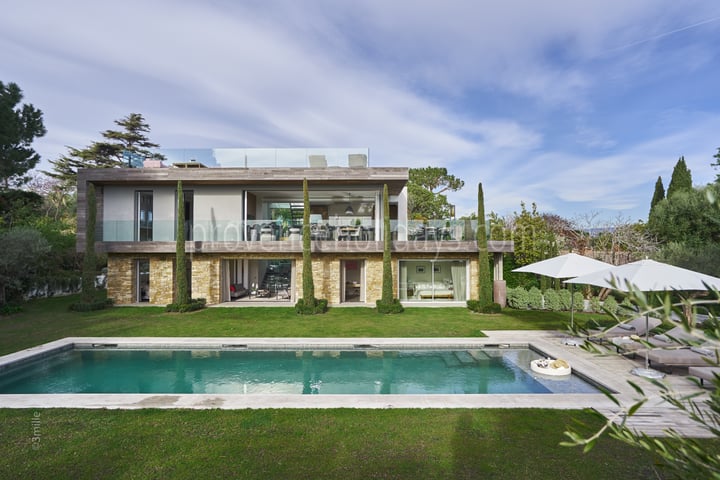
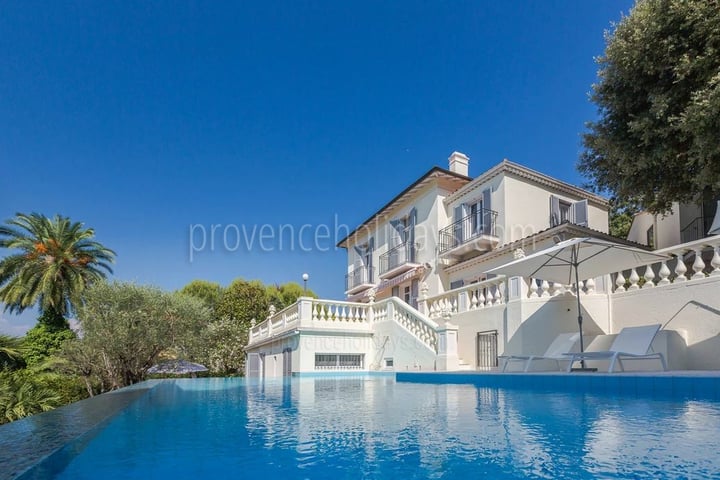
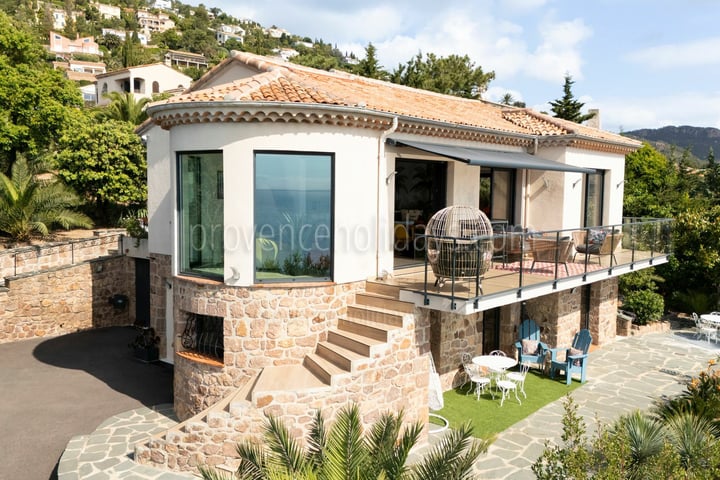
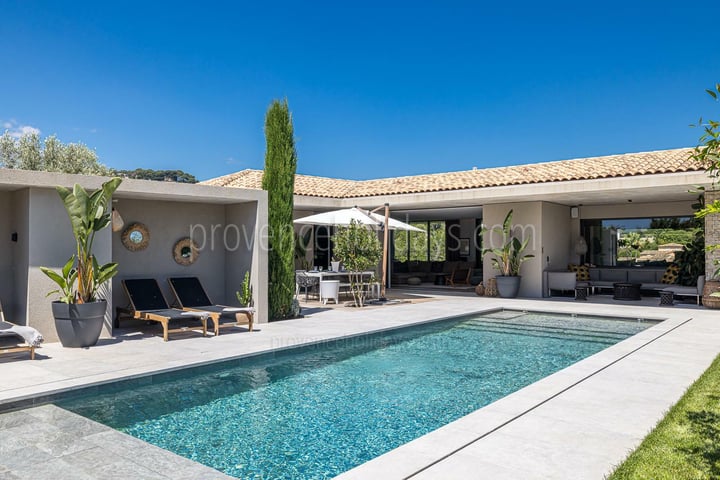
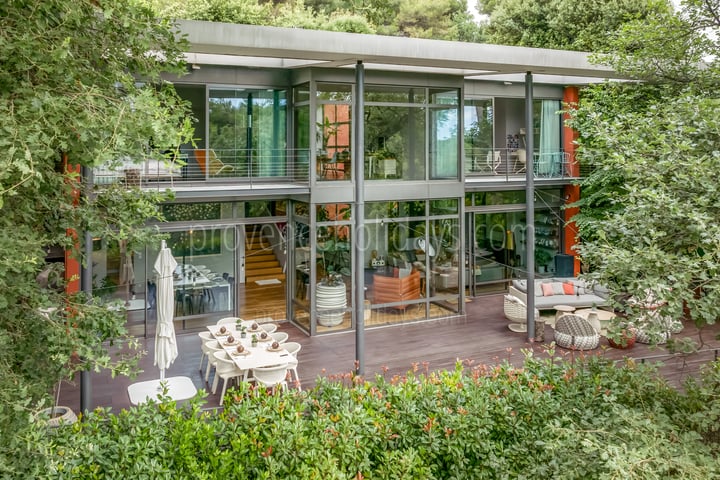
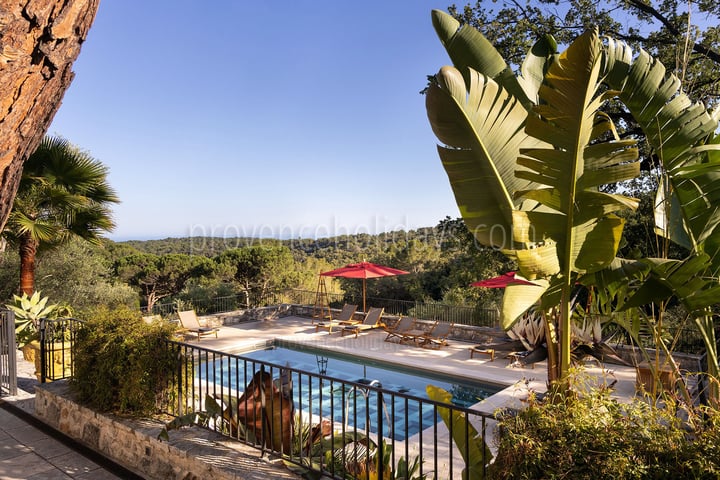
We pair exclusive holiday homes with completely tailored experiences
Our concierge service redefines luxury holidays, enhancing every stay, family holiday, or special occasion. Once you have confirmed your booking, you will be assigned a dedicated concierge who will arrange every detail, ensuring a memorable holiday from start to finish.

Food & Wine

Nature & Outdoors

Art & Culture
Entertainment
Sport & Wellness
Getting to Cannes
Practical information
Nice Côte d'Azur Airport (NCE) is around 30km east - approximately 30-40 minutes by car or taxi depending on traffic. Cannes train station is on the main Nice-Marseille TGV and regional line; Nice takes around 30 minutes, Marseille around 2 hours. By car from Nice take the A8 (exit Cannes/Mougins) - around 30-40 minutes. From Marseille, the A8 takes around 2 hours. Parking in Cannes in summer is difficult; the Palais des Festivals car park and the Parking Laubeuf near the market are the most central options.
By rail - the most reliable option
Cannes station is well served by both TGV and regional trains. From Nice, regional trains run roughly every 20-30 minutes and take around 30 minutes. Paris to Cannes by TGV takes around 5 hours 30 minutes with a change at Marseille or Lyon. The station is about 10 minutes' walk from the Croisette and the beach clubs. A taxi from the station to the seafront takes around 5 minutes.
By road from the west along the Corniche
From the Var and Marseille direction, the A8 autoroute (exit Cannes-Mougins or Cannes-Ouest) is the fastest option - around 2 hours from Marseille. The alternative approach via the Corniche de l'Estérel from Saint-Raphaël adds around 20-30 minutes but is considerably more scenic, following the red cliffs above the sea before arriving in Cannes from the direction of Mandelieu.
Useful information about Cannes
History and architecture
Cannes was a small fishing village until 1834, when Lord Brougham was stranded here by a cholera quarantine and, charmed by the climate, built a villa and returned every winter for 34 years - effectively launching the town as a destination for the British aristocracy. The Film Festival, established in 1946, gave the city a second international identity.
Cultural attractions
The Film Festival in May is the most famous cultural event. The Musée de la Castre has an eclectic collection of antiquities alongside Provençal art. The Villa Domergue, a Belle Époque property, opens to the public during festival season. The Marché Forville is a daily cultural institution.
Natural beauty
The Lérins islands are the most significant natural asset - accessible by boat with pine forest, walking trails and excellent swimming. The Bay of Cannes provides a sheltered setting for the beach clubs. The Estérel massif to the west is within easy reach for more rugged terrain.
Reserve your beach club
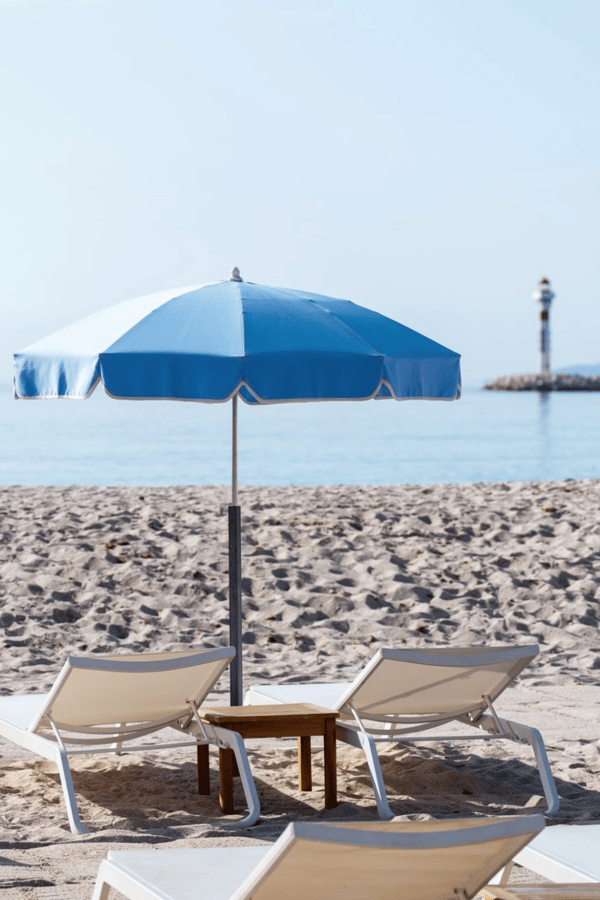
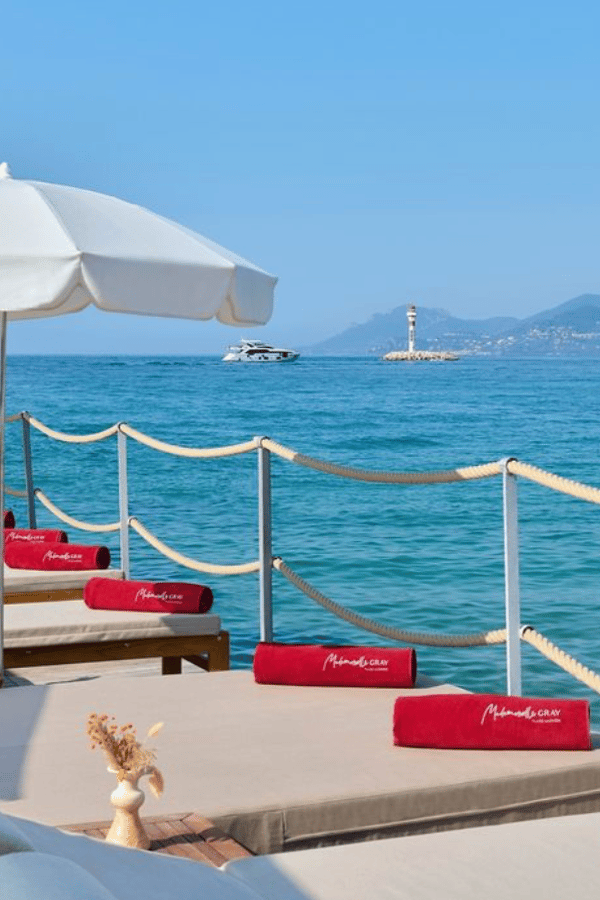
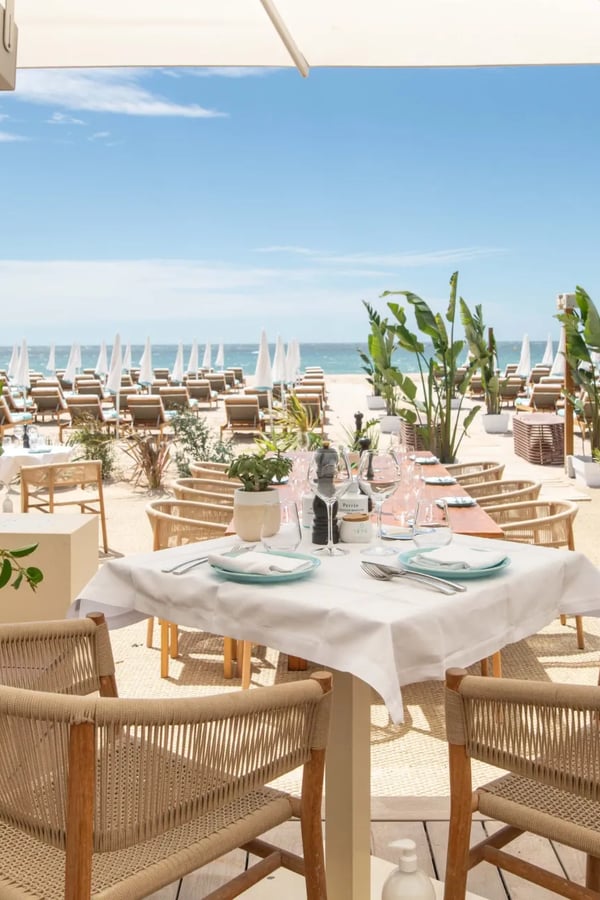
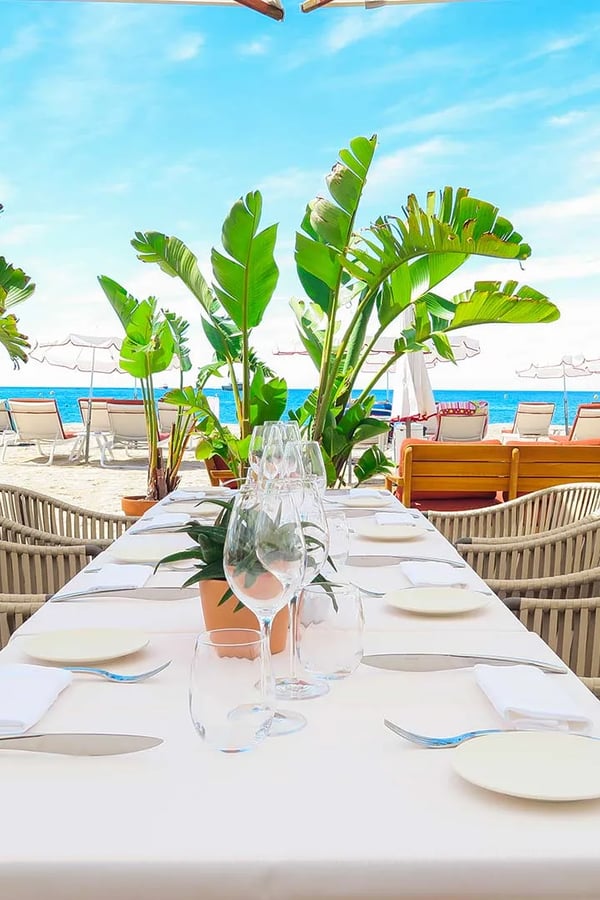
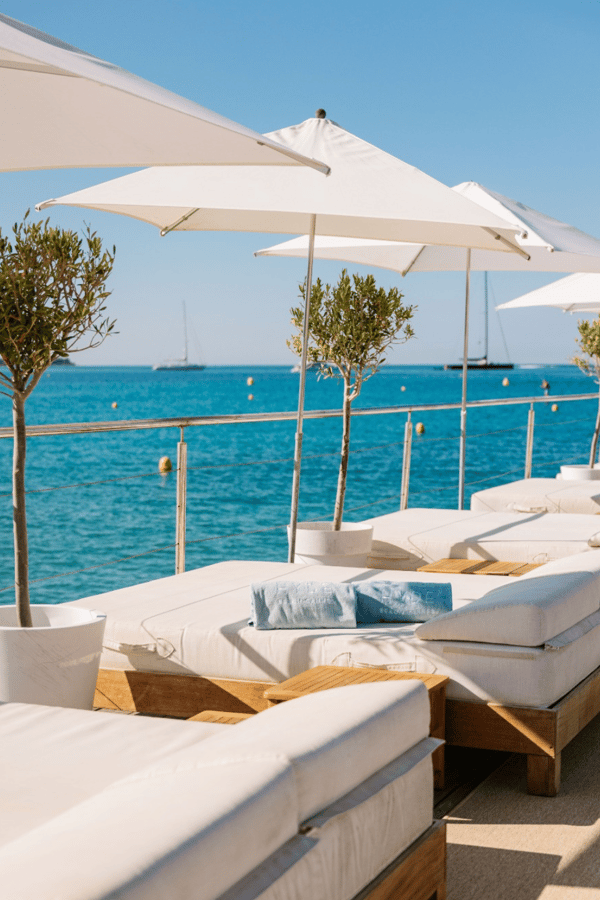
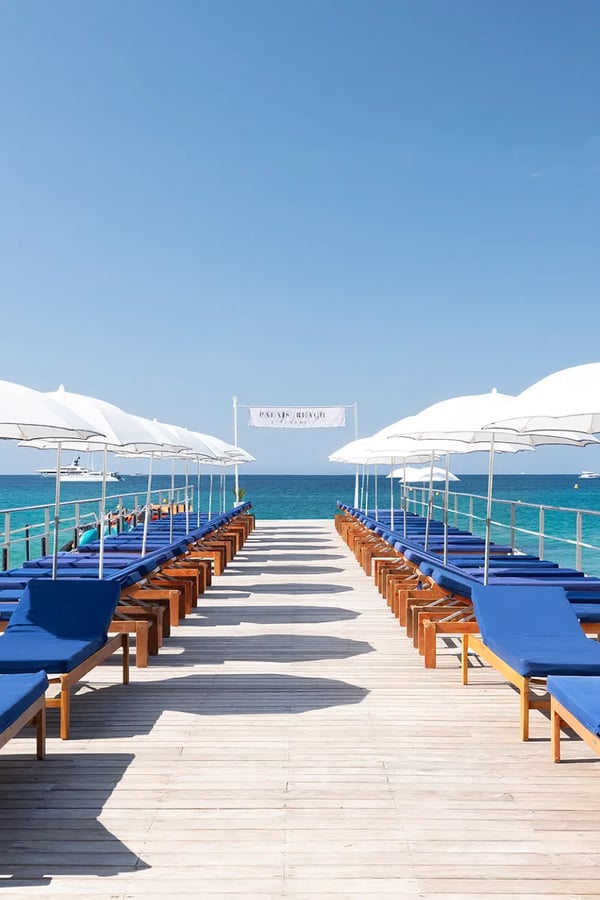
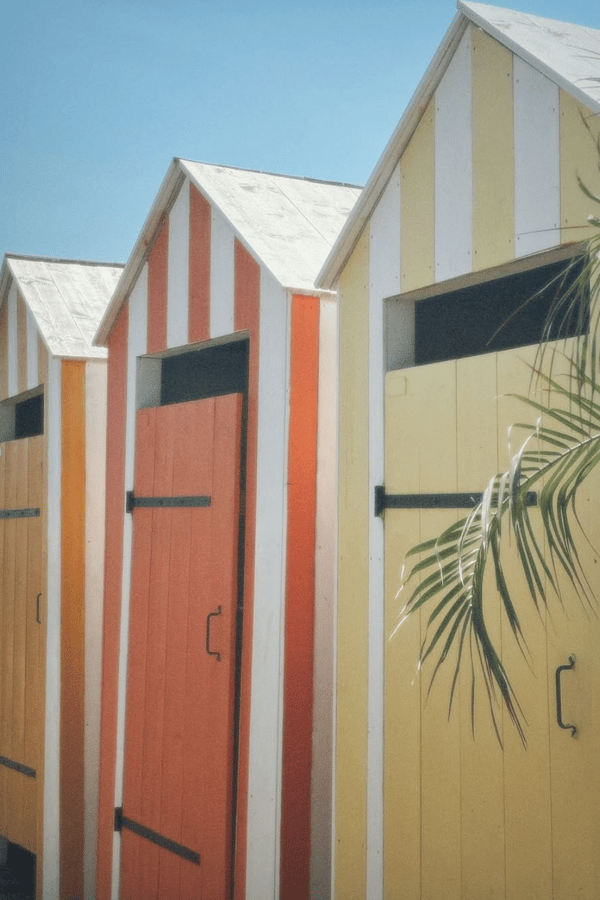
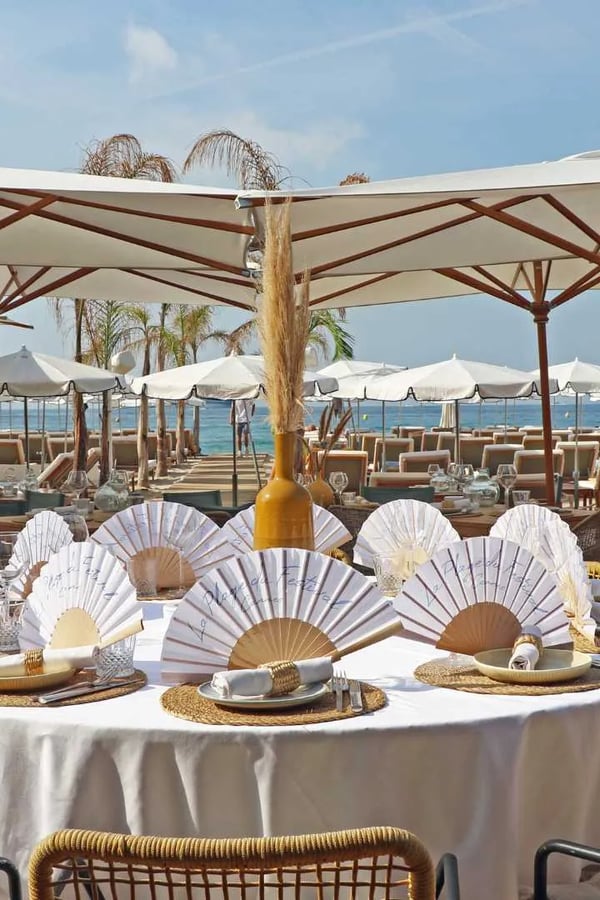
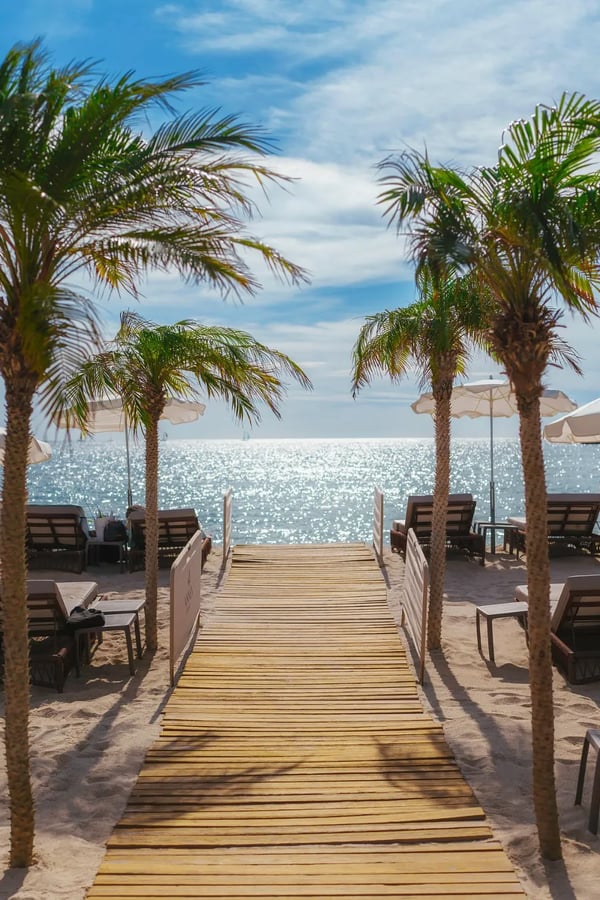
No Riviera holiday is complete without a day at the water's edge. Browse and book at the finest beach clubs near your villa today.
Explore activities nearby
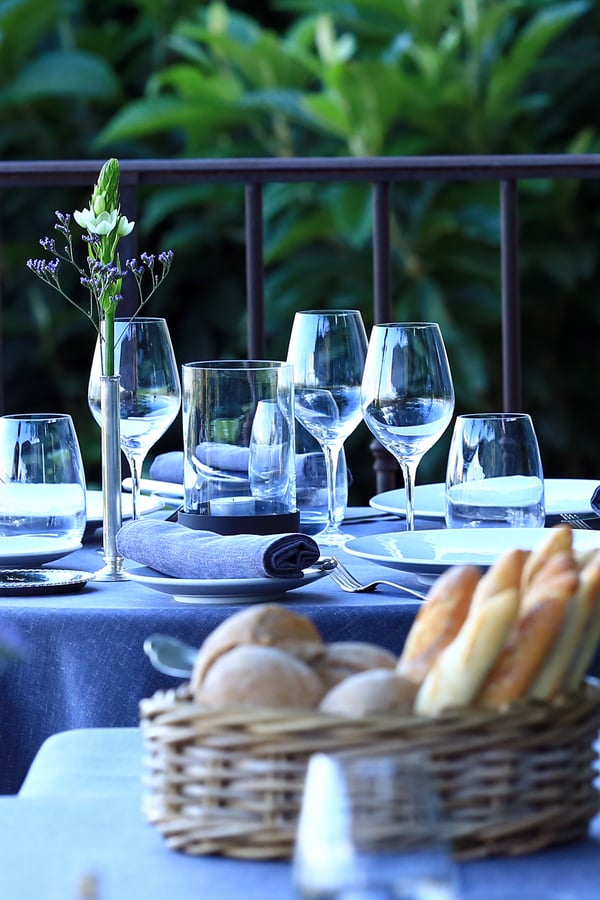
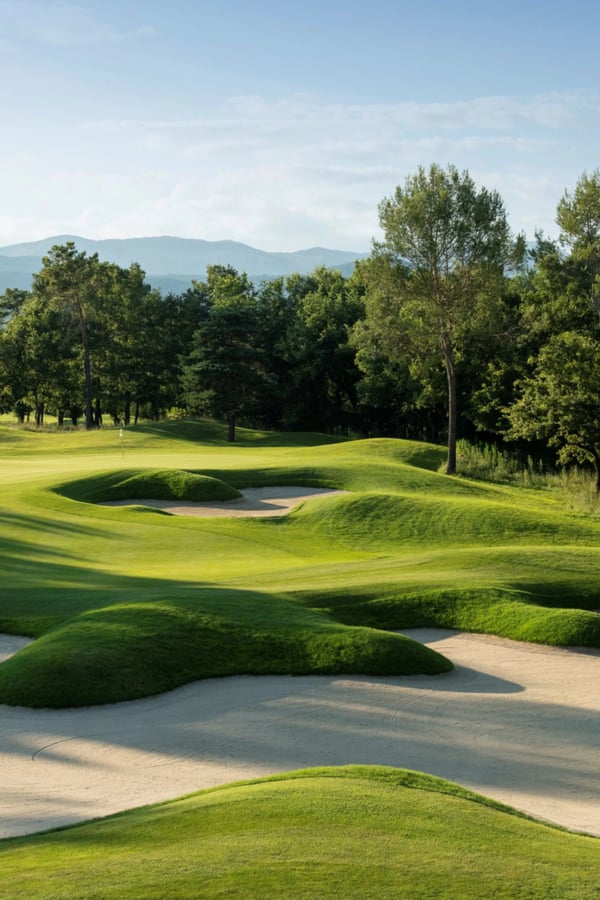
Our hand-picked selection of the best experiences near your villa.
Discover Provence with us
Our magazine encourages you to truly live and breathe the essence of the region. From secret villages to culinary treasures, experience Provence authentically with us.