Some wine experiences begin with a tasting list or a fixed itinerary. This one began with a conversation and a shared belief that wine is best understood through people, place, and time spent together.
Pierre and Boris offer wine-led experiences in Provence that are shaped by landscape, nature, and the people behind each vineyard. Their focus is not on prestige or labels, but on moving slowly through the countryside, spending time in the vines, and meeting producers whose work reflects the region. Pierre grew up in Avignon with a deep attachment to his local vineyards. After broad studies in economics, he specialised in international wine commerce and wine tourism at the University of Avignon. His professional experience spans respected estates in Châteauneuf-du-Pape and the Luberon. A four-month Atlantic sailing trip later became a turning point, where the idea formed to create wine experiences that feel accessible, grounded, and genuinely local. Boris followed a more academic path through Burgundy and Bordeaux, completing a thesis in wine tourism. Provence came later, but its estates and producers left a lasting impression. When he met Pierre, their shared instinct was clear. Both were driven to highlight producers who work carefully, speak honestly, and remain closely tied to their land.


Why these regions matter
The Luberon, the Alpilles, and Châteauneuf-du-Pape were chosen not for convenience but for what they represent. These landscapes tell different stories through their soils, villages, and wines. Châteauneuf-du-Pape may be internationally recognised, yet it still shelters small producers working quietly and thoughtfully. The Luberon offers freshness and balance, while the Alpilles carry a more mineral expression shaped by stone, olive groves, and exposure. The aim is not to rush through estates but to slow the pace. Time is given to conversations with winemakers, to understanding why choices are made in the vineyard and cellar, and to placing each wine within its wider cultural setting.
Understanding the wines through place
Each region brings a distinct profile. In the Luberon, wines tend to be approachable and fruit-led, with reds showing restraint, rosés remaining light and aromatic, and whites offering freshness that suits warmer months. The Alpilles produce wines with more structure, where reds carry depth, whites show aromatic complexity, and rosés remain precise rather than overpowering. Châteauneuf-du-Pape stands apart for its concentration and complexity, particularly in its reds, while its lesser-known whites offer elegance and depth that surprise many visitors.
These differences are explained not through technical lectures but through tasting, comparison, and discussion. Guests are encouraged to trust their impressions rather than search for correct answers.
From grape varieties to the glass
Grenache, Syrah, and Mourvèdre form the backbone of many southern Rhône wines, supported by Cinsault, Carignan, and a range of white varieties including Roussanne, Clairette, Bourboulenc, and Vermentino. In Châteauneuf-du-Pape, the permitted blend expands further, allowing up to thirteen grape varieties in reds and six in whites. Rather than listing them mechanically, these grapes are introduced in context, through what they contribute to aroma, texture, and ageing potential.
What to expect with this wine experience with Pierre and Boris
This is a bespoke wine experience designed around your interests, pace, and time in Provence. Each itinerary is shaped in advance, taking into account your level of wine knowledge, preferred regions, and how you would like to move through the landscape, whether by bike or vehicle. Visits are arranged with carefully selected producers, allowing time for conversation, tasting, and context rather than rushed stops. The experience can be adapted for couples, small groups, or families, with routes, timings, and focus adjusted to suit your requirements, ensuring a day that feels personal, considered, and closely connected to the region.
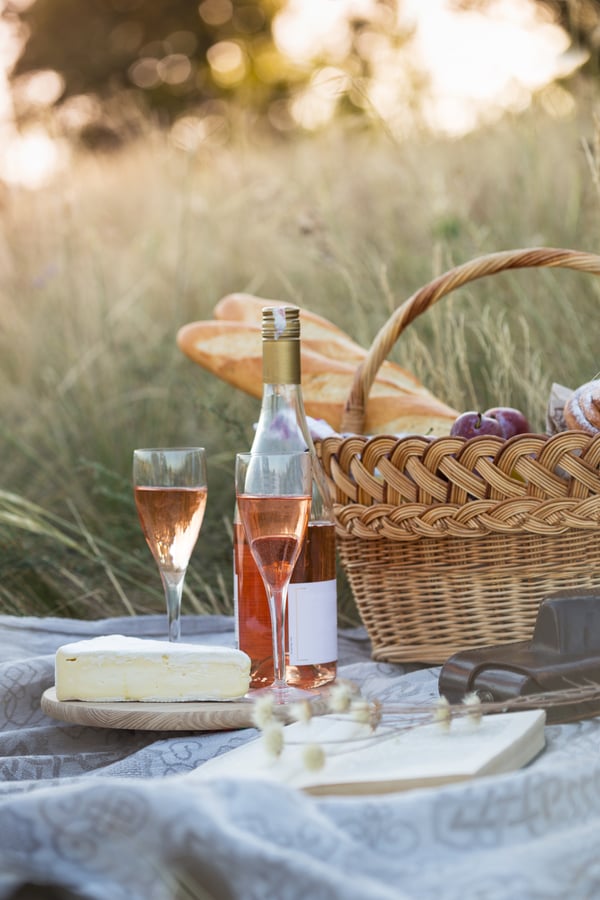
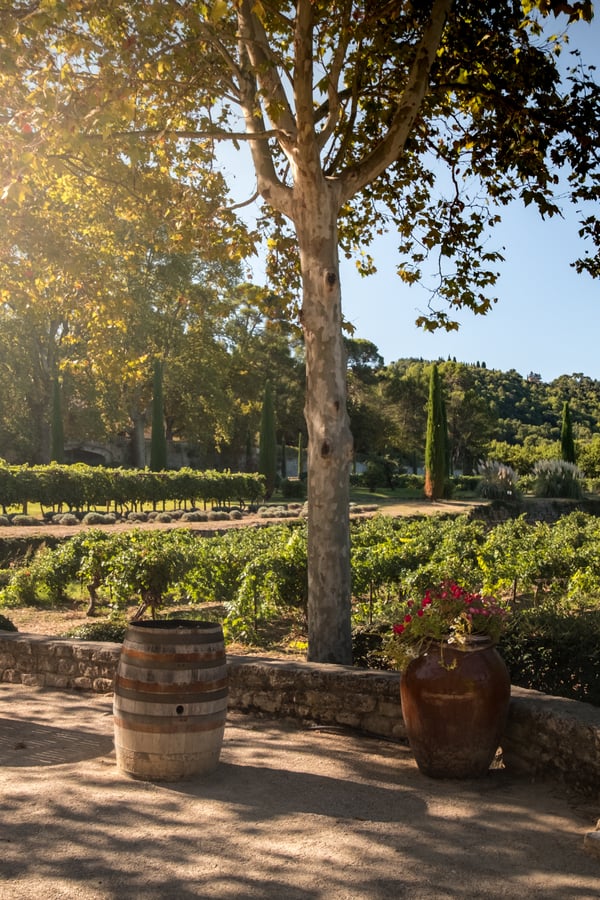
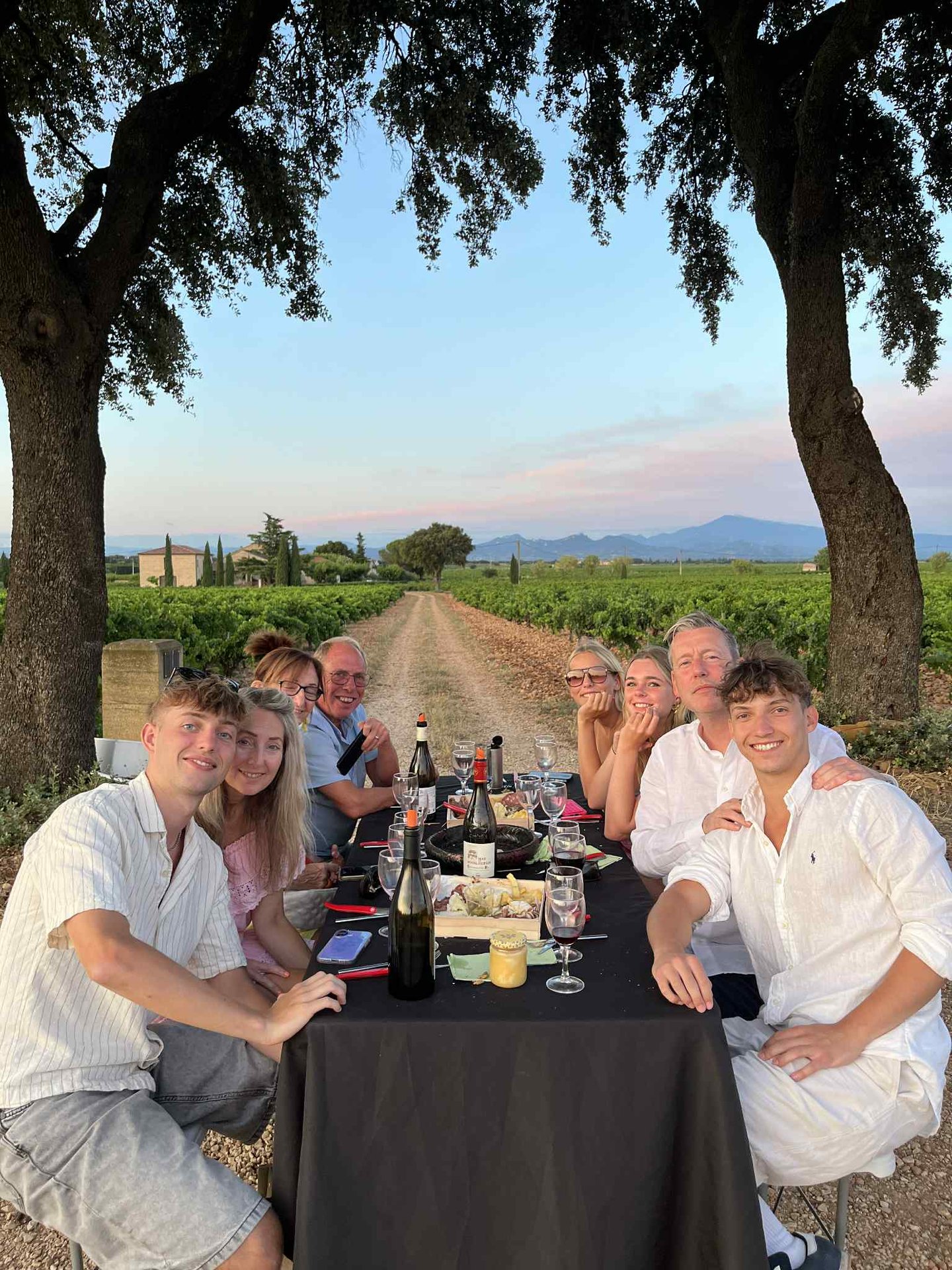
This experience covers a day and typically combines vineyard walks, cellar visits, guided tastings, and shared meals. Some experiences include simple sensory workshops, aroma exercises, or relaxed food and wine pairings using local produce. Others end with informal moments such as a sunset apéritif in the vines or a game of pétanque between tastings. The atmosphere remains conversational rather than instructional, allowing guests to engage at their own pace.
Visiting throughout the year
Each season offers a different perspective. Spring reveals the vine’s early growth and the start of its annual cycle. Summer shows the grapes forming and ripening under Provençal light. Autumn brings harvest activity and a direct connection between fruit and wine. Winter offers calm, quieter cellar visits, and time for discussion away from peak tourism. No season is treated as secondary.
Advice for those new to wine
The guidance is simple. Taste widely, ask questions, and trust your own preferences. Wine appreciation is personal, and confidence develops naturally through experience rather than rules. Structured guidance helps, but enjoyment remains the priority.
Wine, food and the wider landscape
Pairings are discussed as suggestions rather than prescriptions. Luberon wines often suit vegetable dishes, grilled fish, and fresh cheeses. Alpilles wines match heartier Mediterranean cooking and aged cheeses. Châteauneuf-du-Pape wines lend themselves to richer dishes, sauces, and refined preparations. Guests are encouraged to treat these ideas as starting points rather than fixed rules.
Beyond wine, cultural context plays a key role. Ochre landscapes around Roussillon, Roman ruins near Saint-Rémy-de-Provence, historic stone quarries, and the galets roulés of Châteauneuf-du-Pape all help explain why these wines taste the way they do. History, geography, and agriculture remain closely linked.
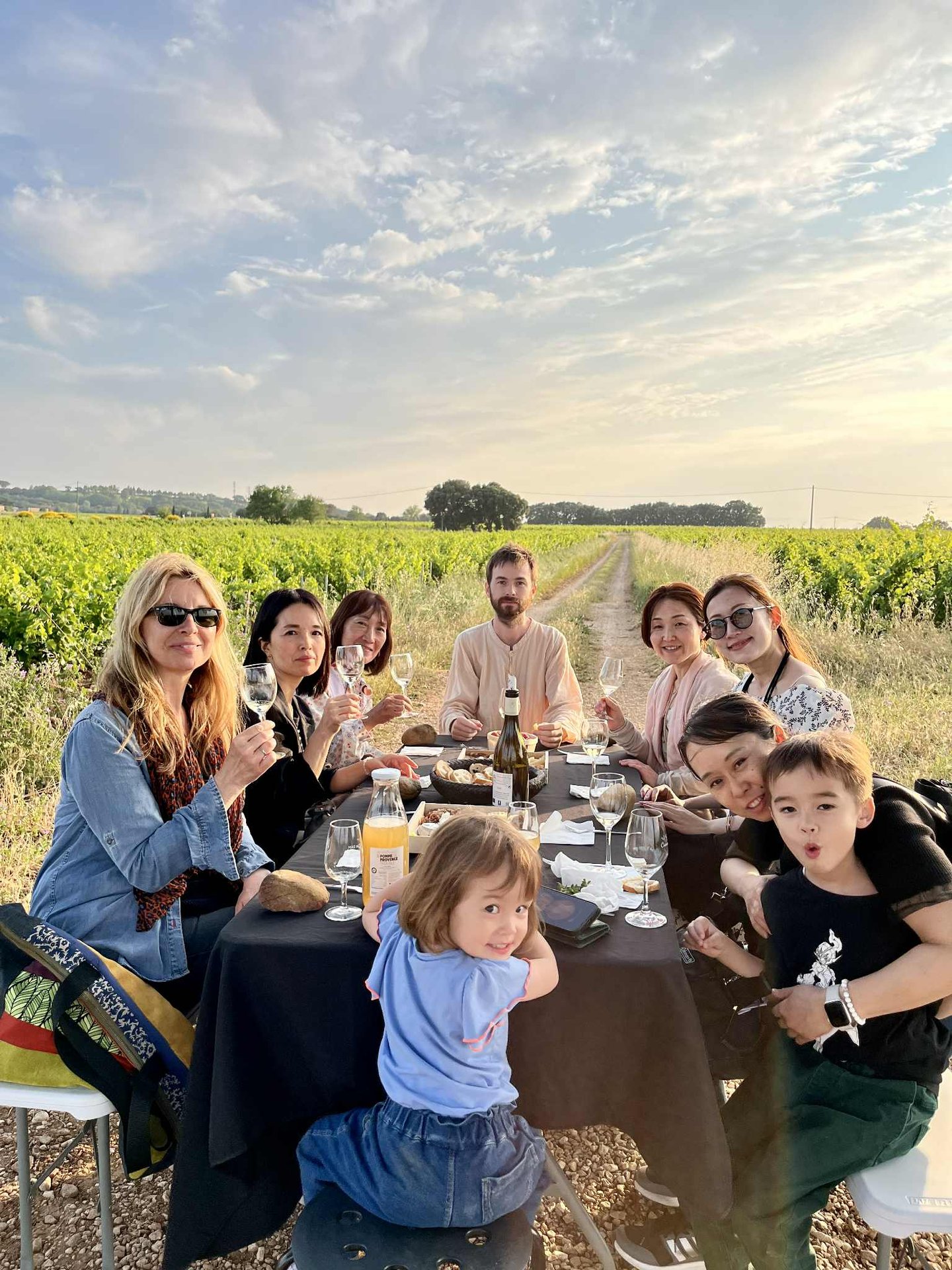


Not every memory centres on tasting notes. One group extended an eight-hour tour into the early hours of the morning, finishing with music and shared bottles back at their accommodation. Another group approached wine with the enthusiasm of vodka shots, prompting laughter and a gentle lesson in slowing down. These moments underline that wine tourism is as much about people as it is about product. Wine, in this context, becomes a way of opening conversations and creating shared experiences rooted in place rather than performance.
À bientôt,