Uzes sits just across the regional border in the Gard, an hour from the Luberon and a world apart from the busier Provence tourist circuit. Its medieval arcades, excellent Saturday market and summer concert season in the Duche courtyard make it one of the most rewarding August day trips on offer.


The first duchy of France
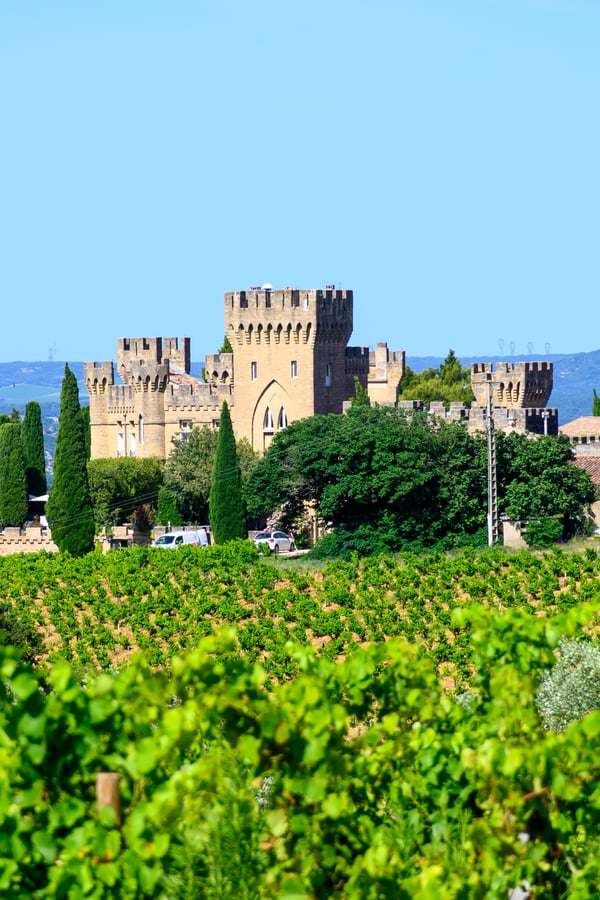
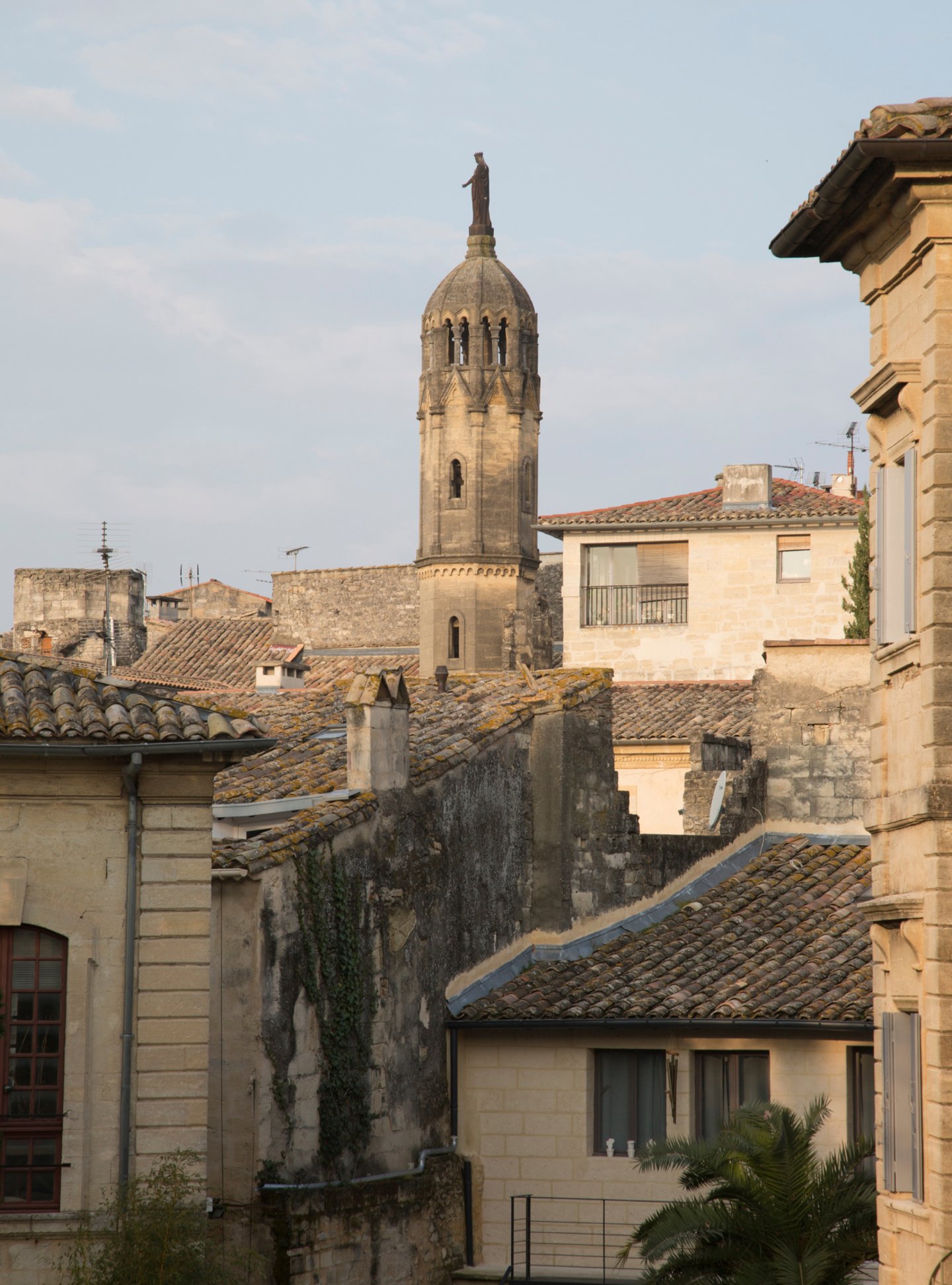
Uzes carries an unusual distinction for a market town of its size: it holds the oldest surviving duchy in France. The Duchy of Uzes was created in 1565, and the Crussol d'Uzes family has maintained an unbroken connection to the title and the town since the medieval period. The ducal chateau, known as the Duche, remains in private hands and is open to visitors, its towers visible from most of the old town.
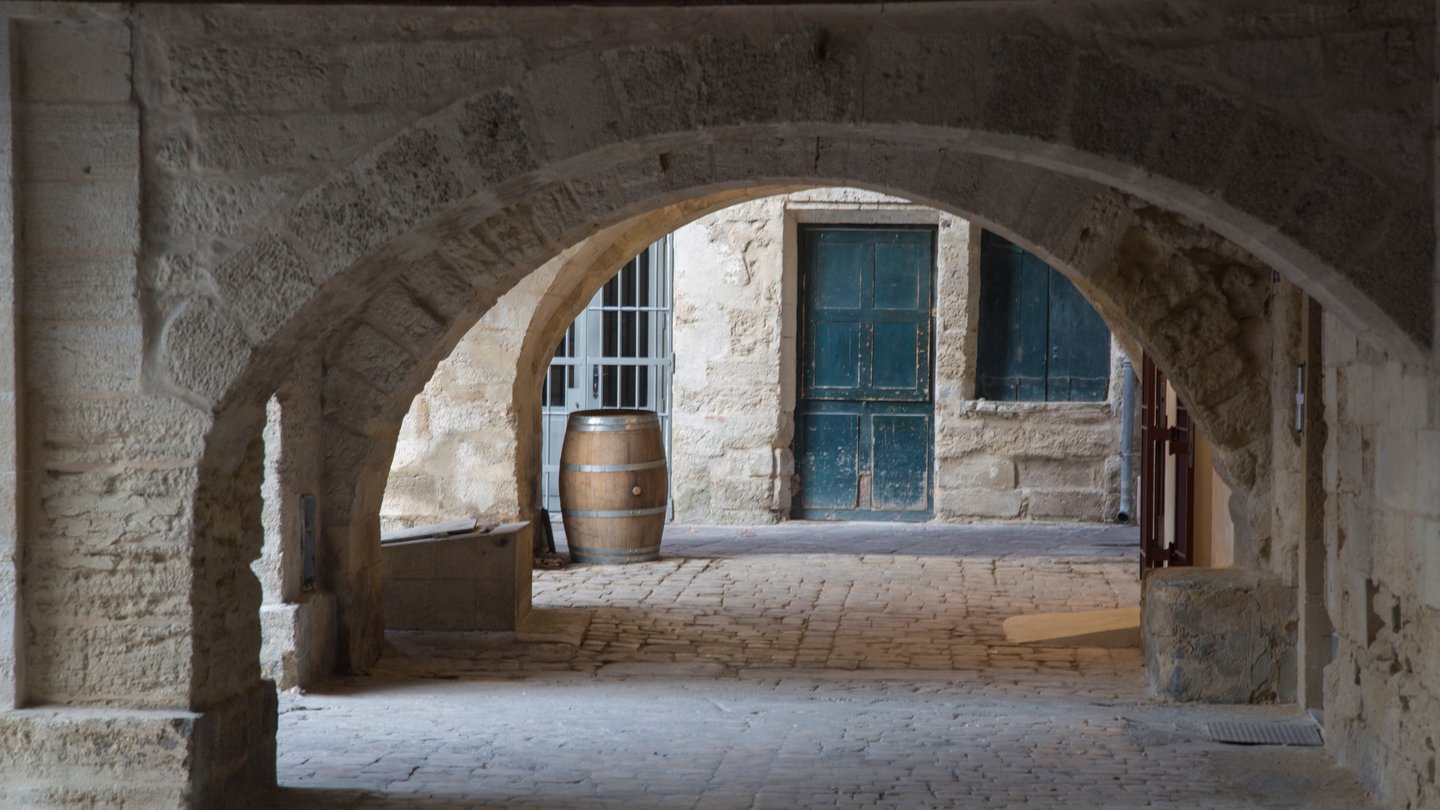
The town's architecture reflects this noble history. The medieval street plan is largely intact, with the Place aux Herbes at its centre: an arcaded square of considerable elegance, lined with plane trees and surrounded by seventeenth and eighteenth-century buildings on all sides. The arcades provide shade even in August, which makes walking through the town considerably more comfortable than many Provencal village centres built without this consideration. On a hot August afternoon, Uzes has a quiet, self-possessed atmosphere that comes from having good bones: streets designed for shade, stone that stays cool, and a rhythm that has not been entirely reconfigured around tourism.
In August here: the Saturday market and evening concerts
August is an excellent month to visit Uzes, partly because of its medieval shade and partly because the town's summer programme is at its liveliest. The Saturday morning market is the main event: one of the most highly regarded in the region, it covers the Place aux Herbes and the surrounding streets from around 8am until 1pm with a wide range of local producers and regional specialists. Honey from the Cevennes garrigue, wines from the Duche d'Uzes AOC, olive oil, goat's cheese, fresh herbs and seasonal produce from the Gard and Vaucluse departments fill the stalls, alongside a significant textile and craftwork presence: weavers, potters and jewellery makers all contribute to a market that feels genuinely complete rather than assembled for tourists.
The combination of the arcaded square and the market is at its most photogenic in the morning when the plane tree light filters down through the canopy onto the stalls below. Arriving by 9am gives you the best of both the produce and the atmosphere before the square fills completely. By midday, the covered arcades of the Place aux Herbes offer the kind of cool shade that makes lingering over a coffee entirely reasonable even in the August heat.
The summer concert programme in Uzes runs through July and August, with events in the Duche courtyard that range from classical and baroque music to jazz and contemporary performance. The courtyard, enclosed by the chateau's medieval and Renaissance walls, is one of the best outdoor performance spaces in the Languedoc, and the acoustic quality is notable. Tickets for the most popular evenings sell out in advance: check the Uzes summer events calendar when planning your visit and book early. For those staying nearby, a Wednesday visit offers a different experience: the smaller Wednesday market is more focused on food and local produce, considerably quieter than Saturday, and more practical for mid-week provisioning.
The Duche and the towers
The Duche d'Uzes is the most significant building in the town and dates from the eleventh century, with additions and modifications made through to the eighteenth. The towers, the Tour Bermonde, the Tour de l'Eveque and the Renaissance facade, each represent a different period and give the exterior an unusually varied silhouette for a building of this type.
Guided tours of the interior run throughout the day and cover the private apartments, the chapel and the various period rooms. The view from the Tour Bermonde across the old town and surrounding countryside is one of the better elevated views in this part of the Gard, particularly in the direction of the Rhone valley to the east.
Getting there
Uzes is about one hour from a Luberon base and around fifty minutes from the Alpilles. It sits just across the Gard departmental border, which means it is outside the main Provence tourist circuit and feels slightly apart from the rhythm of Luberon or Alpilles village life: a quality that makes the day trip feel like a genuine change of scene. The town has several car parks on its approach roads. The old centre is pedestrianised and easy to navigate on foot. Avoid Saturday afternoon arrival if you are driving, as the post-market traffic on the approach roads can be slow.
The Pont du Gard
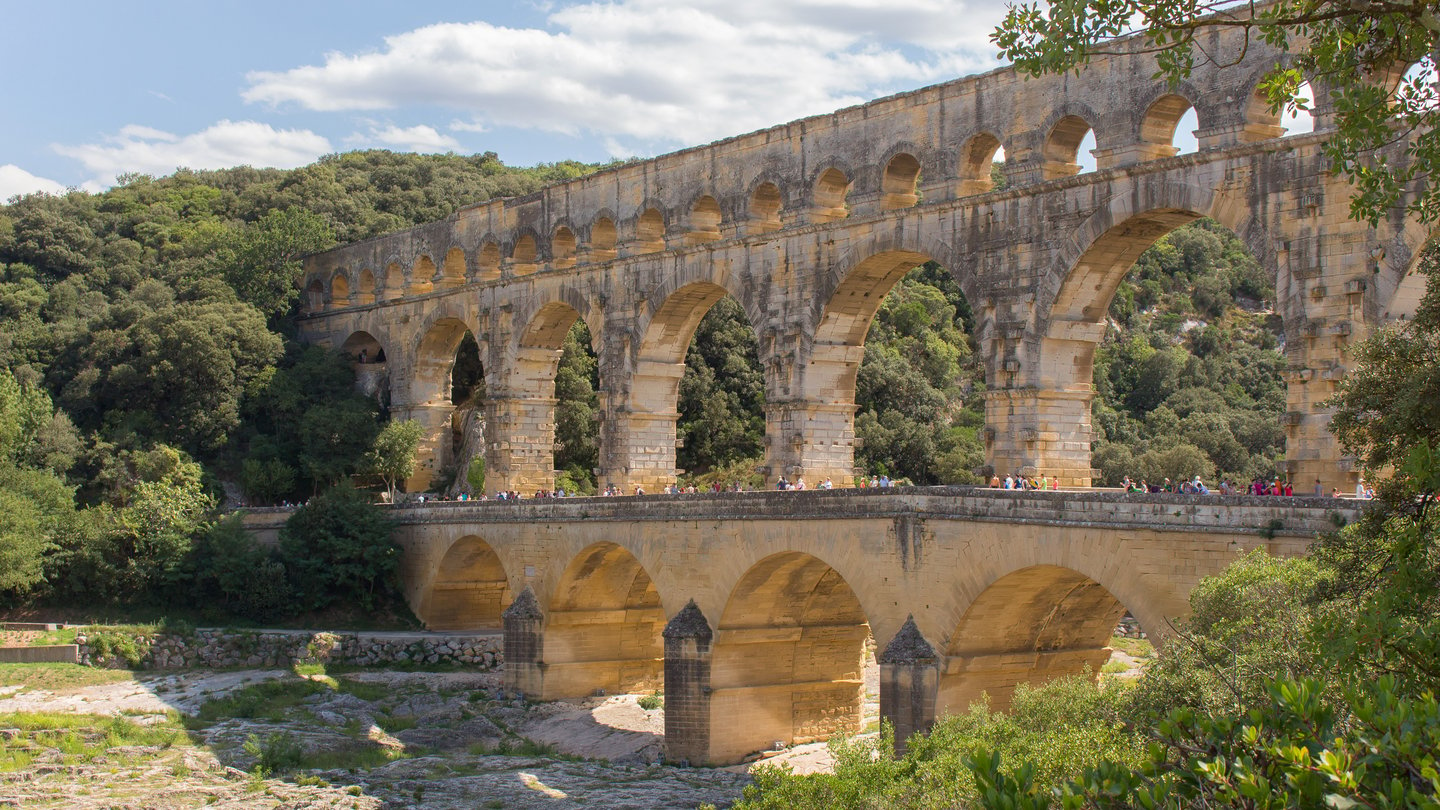
The Pont du Gard, the Roman aqueduct bridge that is one of the most complete surviving examples of Roman engineering in Europe, is about twenty minutes south-west of Uzes by car. The two sites pair naturally together on a day trip, with the Pont du Gard visited in the morning before the heat peaks, and Uzes in the late morning and lunchtime when the market is at its best.
The aqueduct itself carried water from a spring near Uzes all the way to Nimes: a distance of around fifty kilometres. The Uzes end of the original Roman aqueduct route can be walked in sections, and several marked trails follow the line of the ancient channel through the garrigue scrubland north of the Pont du Gard. Pairing the two sites in a single day gives a sense of Uzes's historical significance that goes well beyond the market town it appears to be at first glance.
In August, visiting the Pont du Gard before 10am is strongly recommended: the site opens early, the light on the stone is at its most dramatic in the first hour of morning, and the crowds that arrive later in the day have not yet assembled. The river below the bridge is a popular swimming spot, and on August weekends it becomes genuinely busy by midday.
A surprising connection to sweets
Uzes has an unexpected claim on French confectionery history: it is the birthplace of the Haribo company's French operations. The Haribo factory at Uzes is one of the largest in Europe and offers a museum and shop that is predictably popular with families. The Haribo Museum is on the outskirts of town and runs guided visits explaining the production process. It is not typical Provence, but for families who have spent a week visiting villages and markets, it tends to be a very welcome change of pace.