Perfume is more than a luxury in Provence. It is truly part of the region’s identity. From ancient rituals to lavender plains and the fields of Grasse, fragrance has always been woven into daily life here.
To walk through Provence in spring or summer is to understand why it became the world capital of perfumery. But how did this land of flowers and sunlight earn such a title? The story stretches from antiquity to UNESCO recognition, and it is still alive today. In this article, we trace the story of perfume in Provence from its earliest beginnings to its golden age in Grasse, exploring the traditions that earned UNESCO recognition for their cultural importance. Along the way, we highlight the most fascinating places to visit - from flower fields and lavender distilleries to museums and historic perfume houses - so that you can see, smell, and experience this living heritage for yourself.
Perfume in antiquity and the Middle Ages
The roots of perfumery in Provence reach back to the Greeks and Romans, who introduced aromatic plants to the Mediterranean coast. Lavender, rosemary, myrtle, sage, and thyme grew abundantly on the limestone hills and were quickly cultivated for use in rituals, medicine, and personal care. Oils infused with these herbs were used in baths, burned in temples, and applied to textiles. During the Middle Ages, monasteries in Provence became custodians of botanical knowledge. Monks in places such as Sénanque Abbey cultivated herb gardens filled with lavender and aromatic plants, using them for both healing and fragrance. These religious gardens laid the foundations of a culture that valued the medicinal and sensory power of plants.
Grasse and the rise of perfumed gloves
The decisive chapter began in the Renaissance with the town of Grasse. Known for its leather tanning, Grasse produced gloves for noble families across Europe. Yet the smell of tanned hides was far from appealing. The solution was to scent the gloves with orange blossom, lavender, and imported spices. These perfumed gloves became a fashion statement at the French court, especially under Catherine de’ Medici in the sixteenth century. As demand for fine fragrance grew, glove makers gradually shifted their skills. By the eighteenth century, the trade of “glovers–perfumers” had evolved into perfume making alone. Grasse’s future was sealed from a leather town it transformed into the centre of perfumery.
Provence’s geography gave it a decisive advantage. The hills and valleys around Grasse offered a unique microclimate: warm sunshine, sheltered slopes, and fertile soils. This allowed the cultivation of delicate flowers that could not thrive elsewhere. The Centifolia rose, or May rose, with its fleeting four-week bloom each spring, became one of the most precious ingredients. Jasmine, introduced from India, flourished in the mild summers. Tuberose, violets, mimosa, and bitter orange blossom followed, creating a patchwork of colour and scent across the countryside. By the nineteenth century, thousands of hectares around Grasse were dedicated to flowers for perfume. Families specialised in growing one crop, passing knowledge down for generations. Every blossom was picked by hand - around seven thousand jasmine flowers were needed for just one kilogram of raw material. These delicate harvests were then distilled or extracted into the oils and absolutes that perfumers would transform into fragrances.
Innovation and global recognition for perfume in Provence
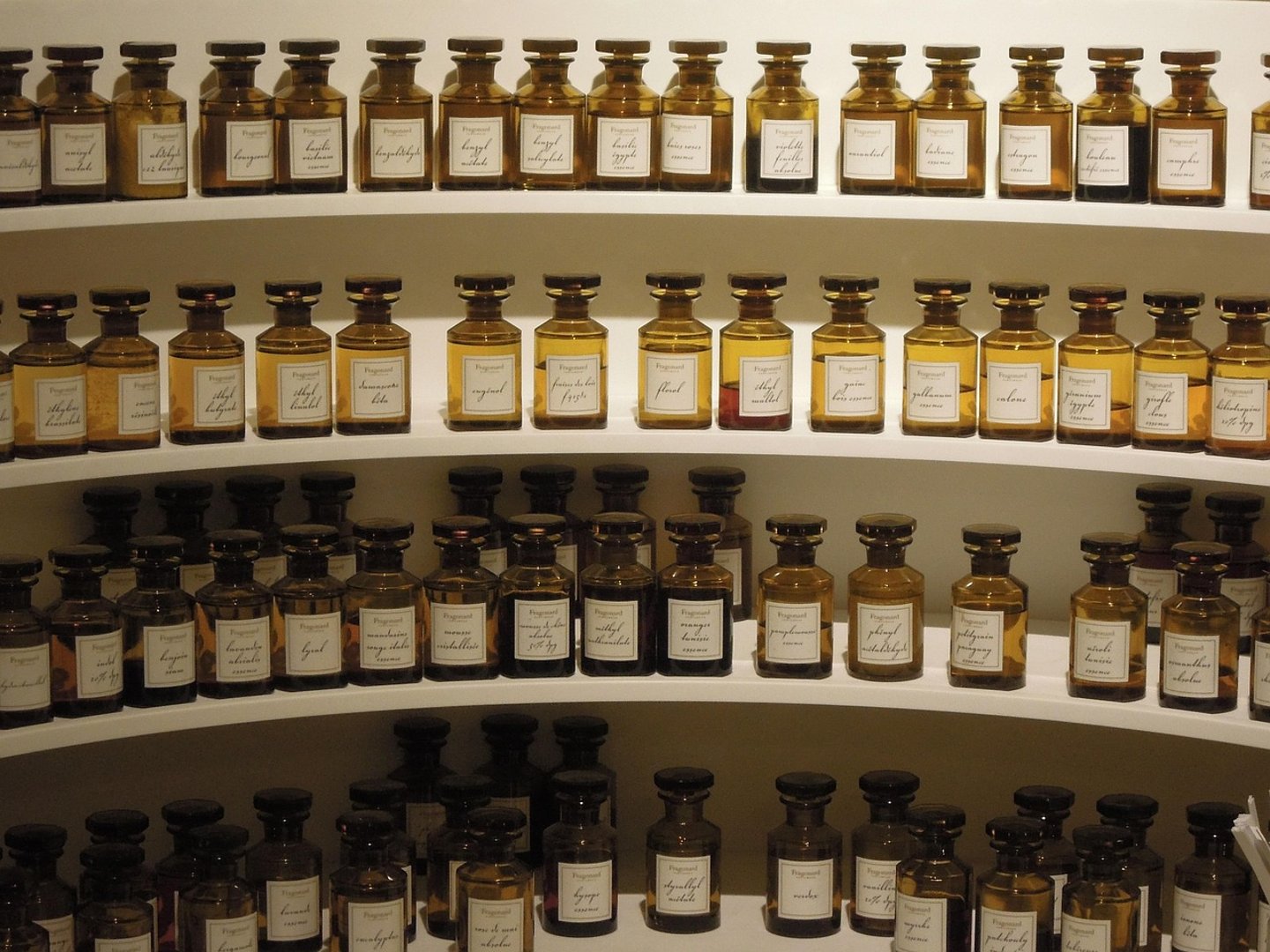
The nineteenth and twentieth centuries saw Grasse expand from flower fields to industrial-scale perfumery. Advances in chemistry meant natural extracts could be blended with new synthetic molecules, broadening the perfumer’s palette. It was during this period that major perfume houses were founded in Grasse. Fragonard (1926), Molinard (1849), and Galimard (1747) established reputations that endure today. Each played a role in exporting Grasse’s expertise worldwide, while also creating their own perfumes. Luxury brands from Paris and beyond quickly recognised the quality of Grasse’s raw materials. In 1987, Chanel secured its supply of Centifolia rose and jasmine by partnering with the Mul family of growers, a collaboration that continues today. Dior and Louis Vuitton followed with their own sourcing agreements, ensuring the preservation of traditional cultivation methods.
In 2018, UNESCO recognised “the skills related to perfume in Pays de Grasse” as Intangible Cultural Heritage of Humanity. This distinction honoured centuries of craftsmanship - from flower cultivation to extraction, distillation, and the artistry of the “noses”, the master perfumers with the ability to recall and combine hundreds of scents. This recognition also sparked a revival. Younger growers are returning to the land, ensuring jasmine, rose, violet, and lavender fields continue to flourish. The emphasis today is not only on heritage but also sustainability. Many domaines cultivate organically, protecting fragile ecosystems while preserving the savoir-faire of Provence.
Where to explore perfume in Provence today
Perfume in Provence is not confined to history books, it is something you can experience. Here are some of the most rewarding places to discover the story for yourself.
International Perfume Museum, Grasse
An essential starting point. This museum traces perfume from ancient Egypt and Rome to modern haute parfumerie. Its botanical gardens outside Grasse showcase living collections of perfume plants, giving visitors a sensory introduction to the raw materials.
The great perfume houses
Fragonard, Molinard, and Galimard still open their doors in Grasse. Guided tours explain traditional distillation, the creation of “concretes” and “absolutes”, and the artistry of blending notes. Visitors can also take part in workshops to create a personal fragrance.
Flower fields and domaines
The flower fields remain the beating heart of Provençal perfume. Domaine de Manon, still family-run, cultivates jasmine and May roses that are supplied exclusively to Dior. The terraced gardens of Peymeinade at Domaine du Mas de l’Olivine combine flower growing with artisanal sweets and workshops. Each spring and summer, these fields come alive with the delicate work of hand-picking blossoms.
Tourrettes-sur-Loup
Known as the “City of Violets”, this perched village celebrates its floral heritage with an annual violet festival and a museum dedicated to the flower. It is one of the few places in Provence where violets are still cultivated for perfumery.
Lavender distilleries of Haute-Provence
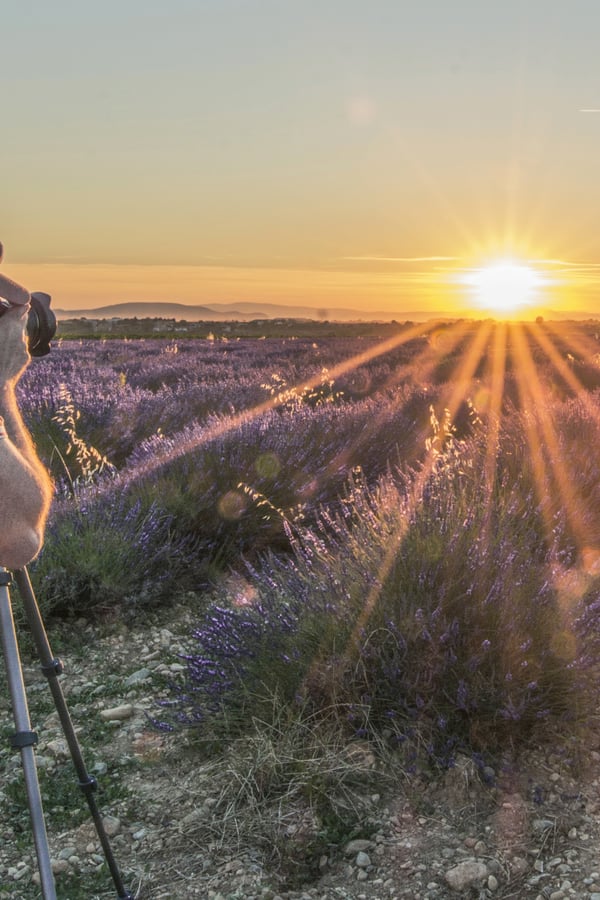
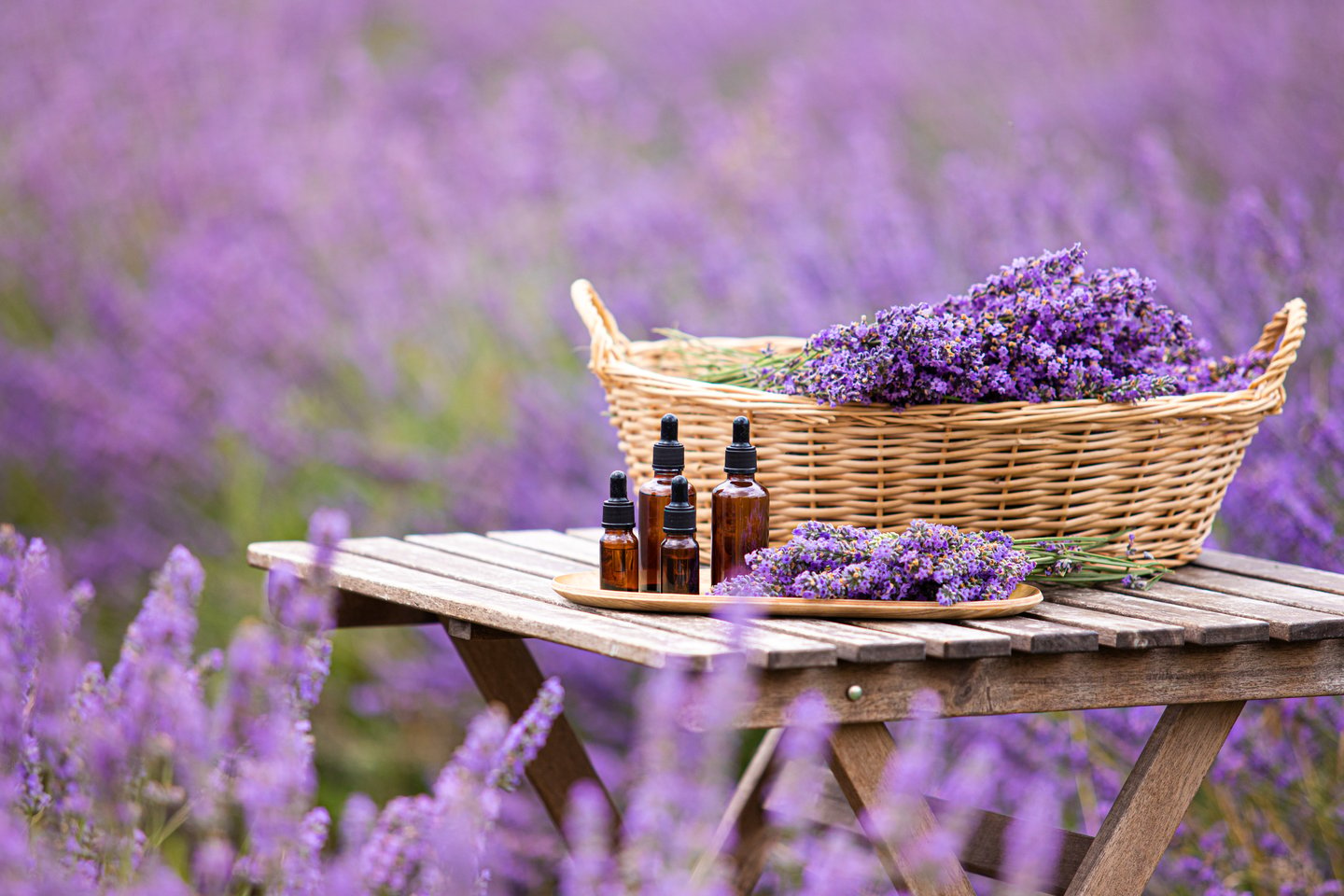
Beyond Grasse, lavender remains Provence’s most iconic scent. Around Sault, Valensole, and Forcalquier, distilleries open their doors to visitors in July and August, demonstrating the steam distillation that transforms bunches of lavender into essential oil.
Perfume in Provence is both ancient and modern. It draws on Roman herb gardens and medieval monastic knowledge, yet it also powers global luxury brands today. Walking through the May rose fields at dawn or inhaling lavender oil fresh from the stills connects visitors to centuries of tradition. Perfume here is not simply a product. It is the expression of a land where flowers, climate, and craftsmanship meet. The story continues to evolve, and with it, Provence’s reputation as the world’s most fragrant region endures.
À bientôt,
The Provence Holidays Team