Lavender may steal the summer headlines, but the Luberon's tournesols are worth a detour of their own. Here is how to find the plateau's best sunflower fields and make a full morning of it.
The other crop nobody talks about
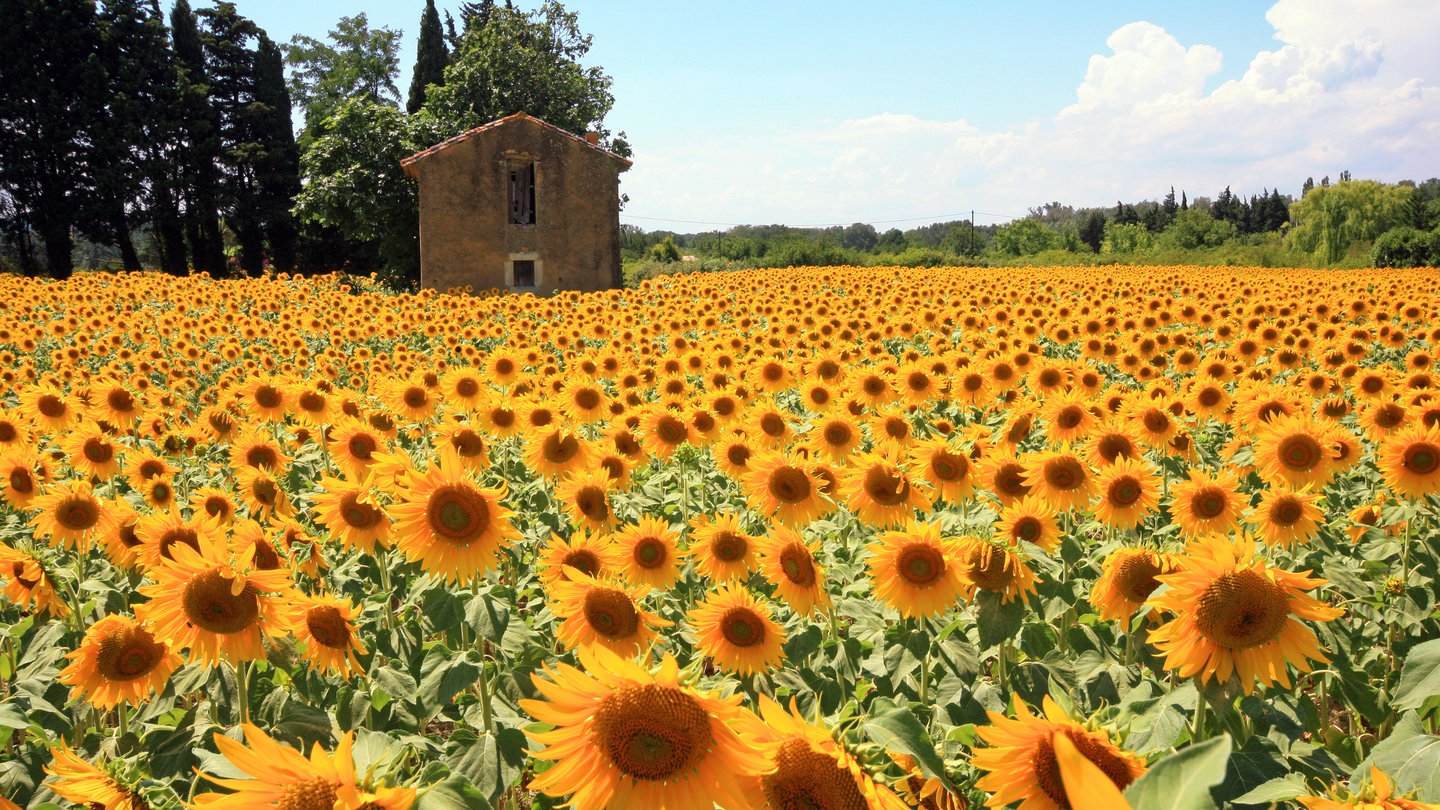
By the time most visitors have tracked down the lavender fields and taken their photographs, the sunflowers have already begun their own quiet takeover of the Luberon plateau. Tournesols, as they are called here, are not planted for the tourists. They are a commercial crop, grown primarily for oil production, and that indifference to the visitor's gaze is precisely what makes them worth seeking out.
The fields typically reach their peak between mid-July and mid-August, depending on altitude and the season's rainfall. At this height, the plateau above Bonnieux sits between 400 and 500 metres, the heat arrives later and lingers longer, which means the blooms hold well into August when the lower valleys have already turned golden-brown.
What most people do not realise is that the Luberon has been growing sunflowers commercially since the early twentieth century. The Vaucluse is one of France's principal sunflower-oil producing regions, and the plateau farms rotate between wheat, lavender, spelts and tournesols in a cycle that means the landscape looks different depending not just on the season, but the year. You cannot plan for a specific field to be in flower: you have to go and find it.
Where to find them
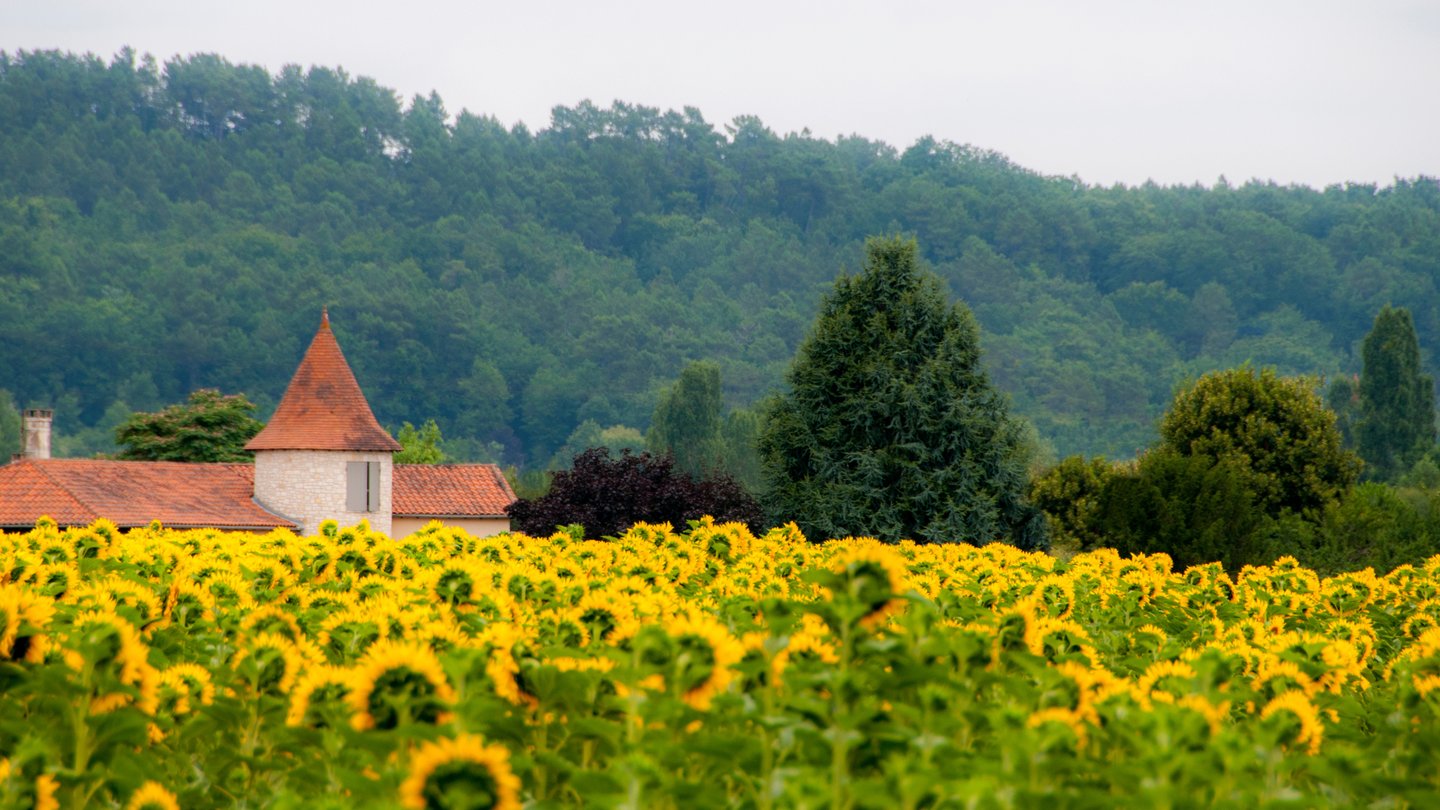
The most reliable fields are found along the D943 between Apt and Bonnieux, and on the plateau roads that cut through the landscape above Goult and Saint-Saturnin-les-Apt. Unlike lavender, which is planted in careful rows across dedicated estates, sunflower fields rotate with the farming calendar: the same field may be wheat one year and tournesols the next. The best approach is to drive slowly, windows down, and follow the yellow.
The D60, which connects Bonnieux to Menerbes, passes through some of the most photographed agricultural land in the Luberon. In July, the roadside can shift from green to yellow within a few hundred metres, with the cedar forest of Bonnieux providing a dark green backdrop behind the fields.
Further east, the plateau roads above Rustrel, most famous for its ochre quarries, also pass through significant sunflower cultivation. If you are combining a sunflower drive with a visit to the Colorado Provencal at Rustrel, the two sit naturally together on a morning itinerary. Head up from Apt on the D22 and work your way back via the plateau roads before descending into Roussillon.
The right time of day
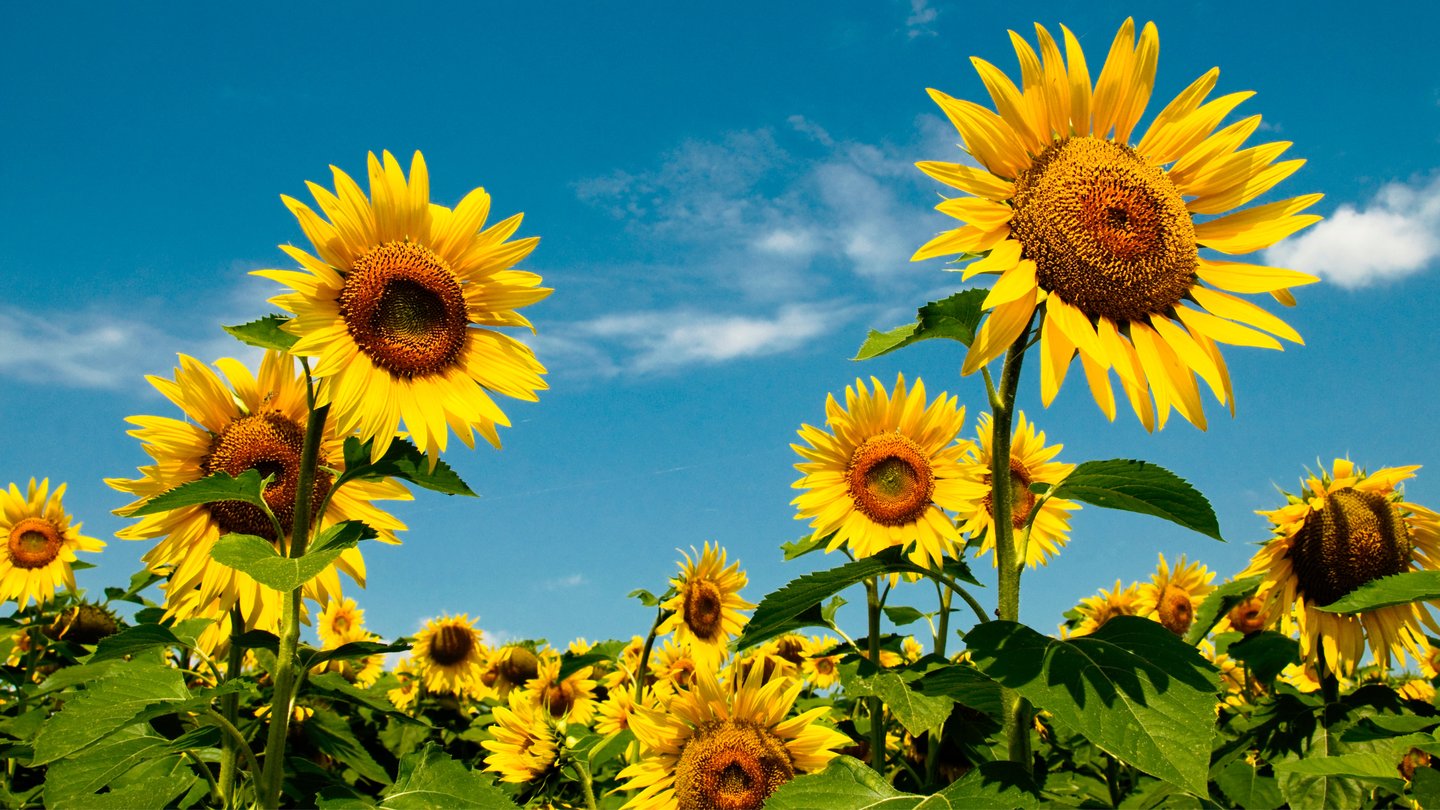
Sunflowers face east in the morning and swing west by late afternoon. This means the best light for photography, and frankly the most rewarding experience on foot, comes in the early morning hours, when the flowers face the rising sun. Arriving before 9am offers the quietest conditions, the most direct light, and the best chance of having the landscape to yourself.
By midday, the plateau sun is strong and the flowers will have rotated away from you if you are approaching from the north or west. The afternoon is better suited to the villages themselves, which offer shade, cold drinks and a reason to linger rather than push through the heat.
The most dramatic conditions come after overnight rain, when the flowers carry a brief weight of water and the surrounding limestone roads steam gently in the early sun. This is admittedly hard to plan for, but worth knowing about.
A practical morning route
A good itinerary from a Luberon base runs as follows: leave your villa by 8am, drive the plateau road from Bonnieux towards Goult and Saint-Saturnin-les-Apt, following the D943 and taking diversions onto smaller roads whenever you see yellow. Turn back towards Bonnieux by 10am, stopping at the village for coffee at one of the cafes near the lower church before the morning heats up fully.
If you have more time, push on to Roussillon, around twenty minutes further east, where the ochre cliffs and the sunflower fields occasionally appear in the same view, the orange rock behind the gold crop. The Sentier des Ocres at Roussillon takes about an hour and is at its most comfortable before 10am in summer.
These are working fields and the crops belong to the farmers. Do not enter the fields, and park carefully on verges where the road allows. The plateau roads are narrow and popular with cyclists, particularly on weekend mornings, so drive with care.


Pairing it with a market
Friday morning brings a market to Lourmarin, about thirty minutes south of the plateau by car, which makes a natural second stop. Saturday mornings, the large market at Apt covers the old town with local producers selling oils, jams, vegetables and early summer fruit. Both markets wind down by midday, leaving you free for a long, shaded lunch before the afternoon's activities. The Apt market is particularly well-placed for combining with a sunflower drive because Apt sits at the eastern gateway to the plateau. You can stop at the market first, then drive up onto the plateau while it is still morning.
What else is in season
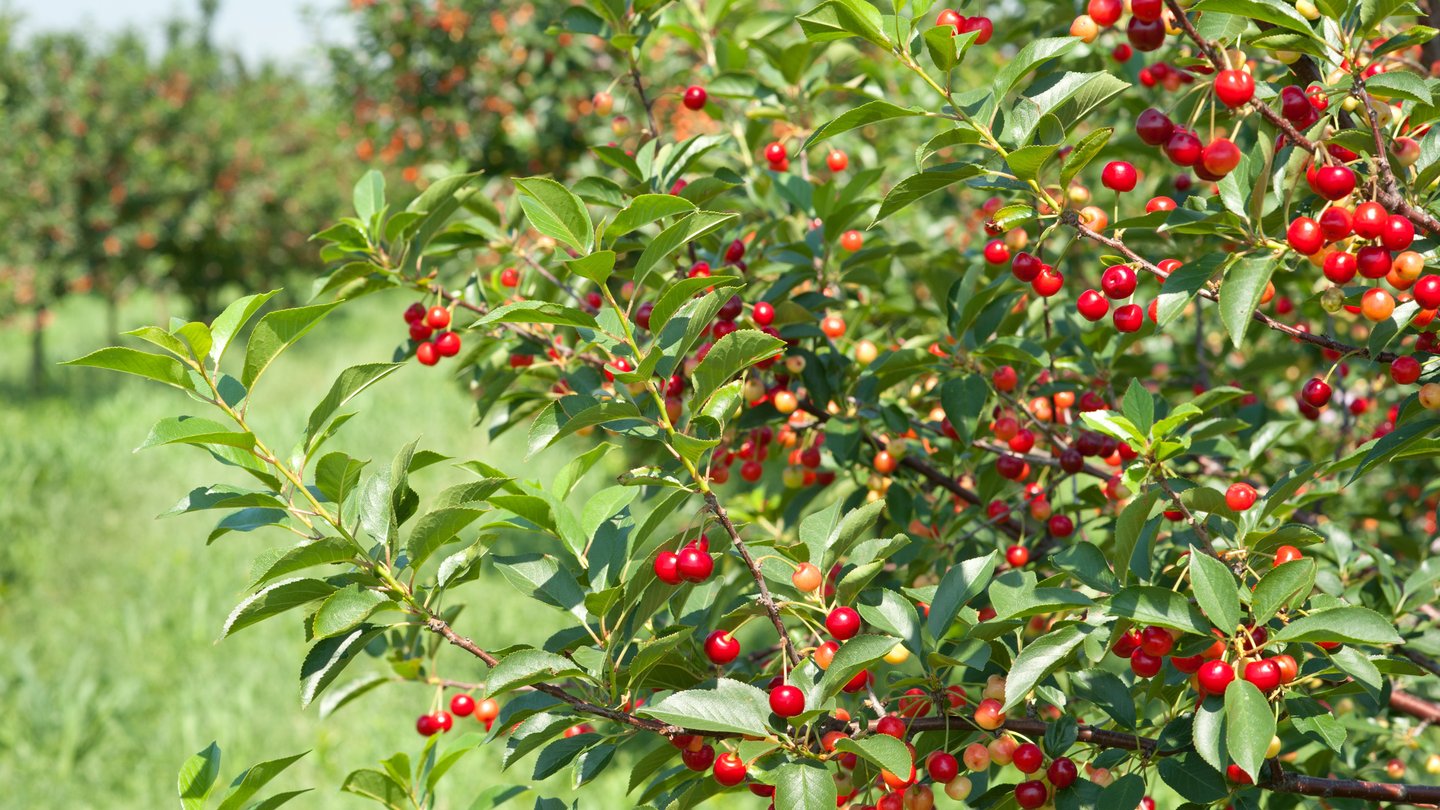
July in the Luberon is not just about sunflowers. The cherry season is officially over by mid-July, but the lavender harvest begins in earnest from early July at altitude and runs through to early August. Peaches, nectarines and apricots from the Durance valley are at their best. The olive trees are in full leaf but their fruit will not ripen until autumn: they provide a different kind of texture to the landscape, silvery and constant against the yellows and greens of the plateau.
The evenings are long at this time of year, and the plateau light after 7pm, when the day's heat has begun to drop and the shadows lengthen, is worth making time for. Many of the Luberon villages hold their weekly night markets or village fetes in July, which means there is usually something happening within easy reach of any villa base.
Leave early, follow the yellow, and let the plateau show you what it has. The sunflowers will not disappoint.
A bientot,