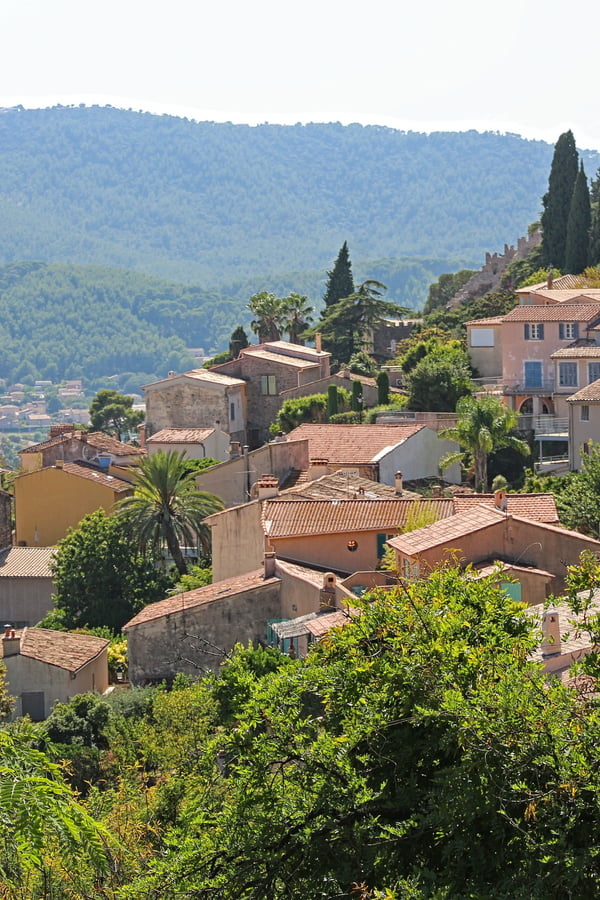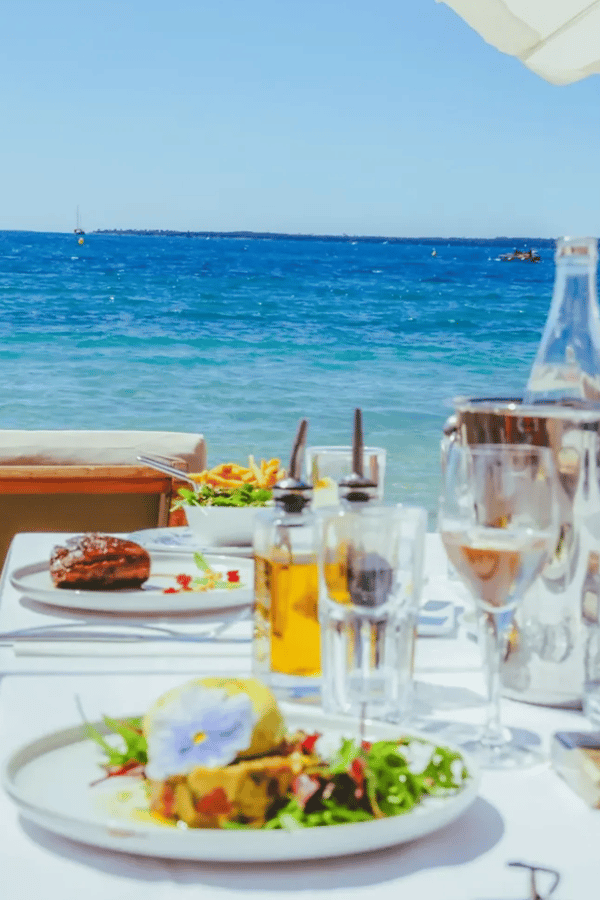
What makes this village special?
This resort has everything a great one has to offer! First dubbed the "secret capital of German-speaking literature" in the 1930s, for having been the refuge of German writers fleeing Nazism, it then became the historic capital of scuba diving. During the Second World War, Jacques-Yves Cousteau, Philippe Tailliez and Frédéric Dumas nicknamed themselves the “Mousquemers” and were considered pioneers in the field. To find out all about their epic, rush to the Frédéric-Dumas museum.
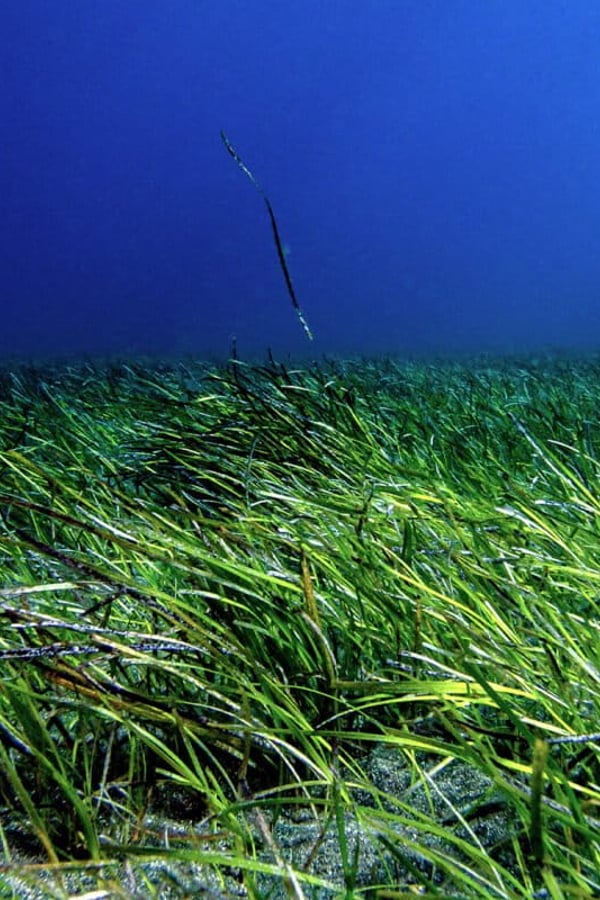
Today, Sanary welcomes divers from all over the world who come to explore the magical depths of the coast. The city has recently equipped itself with a glazed pool for baptisms. In addition to diving, this seaside resort offers various and varied water activities along its 8 kilometers of beaches: visit of the creeks by boat, crossing to Porquerolles and the Paul Ricard islands, observation of whales and dolphins, Jet-Ski, buoys towed and paddle.
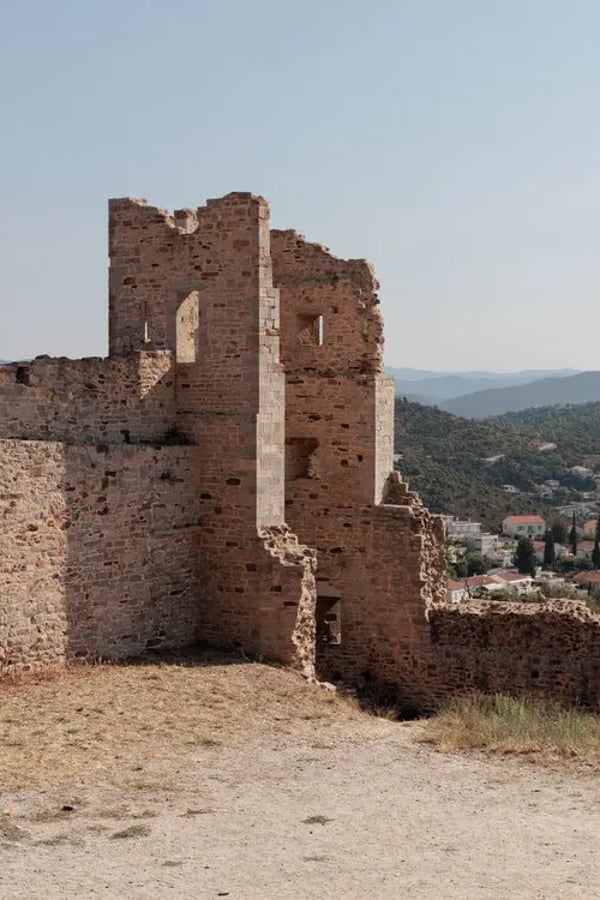
The city is very pleasant, strolling there is a constantly renewed pleasure for those who love entertainment! Art galleries, municipal or private, are numerous. The most striking building is the Saint-Nazaire church. Built in 1892, it was illustrated in 2008 with frescoes of Byzantine inspiration by the painter Jean-Baptiste Garrigou who made it a beautiful and unique monument. Lovers of old stones will go up to the Romanesque tower. Built in the 13th century, it now houses the museum of underwater archaeology. From the terrace of the tower, the panorama over Sanary is magnificent.
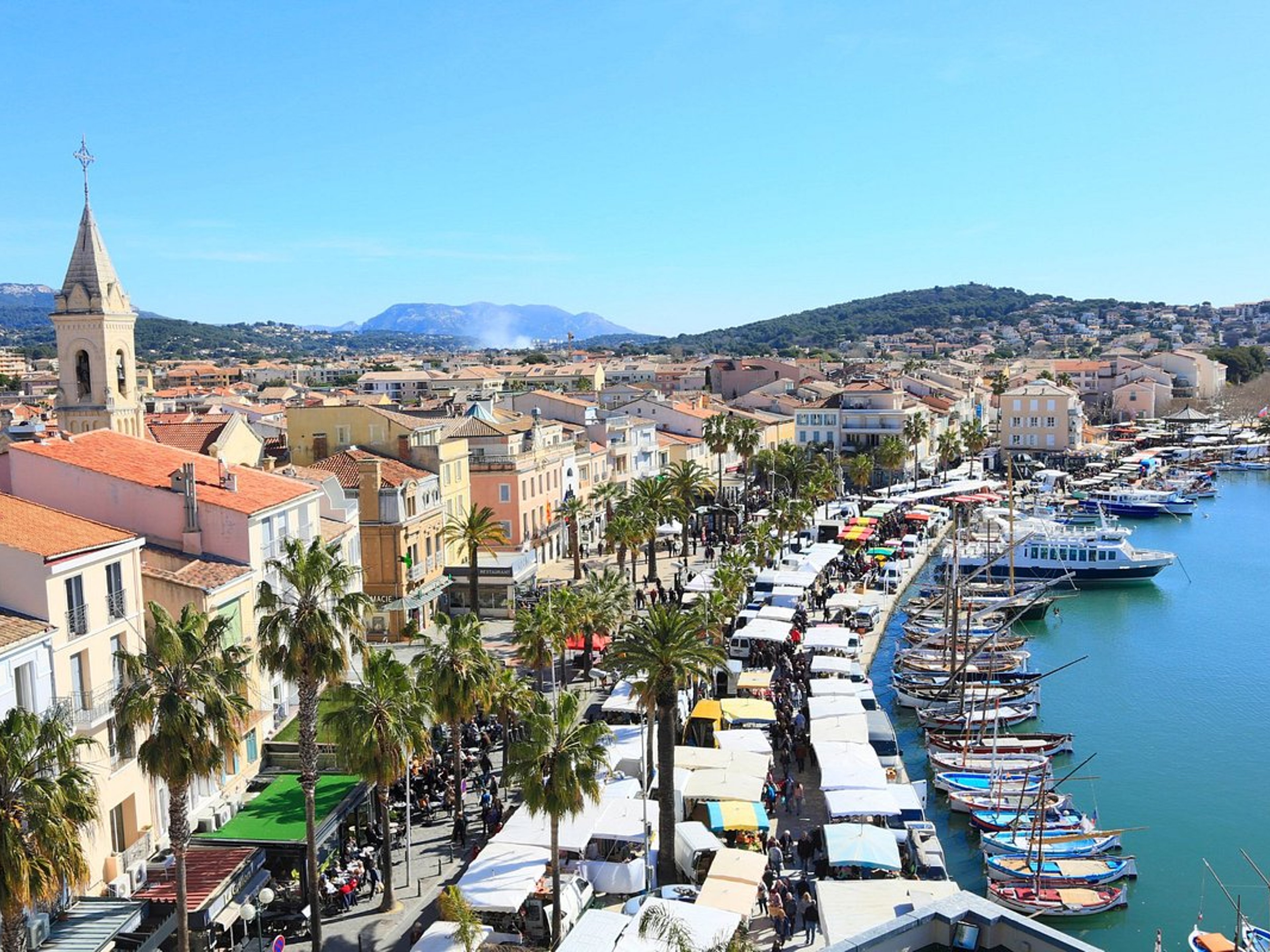
The small colorful fishing port with its quays planted with palm trees will not leave you indifferent. A fish market and a weekly market, one of the most beautiful in France, are there to offer you the freshest local products. To top it off, a flower market awaits you on the forecourt of the town hall every morning. Sanary also offers a night craft market and many Provençal activities in summer: bouillabaisse, sardinades and other joyful events.
What is our favourite thing about Sanary-sur-Mer?
Our favourite thing about Sanary is the Wednesday market on a morning in July - when the produce stalls extend into the side streets, the fishmongers are doing brisk business from their stands on the quay and the plane trees are giving proper shade. It is a market that operates for the people who live here as much as for those visiting, and that double function gives it a quality and an atmosphere that the more purely tourist-facing markets in the region rarely achieve.
Where to stay in Sanary-sur-Mer
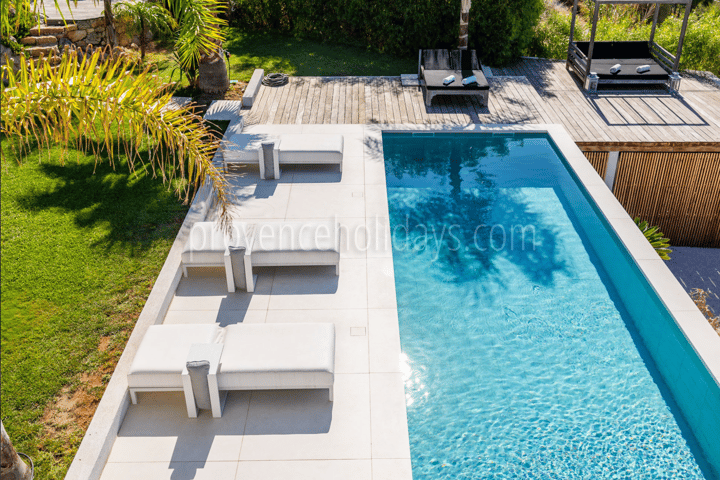
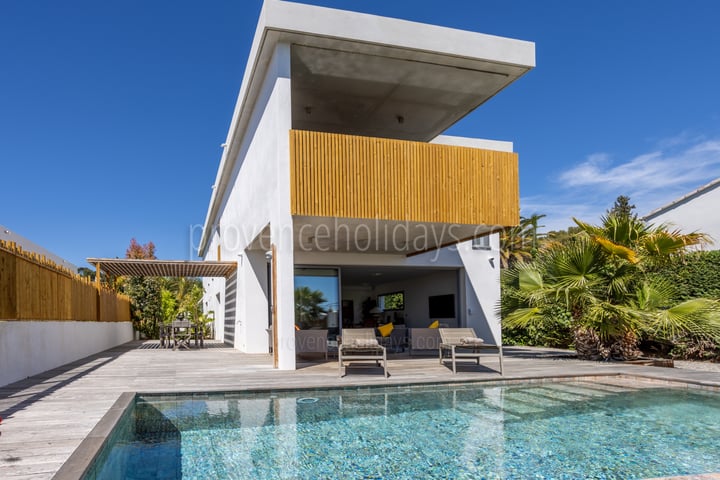
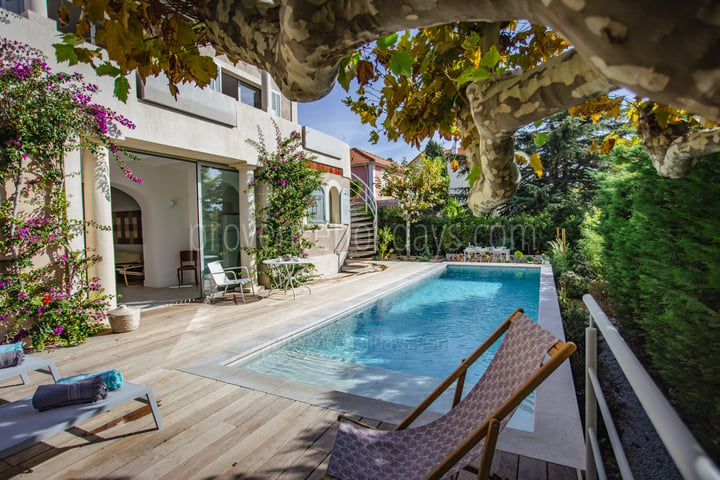
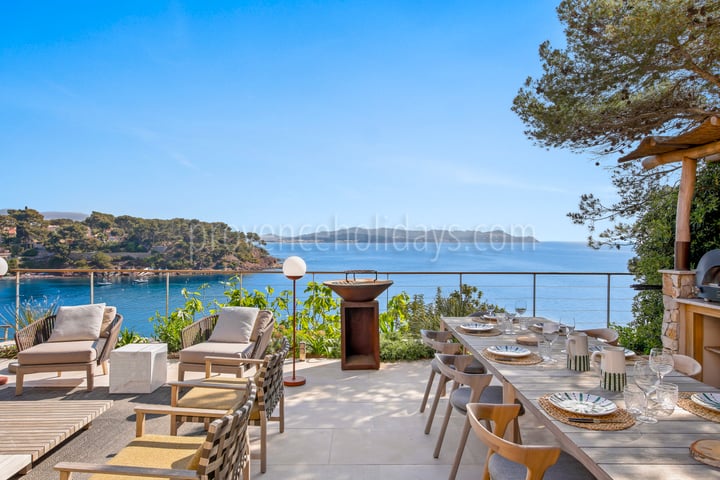
Discover our selection of properties in Sanary-sur-Mer
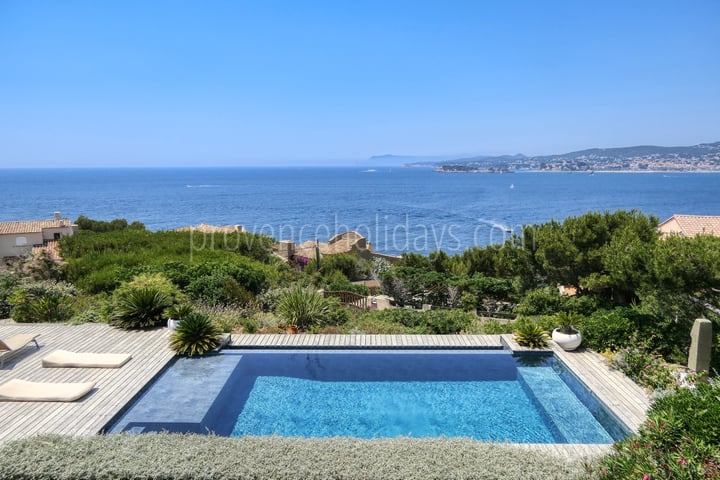
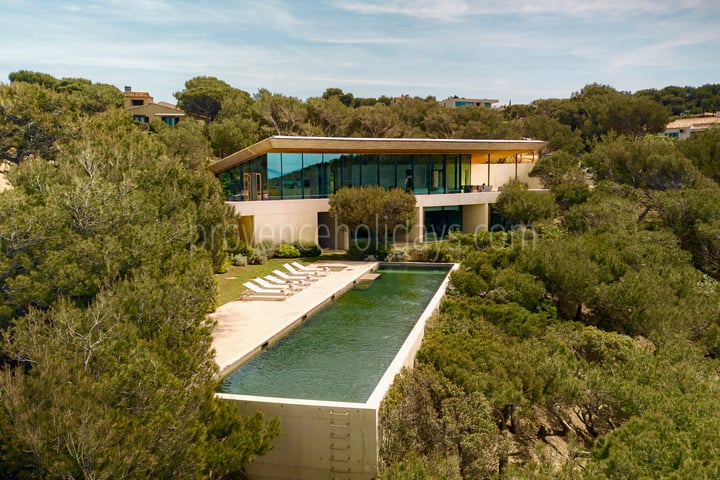
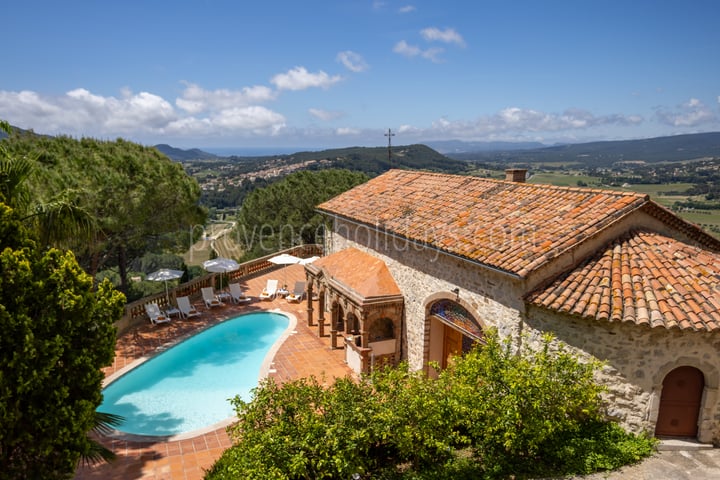
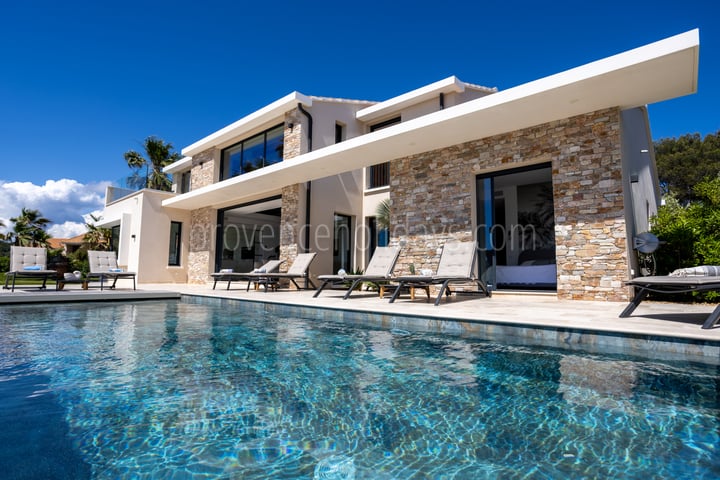
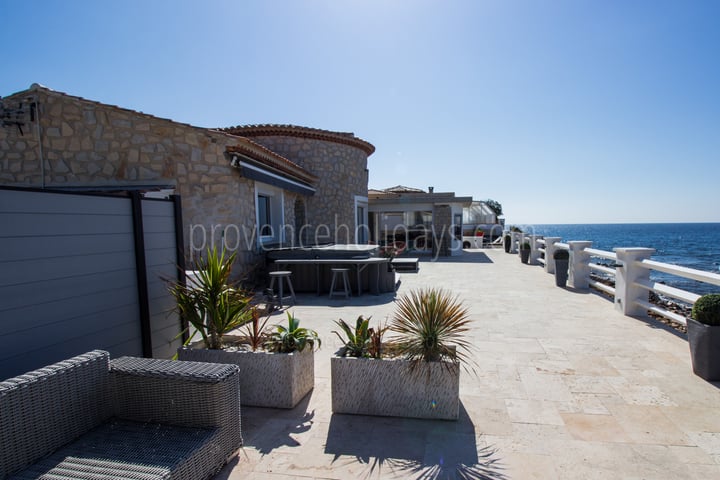
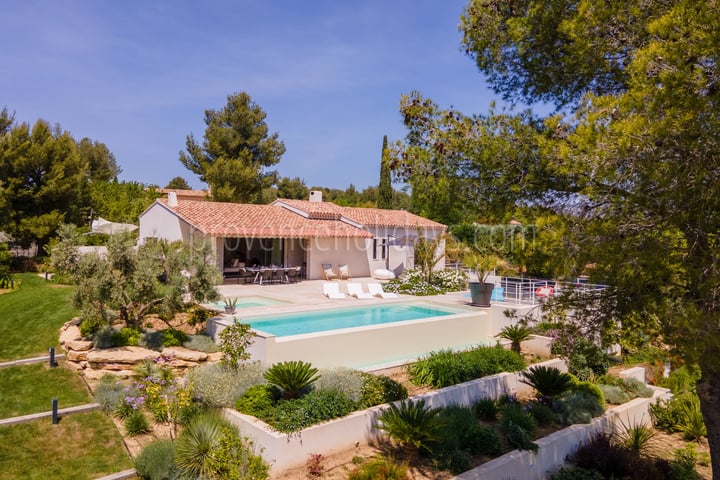
We pair exclusive holiday homes with completely tailored experiences
Our concierge service redefines luxury holidays, enhancing every stay, family holiday, or special occasion. Once you have confirmed your booking, you will be assigned a dedicated concierge who will arrange every detail, ensuring a memorable holiday from start to finish.

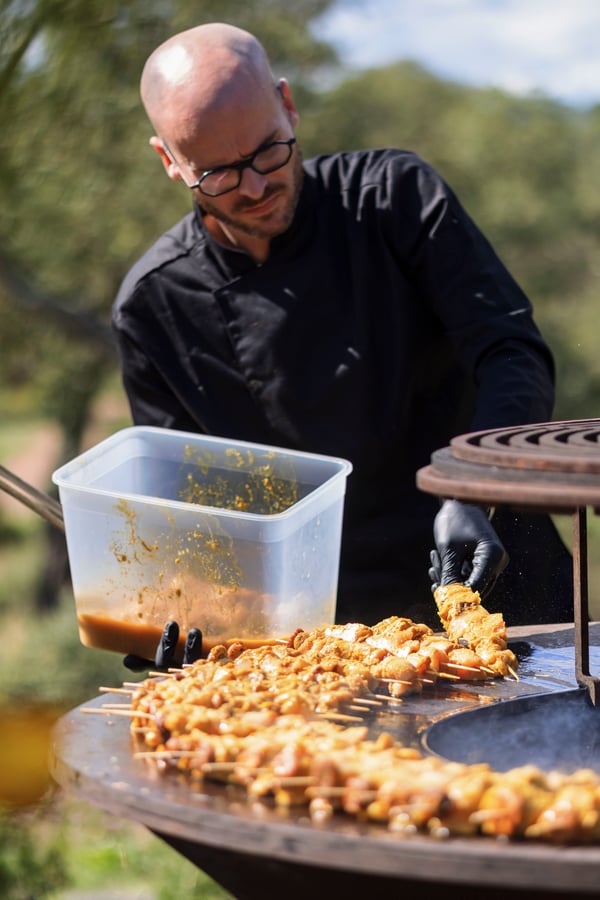
Food & Wine

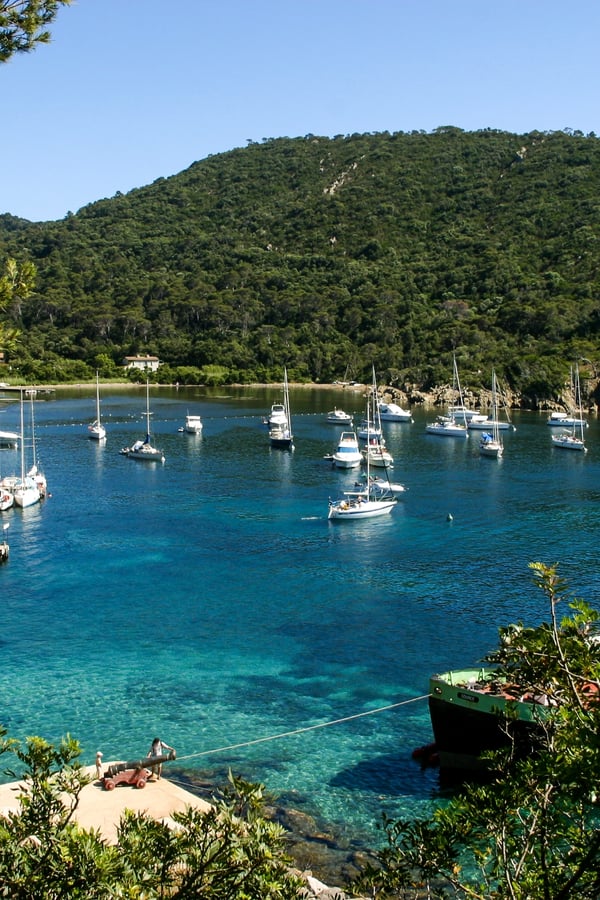
Nature & Outdoors

Art & Culture
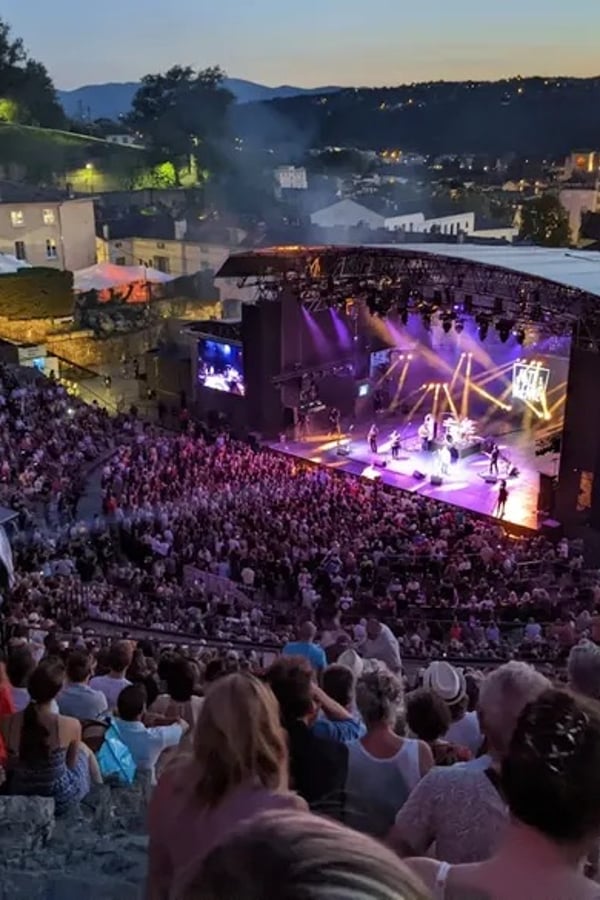
Entertainment
Sport & Wellness
Getting to Sanary-sur-Mer
From Toulon along the coast
Sanary is around fifteen minutes west of Toulon by car, following the D559 coast road through La Seyne-sur-Mer along the western shore of the harbour. The approach from this direction gives views back over the great natural harbour of Toulon as you leave the city. Toulon-Hyères Airport is the most convenient international gateway, around thirty-five minutes by road. The TGV from Paris stops at Toulon.
From Bandol through the vines
From Bandol, immediately to the west, Sanary is reached in around ten minutes along the coast road. The approach through the vineyard country between the two towns - the Bandol appellation runs almost to the edge of Sanary - passes through some of the most productive wine-growing landscape on the Var coast. From Marseille, the A50 autoroute reaches the Sanary area in around forty-five minutes.
Interesting information about Sanary-sur-Mer
History and architecture
Sanary's role as a refuge for German intellectuals in the 1930s is its most significant historical distinction - the town briefly became the centre of exiled German culture, described by some historians as the literary capital of the German language outside Germany itself. The fishing and maritime trade that built the town are older by centuries; the port has operated continuously since at least the medieval period.
Cultural attractions
The Maison des Exils documents the period of German intellectual exile with care and seriousness. The Ollioules gorge nearby has a theatre festival each summer. The Embiez islands, reachable by boat, have the Château des Embiez winery and a marine research institute open to the public. The Wednesday market is a cultural event as much as a practical one.
Natural beauty
The Bandol AOC vineyards are the primary agricultural landscape around Sanary - the estates in the hills above the town are open for visits and tastings. The Embiez islands have beaches, clear water for swimming and snorkelling, and a protected marine environment. The coastal path between Sanary and Bandol offers good walking with sea views. The Sainte-Baume massif inland provides more serious mountain terrain.
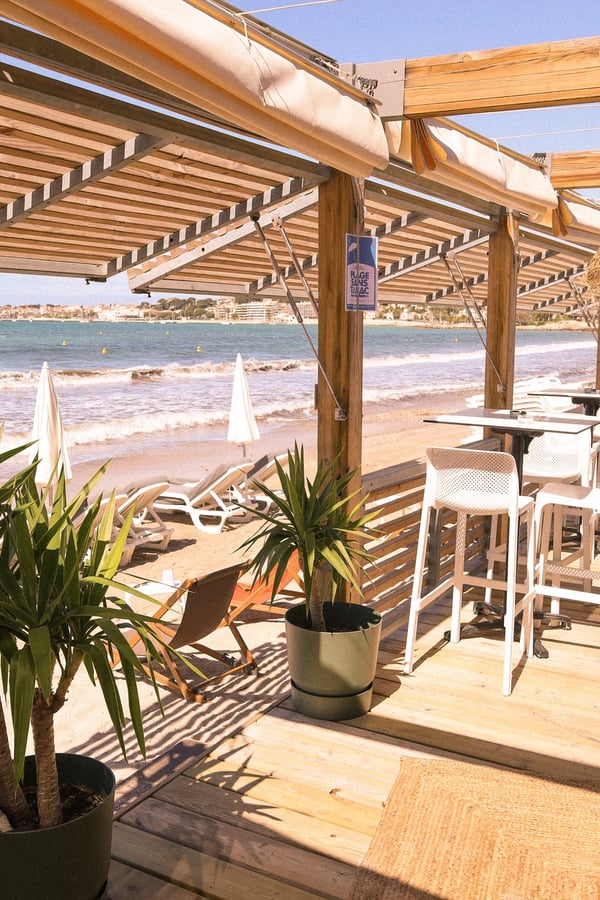
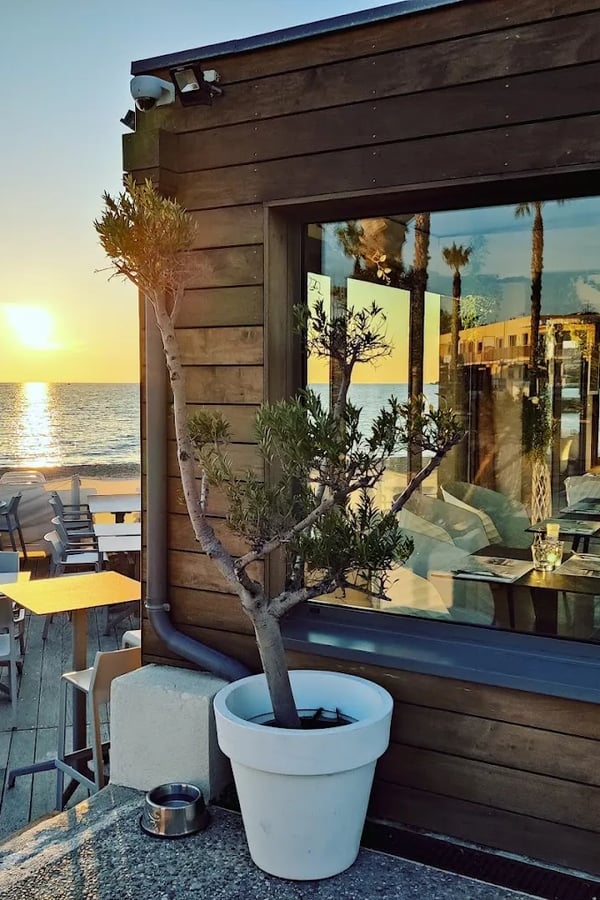
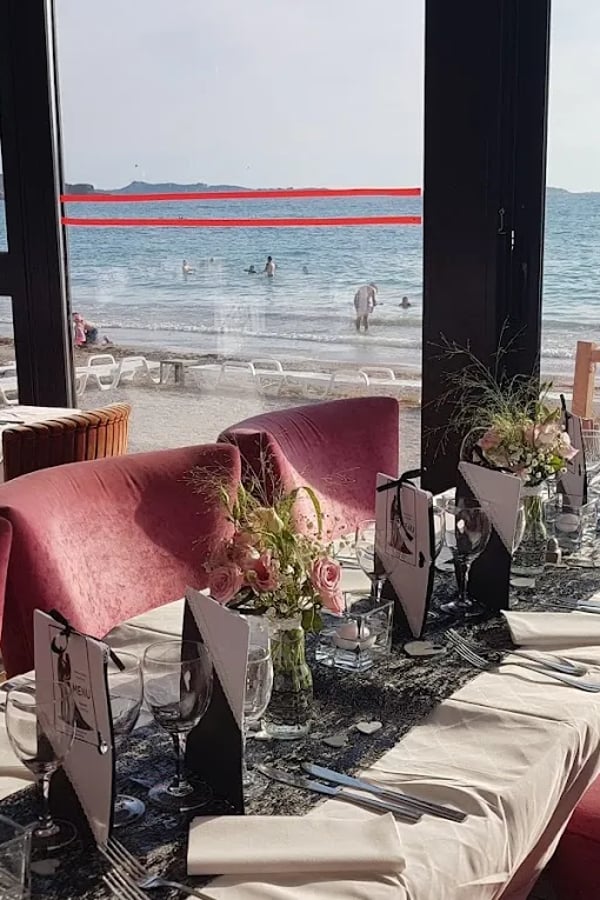
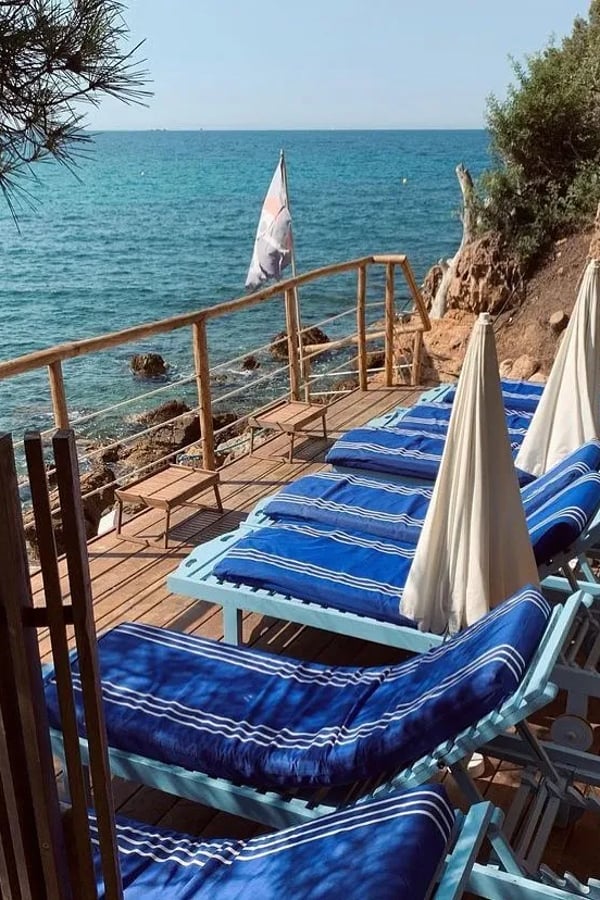
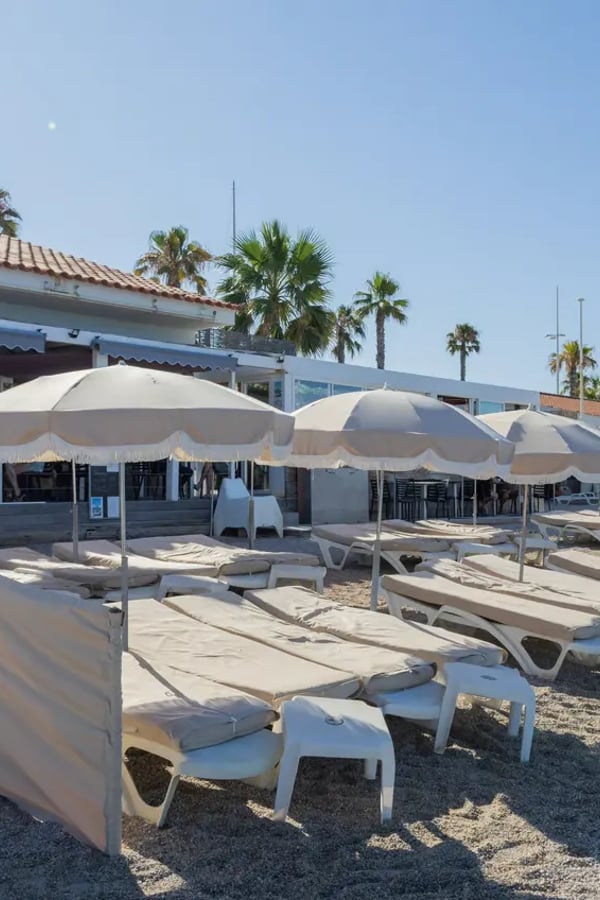
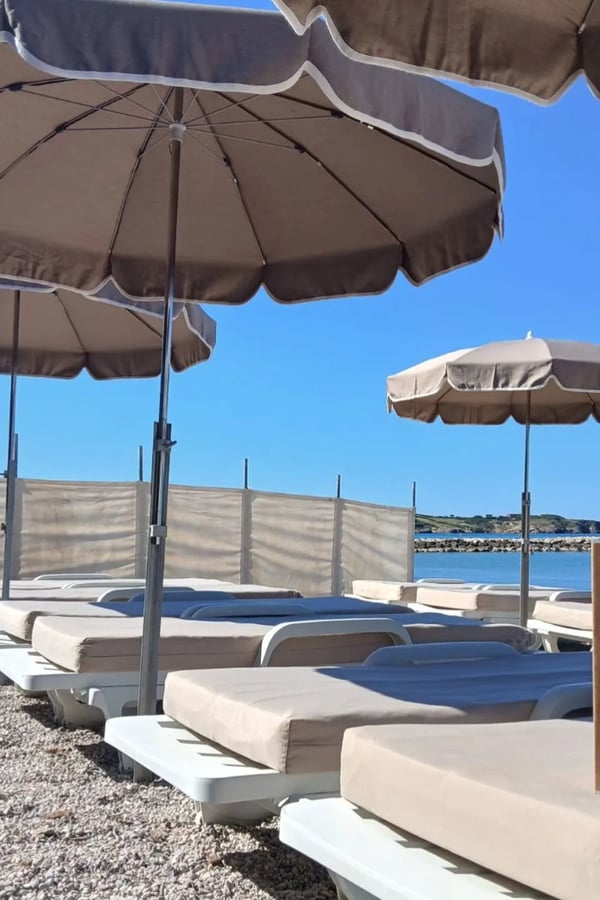
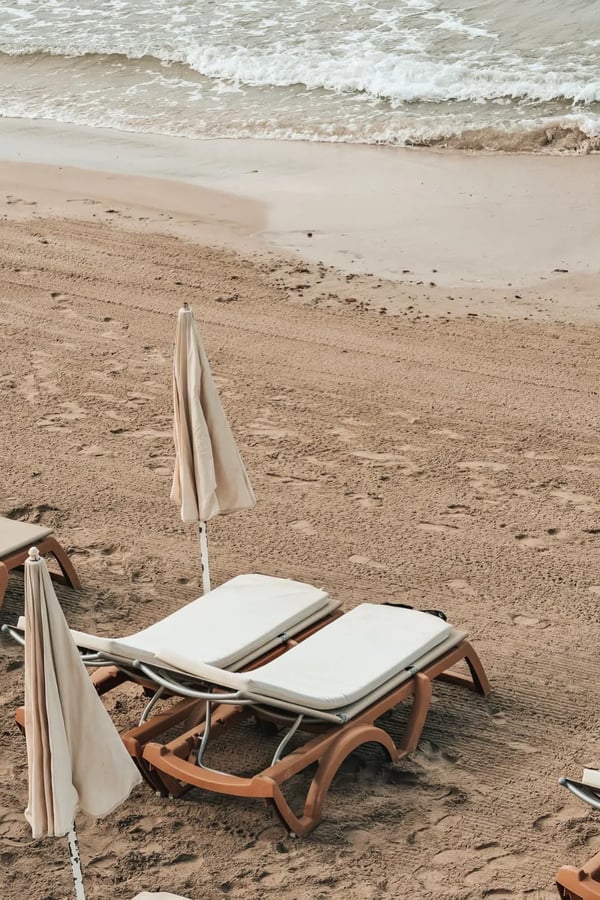
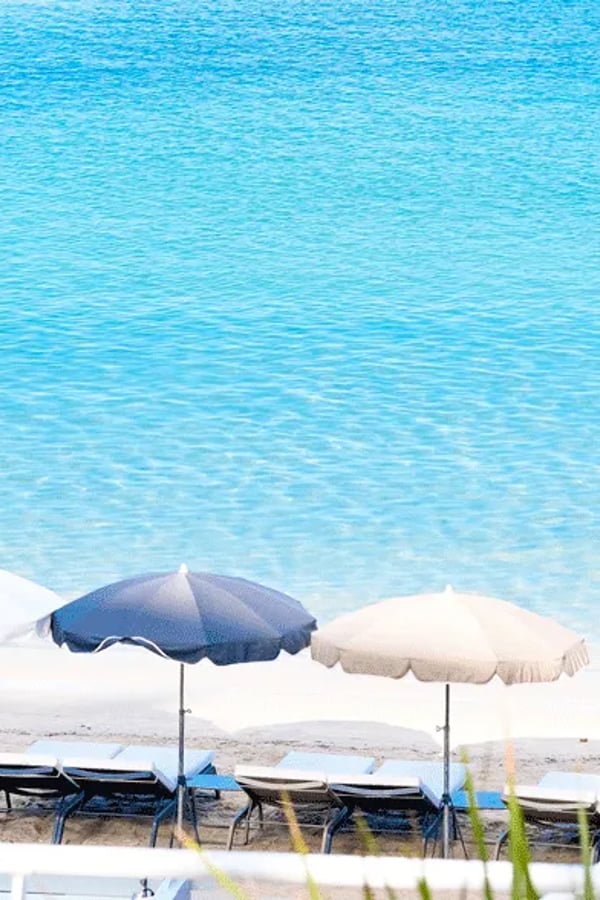
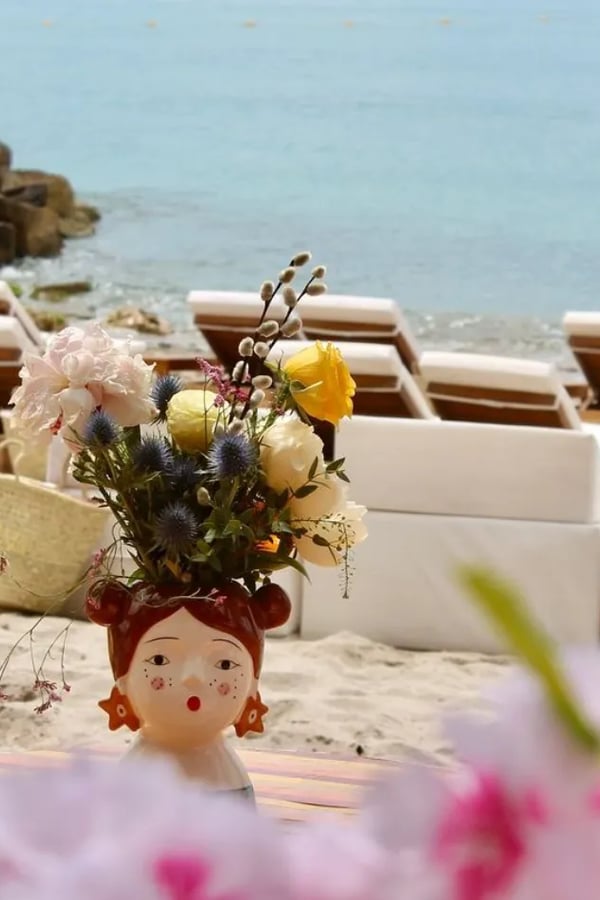
Reserve your beach club
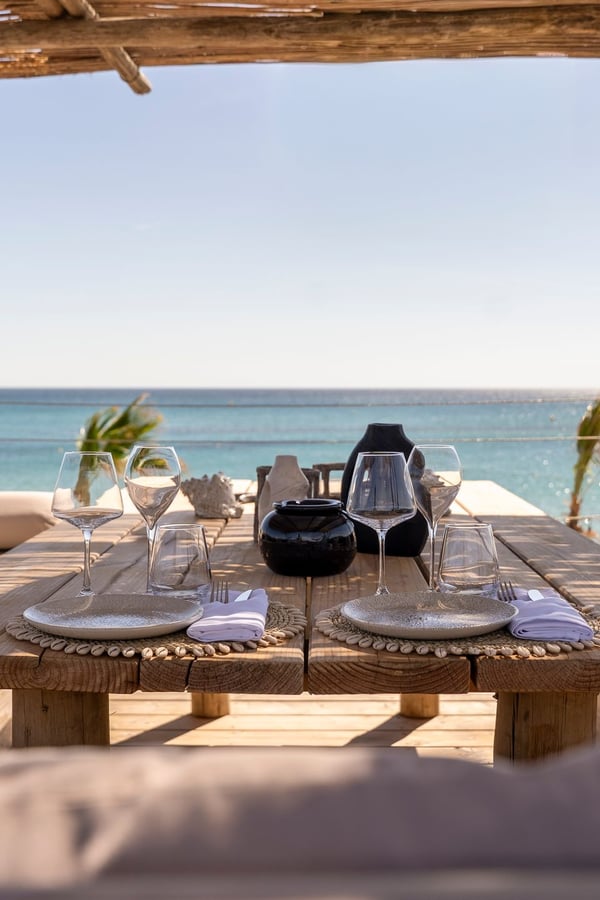
No Riviera holiday is complete without a day at the water's edge. Browse and book at the finest beach clubs near your villa today.
Explore activities nearby
Our hand-picked selection of the best experiences near your villa.
Discover Provence with us
Our magazine encourages you to truly live and breathe the essence of the region. From secret villages to culinary treasures, experience Provence authentically with us.