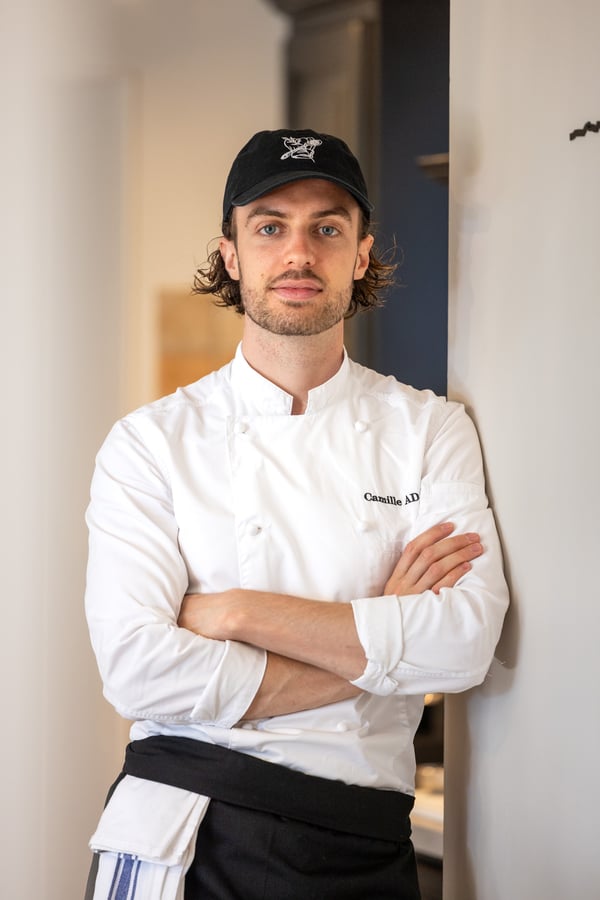
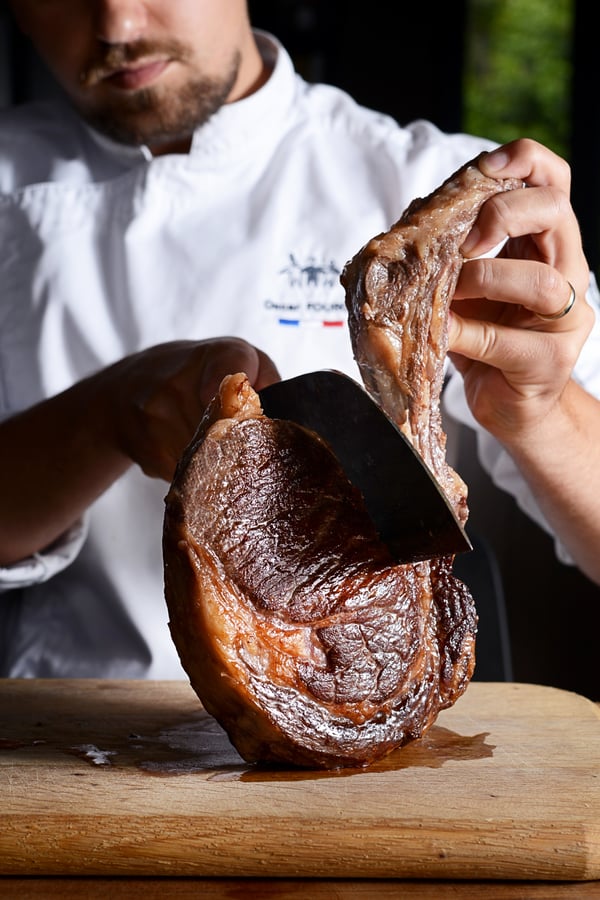
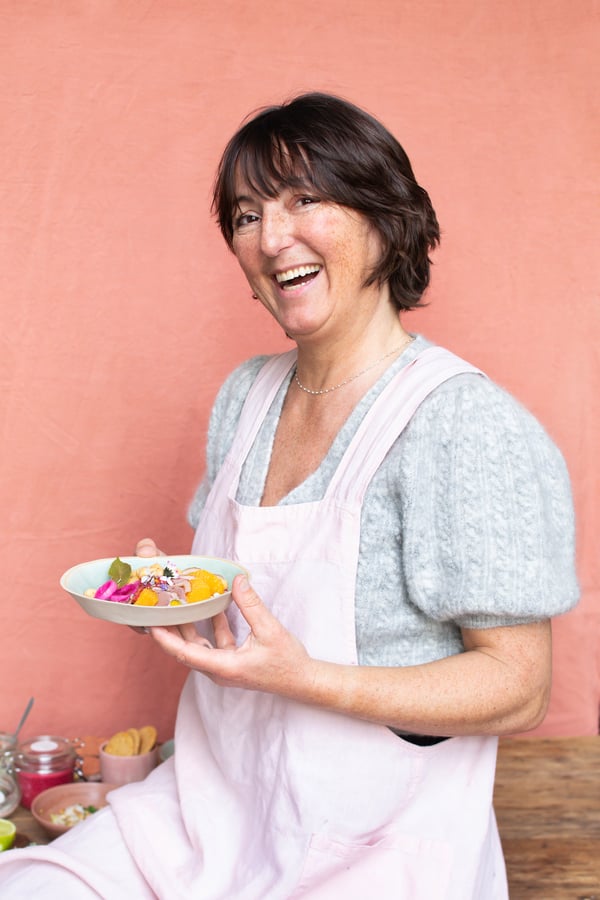
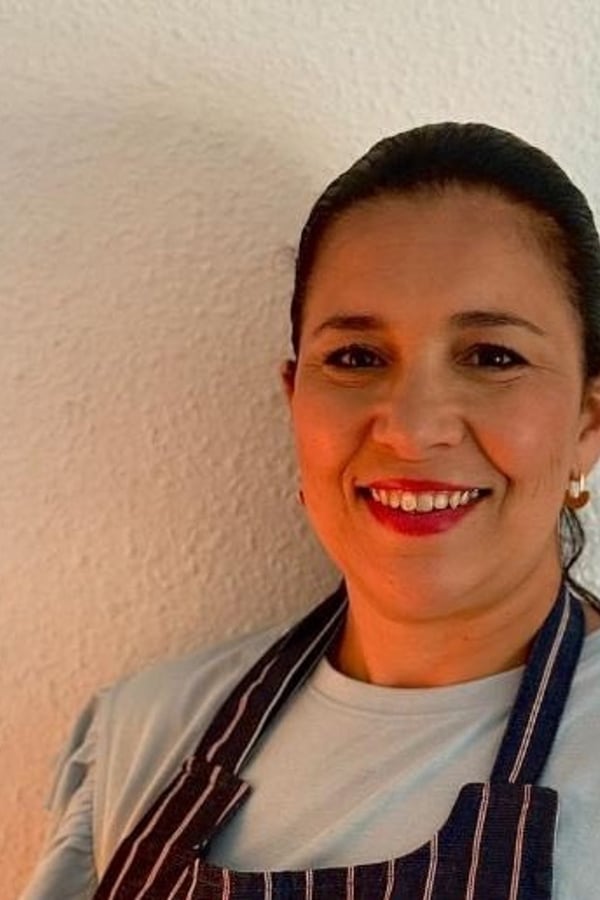
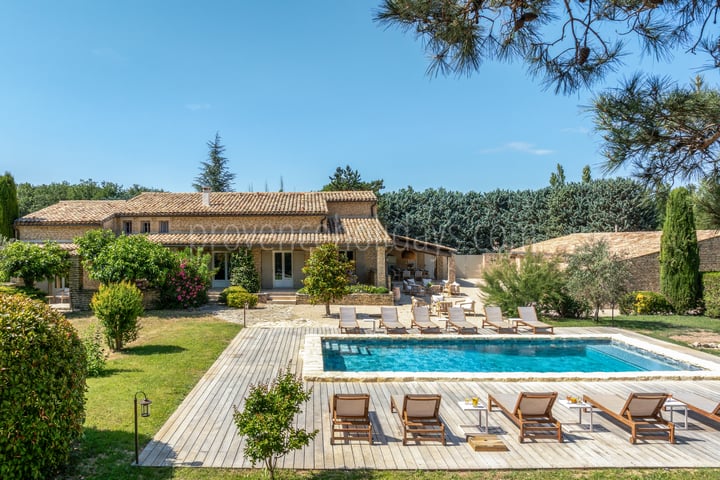
Chef Francis's cooking follows the rhythm of the Provençal seasons.
His ingredients shift from spring vegetables and early fruits to the sun-ripened produce of summer and the first olives of autumn. For guests looking to find a private chef in Provence, his approach celebrates everything the region offers: exceptional produce, Mediterranean flavours, and the pleasure of cooking with ingredients at their very best.


Seasonal produce that defines his cooking
Francis structures his menus around the natural progression of the seasons from April to October. Spring begins with asparagus, broad beans, strawberries, rhubarb, and suckling lamb. As the sea warms, more Mediterranean fish appear, especially sea bream and sea bass. June brings courgettes, tomatoes, fennel, fresh herbs, and apricots, while July and August overflow with the full palette of Provençal produce: aubergines, green beans, peas, melons, peaches, and red berries. Autumn introduces grapes, figs, apples, pears, and the arrival of new olive oil.
“Whatever the season, visiting the markets of Provence brings me joy.”
A global culinary path shaped by Provence
Francis’ culinary journey is incredibly varied. After early experience in several Paris restaurants, he spent seasons cooking on charter sailing boats across the Mediterranean and the Caribbean. At 21, he opened his first restaurant in Avignon, followed by another in the Luberon. He later worked in one- and two-star Michelin restaurants, refining his technique. His international experience continued when he moved to New Zealand, becoming head chef at Le Cordon Bleu in Wellington. This blend of regional grounding and global exposure shapes his cooking today. He now works in Provence as a private chef and hosts cooking workshops throughout the year. Francis trained at culinary school, earning both a CAP and a BEP, giving him a strong technical foundation.
How Provence influences his cuisine
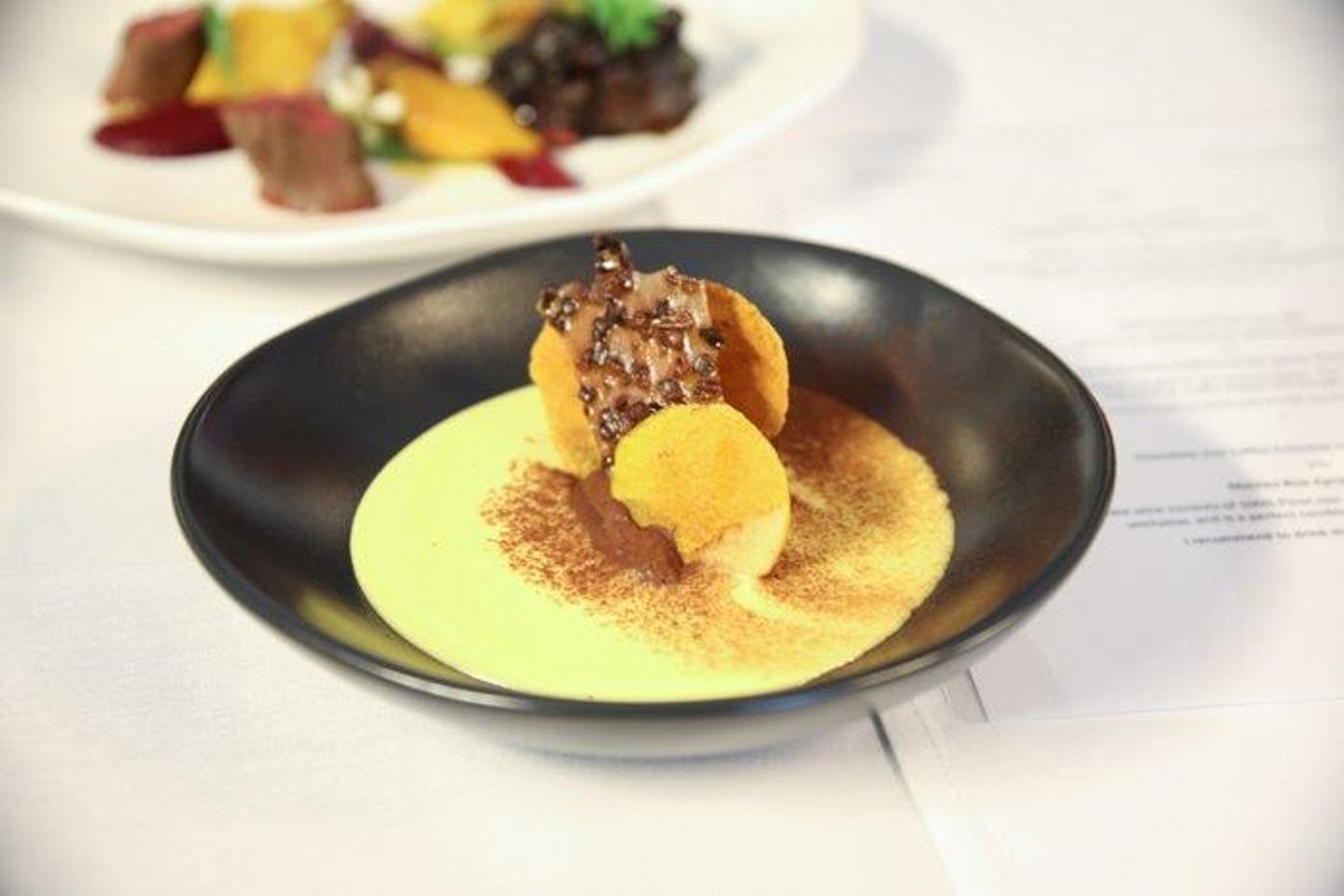
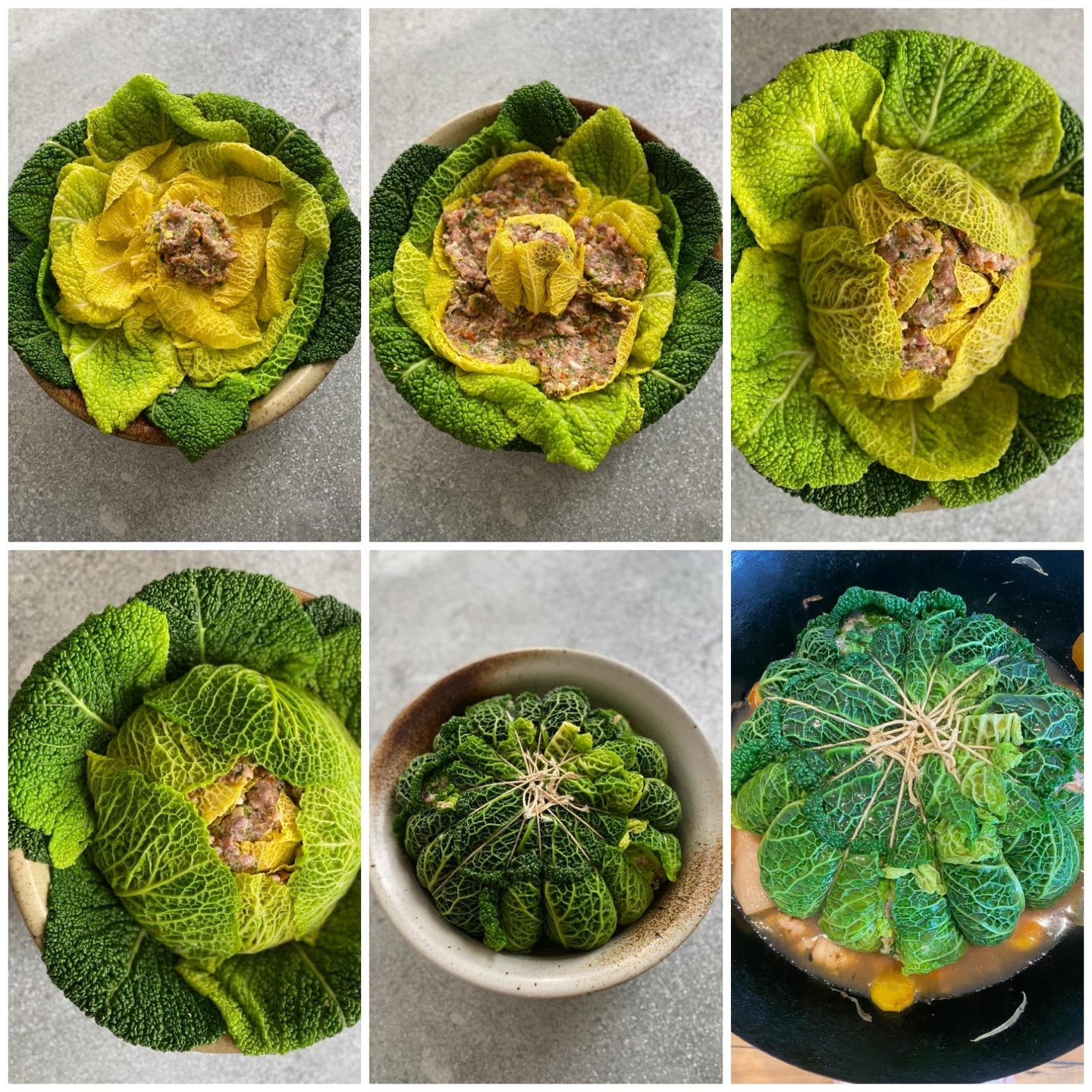
For Francis, Provence inspires sun-led, Mediterranean cooking built around exceptional fruit, vegetables, and fish. He focuses on producers he meets at the markets and on ingredients that express the region’s identity. The diversity and colour of Provençal market stalls have shaped his approach as much as his formal training. Many of the region’s staples influence his menus: pistou soup, bouillabaisse, pieds & paquets, escabeche, Provençal beef stew, truffles, and a wide range of wild herbs and flowers.


Dining with Chef Francis
Guests can expect dishes that highlight regional flavours, presented with precision but served in a relaxed, confident manner. His style is elegant yet understated, with carefully decorated plates and simple, attentive service. Francis enjoys conversation with guests, whether about cooking, the region, or the ingredients used.
Cooking classes and workshops
Francis offers cooking classes for guests who want to take part in preparing the meal. Some prefer to stay by his side and listen as he explains techniques and ingredients. Others choose a hands-on workshop where they help prepare the dishes they will enjoy later. The focus is on practical knowledge, seasonal produce, and approachable kitchen skills.
Market tours with a private chef
Market tours are available as part of his experience. Francis guides guests through the stalls, meeting producers and exploring seasonal fruit, vegetables, herbs, oils, meats, and fish. These tours are often followed by a workshop, allowing guests to cook with the ingredients they have selected.
Where Chef Francis likes to eats in Provence
Francis enjoys restaurants that reflect the same values he brings to his own cooking: local produce, thoughtful menus, and a sense of place. His recommendations include:
Agastache, L'Isle-sur-la-Sorgue – inventive cuisine, often organic produce, excellent wine list, attentive service, and a quiet terrace in the town centre.
Restaurant Ju Maison de Cuisine, Bonnieux
These restaurants offer a combination of creativity, regional identity, and careful sourcing.
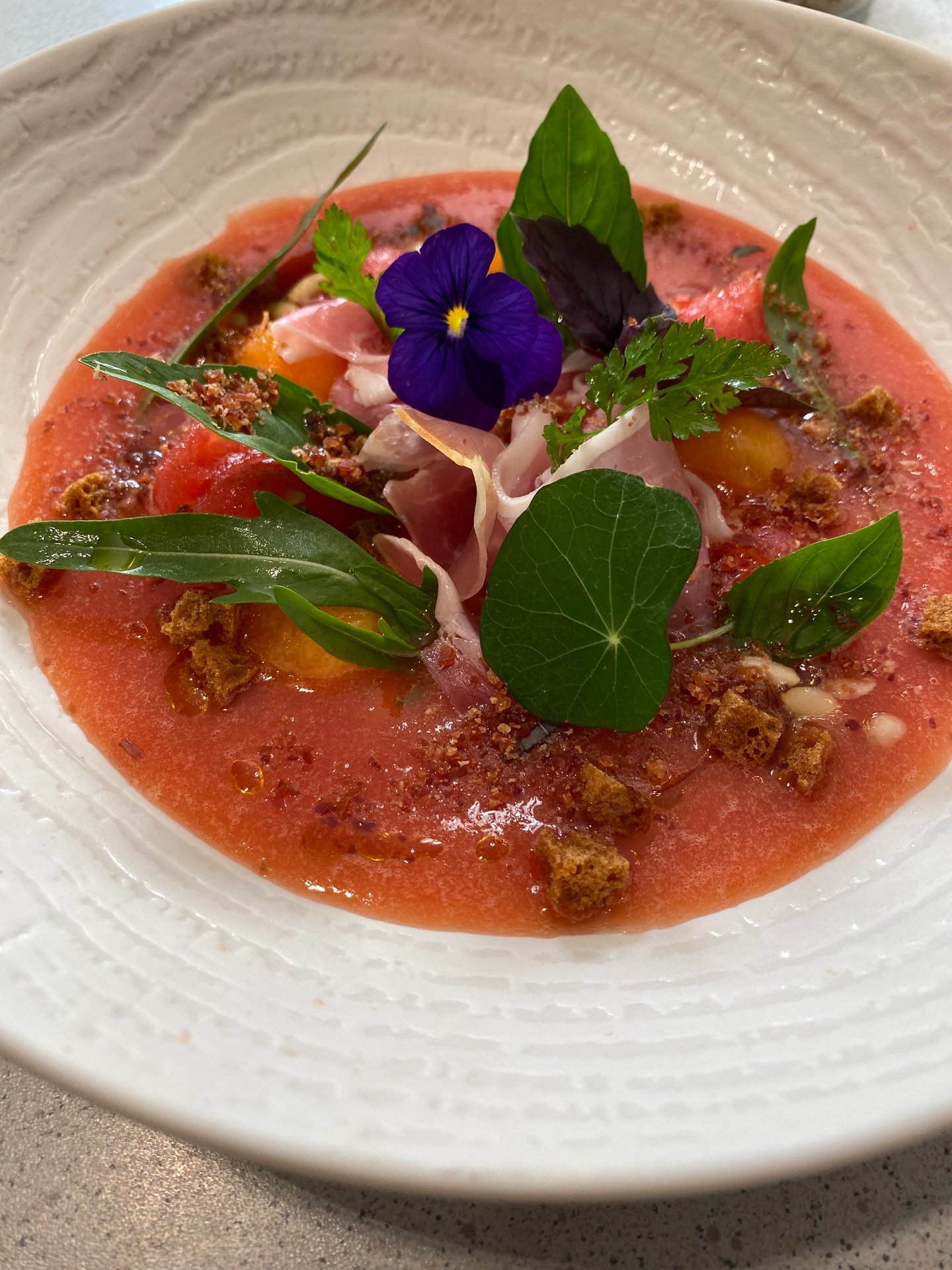
Recipe | Cold melon and watermelon soup with mountain ham, wild rocket and gingerbread croutons
Serves four
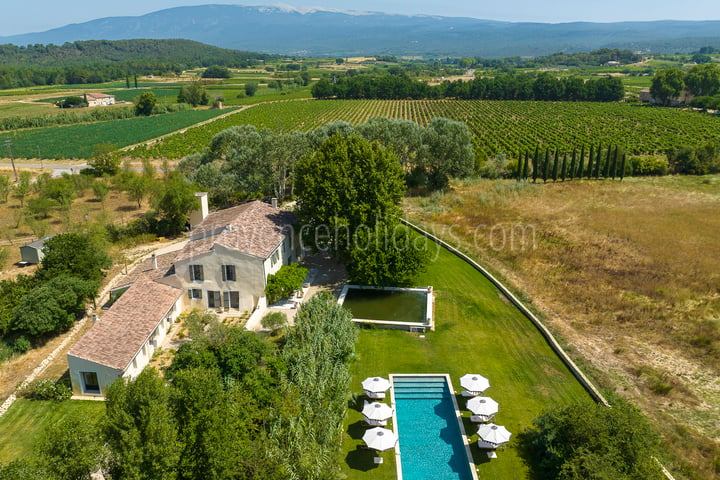
This refreshing summer dish brings together sweet Provençal fruit, crisp mountain ham and delicate herbs. The combination of textures makes it ideal for warm evenings or a relaxed lunch beside the pool.
Ingredients
- One melon
- Half a watermelon
- Eight slices of Iberian ham
- One small punnet of redcurrants
- One large spoon of lightly sweetened lemon jelly
- Eight leaves of wild rocket
- Nasturtium flowers and leaves
- Purple basil
- Twenty millilitres black fruity olive oil from the Vallée des Baux
- Two slices of gingerbread
Method
1. Prepare the crisp ham and gingerbread croutons
Place the slices of Iberian ham on a baking tray and dry them in a ventilated oven at 80°C for several hours until completely crisp. Cut the gingerbread into small cubes and dry them in the oven in the same way. Set aside to cool.
2. Prepare the fruit
Using a melon baller, form small balls of melon and watermelon. Keep them chilled. Blend the remaining melon and watermelon into a smooth purée and refrigerate until cold.
3. Make the ham powder
When the dried ham is completely crisp, process two slices into a fine powder. Set aside for garnish.
4. Assemble the dish
Pour the cold melon and watermelon soup into shallow bowls. Add a few of the chilled melon and watermelon balls. Scatter the gingerbread croutons, a few small pieces of lemon jelly and some redcurrants across the surface. Place a small mound of crisp ham pieces in the centre of each bowl and dust lightly with the ham powder. Finish with wild rocket, nasturtium leaves and flowers, a few sprigs of purple basil and a few drops of black olive oil from the Vallée des Baux.
Chef Francis brings together the flavours of Provence, the rhythm of the markets, and a career shaped by both regional and international experience. His cooking reflects the diversity of the region’s produce and the Mediterranean influences that define Provence. For guests staying in a villa, his approach offers an authentic, seasonal, and welcoming introduction to Provençal cuisine.
À bientôt,
The Provence Holidays Team