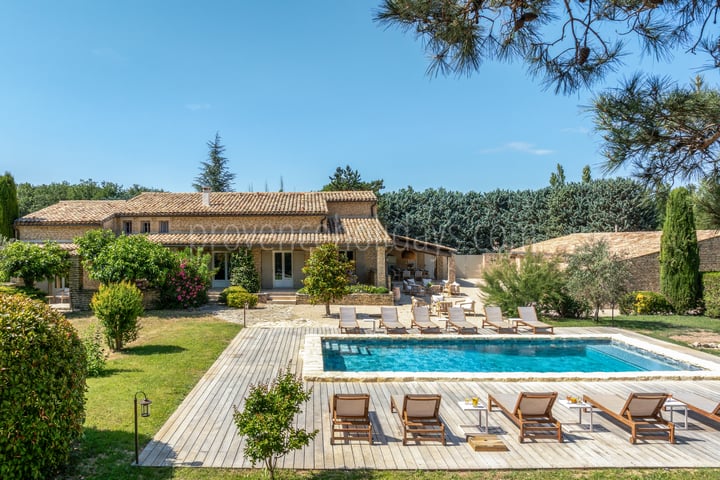
Chef Laurent: Seasonal cooking, Provençal roots
Some chefs begin with a signature dish. Chef Laurent begins with a principle: respect the season, the place and the ingredient. When asked about his favourite seasonal products, his answer is very clear. He explains that he has “no particular preference in the choice of foods of the moment as long as seasonality is respected as well as the local aspect of the ingredients and their freshness guarantees optimal taste quality.” In other words, what matters most is that the ingredient is local, in season and fresh enough to express its full character.
This philosophy is closely linked to his training in naturopathy, which has shaped the way he approaches food and menu design. For Chef Laurent, cooking is not only about flavour, but also about how ingredients, herbs, spices and flowers support balance and wellbeing. This background allows him to think carefully about how dishes are composed, using food as a way to nourish as well as satisfy.
When working with guests, Chef Laurent takes time to understand individual preferences, dietary requirements and any health considerations before finalising the menu. His knowledge and attentiveness mean each meal is thoughtfully adapted, whether guests are seeking lighter dishes, specific nutritional considerations, or simply food that feels aligned with the rhythm of Provence. The result is seasonal cooking that is considered, personal, and deeply rooted in the region.
Cooking with the flavours of Provence
Provence offers exactly the kind of pantry that suits this approach. For Laurent, the region inspires him through “the diversity of products, the colours.” From early spring vegetables to late summer herbs and autumn lamb, he sees Provence as an ever-changing source of ideas rather than a fixed set of recipes. Traditional cuisine remains an important reference point. He describes how “traditional old recipes are always inspiring, and by their very nature, local products influence the choice of a recipe or menu.” Rather than copying classic dishes, he uses them as a framework. The starting point may be a familiar Provençal preparation, but the final plate is guided by what is best at the market that week.
When Laurent is not in the kitchen, his own favourite place to eat in Provence is characteristically simple. He loves to enjoy seafood “directly from a shellfish producer, for the authenticity of the moment.” The combination of fresh shellfish, the sea air and the absence of formality captures the straightforward pleasure he looks for in food. If he had to recommend one dish to anyone discovering the region, his answer is direct: “Pistou soup!” This vegetable and basil soup is one of the foundations of Provençal home cooking, and a perfect example of how seasonal produce, good stock and patience can create something quietly impressive.
A chef who likes to stay close to his guests
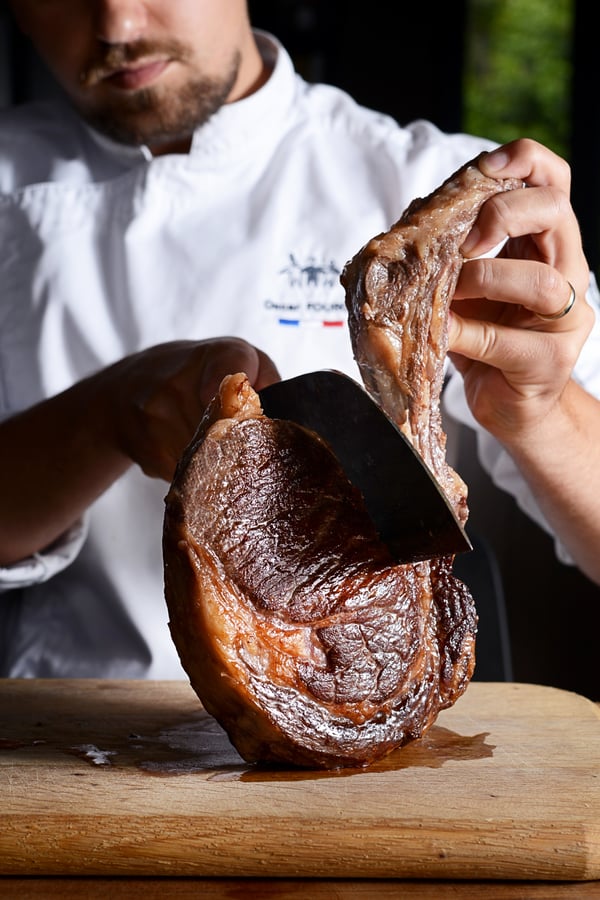
Laurent’s way of working naturally lends itself to a more interactive experience in the kitchen. He usually cooks in open spaces where guests can see how a dish comes together. “I generally work in open kitchens, so customers are welcome to ask me questions about a product, a technique, etc.,” he says.
This creates a relaxed form of semi-cooking class, where guests can observe, learn and taste at the same time. Rather than a formal workshop, it is a conversation around the stove: why this cut of lamb, how to slice courgettes this thin, what makes a good herb infusion. For many visitors, this is often where Provence becomes tangible – the moment when they see and smell the region through the ingredients in front of them.
Following a chef to the market
For those who want to go a step further, Laurent also offers tailored market visits. He confirms that “yes, it is possible, sometimes combined with a cooking class so that customers share a real experience and immerse themselves in the daily life of a chef who selects his products directly from a producer.”
These mornings are less about a checklist of stalls and more about understanding how a chef thinks. Which producer does he head to first. How does he decide between two types of courgette. What makes one olive oil better suited to a particular dish than another. Guests follow the same route he might take for his own menus, then return to the kitchen to cook with what they have chosen together.
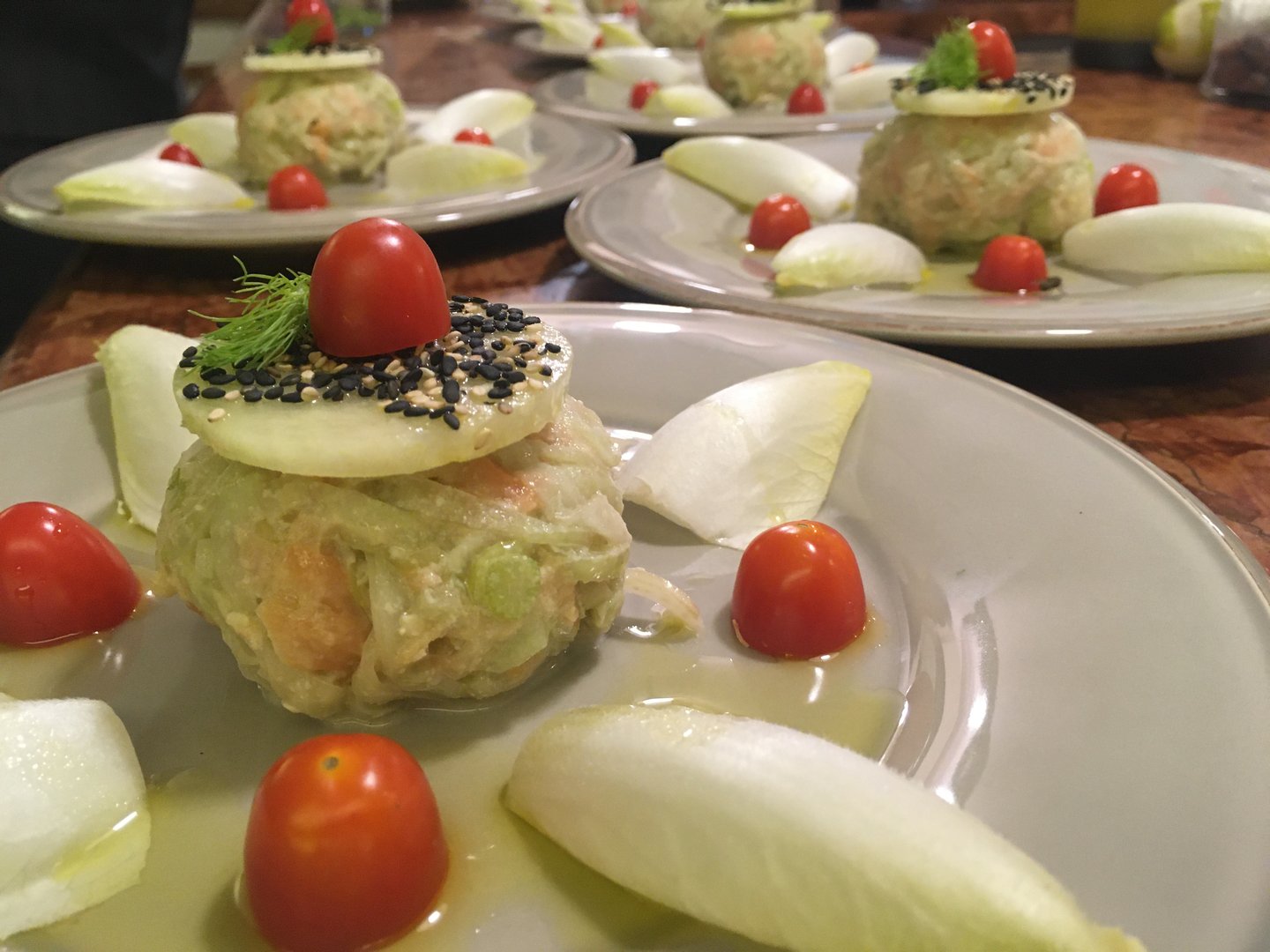
What to expect when you dine with Chef Laurent
Asked what guests can look forward to when they book him, Laurent describes “a culinary experience that blends creativity and healthy eating.” The plates are carefully constructed, but always with an eye on balance and lightness. Rich, slow-cooked flavours are often paired with bright herbs, fresh citrus or raw elements that keep the meal dynamic from first course to dessert.
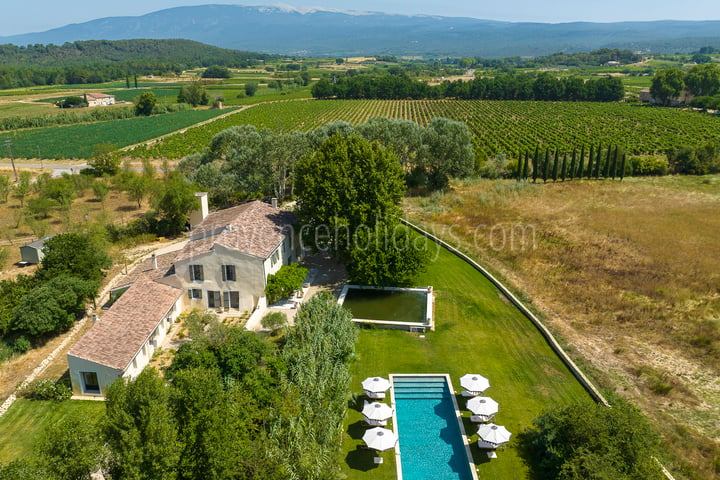
This philosophy is reflected in the dishes he designs for private dinners in Provence Holidays villas. Menus are built around the season and the guest’s preferences, whether that is a vegetable-forward meal, a focus on local lamb and poultry, or a tasting of Provençal classics reimagined in a contemporary way.
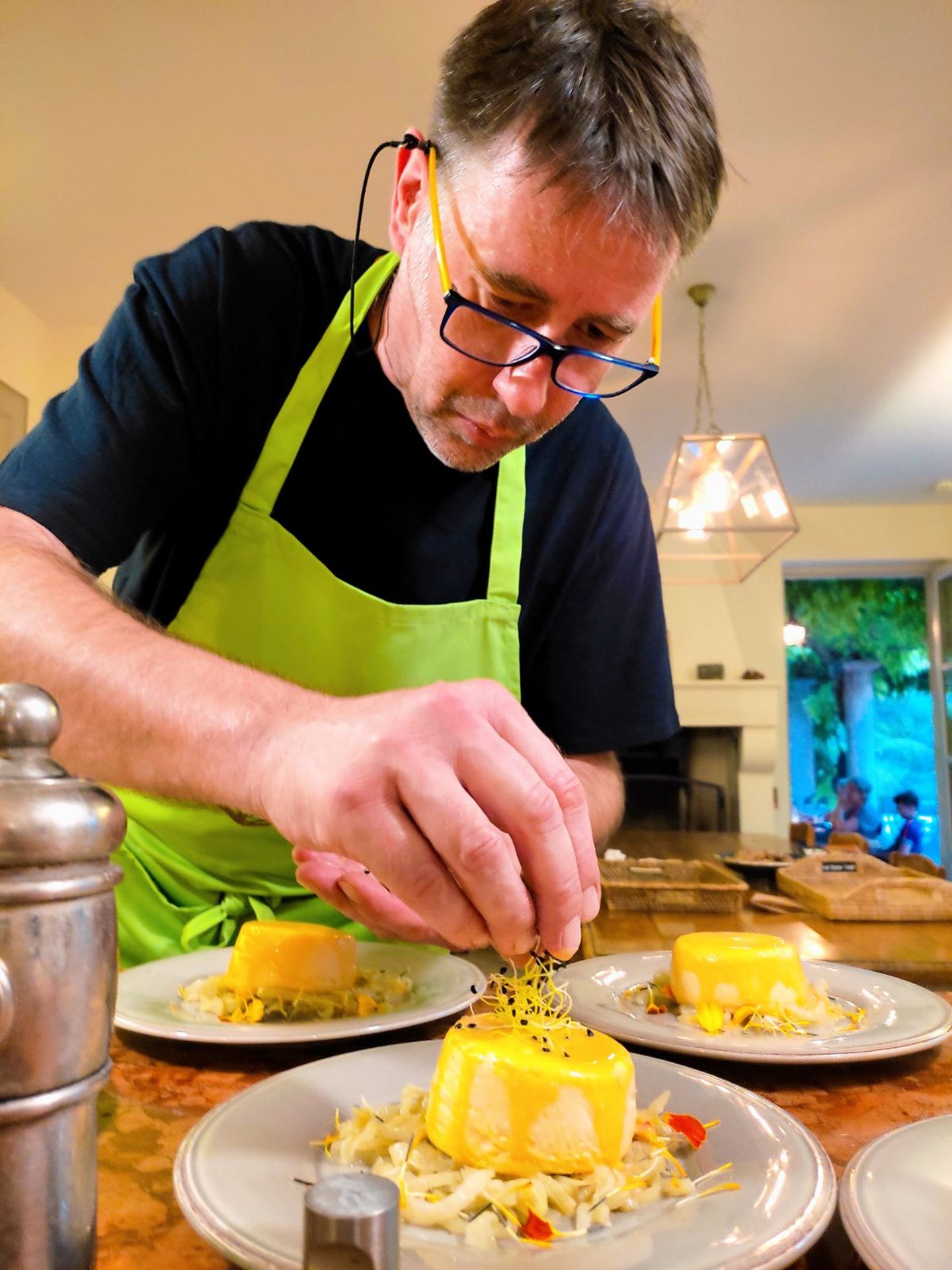
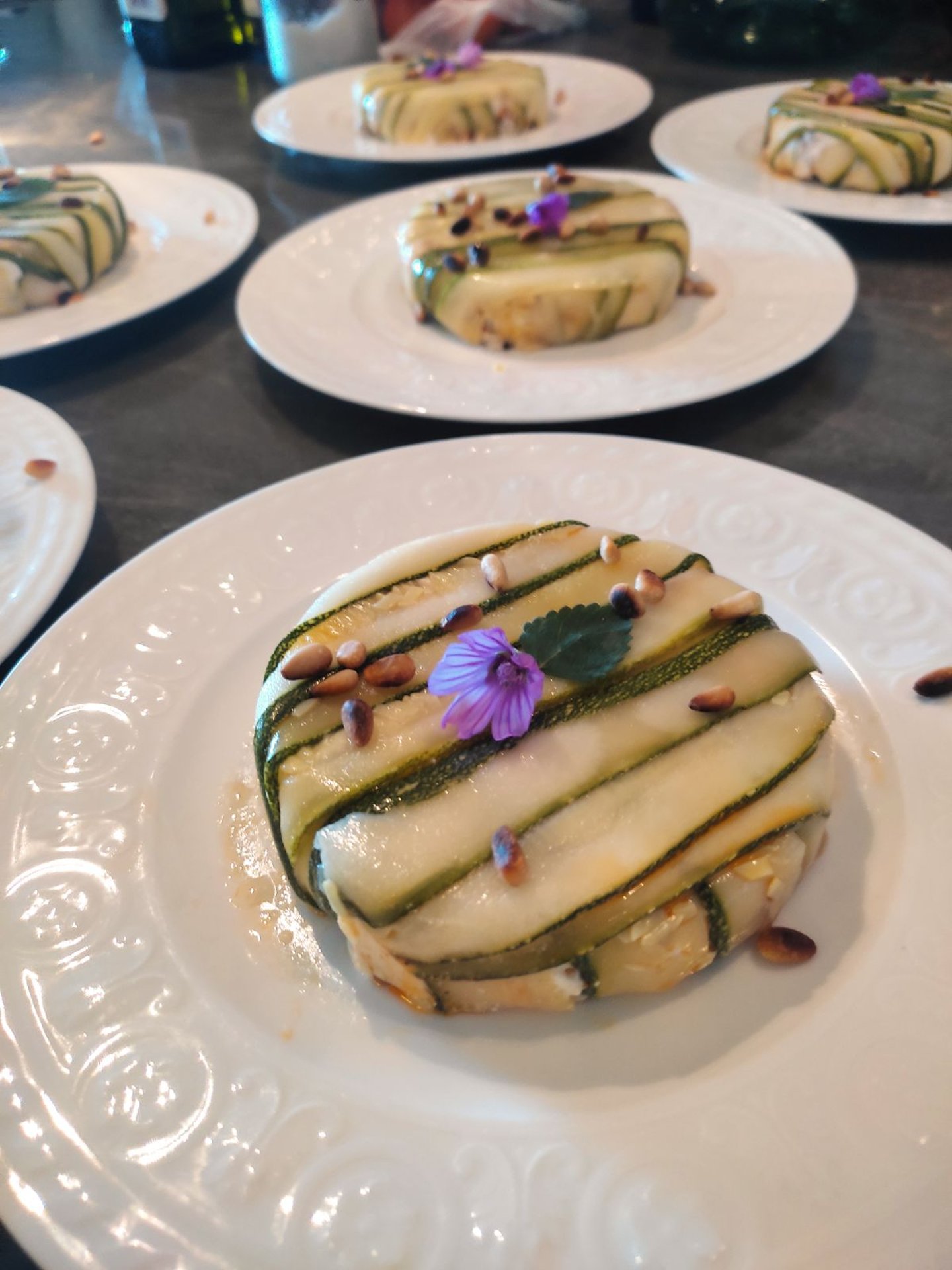
Recipe: Tian of courgette with confit lamb and lemon
To give a sense of how these ideas come together on the plate, Laurent shares a recipe for tian de courgette au confit d’agneau et citron – courgette tian with confit lamb and lemon. It brings together classic Provençal ingredients such as Sisteron lamb, local herbs and courgettes, with a few more personal touches like toasted sesame oil and fresh almonds.
This dish serves seven
Ingredients
- One shoulder of Sisteron lamb
- One onion
- One head of garlic
- Thyme, bay, rosemary, savoury
- 2 large courgettes
- Olive oil
- Salt and fleur de sel
- Wine vinegar
- Toasted sesame oil
- 50 grams of crushed fresh almonds
- 2 lemons
- Quarter litre white wine
Method
- Cook the lamb shoulder for 1 hour and 45 minutes in a casserole dish with enough water to cover, the white wine and Provençal herbs. Leave to cool in the cooking liquid.
- Slice the courgettes very finely lengthways and marinate for 1 hour with a little fleur de sel. Brush lightly with olive oil, then line ramekins or similar moulds with the slices, leaving some overhanging to fold over later.
- Shred the cooled lamb and season with wine vinegar, toasted sesame oil, lemon zest, sliced onion, crushed garlic, the toasted almonds and salt.
- Fill the courgette-lined moulds with the lamb mixture, press gently and fold the courgettes over the top.
- To make the sauce, reduce the lamb cooking juices until lightly thickened.
- Bake the tians at 140 degrees for 30 minutes.
- Turn out and serve hot. They work well with fresh ratatouille or polenta, alongside a chilled bottle of Provence rosé.
Chef Laurent's food captures the essence of Provence in a way that feels both contemporary and rooted. He cooks with the season as his guide, drawing from the markets, the growers and the traditions that define the region. For travellers staying in Provence Holidays villas, his menus offer an authentic way to engage with the south: a meal shaped by what is good now and by a chef who understands how to let those ingredients speak.
À bientôt,