What makes Nice special?
The Vieux Nice - the old town - is one of the finest quarters in France. Its character is distinctly Italian: the streets are narrow, the facades are painted in ochre and terracotta, the Baroque churches are numerous and the atmosphere is urban and lived-in rather than heritage-managed. The Cours Saleya hosts a flower and food market six mornings a week that is genuinely one of the best in the south of France, and the restaurants and cafés around it are the real article - patronised by the people who live there as much as by visitors.
The Promenade des Anglais is best understood in context: it was built by the English community to provide a walking route for winter residents who came here for their health, and it has been the defining feature of the Nice seafront since the early nineteenth century. Seven kilometres long, flanked by the sea on one side and the grand hotels on the other, it works best on foot early in the morning or at dusk, when the light over the Bay of Angels can be quite extraordinary.
The museums deserve more than a passing mention. The Musée Matisse, set in a seventeenth-century Genoese villa in the Cimiez district above the city, contains the world's most complete collection of the artist's work - he lived in Nice for most of the last forty years of his life. The Musée National Marc Chagall nearby holds the largest permanent collection of the artist's work in any public institution. The MAMAC - the Museum of Modern and Contemporary Art - occupies a striking modern building near the main square and covers European and American art from the 1960s onward.
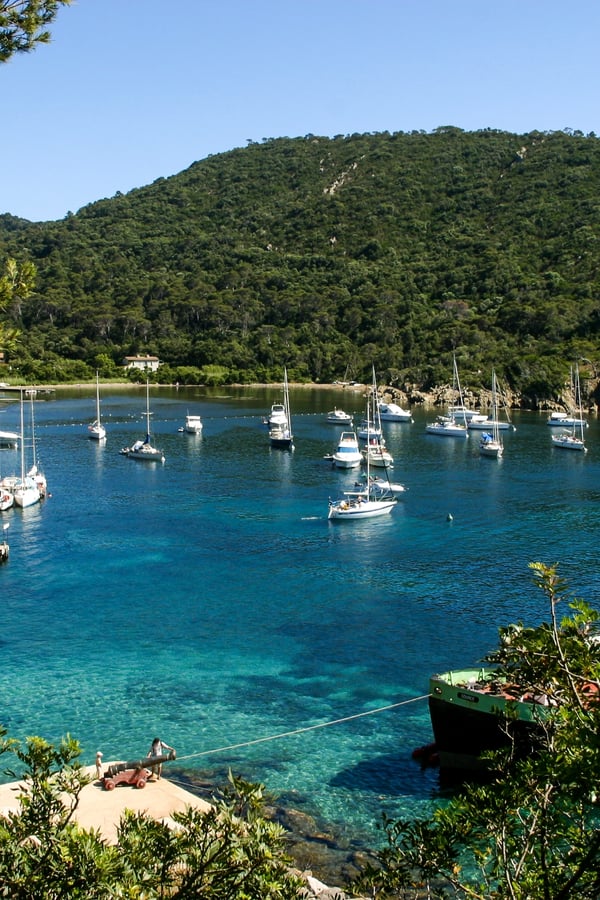
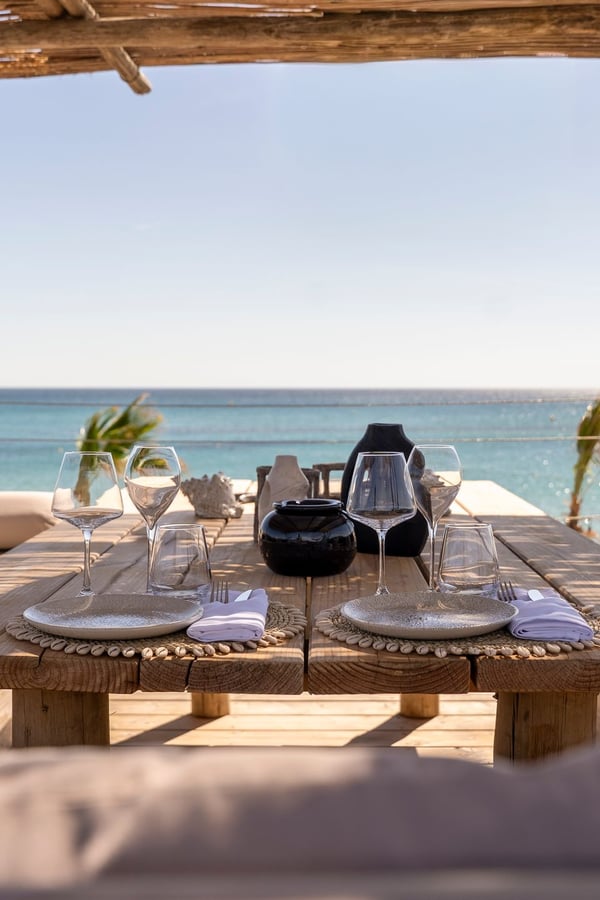
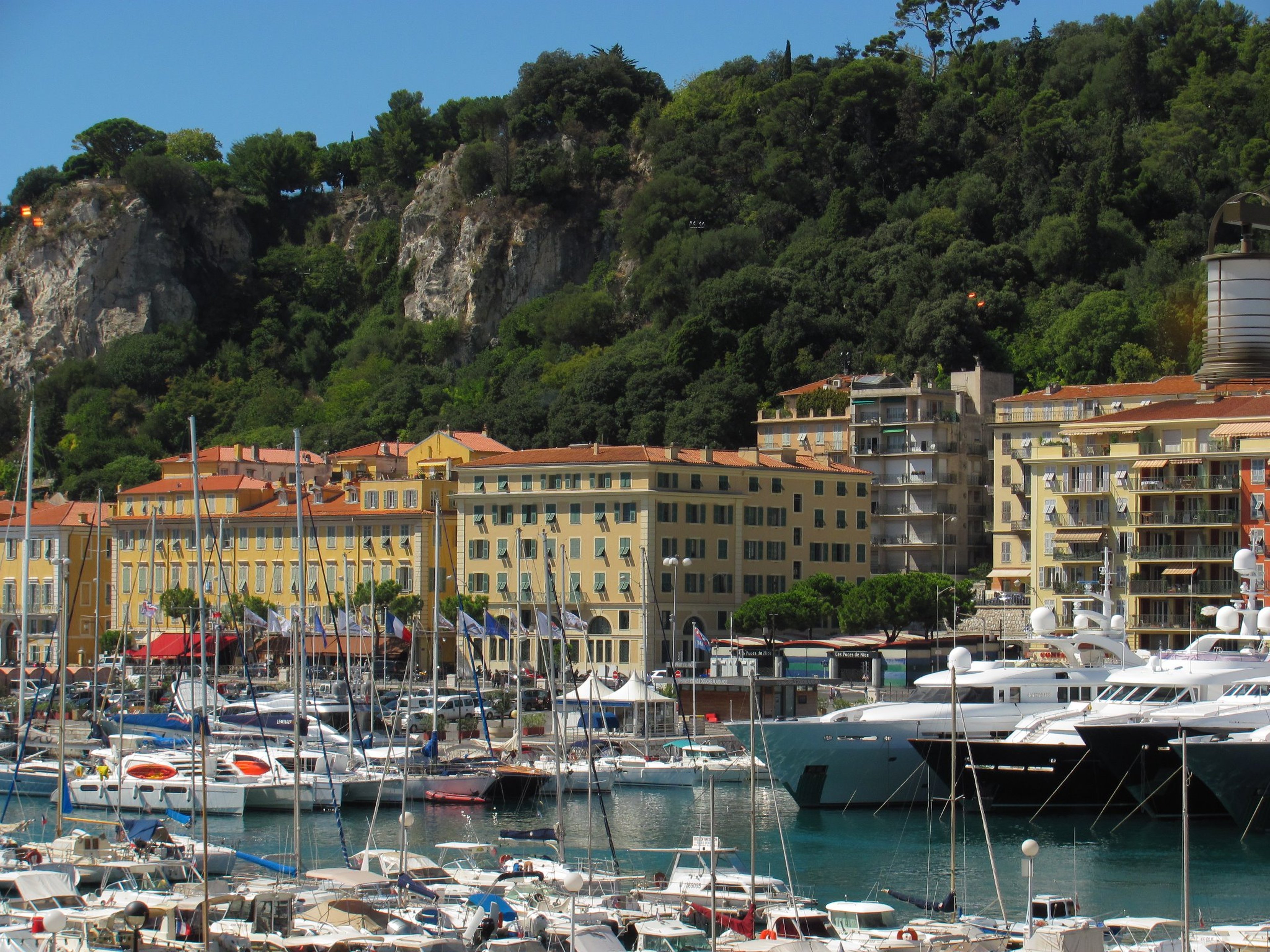
East of the old town, beyond the Colline du Château and the harbour, the coast road to Villefranche passes a series of smaller beaches and coves with their own beach clubs and a quieter character than the Promenade. This stretch of coastline - between Nice and the Cap Ferrat - is among the most beautiful on the entire Riviera and is best explored by someone who has seen the main attractions and is ready to look a little further.
What is our favourite thing about Nice?
Our favourite thing about Nice is the Cours Saleya on a Tuesday morning in May, before the tourist season has properly begun, when the flower stalls are at their most abundant and the market overflows with mimosa, roses and the first lavender of the year. It is the kind of scene that explains, completely and without any need for further argument, why this particular corner of France has been attracting visitors for250 years.
Where to stay in Nice
Discover our selection of properties in Nice
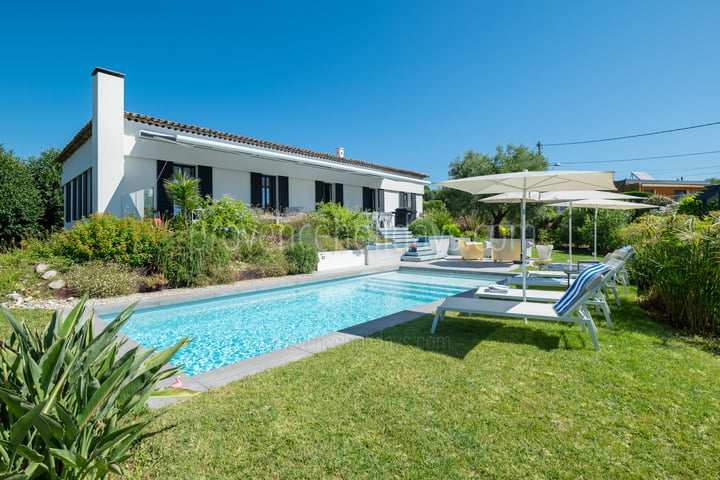
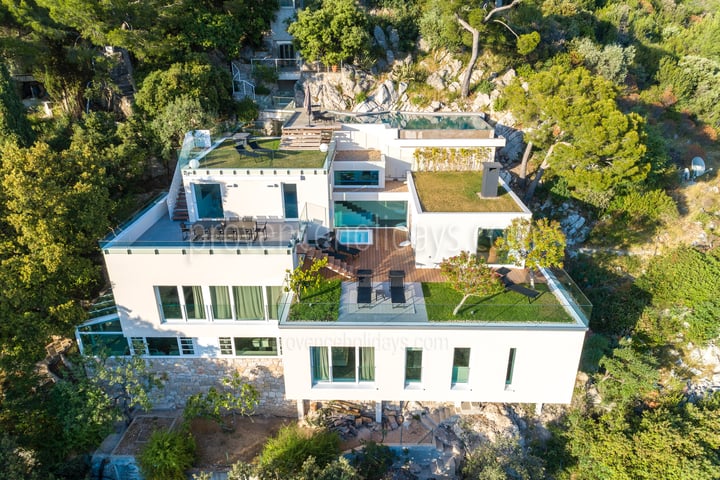
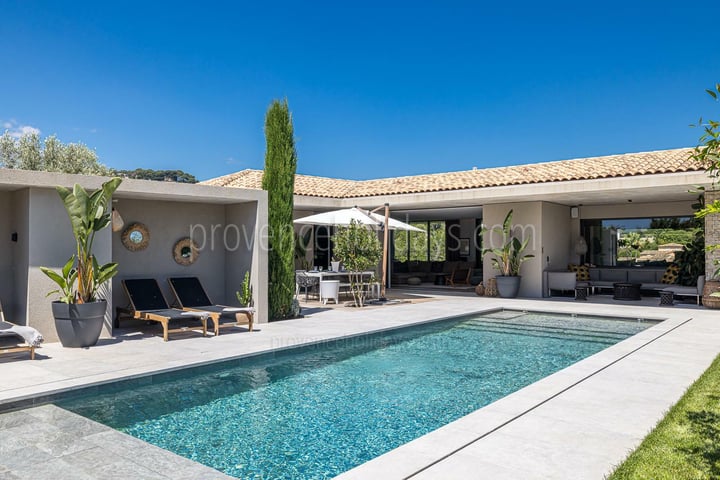
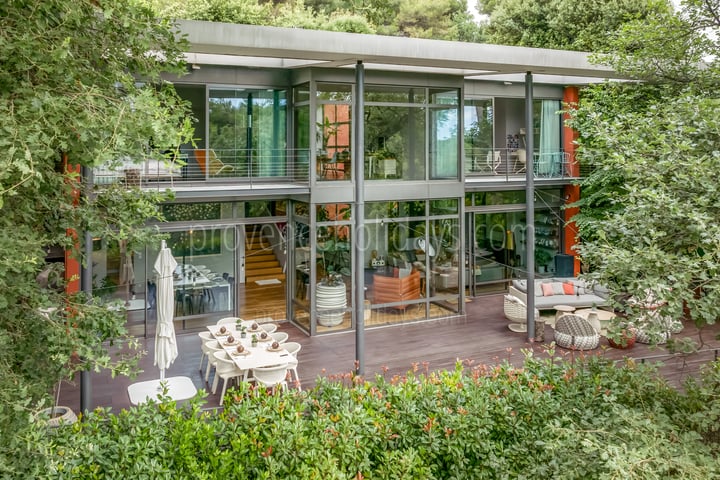
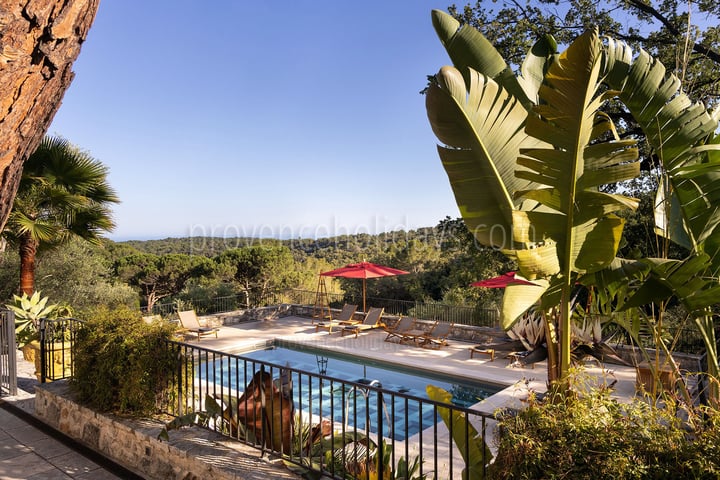
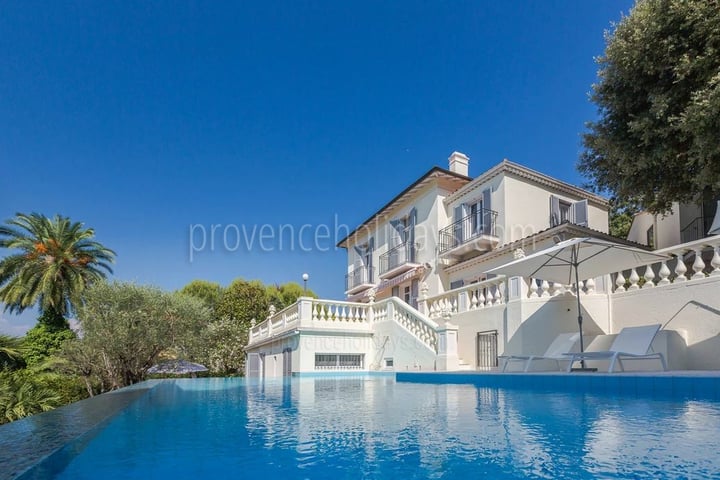
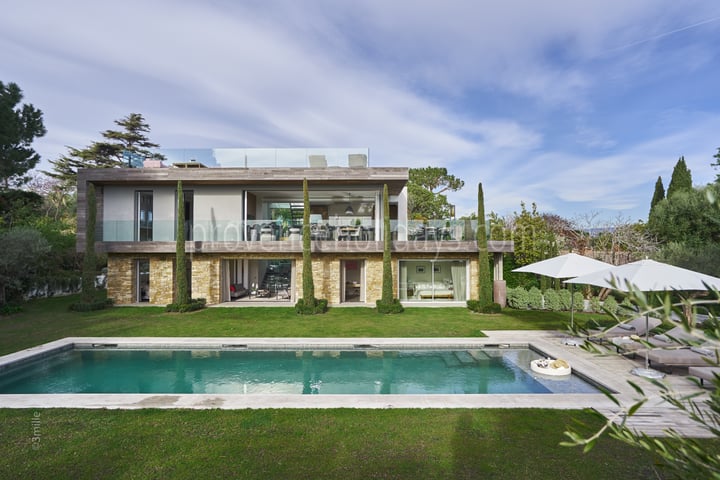
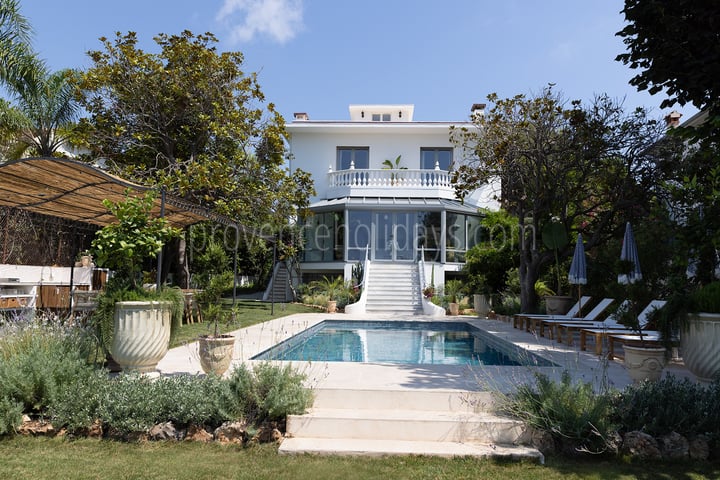
We pair exclusive holiday homes with completely tailored experiences
Our concierge service redefines luxury holidays, enhancing every stay, family holiday, or special occasion. Once you have confirmed your booking, you will be assigned a dedicated concierge who will arrange every detail, ensuring a memorable holiday from start to finish.

Food & Wine

Nature & Outdoors

Art & Culture
Entertainment
Sport & Wellness
Getting to Nice
By air to Nice Côte d'Azur Airport
Nice Côte d'Azur Airport is the second busiest in France and is served by direct flights from most major European cities and several intercontinental destinations. It sits virtually on the coast, four kilometres west of the city centre, and is reachable by tram, taxi or bus in under twenty minutes. The approach by air over the Bay of Angels, on a clear day, is one of the more memorable arrivals in European aviation.
By train along the Riviera
Nice is on the main TGV line from Paris, with journey times of around five and a half hours, and the regional rail service connects it to all the major towns along the coast. Arriving by train into Nice Ville station, a short walk from the Promenade, is the most civilised and reliable option from most points along the French and Italian Riviera. The coastal train west to Cannes or east to Monaco and Menton runs frequently and is scenic throughout.
Useful information about Nice
History and architecture
Nice was Greek before it was Roman, Roman before it was Savoyard, and Savoyard until 1860 when it was ceded to France following a plebiscite organised by Napoleon III. That history of multiple identities explains the Italian character of the old town, the strong sense of Niçois identity distinct from broader French culture, and the cuisine - socca, pissaladière, pan bagnat - that belongs entirely to this city and its hinterland.
Cultural attractions
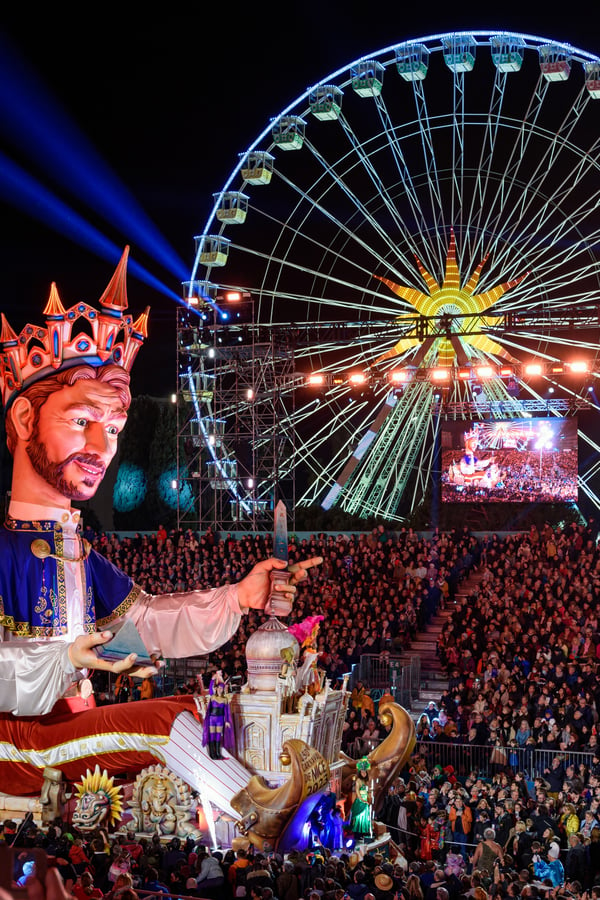
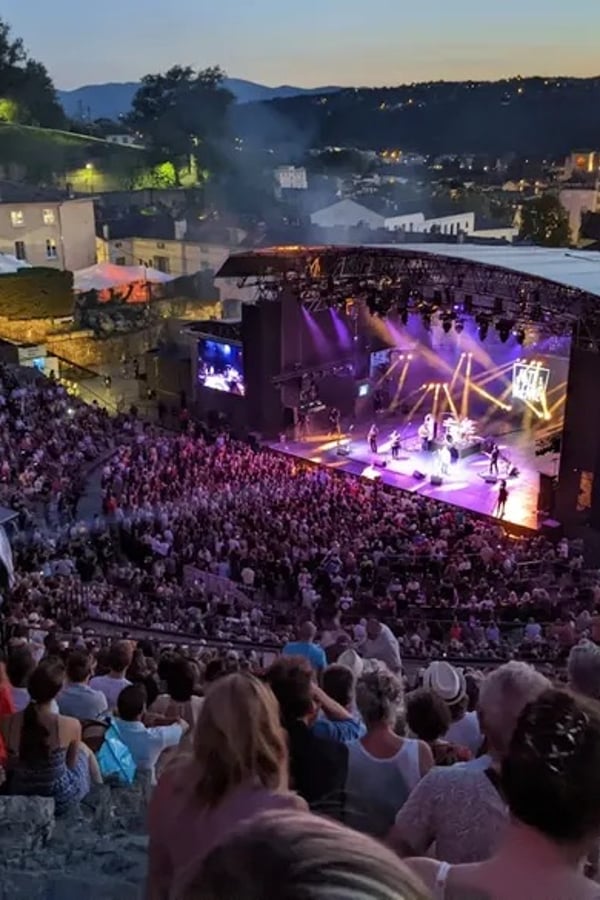
The Musée Matisse, Musée Chagall and MAMAC form the core of a museum offer that is exceptional for a city of this size. The Nice Jazz Festival, held each July in the gardens of the Cimiez monastery, is one of the oldest in Europe. The Opéra de Nice runs a serious programme through the winter season. The Carnaval, held each February, is the second largest in France after the one in Paris.
Natural beauty
The Bay of Angels provides the coastal setting, with the beach clubs and pebble beaches of the Promenade the primary outdoor resource. The Colline du Château - now a park with views in every direction - is accessible by lift or foot. To the east, the coastline towards Villefranche and Cap Ferrat is exceptionally beautiful. The arrière-pays - the hill villages inland - are within an hour's drive and offer a landscape of an entirely different character.
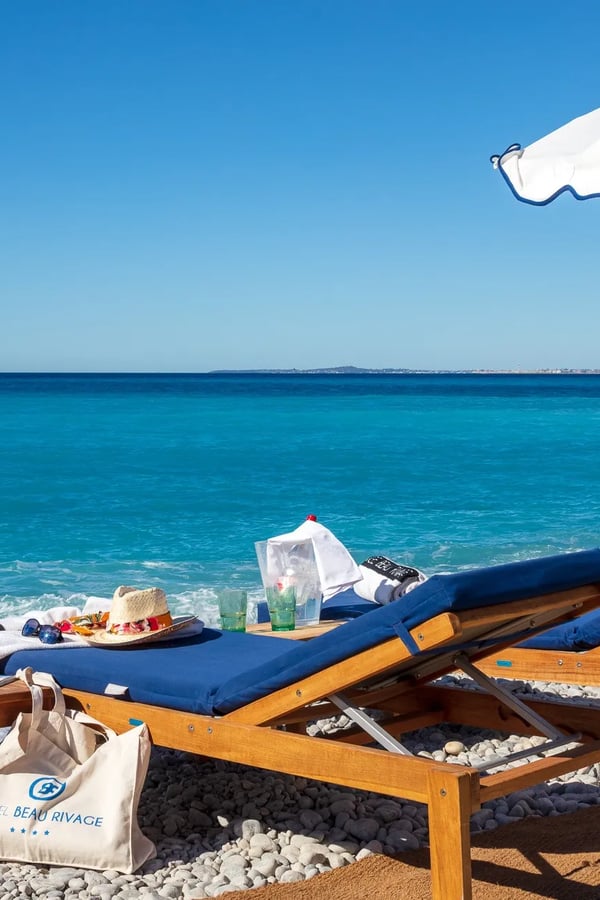
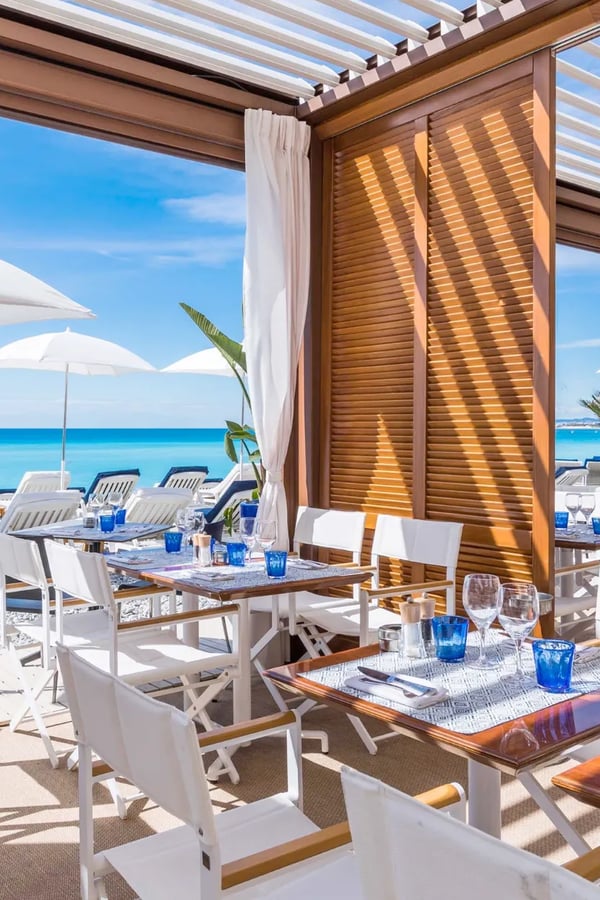
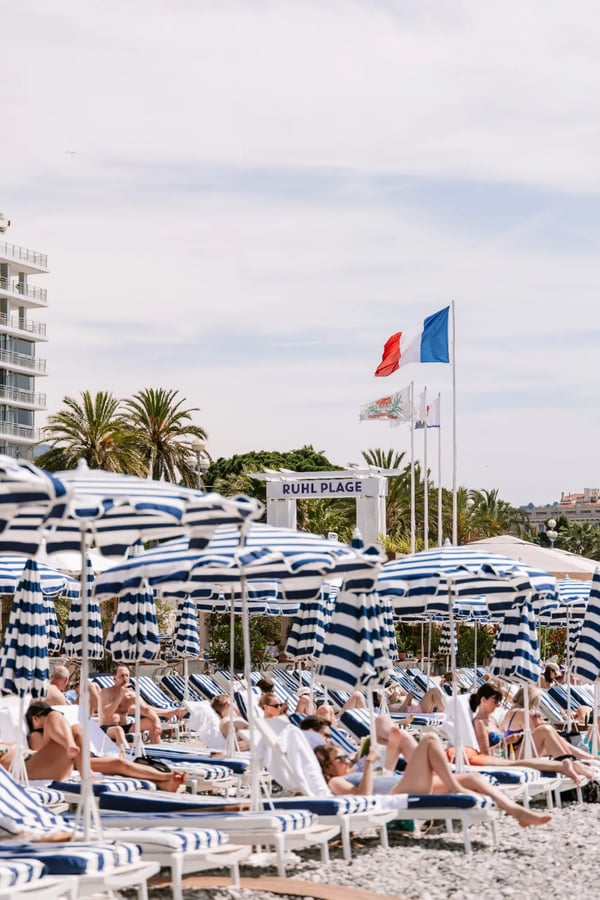
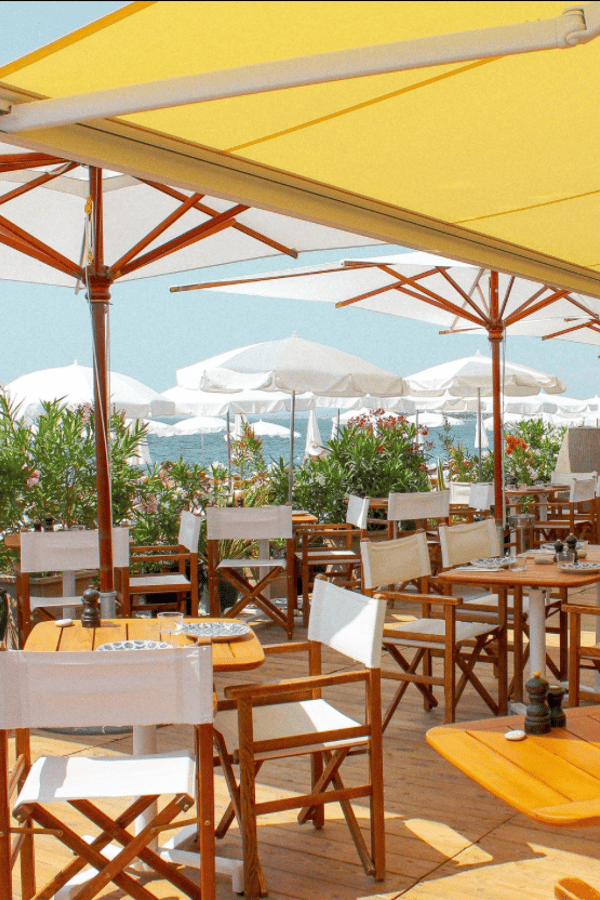
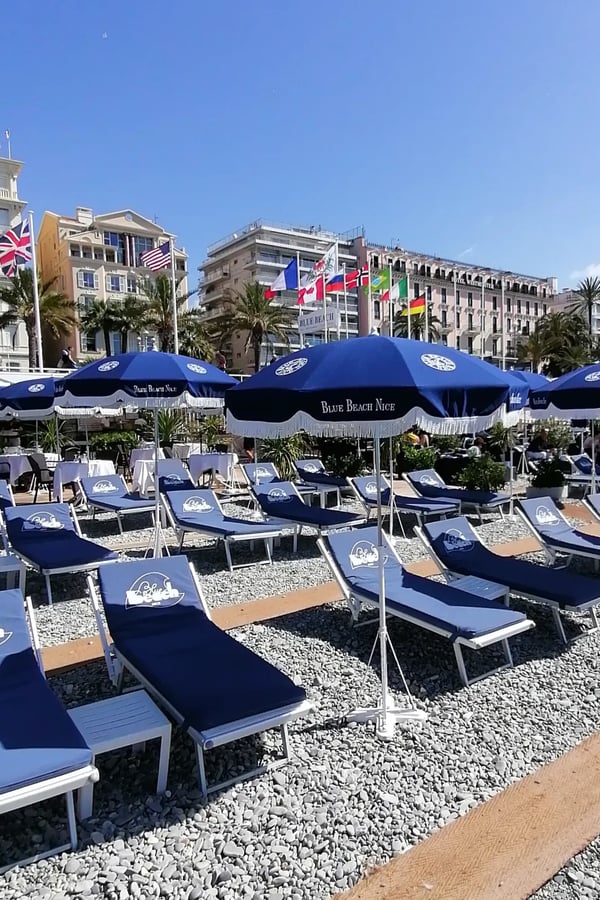
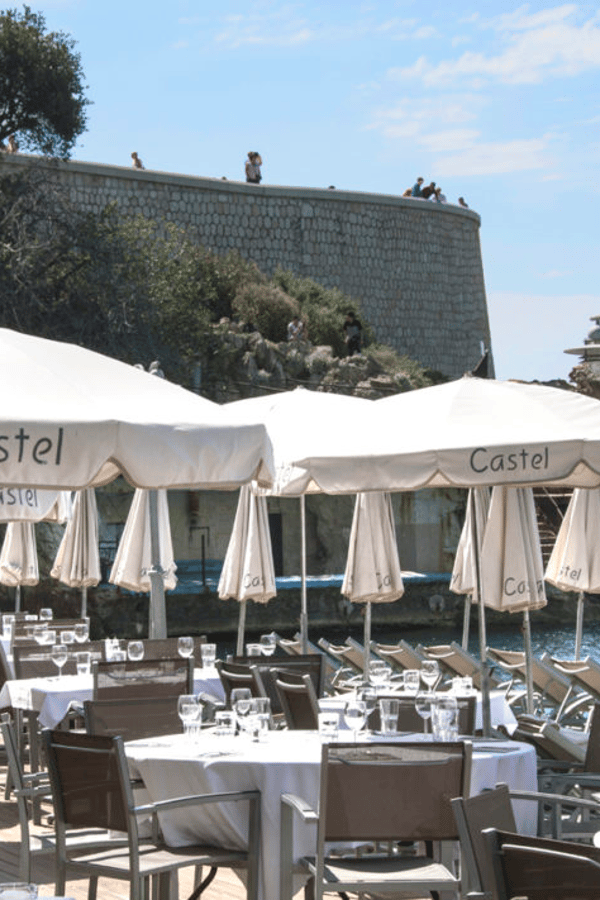
Reserve your beach club
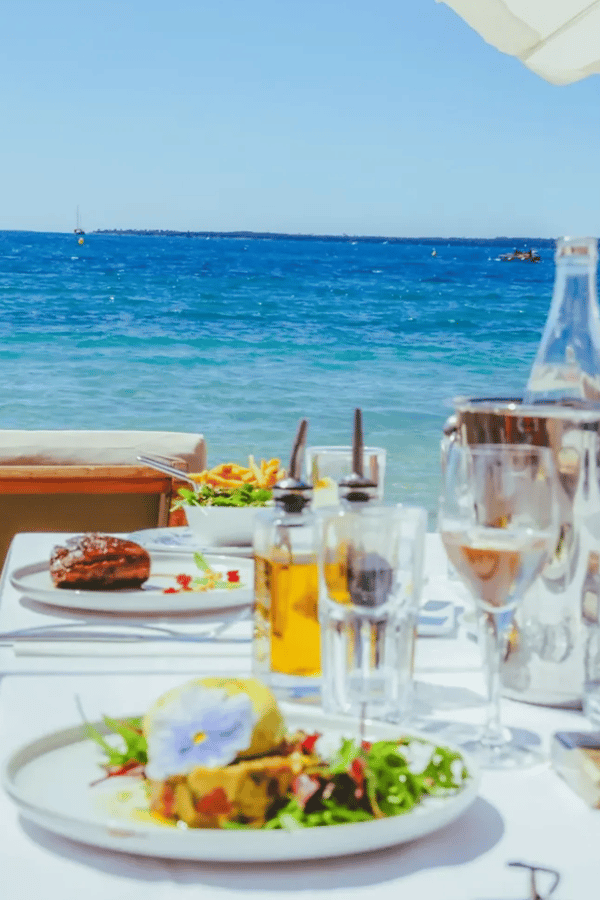
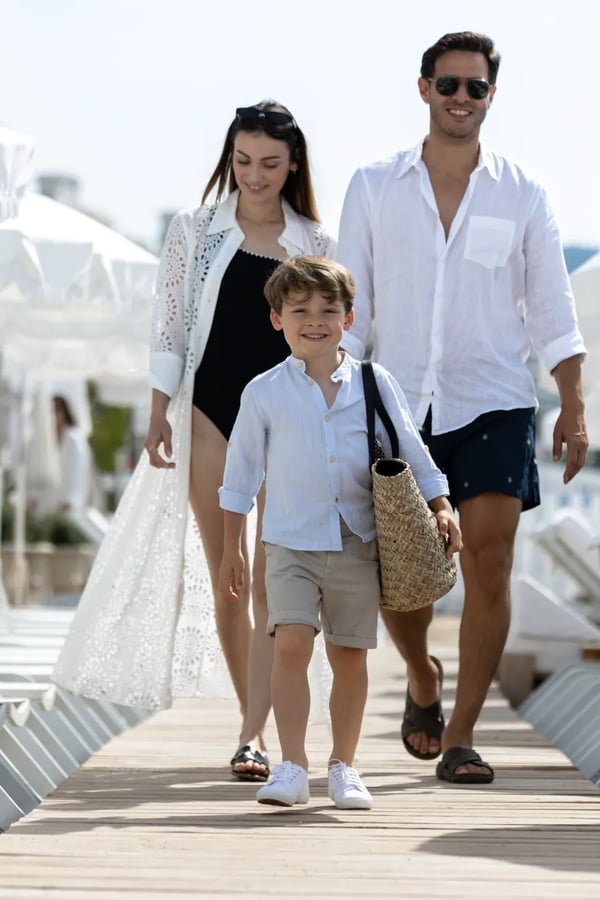
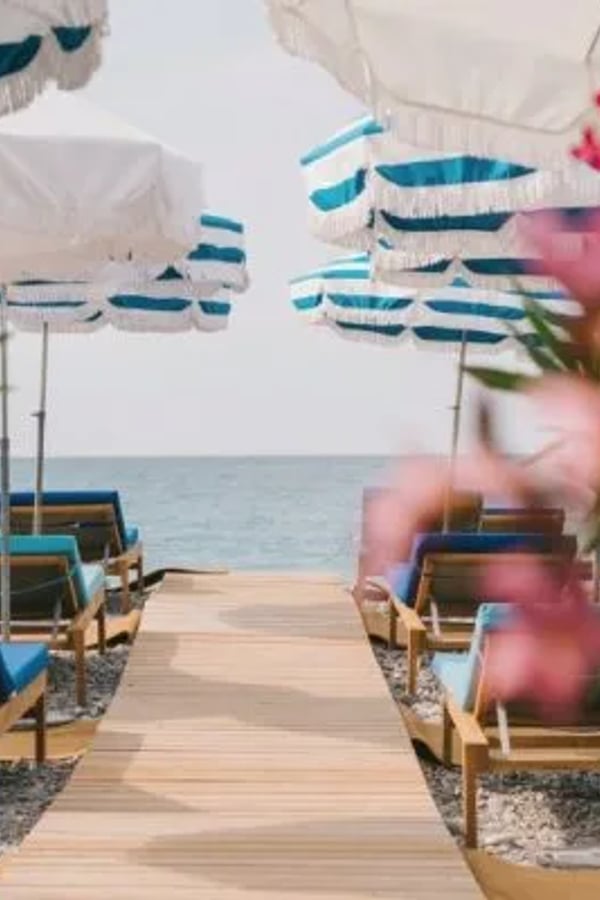
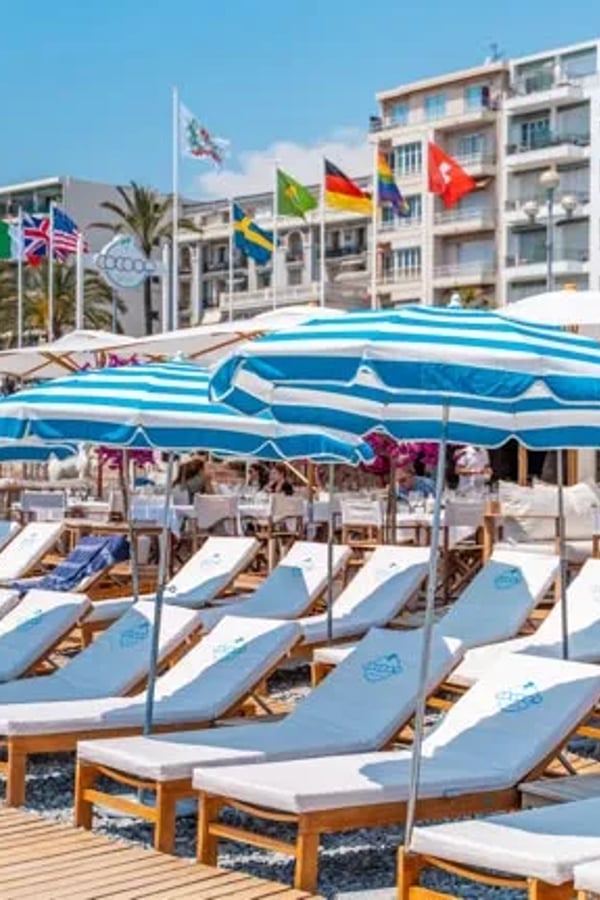
No Riviera holiday is complete without a day at the water's edge. Browse and book at the finest beach clubs near your villa today.
Explore activities nearby
Our hand-picked selection of the best experiences near your villa.
Discover Provence with us
Our magazine encourages you to truly live and breathe the essence of the region. From secret villages to culinary treasures, experience Provence authentically with us.