When the nights draw in and the autumn winds sweep across the hills of Provence, stories of spirits, monsters, and saints take on a certain resonance.
Across the villages of the Luberon, the Alpilles, and the Rhône Valley, folklore has always been a way of explaining the unexplainable. Farmers and shepherds once gathered around the hearth, sharing tales that blended Catholic saints with ancient pagan beliefs. This article takes you through some of Provence’s most enduring legends, from dragons and werewolves to haunted bells and mountain witches, alongside the traditions that still shape village life around All Saints’ Day. As Halloween approaches, and with La Toussaint and All Souls’ Day following just after, it is the perfect moment to rediscover the myths and customs that still echo across the region.
The Tarasque of Tarascon
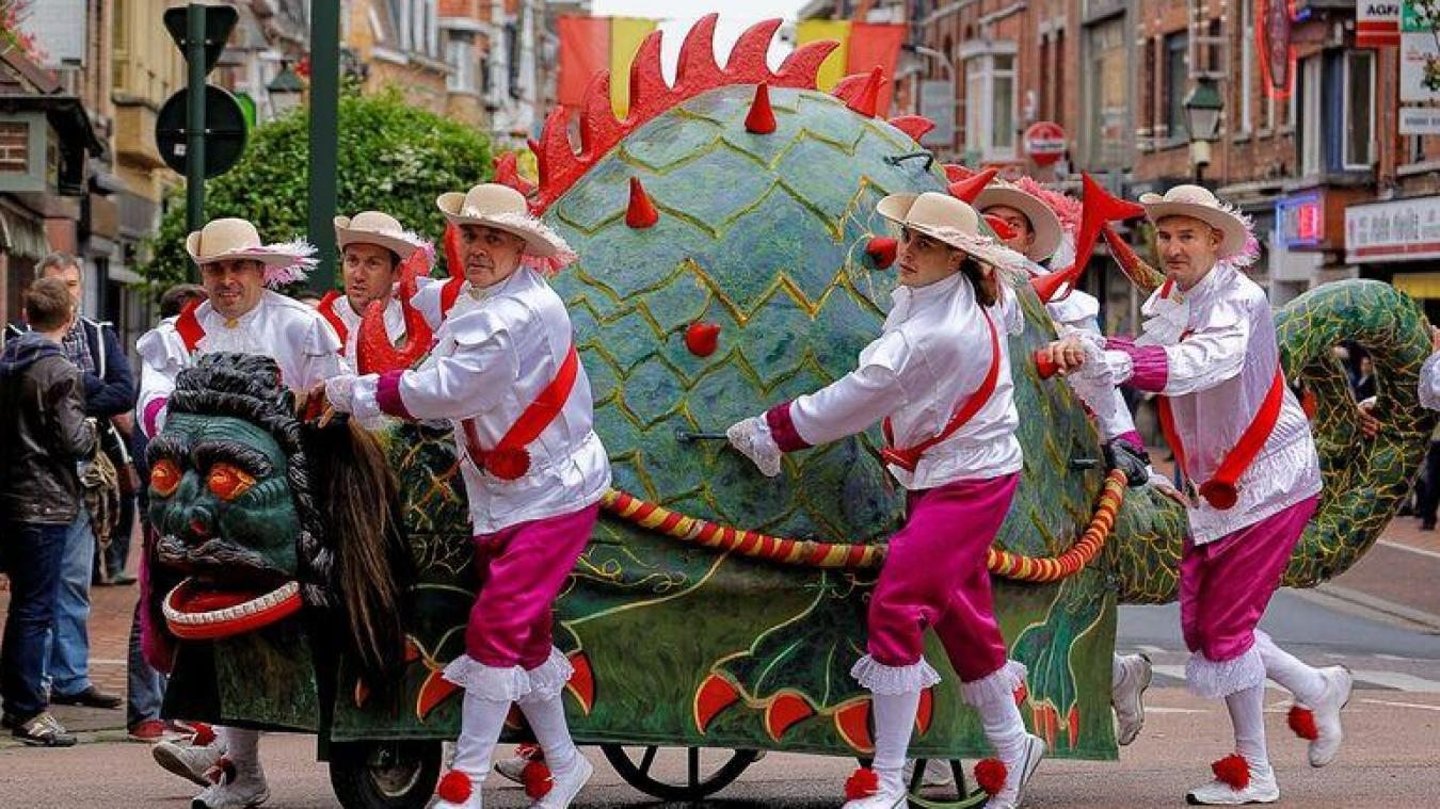
Perhaps the most famous creature in Provençal folklore is the Tarasque, a dragon said to have terrorised the banks of the Rhône near Tarascon. Described as a half-beast, half-reptile with a lion’s head, a turtle’s shell, and six bear-like legs, the Tarasque ravaged the countryside, devouring livestock and men alike.
According to legend, it was Saint Martha, sister of Mary Magdalene, who tamed the beast. She crossed the Rhône, calmed the monster with hymns and holy water, and led it back to Tarascon. The terrified townspeople killed it on sight, but they later repented, honouring the creature in annual festivals that continue to this day.
The Fête de la Tarasque in Tarascon still parades a giant model of the dragon through the streets, drums beating and bells ringing. It is part pageantry, part remembrance of how folklore and faith intertwine. For visitors, it is a vivid reminder of how a terrifying tale from the Middle Ages is still alive in modern Provence.
The Loups-Garous of Provence
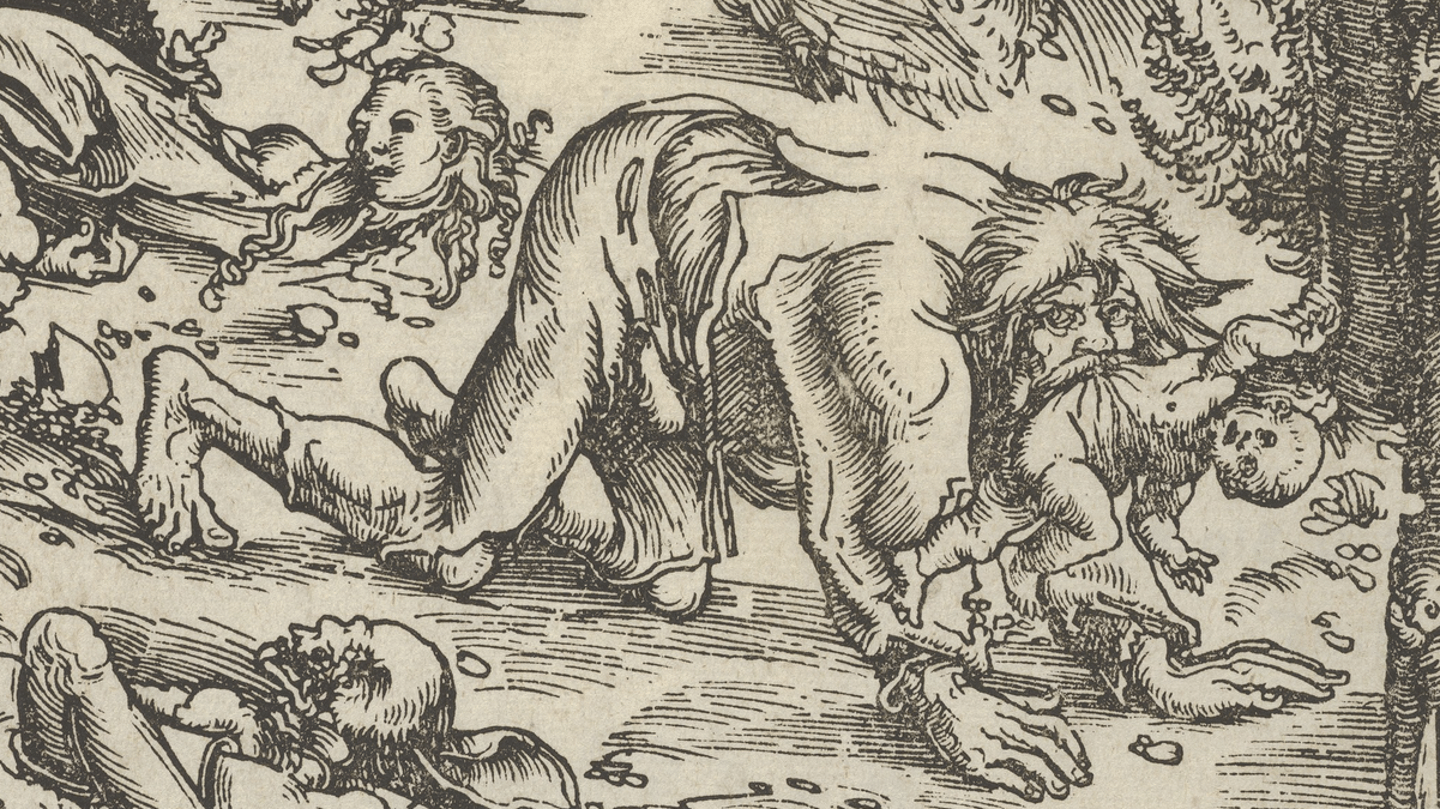
While wolves have long roamed the mountains of Provence, tales of loups-garous, werewolves, were whispered across generations. In the forests of the Luberon and the remote valleys of the Vaucluse, peasants once feared that those who broke taboos or made pacts with the devil could transform into half-human, half-wolf creatures.
These legends reached their height in the sixteenth and seventeenth centuries, when belief in witchcraft and shape-shifters was strong. Villagers told of children disappearing in the woods, their fate blamed on loups-garous. To ward them off, crosses were carved into door frames, and prayers were said on nights of the full moon.
Though wolves were hunted nearly to extinction, stories of loups-garous lingered. Even today, hikers in the Luberon sometimes joke about strange noises in the night. These werewolf tales capture how old fears of wilderness and darkness shaped rural imagination.
The Bell-ringer of Les Baux
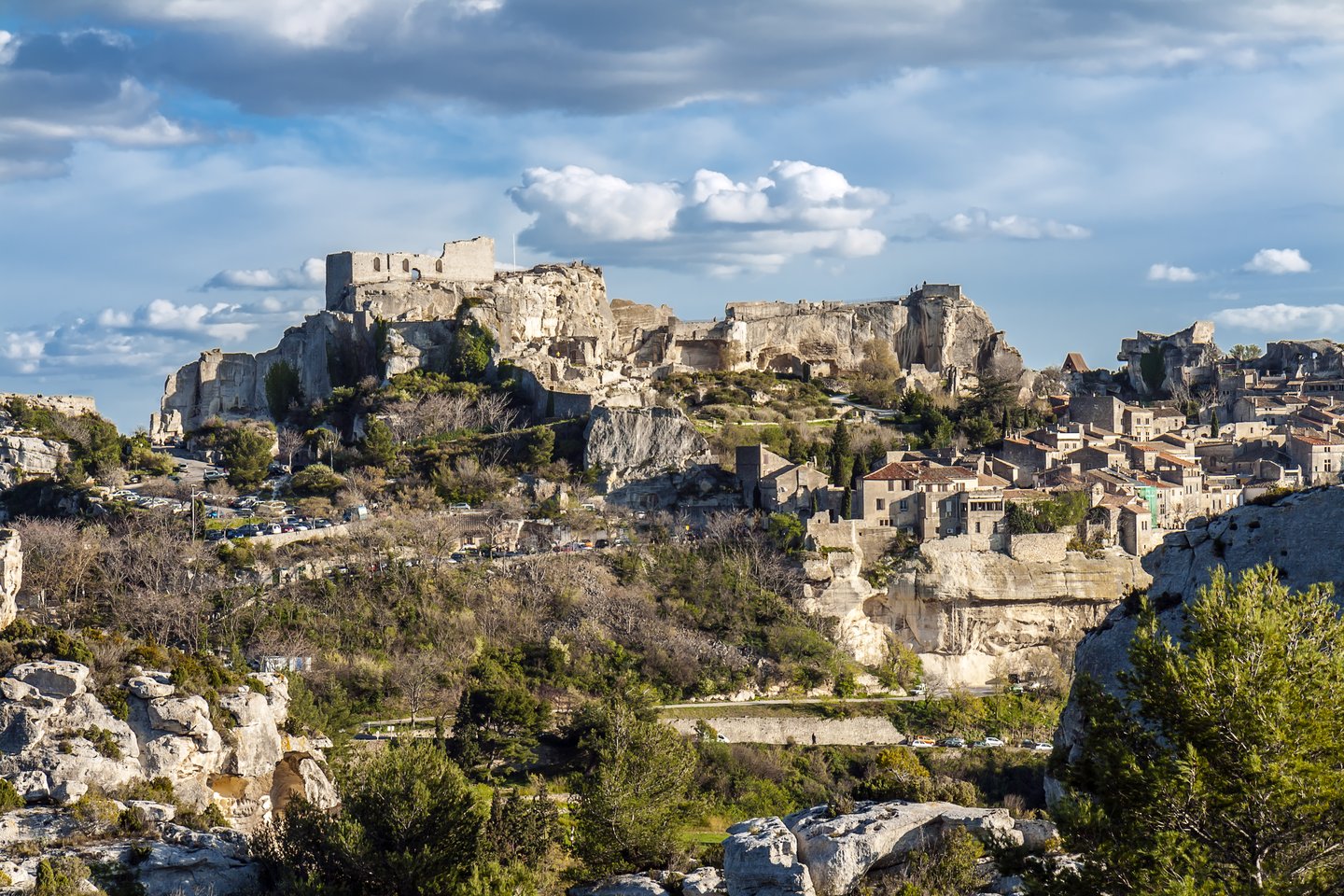
The hilltop fortress of Les Baux de Provence is famous today for its ruined castle and sweeping views. Yet it also carries a reputation for ghostly presences. One of the oldest tales is that of the Bell-ringer of Les Baux. According to legend, during the Wars of Religion, a young bell-ringer refused to abandon his post as Protestant troops stormed the village. He rang the bells to warn the villagers but was killed in the tower. Locals say his spirit lingers, and on stormy nights a faint tolling can be heard even though the bells are silent.
The story persists because Les Baux, perched on its limestone crag, has always felt charged with atmosphere. Wandering its narrow streets at dusk, one can easily imagine echoes of centuries past. Whether one believes in ghosts or not, the tale adds a certain thrill to exploring this dramatic site after dark.
The witch of Mont Ventoux
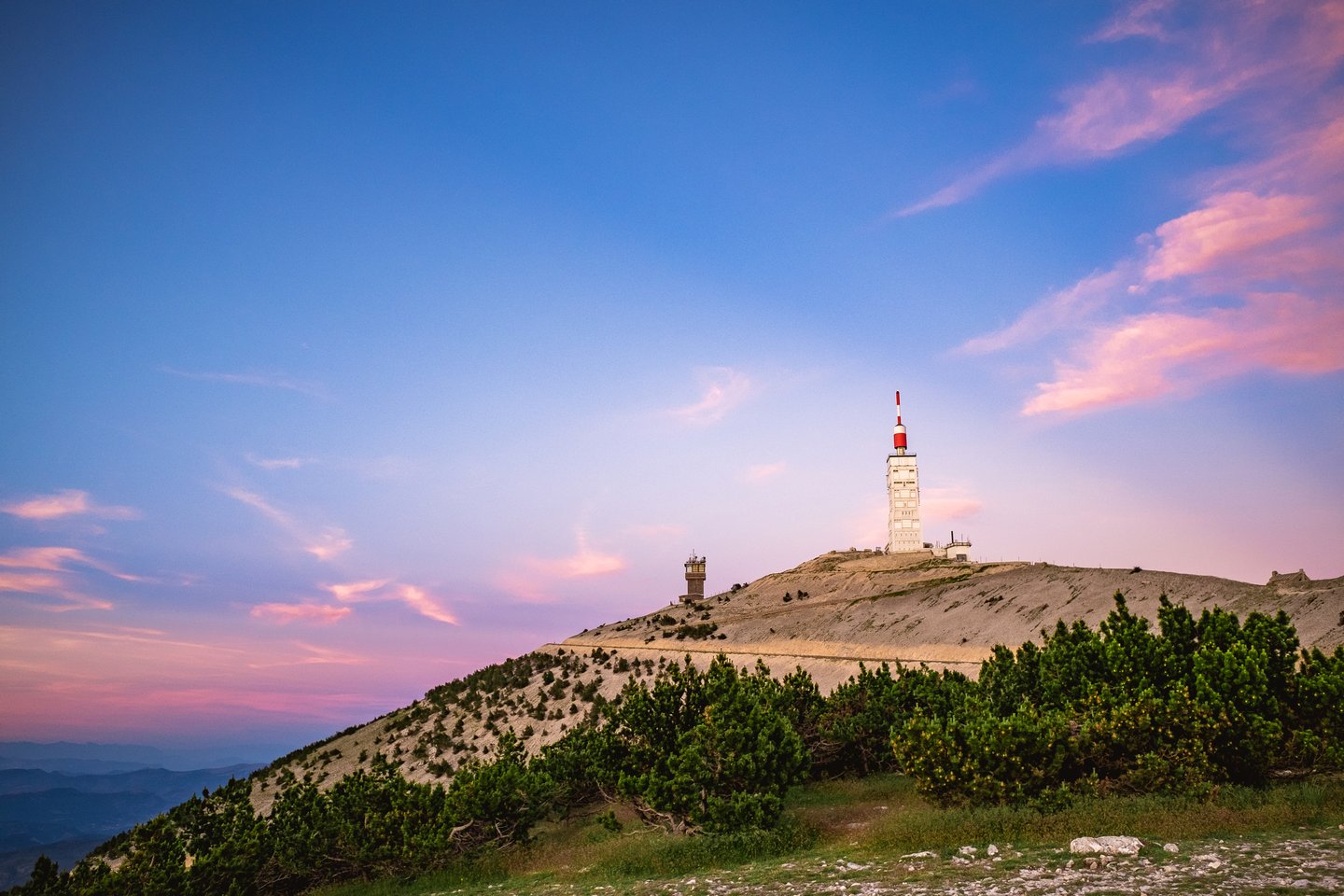
Mont Ventoux dominates northern Provence, known today as a cycling challenge and nature reserve. Yet for centuries it was feared as a place of sorcery. Shepherds and travellers told of witches gathering on its slopes, especially during storms when lightning cracked across the peak.
One enduring tale is of a woman accused of witchcraft in a village at the foot of Ventoux. Locals believed she could summon winds and ruin harvests. When she vanished one night, rumours spread that she had flown to the summit to join a sabbath of witches.
In reality, the harsh mountain weather and isolation likely gave rise to these stories. But even now, when Ventoux is shrouded in cloud, it is easy to understand why earlier generations saw it as a landscape where supernatural forces might gather.
All Saints’ and All Souls’ traditions in Provence
Folklore in Provence is not only about fear. Around the end of October and start of November, traditions tied to All Saints’ Day (La Toussaint) and All Souls’ Day (Le Jour des Morts) highlight remembrance and ritual. Families visit cemeteries, bringing chrysanthemums to graves, and lighting candles in memory of loved ones. In some villages, old customs survive in which food was left out for wandering souls or where children went door to door, not unlike Halloween traditions elsewhere. These practices reflect the blending of Catholic ritual with older seasonal rites honouring the dead.
Today, while Provençal children may dress up for Halloween, many households also mark La Toussaint by gathering family, tending graves, and sharing stories. It is a period where the boundaries between past and present feel thinner, giving folklore its enduring power.
The legends of the Tarasque, loups-garous, haunted bells, and mountain witches are not only stories to amuse or frighten. They also reveal how Provençal communities made sense of their world: the dangers of rivers and wolves, the power of storms, the fear of war, and the importance of saints as protectors. For visitors, exploring these tales adds depth to the experience of the region. Seeing the dragon paraded in Tarascon, walking through the ruins of Les Baux, or gazing up at the shrouded peak of Ventoux becomes richer when one knows the folklore behind the landscape.
As autumn settles and Halloween blends into La Toussaint, Provence offers its own distinctive take on this season: a tapestry of myth, memory, and tradition that connects past generations to the present. Happy Halloween, everyone.
À bientôt,
The Provence Holidays Team