Gordes is one of the most visited villages in France, and in summer that is very noticeable. October is entirely different. The coach parties are gone, truffle season is beginning, the abbey field has been cut and the village feels like itself again. Here is how to make the most of it.
Why October is the right time
Gordes receives more visitors per year than almost any other village in France, and in July and August the experience reflects that. The approach road from the D15, the most famous viewpoint looking up at the stacked houses against the cliff face, involves queuing for parking and competing for a clear photograph. The village streets are crowded by mid-morning and remain so until late afternoon.
By mid-October, this has changed almost entirely. The parking is free and plentiful, the streets of the old village are walkable at any pace, and the restaurants that stay open after the summer season are often better than those that cater primarily to the high-season trade. Prices at accommodation in the village and surroundings drop noticeably. The weather is generally mild and dry in early October, with daytime temperatures that are comfortable for walking and evenings that require a light jacket.
In October here: truffles, the abbey, and autumn on the plateau
October brings a particular set of pleasures to Gordes and the Luberon plateau that are entirely absent in summer. The truffle season begins. The plateau around Gordes and the oak forests of the Luberon are among the best truffle territories in the Vaucluse, and October is when the first black Perigord truffles, Tuber melanosporum, begin to be found. The season proper runs from November to March, but by late October the early harvest is underway and the markets at Apt and Coustellet carry the first truffles of the year alongside ceps, pieds de mouton and other autumn fungi. For guests staying in the area in October, a visit to the Sunday Coustellet market, twelve kilometres north-east, is the best introduction to the autumn market calendar in the Luberon.
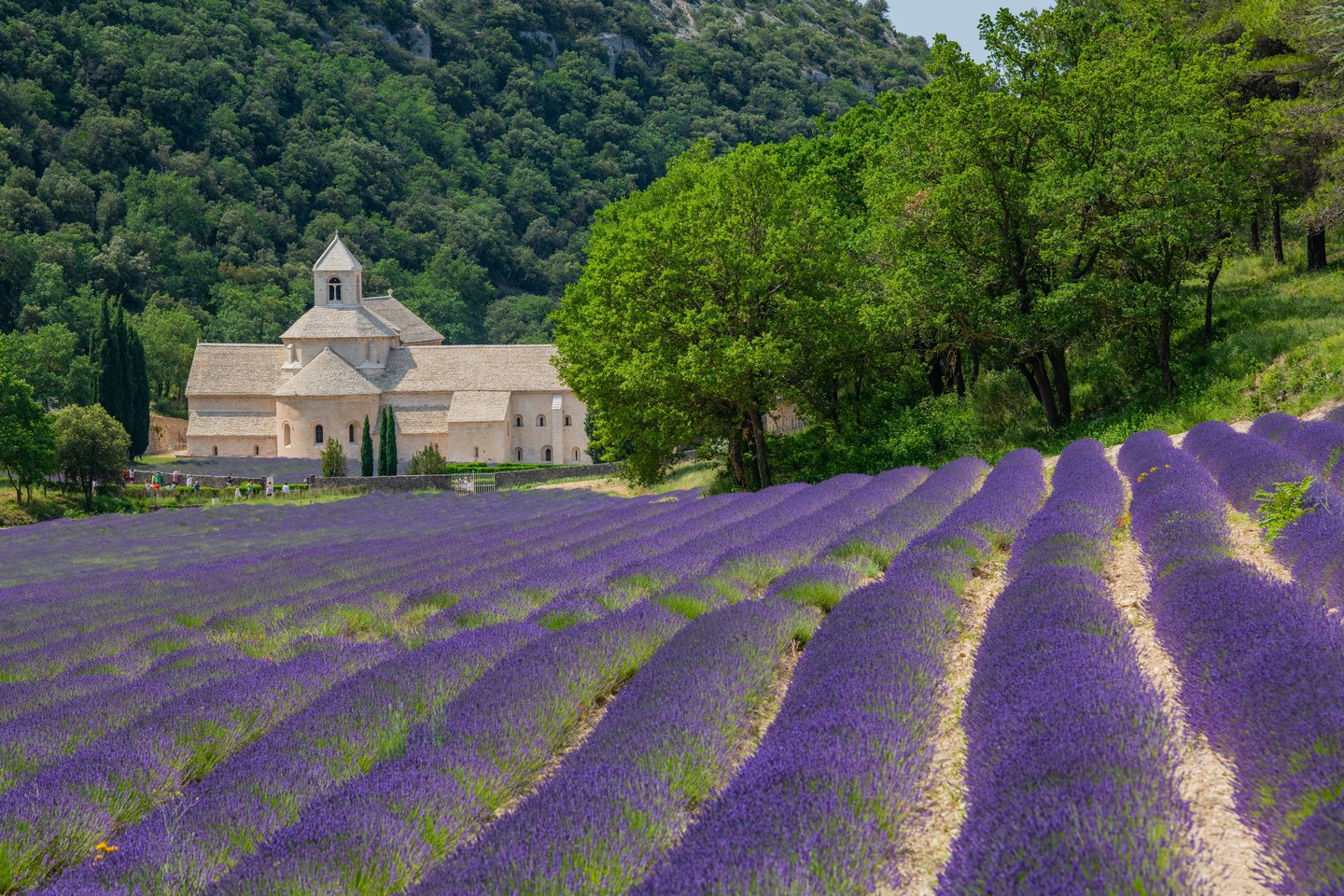
The Abbaye de Senanque undergoes its own October transformation. The lavender fields that make the abbey the most reproduced image in Provence are cut by late summer, and what replaces them in October is something less obvious but, in its way, more interesting: low grey-green mounds that direct attention to the building itself rather than the foreground. The twelfth-century Cistercian architecture, spare, proportional and built for contemplation, is considerably easier to appreciate when it is not framed by a crowd of photographers or a carpet of purple. The monks continue to live and work in the active part of the building, which is closed to visitors. Guided tours of the church, cloister and communal spaces run throughout the day. The October light, lower and more angled than in summer, suits the stone perfectly.
The oak trees on the plateau are beginning to colour in October, adding a brief but genuine autumn palette to the Gordes landscape. The drive from Gordes to the Abbaye de Senanque, a winding road through oak scrub and garrigue, is one of the more atmospheric short drives in the Luberon at this time of year: cool, wooded and smelling of thyme and damp earth after the first autumn rains.
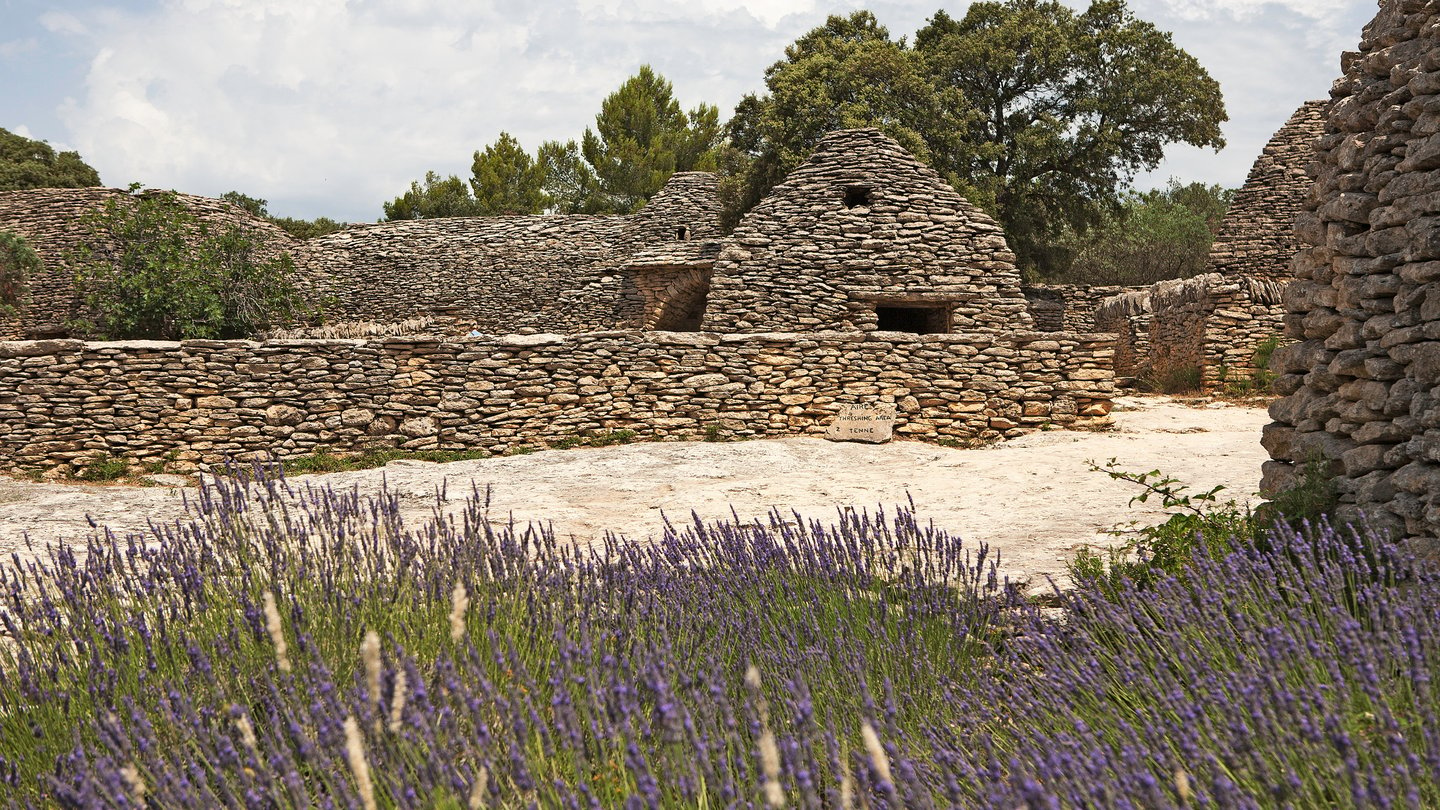
The Village des Bories, three kilometres south of Gordes, is best visited in October precisely because it is rarely crowded. The dry-stone structures, built without mortar from the flat limestone of the plateau, are among the best-preserved examples of this building type in Provence, and the surrounding landscape of garrigue scrub, low limestone walls and the distant Luberon ridge makes the context clear. The visit takes about forty-five minutes at a comfortable pace. In the lower temperatures of October, the path between the structures is more pleasant to walk than in the heat of summer.
The village
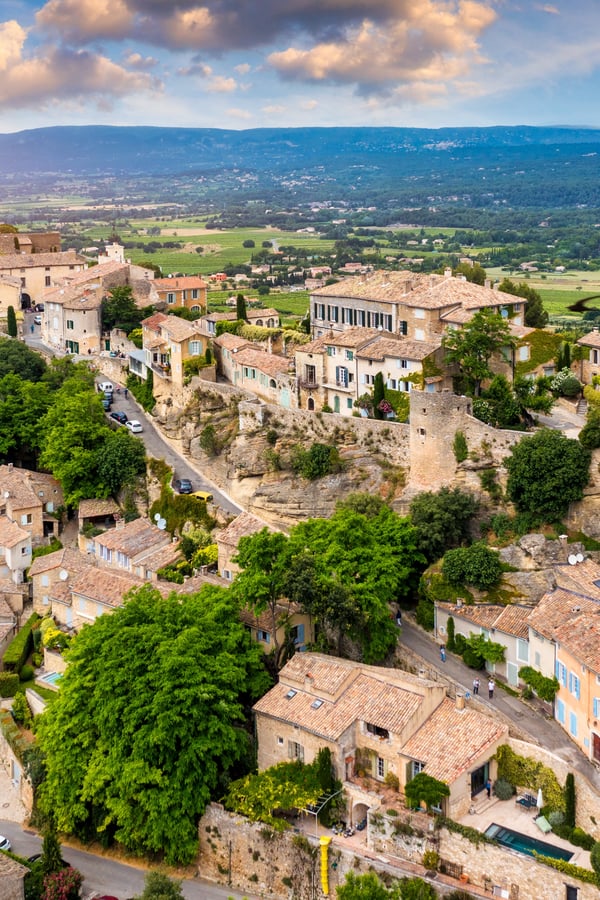
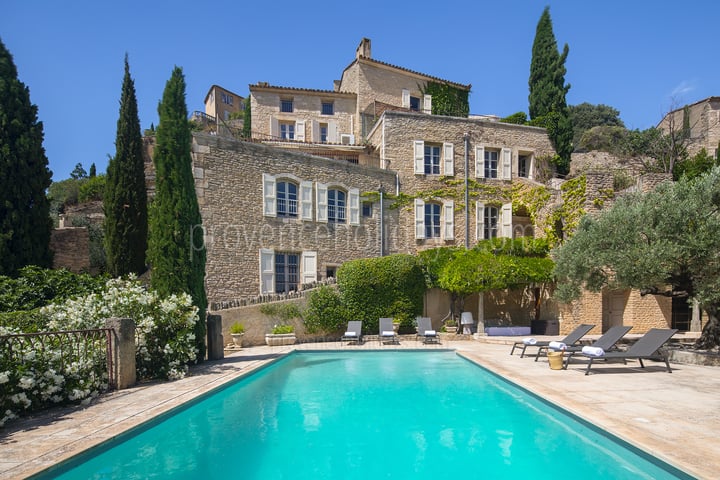
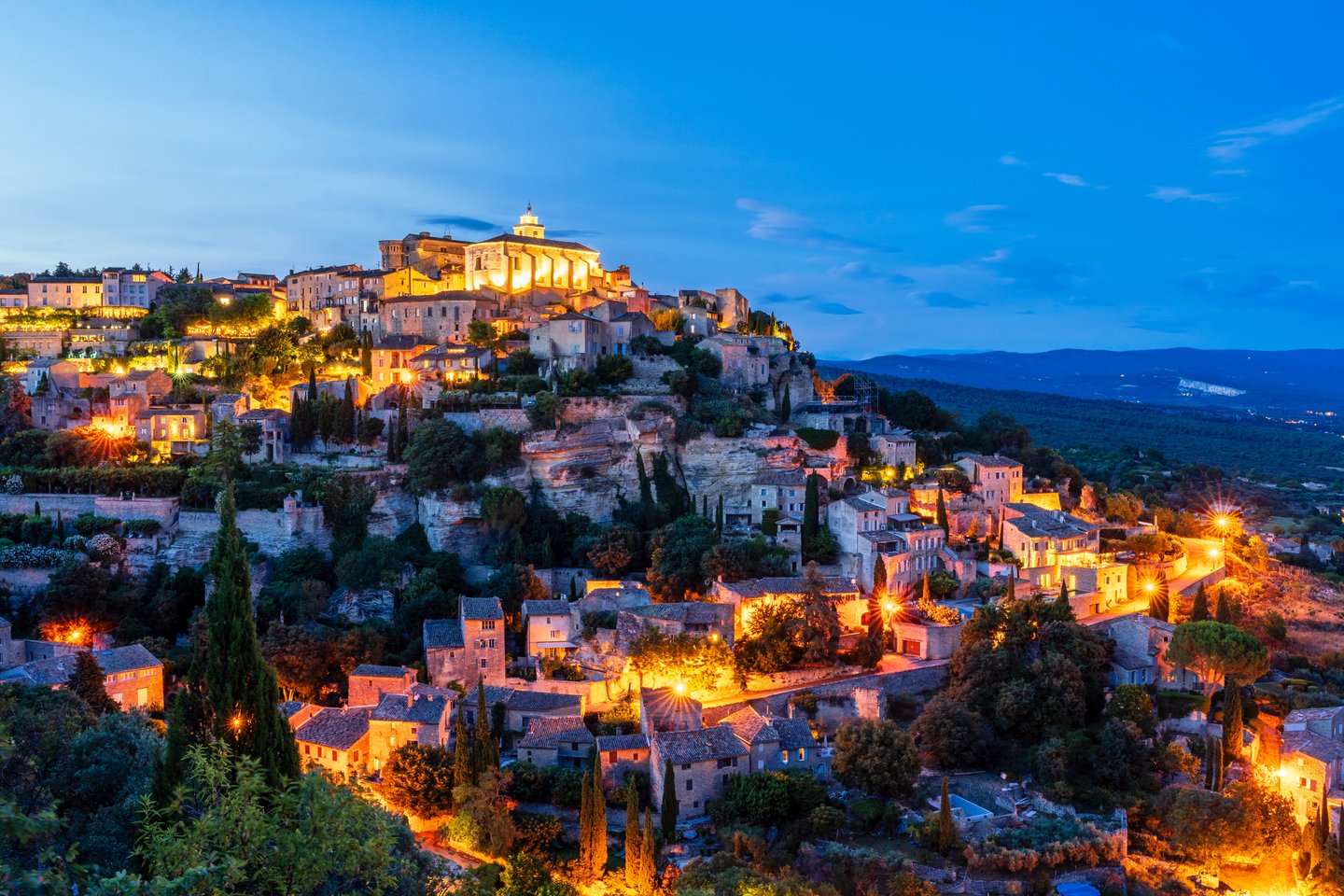
Gordes is built against a steep limestone cliff, the houses of the old village stacked one above another in a formation that has been altered very little over the centuries. The chateau at the summit dates from the sixteenth century and now houses the local council offices and a gallery space. The terrace in front of it gives a view across the Luberon valley to the south and the Vaucluse plateau to the north.
The Vieux Village is compact: the main loop from the chateau down to the church and back through the upper streets covers about fifteen minutes at a walking pace. What makes it worth considerably more time is the detail: the carved stone doorways, the old fountains in the lower streets, the narrow passages between houses that emerge suddenly onto views over the valley. In October light, lower and more angled and more flattering to pale stone than the direct summer sun, the village photographs particularly well.
The Tuesday morning market covers the lower village square with local produce stalls and a small brocante element. It is modest in scale compared to the markets at Apt or Saint-Remy but convenient if you are based in the village or the surrounding area, and in October the stalls carry the first signs of the autumn season: pumpkins, quinces, the last of the season's tomatoes and occasional early truffles.
The Abbaye de Senanque
Three kilometres north-west of Gordes, reached by a winding road through oak scrub and garrigue, the Abbaye Notre-Dame de Senanque is a twelfth-century Cistercian monastery in continuous use since its foundation in 1148, with interruptions during the Wars of Religion and the Revolution. The simplicity of the Cistercian architecture, bare stone, minimal decoration, proportion as the primary design tool, is best understood from inside. Guided tours of the church, cloister and some of the communal spaces run throughout the day.
The Village des Bories
About three kilometres south of Gordes, the Village des Bories is an open-air museum centred on a remarkable group of dry-stone shelters that are among the best-preserved examples of this building type in Provence. Bories are corbelled structures built without mortar, using the flat limestone that occurs naturally across the Luberon plateau. The technique is ancient but the examples in this village date primarily from the seventeenth and eighteenth centuries, when the structures were used as agricultural shelters, storage buildings and temporary habitations.
The site covers about two hectares and includes domestic structures, a communal bread oven and animal enclosures, all in the same dry-stone construction. It is classified as a historic monument and has been carefully maintained. The surrounding landscape gives a clear sense of the environment in which these shelters functioned.
Autumn walks and the market calendar
The plateau around Gordes has a network of marked trails connecting to the wider Luberon walking routes. In October, the garrigue is dry and fragrant after the summer, the oak and scrub oak are beginning to colour, and the wild mushroom season is underway in the wooded sections of the plateau. The trail from Gordes to the Abbaye de Senanque on foot takes about forty-five minutes each way through oak woodland and open scrub. Combined with a visit to the abbey, this makes for a morning that is more active and more rewarding than driving.
The markets at Apt and Coustellet are active through October and are good sources of ceps, pieds de mouton and other autumn fungi alongside the last tomatoes and peppers of the season. The Coustellet market, held every Sunday morning, is one of the better Luberon options for organic and artisan producers and is well worth combining with a Gordes morning.
Practical notes
Most restaurants in Gordes close after the summer season, but several remain open year-round, including two or three in the village itself and more in Gordes-adjacent villages such as Joucas and Les Imberts. Booking ahead is worthwhile even in October. The drive from Aix-en-Provence takes about forty-five minutes, from L'Isle-sur-la-Sorgue about twenty. If you are combining Gordes with the Abbaye de Senanque and the Village des Bories in a single day, allow a full six hours including lunch and driving time.


Stay in Gordes
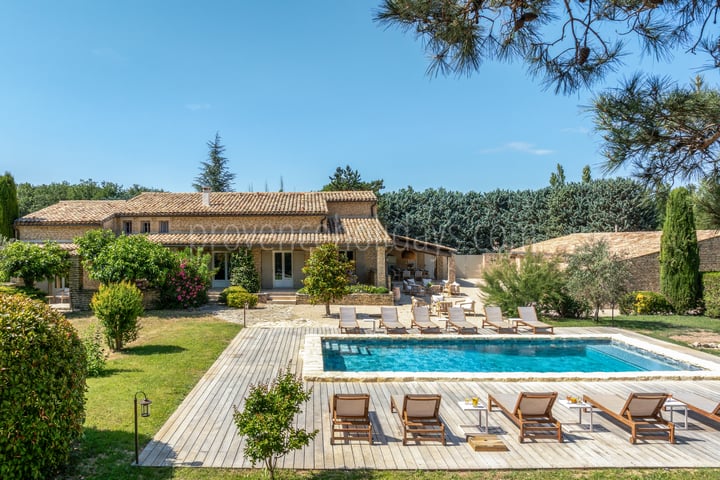
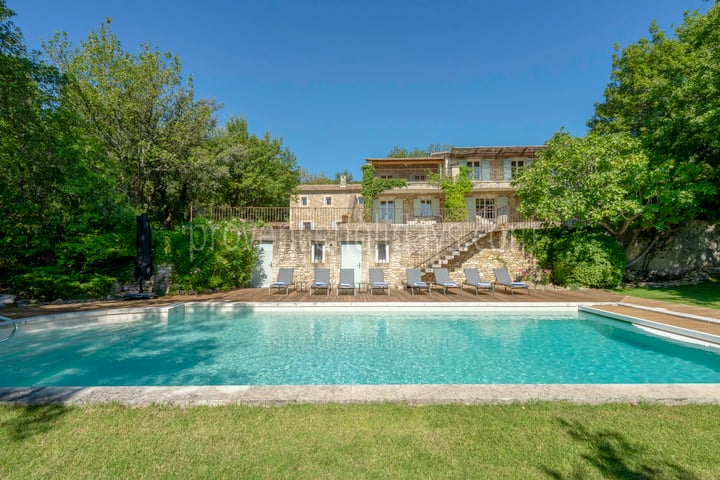
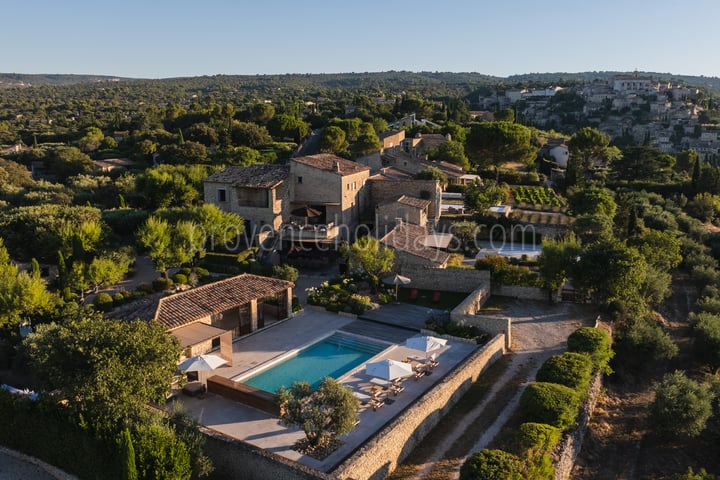
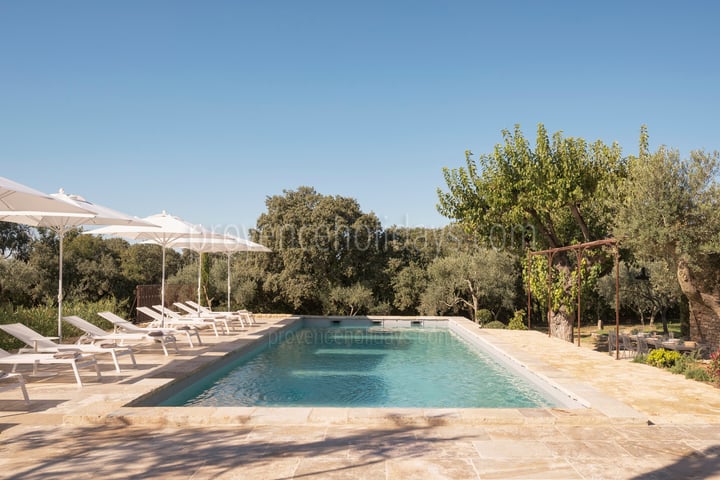
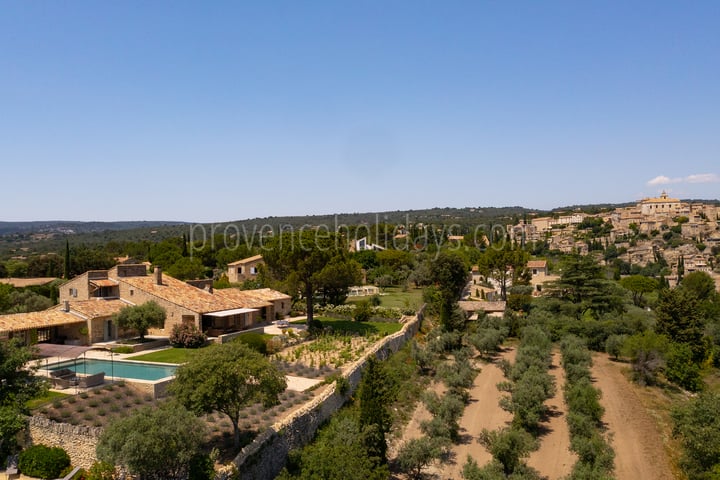
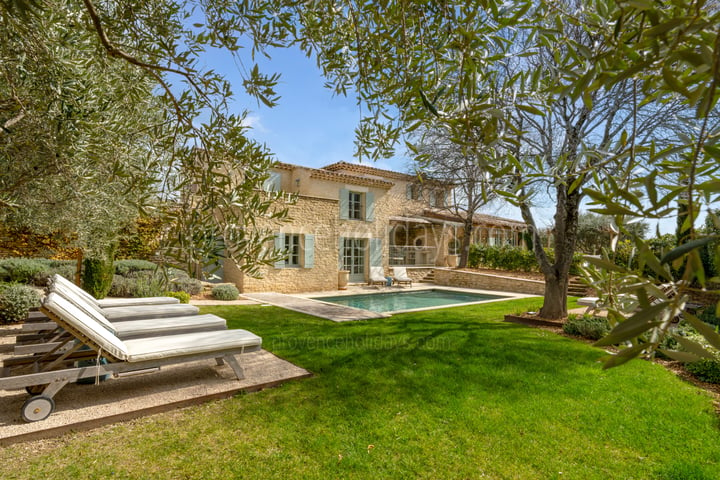
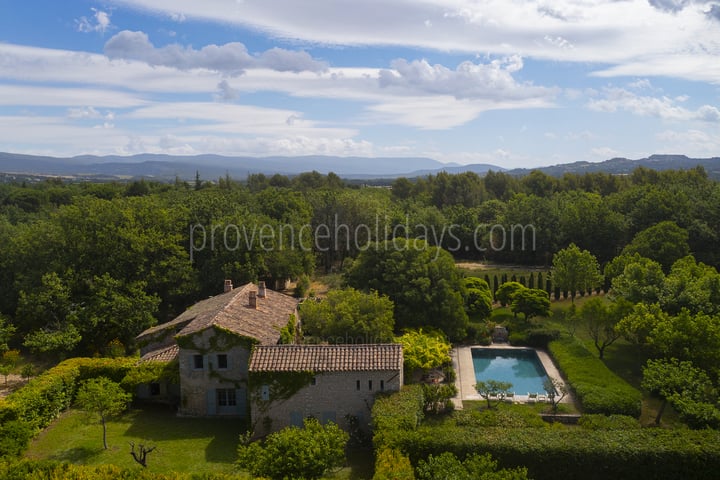
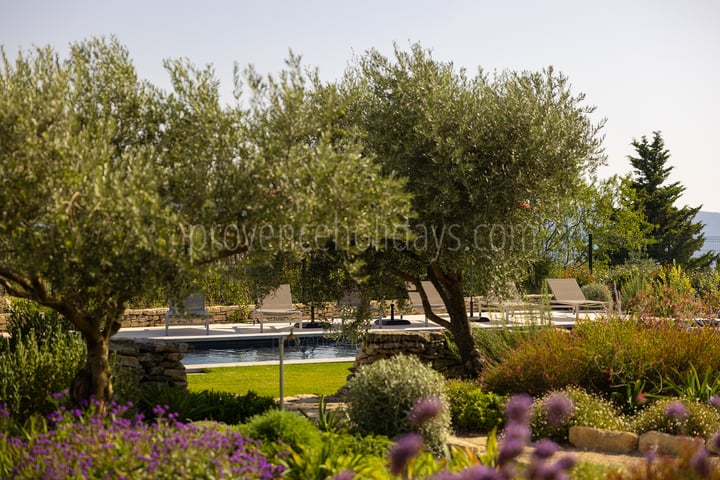
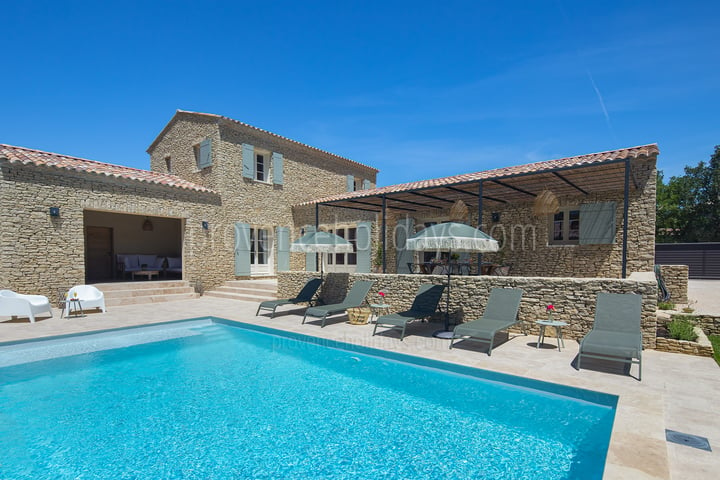
Provence Holidays has properties in and around Gordes, Bonnieux, Joucas and Goult, all of them within easy reach of the village and the surrounding Luberon. October is one of the most rewarding months to use a Luberon villa as a base: the countryside is at its most varied, the crowds have thinned significantly, the market calendar remains active, and the early truffle season adds a seasonal energy that runs through the whole region - looking for a Luberon villa in October? Browse Provence Holidays properties near Gordes at provenceholidays.com. Autumn is one of our favourite seasons to stay.
Whether you are visiting for the hilltop views, the Abbaye de Sénanque, the early truffle season or simply the golden light of a Luberon October, Gordes in autumn rewards at every turn.
A bientôt,