Sainte-Maxime explained: beyond the Saint-Tropez comparison
If you keep hearing people call Sainte-Maxime “the other Saint-Tropez”, this article will explain what that means in real terms. You will get a local-style view of the town, what to do beyond the obvious seafront stroll, how to use market day properly, and why Sainte-Maxime works so well as a base for the gulf. You will also get practical ideas for fitting Saint-Tropez into your stay without letting it dominate the schedule.
Why does Sainte-Maxime get compared to Saint-Tropez?
The comparison is rarely about competition. It is about proximity and perspective. Sainte-Maxime sits directly across the Gulf of Saint-Tropez, so the visual experience is shared. You look out across the same stretch of water, watch the same boats crossing the bay, and experience the same late-afternoon light that defines this coastline. From a distance, the two towns appear part of the same story. From street level, the distinction becomes clearer.
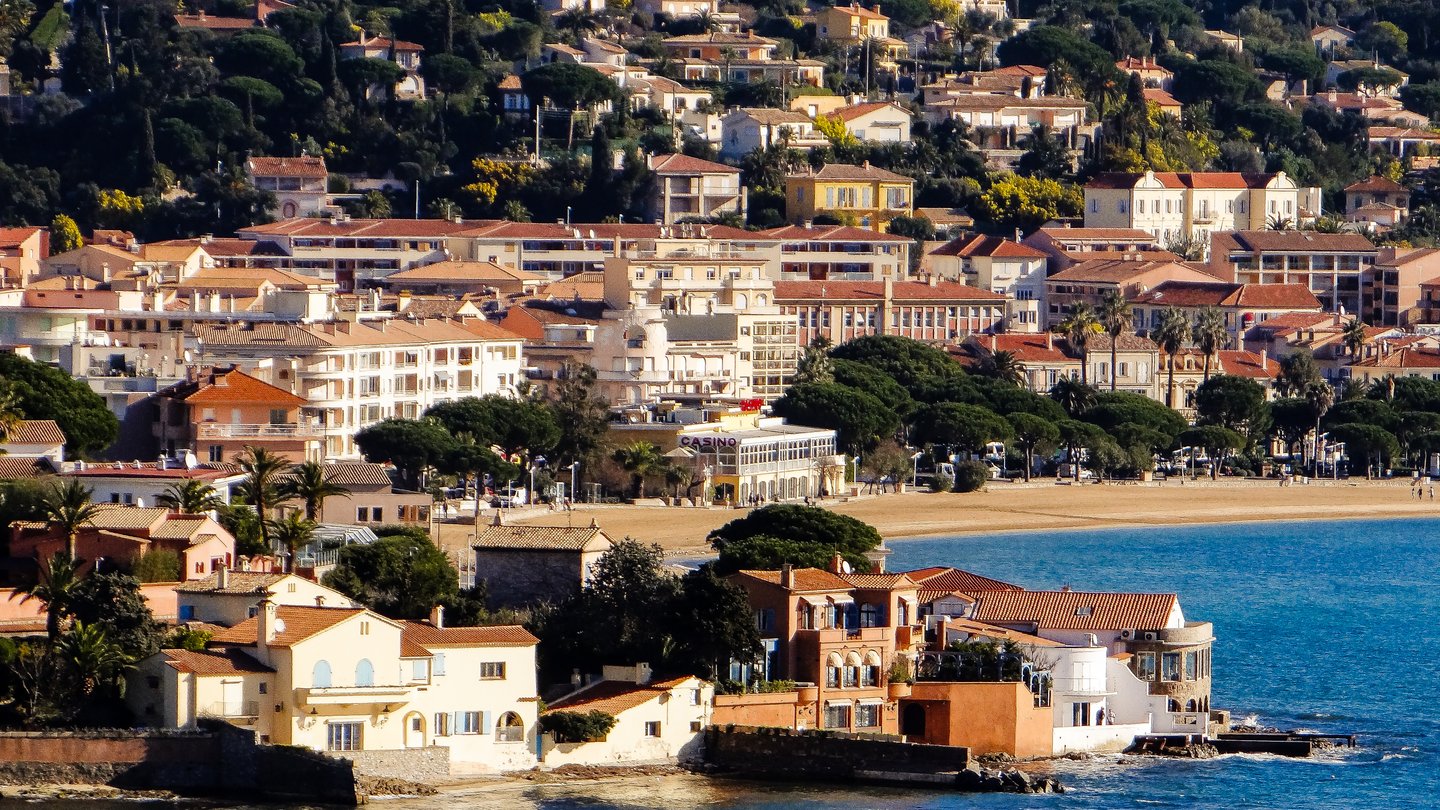
Sainte-Maxime functions first as a town and second as a destination. The harbour supports leisure craft, but it also supports everyday life. The promenade is used by residents as much as visitors. Markets serve practical shopping needs alongside seasonal browsing. Restaurants range from simple brasseries to more refined dining, but they sit within a year-round rhythm rather than a purely seasonal one.
Saint-Tropez, by contrast, operates more overtly as a destination. Its compact historic centre, luxury boutiques, and port-side cafés create a concentrated atmosphere. The town is curated and conscious of its profile. That is part of its appeal. It feels deliberate and iconic.
Sainte-Maxime offers a different type of presence. It is less about spectacle and more about continuity. You can spend the morning at the beach, return for groceries at the market, and walk the seafront in the evening without feeling that each moment needs to be framed.
That balance is what people often mean when they call it “the other Saint-Tropez”. It shares the geography and the views, but the experience unfolds at a steadier tempo. The gulf connects them physically. The daily rhythm distinguishes them.
What is Sainte-Maxime known for?
Sainte-Maxime is known for being calm, well-positioned, and deceptively complete. It has a defined town centre rather than a seasonal façade, a long seafront promenade, and beaches that shift easily between quick swims and full-day set-ups. The marina, with around 800 berths in the heart of town, keeps the connection to the water constant. Boats arrive and depart daily, reinforcing the sense that this is part of a working coastline, not just a holiday backdrop. It is also known, more quietly, for being practical. Restaurants range from simple to refined without feeling staged. Shops serve daily needs as well as visitors. The rhythm continues outside the peak summer window. That continuity is often what makes a week here feel manageable rather than intense.
A short, useful bit of history
Sainte-Maxime was founded around the year 1000 by monks from the Lérins Islands, off the coast near Cannes. They established a small monastic community and named the settlement after Saint Maxime, the daughter of the Count of Grasse in the 9th century. According to tradition, she rejected wealth and status in favour of religious life, eventually founding a convent inland in Callian. The town’s name anchors it firmly in that early medieval story.
For centuries, Sainte-Maxime remained a modest fishing and trading port. Olive oil, wine, cork, and timber from the Massif des Maures were loaded onto small coastal vessels known as tartanes and transported along the Mediterranean. Trade links with Marseille and parts of Italy shaped its economy long before tourism entered the picture. The Tour Carrée, built in 1520, stands as one of the clearest reminders of that earlier era. Constructed to defend the coast against raids, it formed part of a broader defensive network across the gulf. Today it functions as a small museum, but its scale and solidity reflect a time when coastal protection was a necessity, not a heritage feature.
More recently, the coastline played a role in World War II. On 15 August 1944, Sainte-Maxime was one of the landing points during Operation Dragoon, the Allied invasion of southern France. Memorials near the harbour and along the beaches acknowledge that chapter. It is not a dominant narrative in everyday life here, but it is part of the town’s layered identity. Sainte-Maxime is not defined by one era. It carries medieval origins, maritime trade history, defensive architecture, and wartime significance, all within a town that now functions as a Riviera resort. That continuity gives it substance. It is not a place that appeared because the Riviera became fashionable. It was here long before that, and it still feels anchored because of it.
How to do Sainte-Maxime like a local
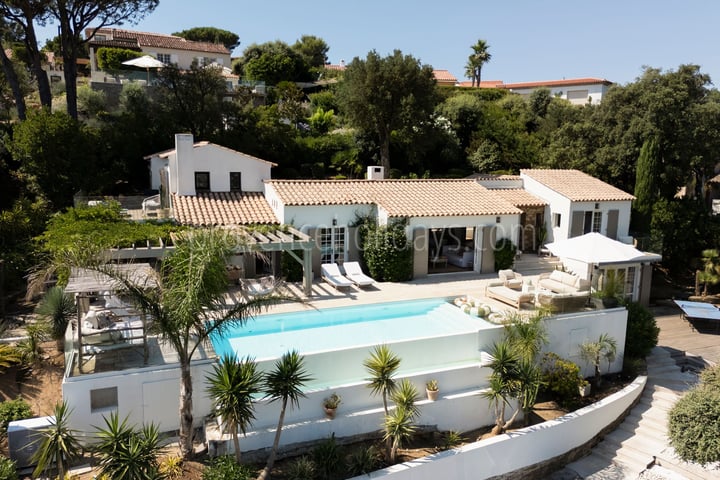
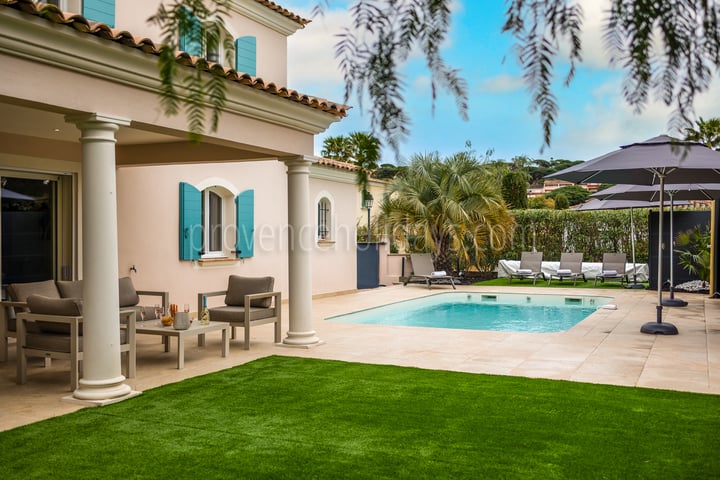
The best way is to keep your mornings simple and your afternoons anchored to the sea. Start with a walk along the promenade when the town is still waking up. Sainte-Maxime is at its best before the heat builds. You see the harbour movement, you hear real conversation rather than the hum of crowds, and you get a sense of what the day could be. Then give yourself one “food shop” moment early in the stay. The main market takes place every Friday morning at Place Jean Mermoz, year-round, and you can typically shop from around 08:00 until traders start packing up from around 12:30. This is where you buy fruit for breakfasts, cheese for lunches, and the ingredients that turn a villa meal into something that feels properly regional. If you are staying in a villa, market day is not an activity. It is a practical tool. It upgrades the whole week.
Beach time without overthinking it
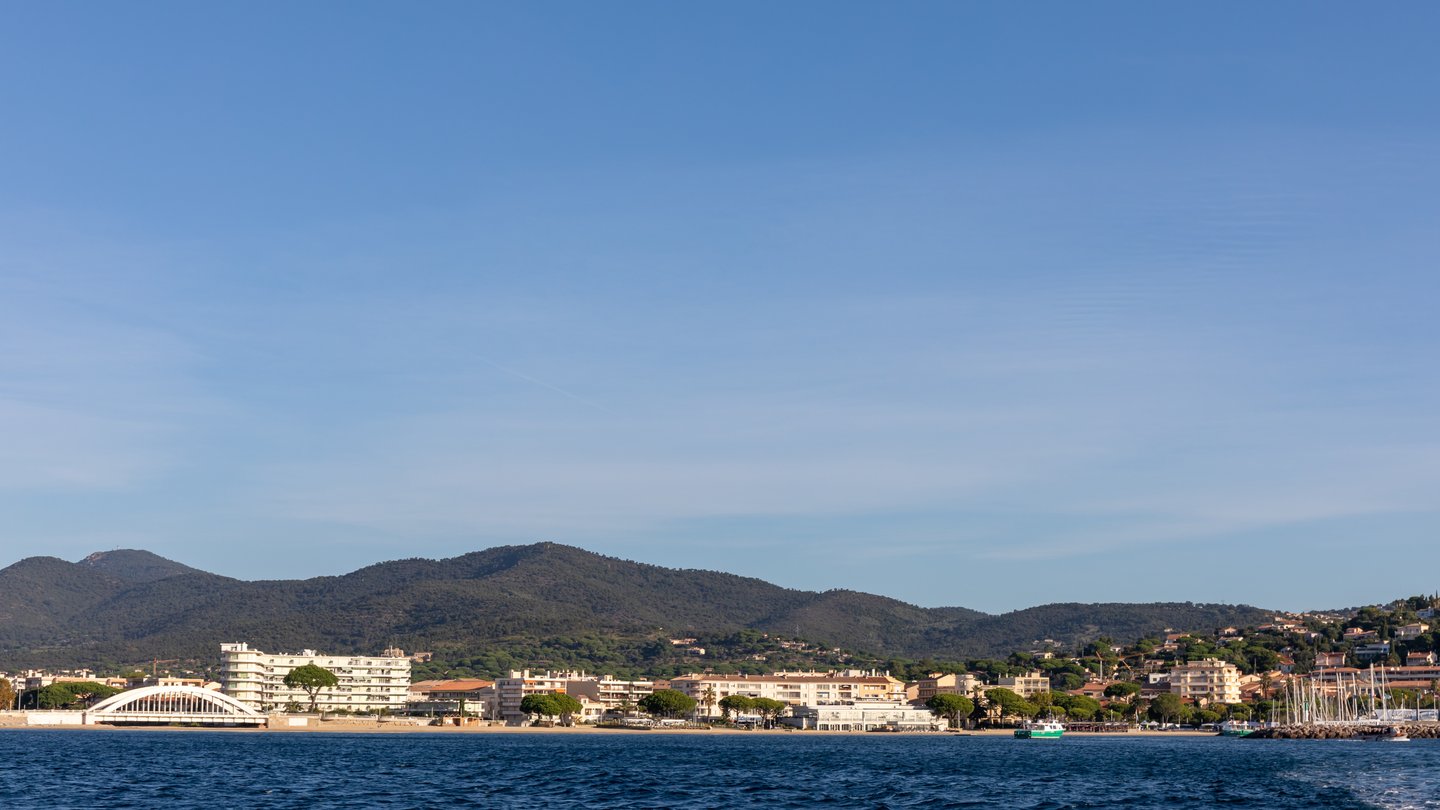
Sainte-Maxime gives you options that do not require a strategy. Central beaches suit quick swims and late-day dips. Outside the centre, you can choose a longer sandy stretch when you want a real beach day. Plage de la Nartelle is a strong choice for sand, space, and a classic Riviera beach feel. It also carries a slice of history through the presence of a Sherman tank wreck linked to the WWII landings in the area. It is a reminder that this coastline has lived through more than summer holidays. If you are travelling with children, the practicality of Sainte-Maxime’s beaches is a genuine advantage. You can get in, get settled, and stay there without needing to constantly pivot.
Using Sainte-Maxime as a base for the gulf
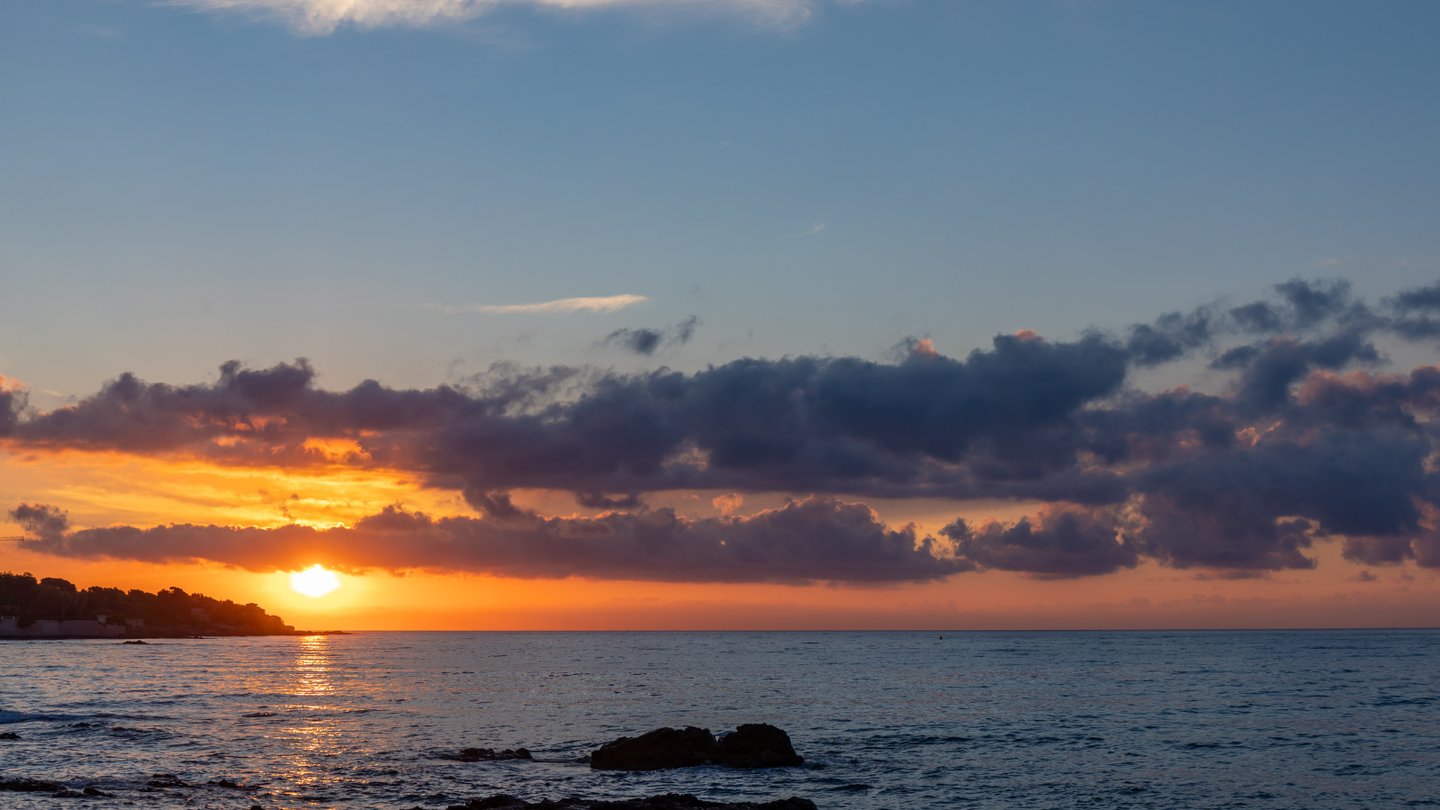
Sainte-Maxime works as a base because of its position on the northern edge of the Gulf of Saint-Tropez. You are connected to the coastline, but you are not locked into one direction. That flexibility changes how your week feels. From here, Port Grimaud is a short drive along the water. Inland, you have access to the villages that sit behind the coast, where vineyards and the Massif des Maures shift the landscape away from beach life. Saint-Tropez sits directly opposite across the gulf. None of these outings require an early alarm or a complex route if you time them well.
The sea link to Saint-Tropez is the most practical advantage. Les Bateaux Verts publishes a crossing time of around 15 minutes between Sainte-Maxime and Saint-Tropez. The value of that crossing is not only speed. It is predictability. You bypass the road congestion that builds quickly in summer and arrive directly into the port. This makes it entirely possible to treat Saint-Tropez as a morning or afternoon experience rather than a full-day commitment. You can visit the Place des Lices market, walk the old town, have lunch by the harbour, and return to Sainte-Maxime before the evening traffic intensifies. Equally, you can cross over for dinner and return without thinking about parking.
Using Sainte-Maxime as a base also creates contrast. A beach morning on La Nartelle feels different to a beach afternoon on Pampelonne. A quiet Friday market in Sainte-Maxime balances a busier Tuesday at Place des Lices. The rhythm of the week becomes varied rather than concentrated. This is where Sainte-Maxime’s geography becomes strategic rather than accidental. Saint-Tropez is always available, but it does not need to define every day. You can engage with it fully when you choose to, then step back across the gulf when you prefer a steadier pace. That balance is what many visitors value most.
We like Sainte-Maxime because it gives you the gulf with less friction. It is not trying to be Saint-Tropez. It just gives you the same coastline, a calmer base, and a genuinely enjoyable daily rhythm. If you want the Saint-Tropez hit, you can have it. If you want your holiday to feel relaxed the rest of the time, Sainte-Maxime makes that easier.
À bientôt,