Village de Grimaud is a Provençal village worth visiting
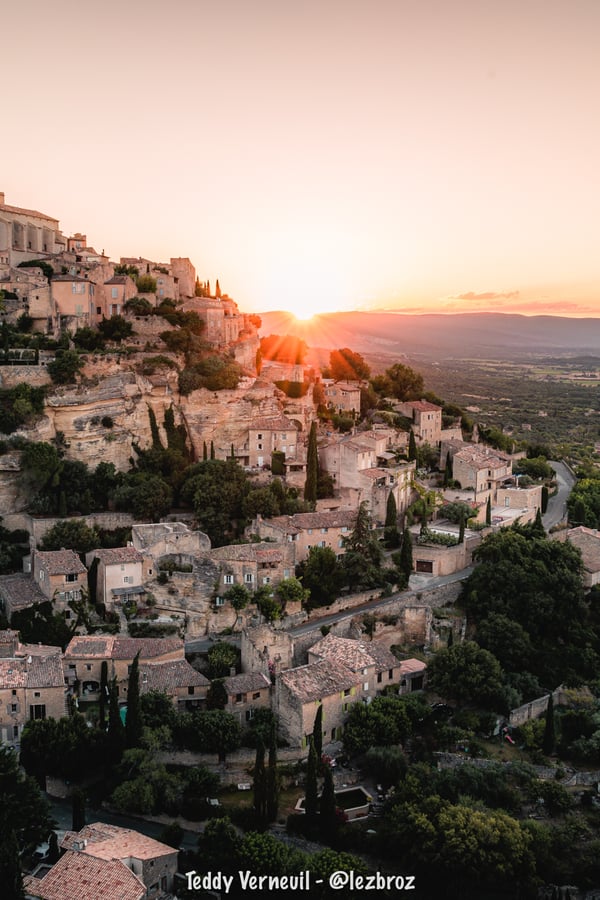
Most visitors to the Gulf of Saint-Tropez follow the coast road and stay there. The signs point to Saint-Tropez and Pampelonne, and in high summer the pull of the beach is understandable. But four kilometres inland, on a hill above the Gulf, the medieval village of Grimaud offers something that the coast has largely given up: quiet, character and a sense of a place that exists for itself rather than for visitors. It is not undiscovered. It is not secret. It is simply less discussed than it deserves to be, which in the context of the Gulf of Saint-Tropez is something close to a recommendation.


A village with ten centuries of history
Grimaud has been occupied since at least the tenth century. The name is thought to derive from the Grimaldi family, the Genoese dynasty whose influence extended across much of the medieval Mediterranean coast, though the village takes the question of its own origins seriously enough to debate it openly.
The early history of the village is bound up with the broader story of Provence's shifting borders and allegiances. During the tenth and eleventh centuries, the region passed between the counts of Provence, the Saracens who had established footholds along the Maures coastline, and the great noble families who competed for influence across the medieval south of France. Grimaud's hilltop position was not chosen for the views. It was chosen because it was defensible, with sightlines across the Gulf and into the Maures forest in every direction.
By the 12th century the village had developed enough to support a church, a market and a resident population of several hundred. The Knights Templar are associated with the Rue des Templiers, the most characterful street in the village, though historians now consider the connection more romantic than strictly documented. What is certain is that Grimaud was a functioning and fortified community at a time when much of the surrounding coastline was either uninhabited or actively dangerous.
The Wars of Religion in the 16th century left their mark. The château, already partially damaged, was further reduced. The population contracted. Some of the surrounding hamlets were abandoned entirely. The village that survived into the 17th and 18th centuries was smaller and quieter than its medieval predecessor, a character it has retained, more or less, ever since.
What is not debated is the castle. The Château de Grimaud dominates the upper village and has done so since the 11th century. What remains is a ruin in the best sense: enough walls and towers to walk around, enough height to earn the view, and enough atmosphere to make the history tangible. From the ramparts on a clear day, the Gulf of Saint-Tropez stretches out below with the Maures hills behind it. There is no entry charge and almost no queue, even in August.
Walking the village of Grimaud
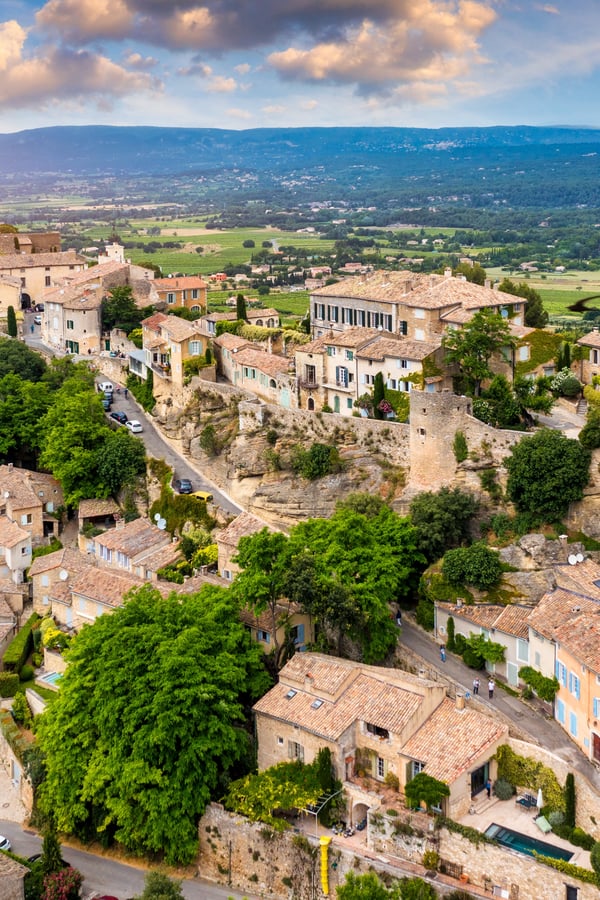
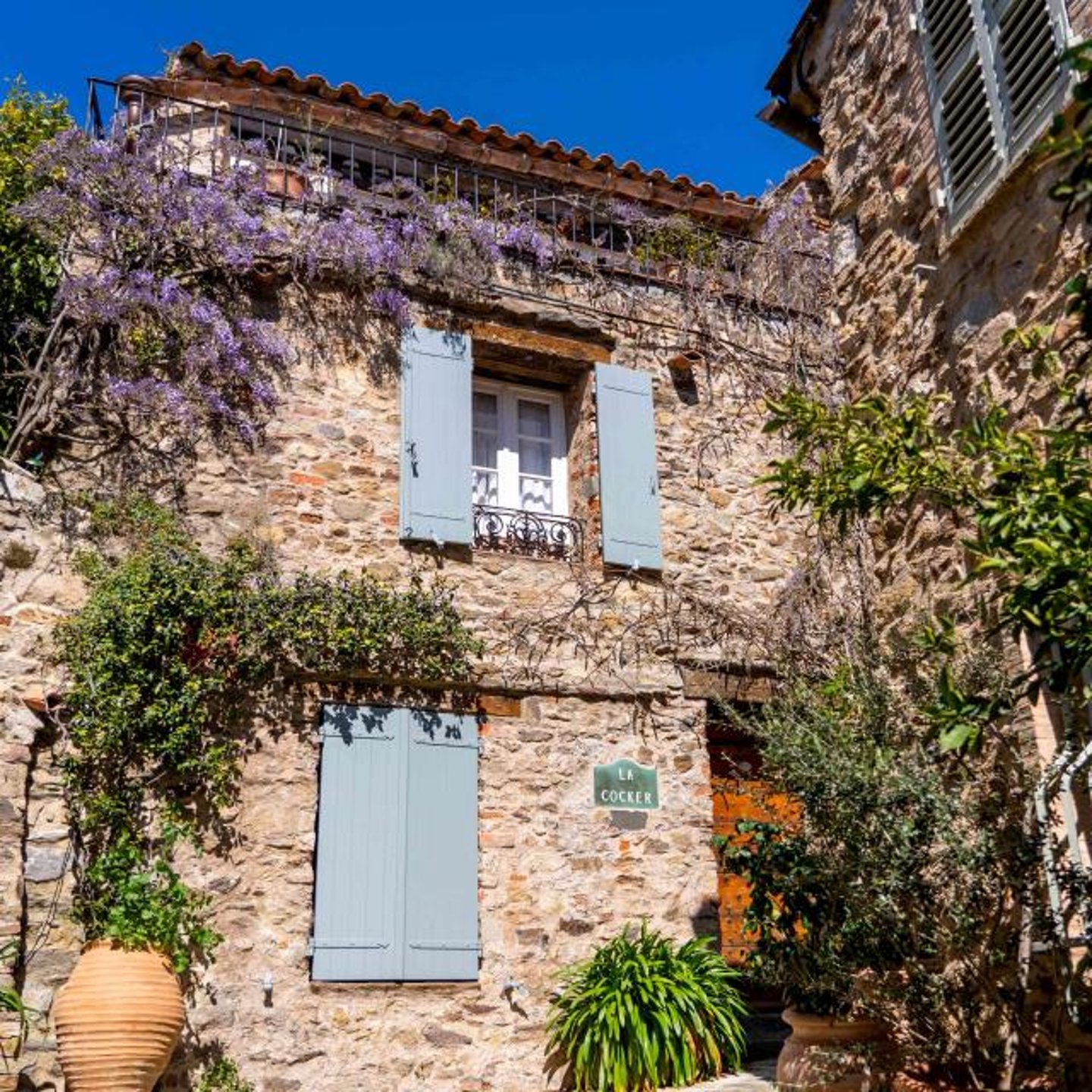
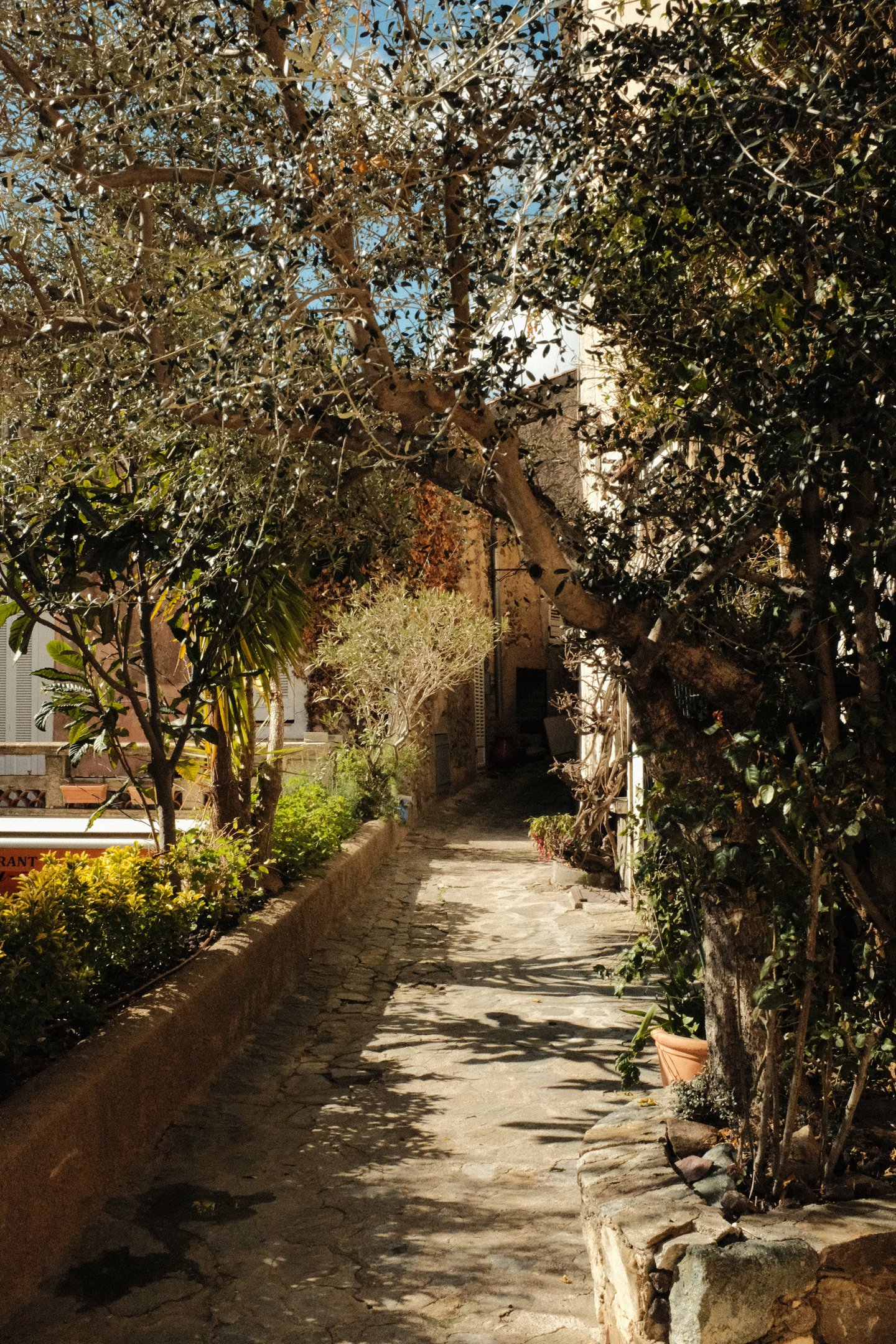
Grimaud is small enough to cover thoroughly on foot in around 90 minutes, though the detail rewards a slower approach. The Rue des Templiers is the most characterful street in the village, lined with arcaded stone houses and leading to the Maison des Arcades, a small gallery showing work by French and international artists. The Church of Saint-Michel dates from the 12th century and is one of the oldest surviving buildings in the Gulf of Saint-Tropez. The stone vaulting inside is worth a few minutes of stillness, and the recently restored frescoes in the adjacent Chapelle Saint-Roch, completed in 2021, are among the better things to have happened to the village in recent years. The Place Neuve is the main square. A café is usually open by mid-morning, and the terrace has a view down through the village towards the coast. It is a good place to sit before or after walking the castle.
The landscape around Grimaud
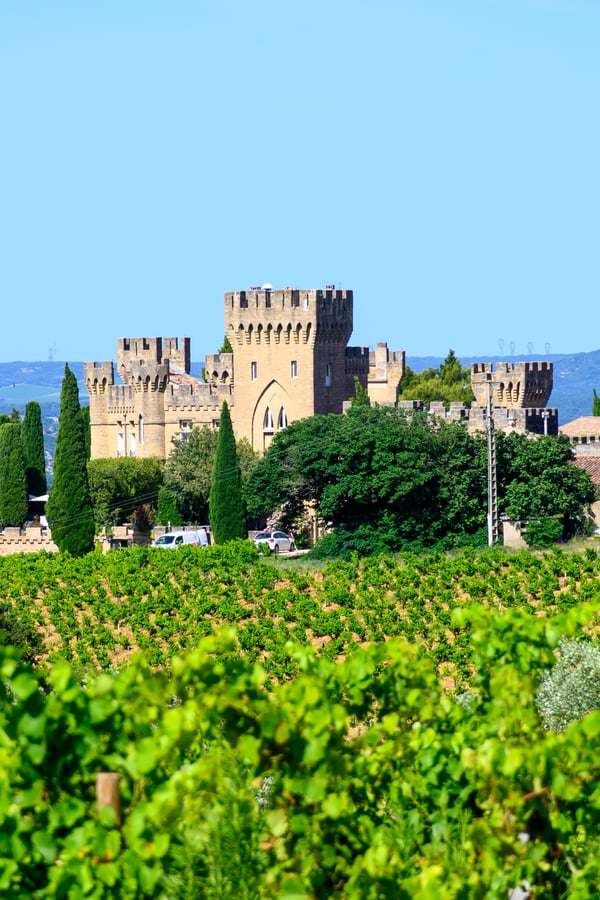
The Massif des Maures - the ancient forested range that runs parallel to the Riviera coast - begins at the edge of the village. A network of marked trails passes through oak and chestnut forest, reaches the Pont des Fées (a medieval stone aqueduct that carried water to the village for centuries), and climbs to ridges with views across to the coast. The trails are well-signed and, outside July and August, largely uncrowded. The commune produces wine under the Côtes de Provence appellation. Château Saint-Maur and Domaine de la Giscle both offer guided tours and tastings and are within easy reach of the village. Neither requires advance booking outside the peak season, though it is worth calling ahead in July and August.
Two villages, one commune
The commune of Grimaud includes both the medieval hilltop village described here and Port Grimaud, the lakeside town on the coast four kilometres away. The two are connected by a short drive or, in summer, by a small tourist train. They could not be more different - one is medieval stone, the other 1960s stucco and canals - and spending time in both in the same day gives a clear picture of what makes this part of the Gulf of Saint-Tropez worth exploring properly.
When to visit
Honestly, Grimaud is worth visiting at any time of year. In high summer it is warm and occasionally busy but never overwhelmed - there are no superyachts, no queues at the castle gates. April, May and September offer the best combination of good weather, accessible trails and quieter café terraces. The winter light on the stone is particular, and the trails in the Maures are at their most appealing when the summer heat has passed. Is there a better base for exploring the Gulf than a village with this much to offer at this remove from the crowds?
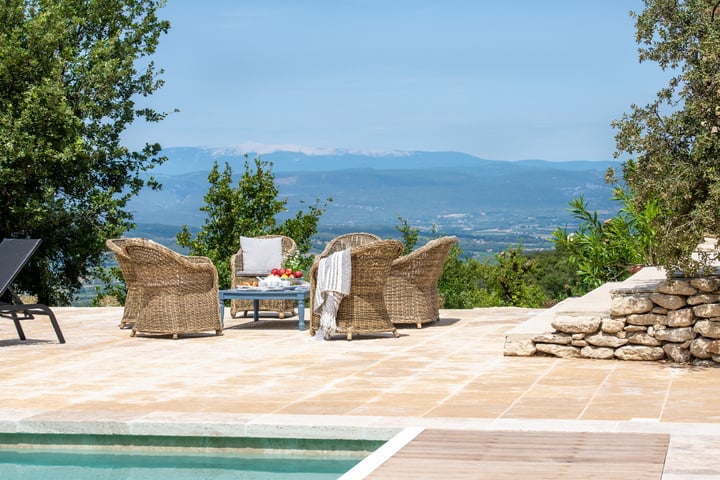
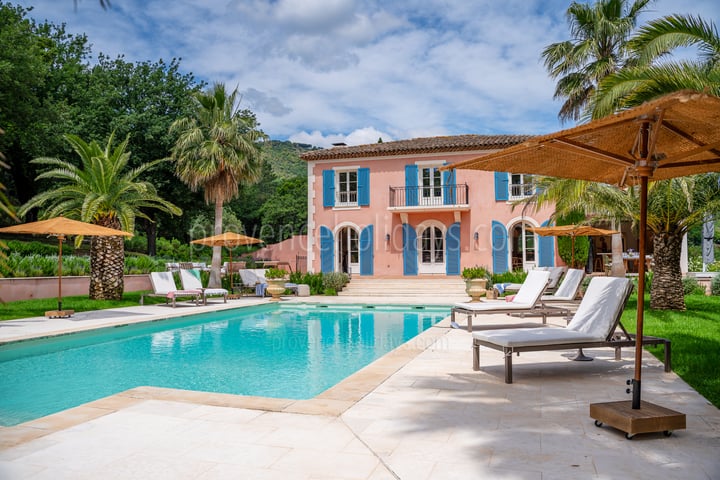
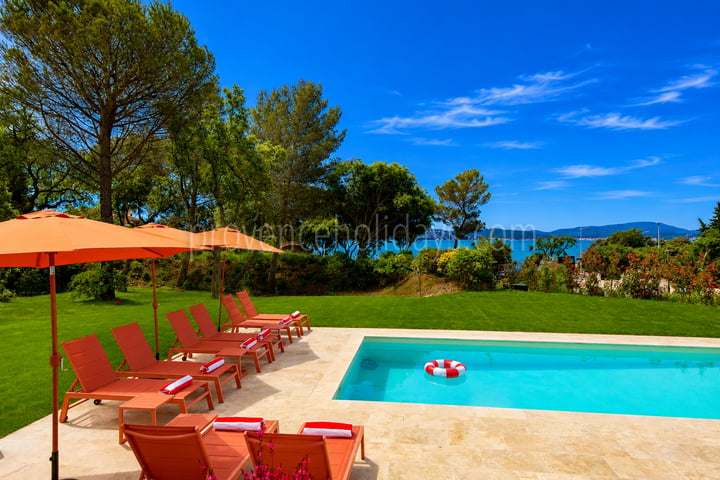
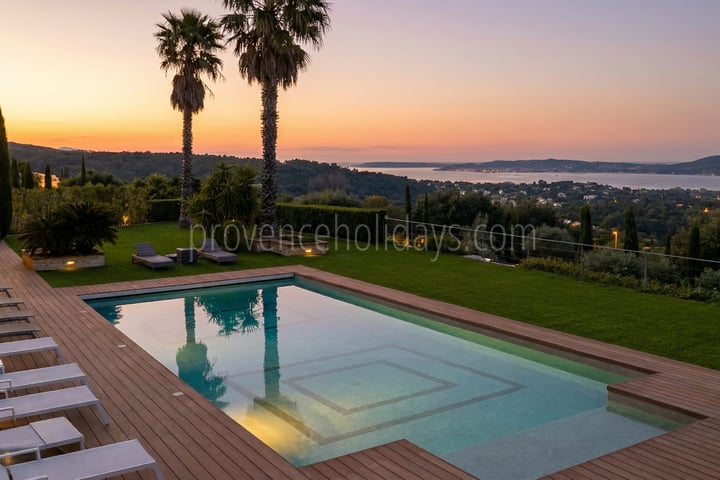
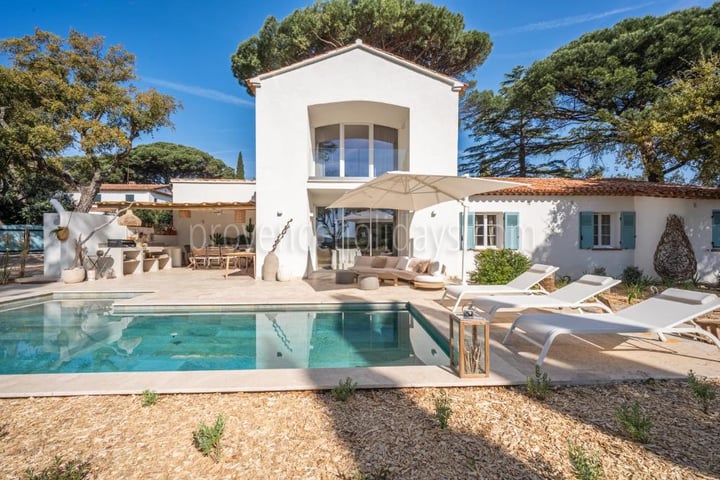
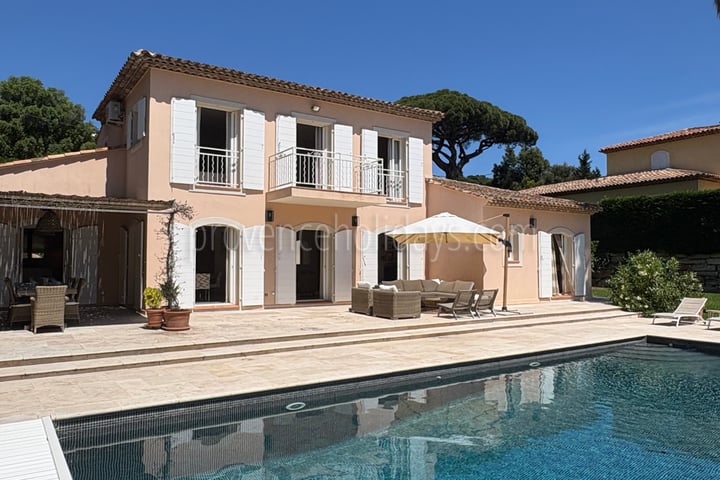
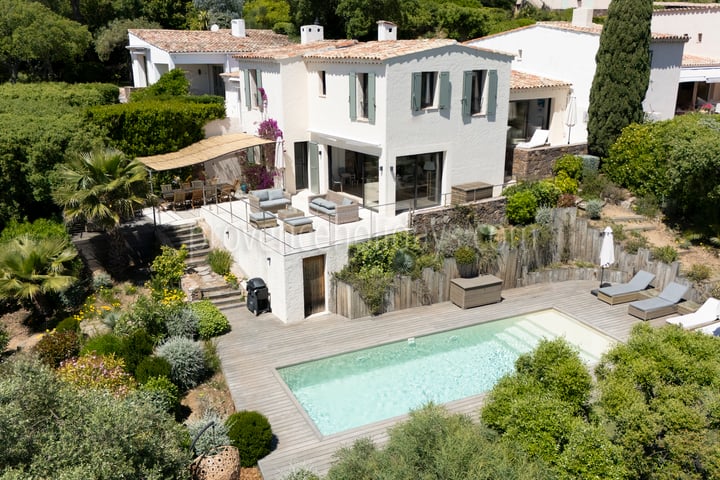
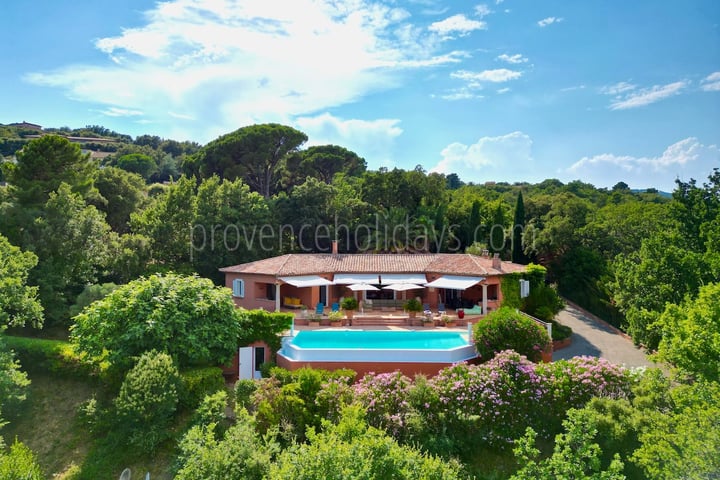
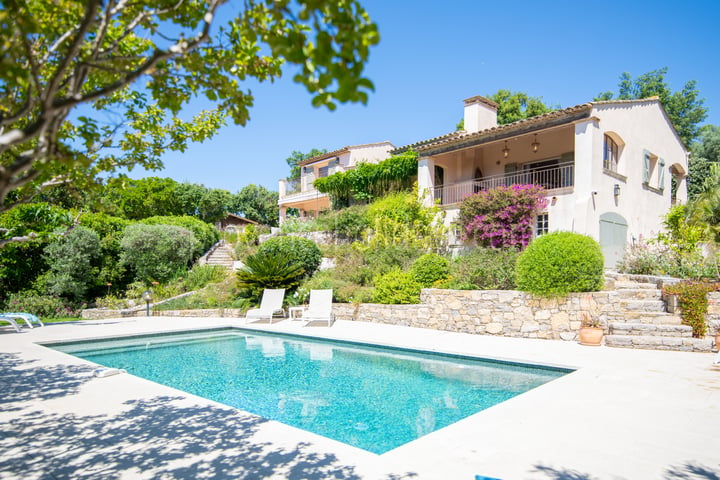
For guests who want the character of inland Provence alongside easy access to the coast, Grimaud is one of the most rewarding bases in the Gulf of Saint-Tropez. Properties on the hillside above the village offer views across to the water; villas on the plain below put you within minutes of both Port Grimaud and the beaches at Sainte-Maxime and Saint-Tropez. The wider area - Ramatuelle, Gassin, La Garde-Freinet - is all within comfortable reach by car. Our local team knows this corner of the Var well and is happy to help you find the right property, recommend the best trails in the Maures and point you towards the vineyard visits and village markets that make this area worth returning to.
À bientôt