Saint-Raphaël sits between Cannes and Saint-Tropez and has spent much of its modern history in the shadow of both.
That is, in many respects, a considerable advantage. While its neighbours compete for attention, Saint-Raphaël simply gets on with being remarkable - quietly, confidently, and with a depth of character that most Riviera towns cannot match. Those who look closely find a town shaped by 2000 years of remarkable events. Napoleon landed here - twice. F. Scott Fitzgerald wrote The Great Gatsby in a villa on its hillside. Allied forces came ashore on one of its beaches and helped turn the tide of the Second World War. And the landscape itself, formed from ancient volcanic rock found nowhere else on this stretch of coast, makes it visually unlike anywhere else in the region. These are ten of the things that make Saint-Raphaël genuinely one of a kind. Are you ready to discover them?
1. The Great Gatsby was written here
In the summer of 1924, F. Scott Fitzgerald arrived at a villa above Saint-Raphaël with a half-finished novel, a restless wife, and a determination to produce something great. He succeeded. From June to October 1924, Fitzgerald cloistered himself at Villa Marie in the Valescure district above the town. It was here that he completed the final manuscript of The Great Gatsby - widely regarded as the greatest American novel ever written - and sent it to his publisher, Scribner's, from Saint-Raphaël. He described the town as "a little red town built close to the sea, with gay red-roofed houses and an air of repressed carnival about it." The Villa Marie still stands today at 155 Avenue des Pins in Valescure. No other address on the French Riviera can claim quite this literary distinction.

2. Napoleon passed through twice - in very different circumstances
The same harbour that witnessed one of history's most triumphant returns also bore witness to one of its most humiliating departures. On 9th October 1799, Napoleon Bonaparte landed at Saint-Raphaël fresh from Egypt, having escaped the English Navy, and travelled directly to Paris to stage his coup d'état. Fifteen years later, on 27 April 1814, he departed from the same harbour aboard an English ship named the Undaunted, bound for his first exile on the island of Elba. An obelisk on the northeast corner of the port marks his 1799 arrival. It is the kind of detail that transforms a harbour stroll into something considerably more thought-provoking.

3. Its coastline is formed from ancient volcanic rock
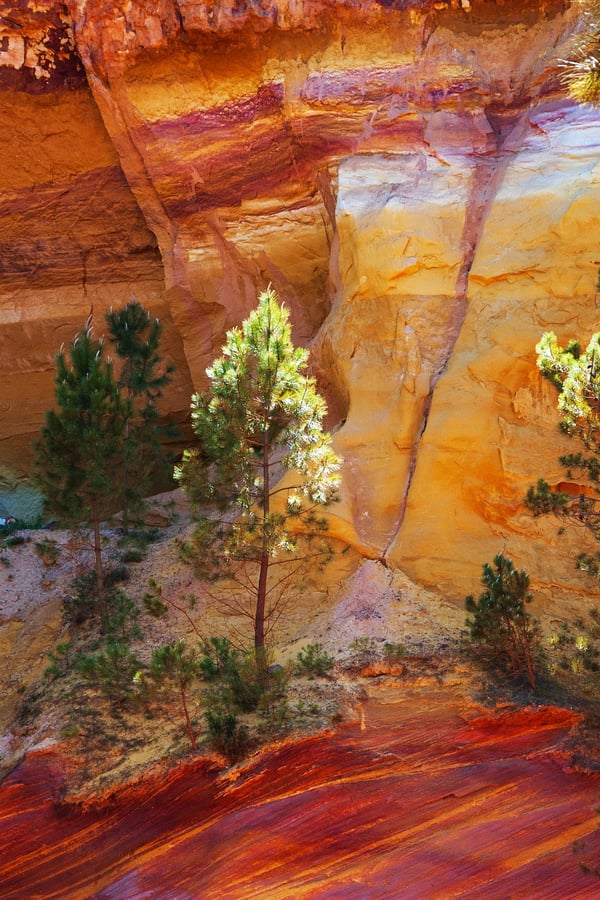
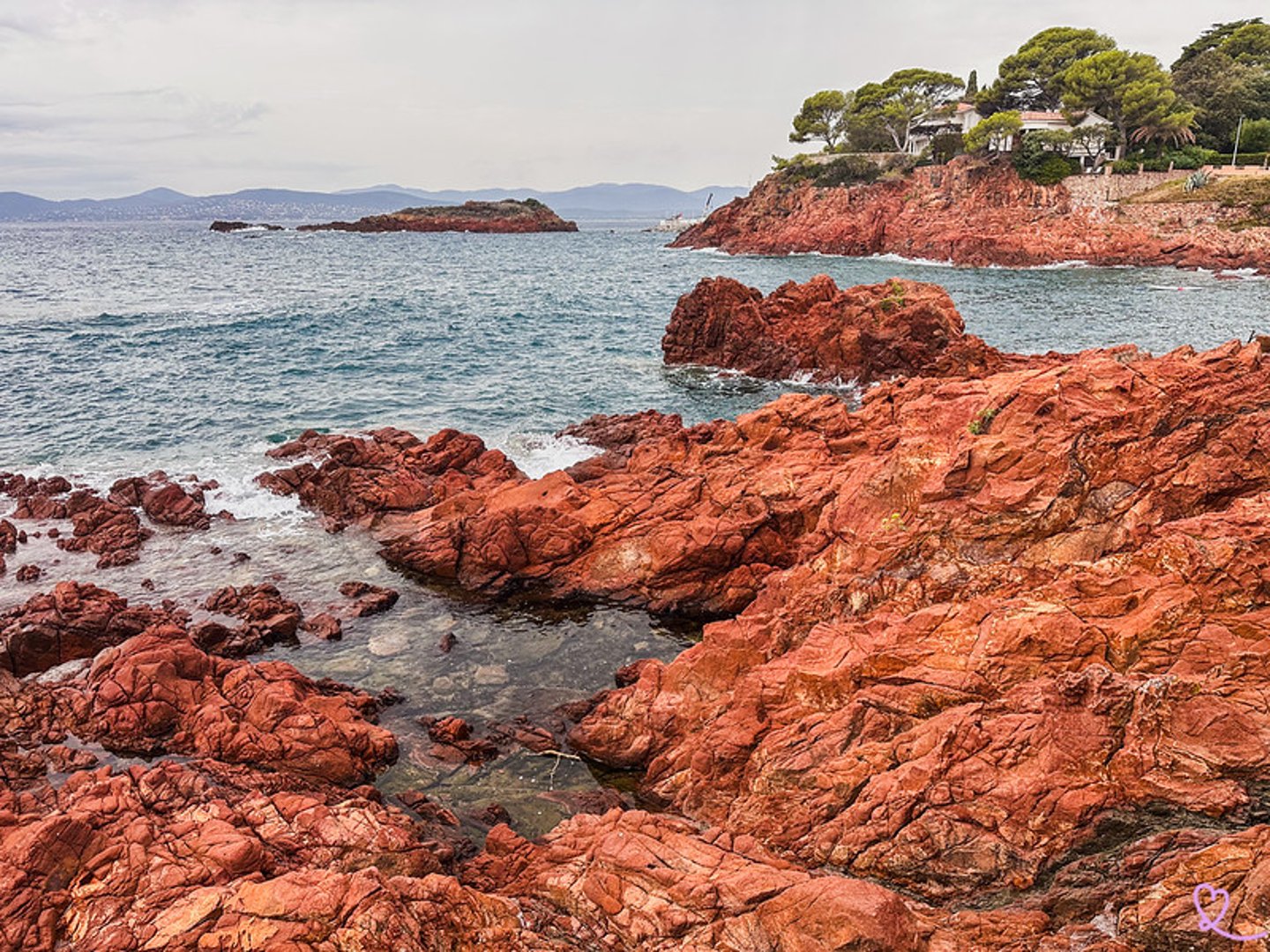
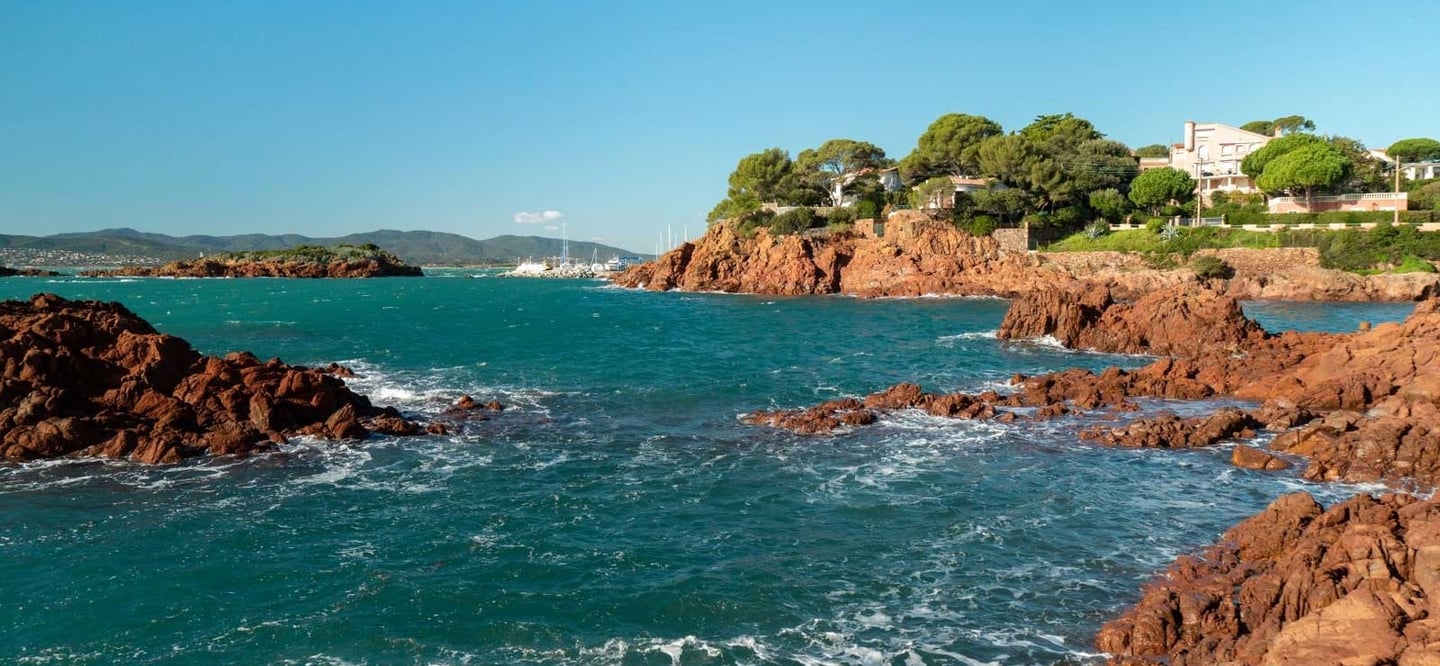
The fire-red cliffs of Saint-Raphaël are not a trick of the light. They are the product of geology found nowhere else on this stretch of the Mediterranean. The Massif de l'Estérel, which rises directly behind the town, is formed from ancient red porphyry - volcanic rock from the primary geological era. This gives the coast its extraordinary character: dramatic crimson cliffs that meet the sea directly, creating a contrast with the turquoise water that is entirely unlike anything else along the Côte d'Azur. The massif covers 32,000 hectares, of which 14,000 are classified as protected land. The Corniche d'Or - the coastal road linking Saint-Raphaël to Cannes, opened in the early 1900s - winds along the top of these cliffs, offering views that reward the journey in every direction. Drive it towards Cannes in the late afternoon and the red rock turns to gold.
4. One of its beaches played a defining role in the liberation of France
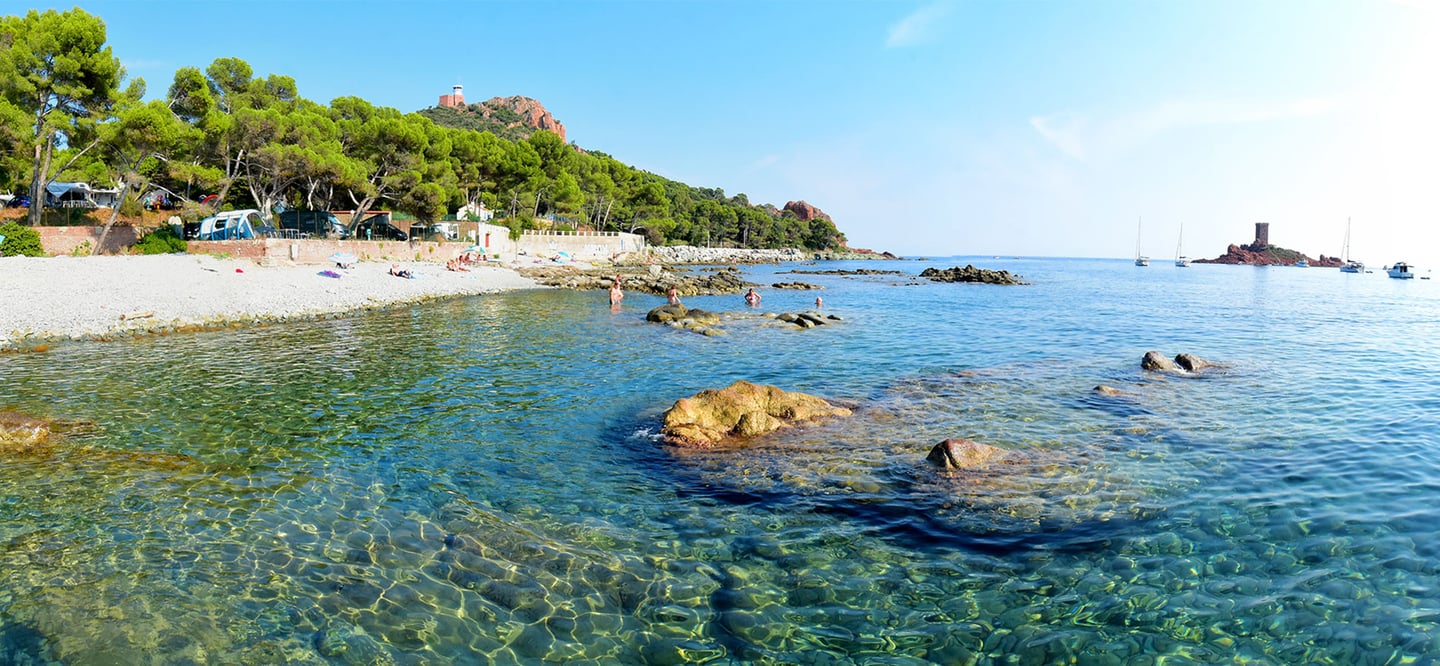
The Plage du Dramont is a fine sandy beach with views across the water to the Île d'Or. It is also one of the most historically significant stretches of coastline in France. On 15th August 1944, the US 36th Infantry Division landed at Dramont beach as part of Operation Dragoon - the Allied landings in Provence that opened a second front in France and helped accelerate the liberation of the country. Saint-Raphaël's beaches formed part of the 'Camel' landing zone, where some of the operation's most intense engagements took place. Provence was liberated in under two weeks - well ahead of the planned two months. A preserved American landing barge remains on the beach today alongside a commemorative monument. The town has also created a Memory Trail spanning 23km of coastline, with information panels at each site. It is a beach worth visiting for that reason alone, and considerably less frequented than it deserves to be.
5. It is home to the third-largest marina on the entire French Riviera
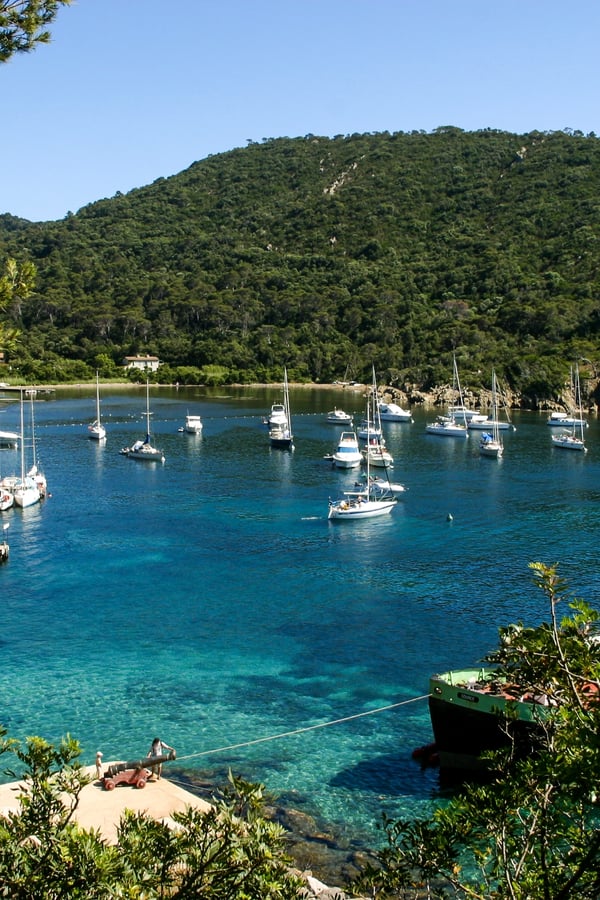
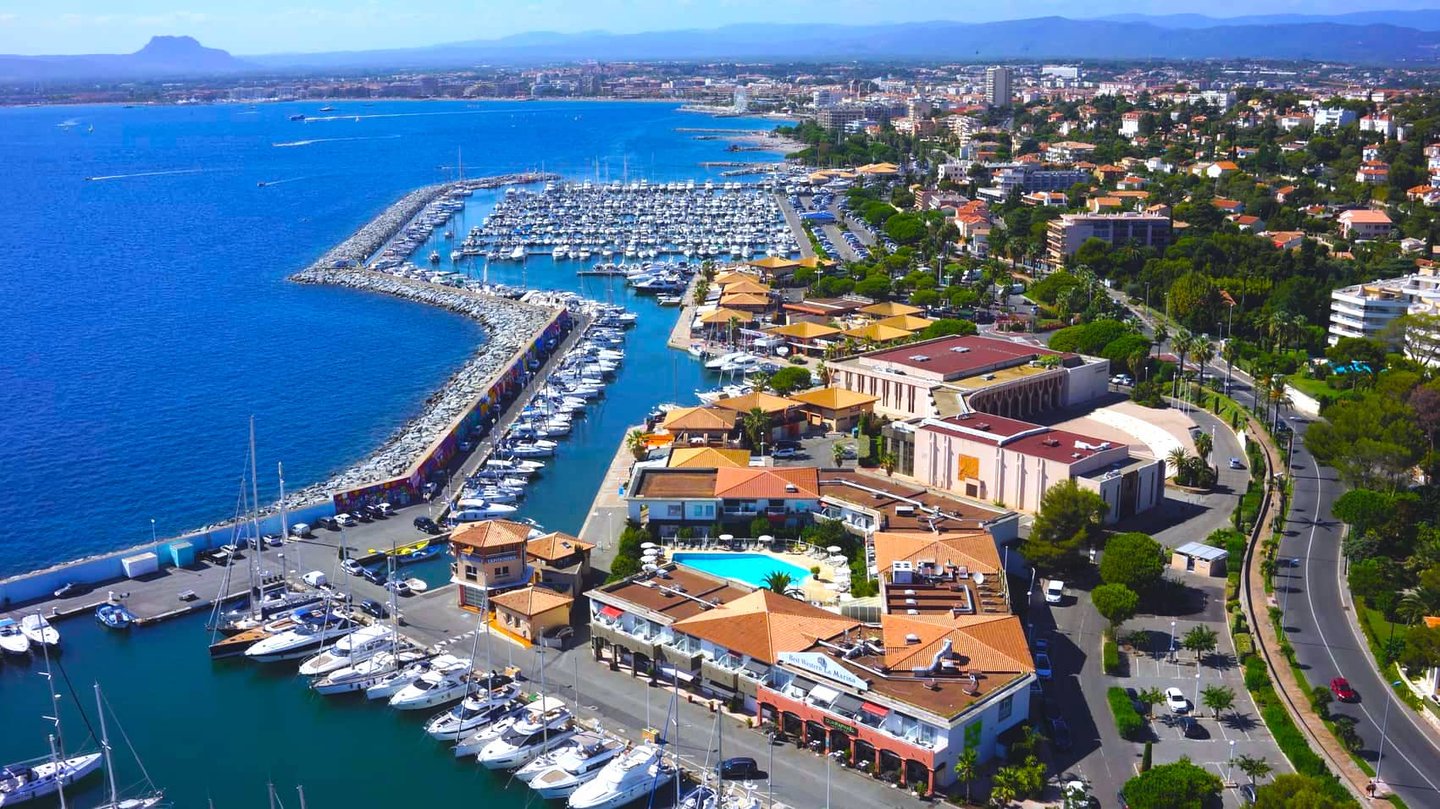
Port Santa Lucia is not a modest fishing harbour. It is a serious piece of maritime infrastructure, and it sits within comfortable walking distance of the town centre. Port Santa Lucia ranks as the third-largest marina on the French Riviera and serves as an ideal departure point for boats heading along the Mediterranean coast towards Corsica and Italy. Together with the Vieux Port and Boulouris harbour, Saint-Raphaël has five marinas in total. Sailing, yacht charter, water-skiing, kayaking and paddleboarding are all straightforwardly available. In summer, a regular ferry service also runs from the old port directly to Saint-Tropez - a considerably more refined option than the coast road, which in July and August tests the patience of even the most composed traveller.
Explore our beautiful properties near Saint-Raphaël
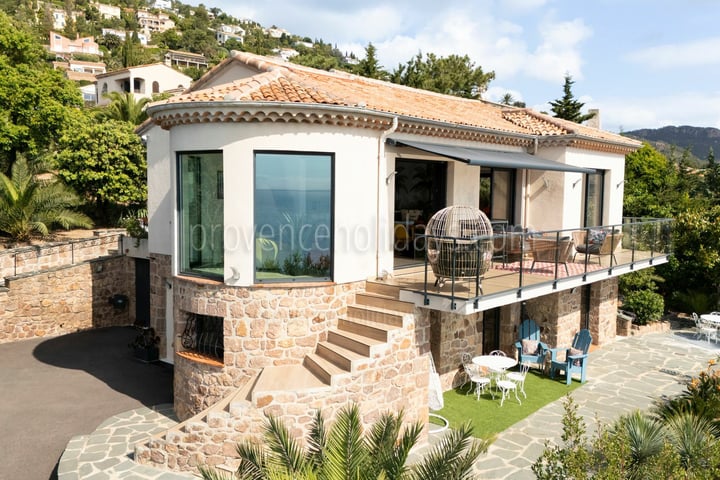
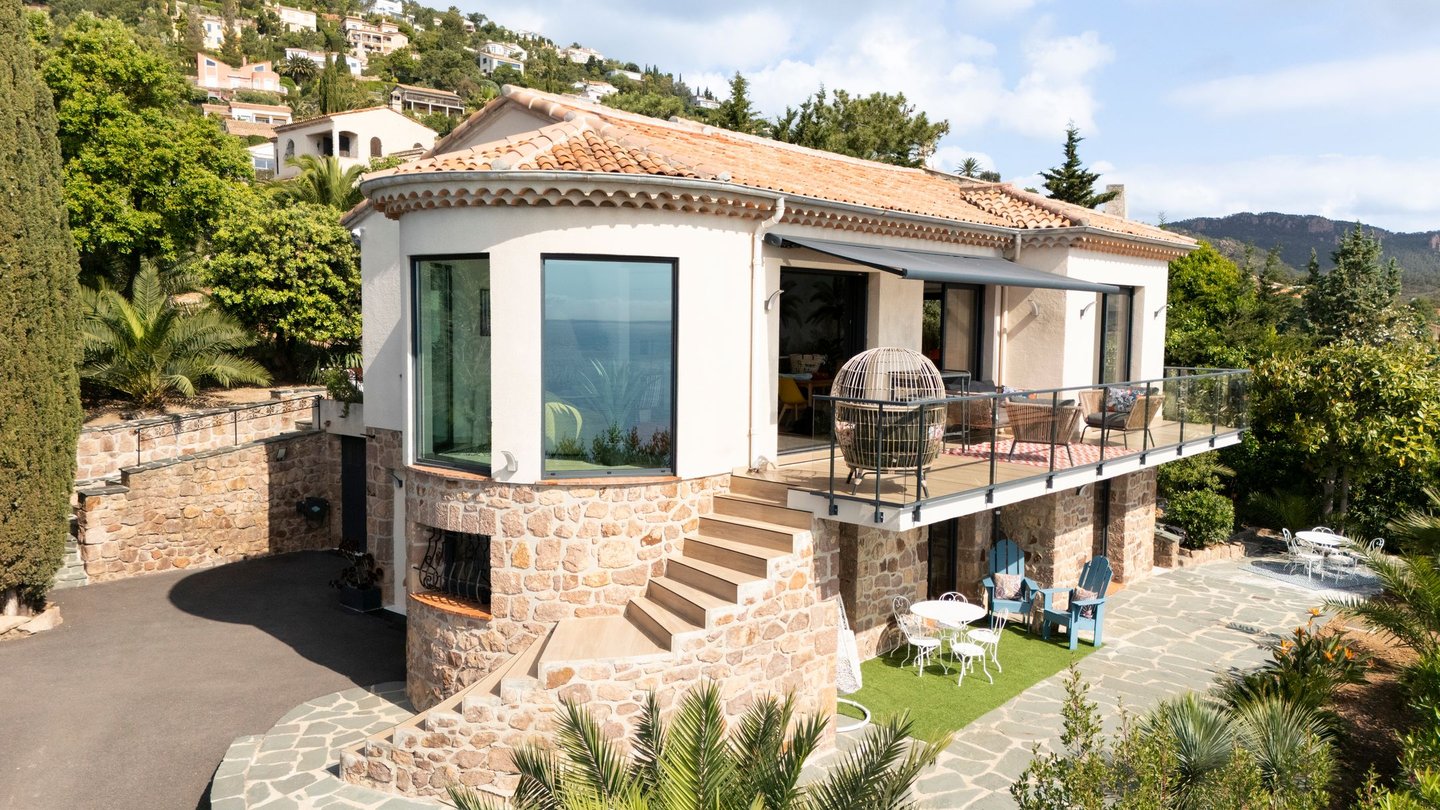
A private villa rental in Provence near Saint-Raphaël places you at the heart of all of this - with the Corniche d'Or, the Esterel, the ferry to Saint-Tropez, and the Dramont coastal path all within easy reach. Our local team knows the eastern Var with the depth that only years of living and working here can provide. Browse our curated collection of holiday villas in Provence or speak with our regional team to begin planning your stay.
6. Recreational diving was pioneered here
Before scuba diving became the global pursuit it is today, a small town on the Mediterranean was already doing the work of inventing it. Saint-Raphaël, alongside Sanary-sur-Mer, is recognised as one of the birthplaces of recreational diving in France. The bay and the marine nature reserve of Agay now host more than 30 dive sites across every level of experience. Beginners explore the sandy seabed around Dramont. More experienced divers navigate the rocky cavities of the Esterel's underwater cliffs, visit a medieval archaeological site where twelve ancient ships were lost, or descend to the wrecks of two Belgian barges torpedoed in July 1944, which lie in 28m of water. The diving here is not a visitor afterthought, it is a serious, layered and historically extraordinary underwater world.
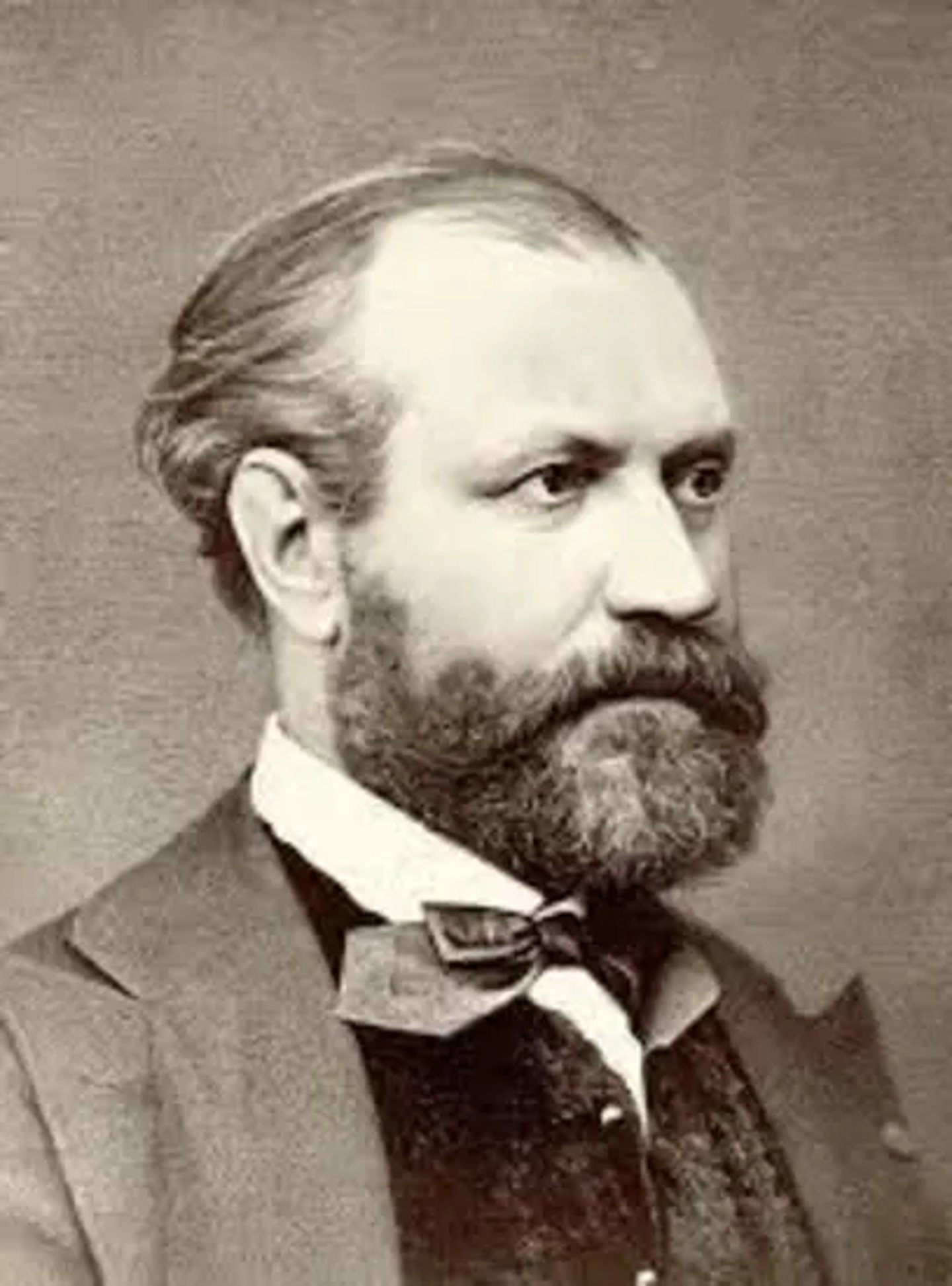
7. Charles Gounod composed an opera on its doorstep
Fitzgerald was far from the only creative figure drawn to Saint-Raphaël. The town has been inspiring artists and composers for well over a century. In 1867, the French composer Charles Gounod - best known for the opera Faust - stayed in Saint-Raphaël long enough to compose his opera Roméo et Juliette. The writer Alphonse Karr settled here in 1865, and his enthusiasm was infectious enough to draw writers, composers and a wealthy European social set in his wake. The elegant Belle Époque villas that remain on the hillsides above the town today are the physical legacy of that era - and several are available as holiday villa rentals in Provence for those who wish to follow in distinguished footsteps.
8. Its offshore island may have inspired Tintin
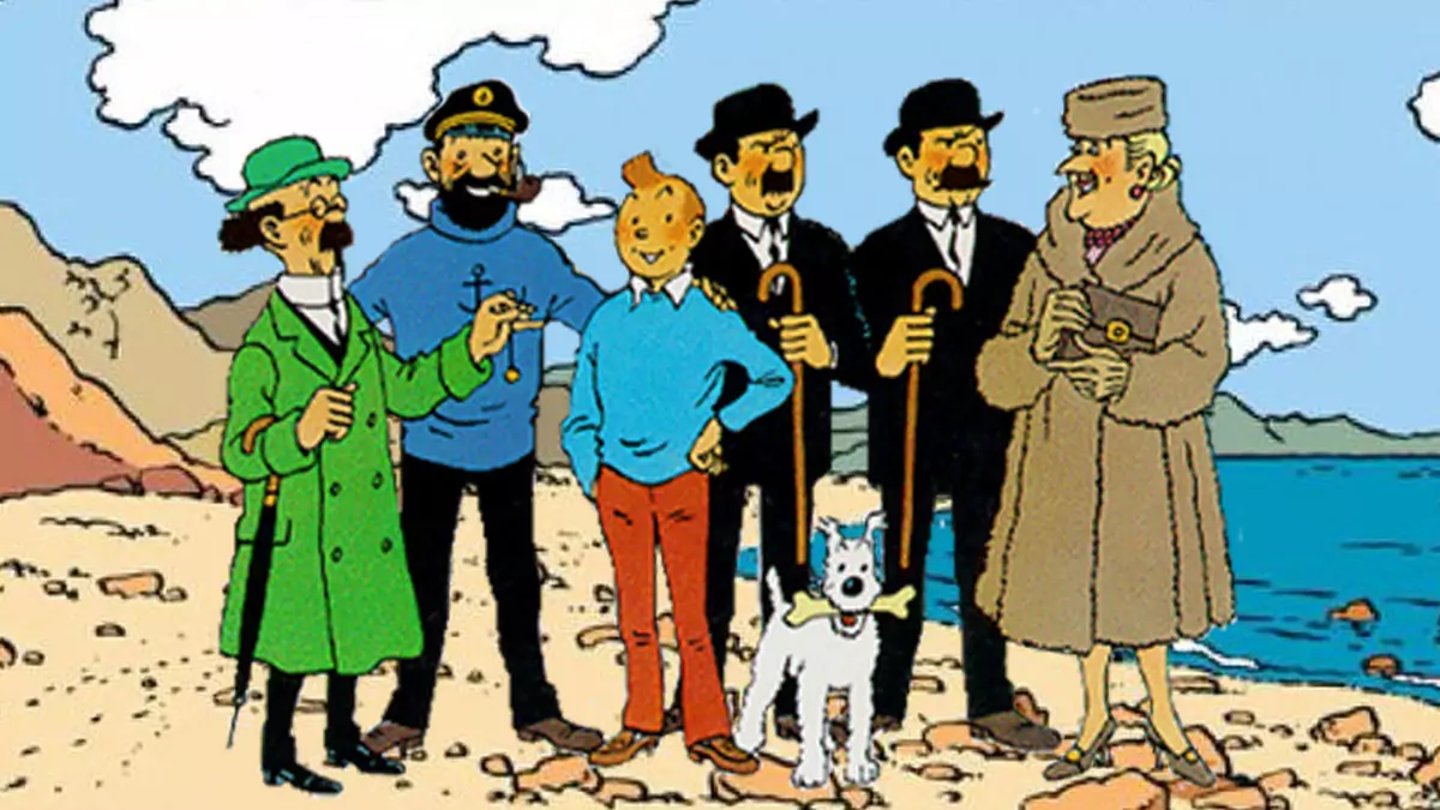
Just beyond Cap Dramont, a small private island sits in the water with a square crenellated tower built entirely from red Esterel stone. It has its own story - and possibly a famous one. The Île d'Or has been privately owned since 1897 and is classified as one of the sixty most beautiful sites in France. A former owner reportedly declared himself king of the island, which adds a certain character to its mystique. It is widely held that the island and its tower inspired the Belgian cartoonist Hergé when he created The Black Island in The Adventures of Tintin. Whether or not that connection is precisely documented, the view of the Île d'Or from the coastal path at Cap Dramont is one of the most arresting on this stretch of coast. And it is entirely free.
9. It has the only museum in France dedicated to Louis de Funès
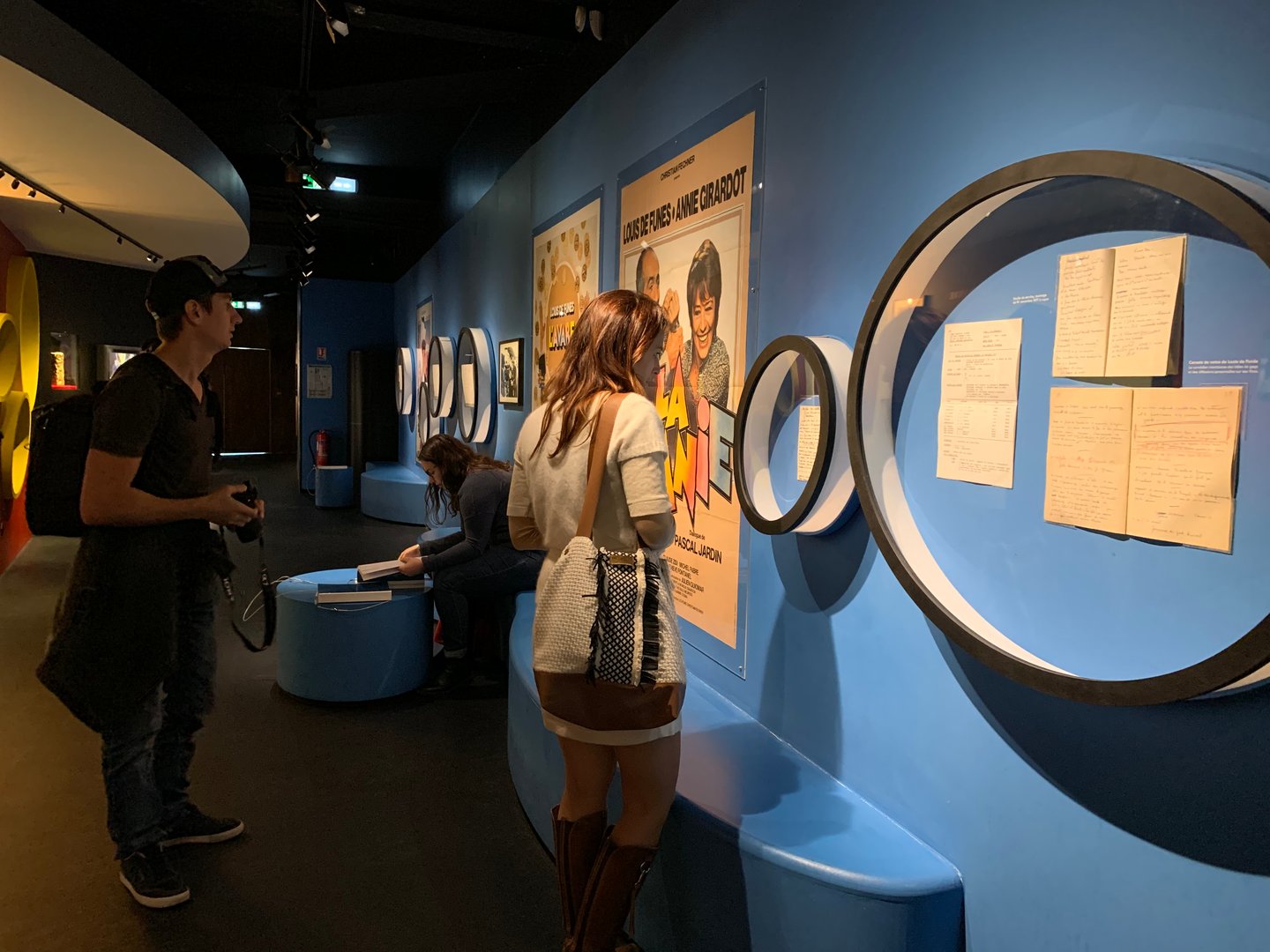
Between its Roman archaeology and its wartime history, Saint-Raphaël makes room for one of France's most unexpectedly enjoyable museums. The Louis de Funès Museum is the only institution in France entirely devoted to the comedian whose films - particularly the Gendarmes series and La Grande Vadrouille - remain among the most watched in the history of French cinema. The museum retraces the life and work of the actor through more than a hundred objects, clips and exhibits. Visitors who arrive with no familiarity with Louis de Funès tend to leave with a genuine appreciation of the man. It reflects something important about Saint-Raphaël: this is a town with the confidence to celebrate what it values, without needing external validation to do so.
10. Its coastal walk is among the finest in the region, and rarely crowded
12km of red cliffs, clear water, wartime landmarks and views across to Saint-Tropez. On most days, with very few other people. The coastal path from Port Santa Lucia runs to the bay of Agay, passing the beaches of Boulouris and Dramont, the Île d'Or, the small port of Poussaï, the Dramont semaphore and the sheltered bay of Agay. It covers 12km and takes approximately four hours and 30 minutes to complete. The Esterel's red cliffs above and the turquoise water below give it a visual character unlike any other walking route on the Côte d'Azur. That it remains genuinely uncrowded is, frankly, one of the more surprising things about it. Bring water, allow the full time, and start early in summer. You will not find a more rewarding morning on the eastern Var coast.
Saint-Raphaël is a town that has been shaped by extraordinary events across two thousand years - Roman families, Knights Templar, Napoleon, the Allied landings of 1944, and one of the most celebrated novels in the history of American literature, all connected to this one stretch of the Provençal coast. Its landscape, formed from ancient volcanic rock, is unlike anything else on the French Riviera. Its marinas, dive sites, coastal paths and golf courses offer a range of experiences that few destinations in the region can match. And above all, it retains an authentic Provençal character that its more famous neighbours have, to varying degrees, traded away. If you are considering a villa rental in Provence and looking for somewhere with genuine depth, a base from which to explore the Esterel, the eastern Var coast, and the wider region, Saint-Raphaël warrants serious consideration. We are well placed to help you find the right property, and to ensure that every element of your stay reflects the standard you would expect from Provence Holidays.
À bientôt,