Anna moved to France in 2023 with her husband and two dogs. Since then, the household has grown to include another dog, a baby girl, and a farmhouse surrounded by woodland in the Southern Rhône. While life looks different from her years in the UK, her career in wine has continued to shape her days in Provence.
Before relocating, Anna spent more than a decade working in the UK wine trade, specialising in wine education and tastings. Her most recent role was as Tastings and Events Manager at The Wine Society, one of the UK’s most respected wine retailers. She has completed all WSET qualifications, is a certified WSET educator, and is currently studying for the Master of Wine programme, one of the most demanding wine qualifications in the world.
“I spent a decade working in the UK wine trade, specialising in wine education,” Anna explains. “Most recently, I was Tastings and Events Manager at The Wine Society, which gave me a real insight into how people learn about wine and what makes an experience memorable.”
“The Southern Rhône is all about diversity. If you want a rosé for drinking by the pool, we have it. If you want a food-friendly white, you are in the right place. And if you want red wines for now, for ageing, for glugging or for savouring, we have got them all.”


Why the Southern Rhône became home
The move to Provence was not impulsive. Years of visiting family in the region gradually made returning to the UK feel more difficult than staying. “We knew the region well as we had been visiting my parents here for years,” Anna says. “We fell in love with the food, the people, and the landscape. Eventually, it became harder and harder to pack the car and leave.”
From a wine perspective, the Southern Rhône stood out for different reasons. While internationally recognised, it remains relatively understated when it comes to wine tourism. “As a region, it makes impressive and world-famous wines, but it is less set up for oenotourism than other parts of France,” Anna explains. “Outside places like Châteauneuf-du-Pape, there are hundreds of undiscovered producers hidden among the hills.”
Her background in wine education felt like a natural fit. “I felt my experience of teaching and communicating, and my approach of making wine more accessible, could really be put into practice here.”
“I spent a decade working in the UK wine trade, specialising in wine education. As a region, the Southern Rhône makes impressive and world-famous wines, but it is less set up for oenotourism than other parts of France. I felt my experience of teaching and communicating could really be put into practice here, helping to open doors and make the region more accessible.”
Tailored tastings and vineyard visits
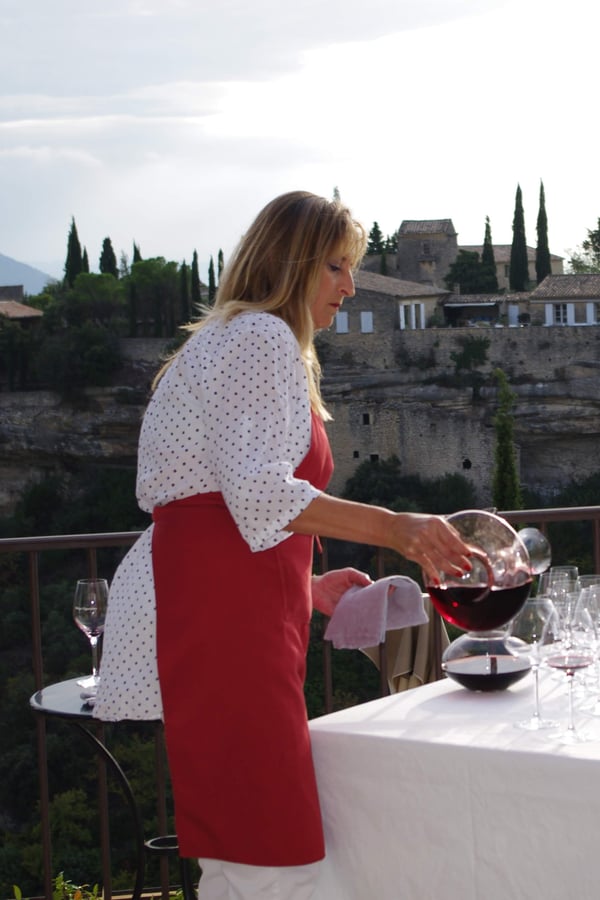
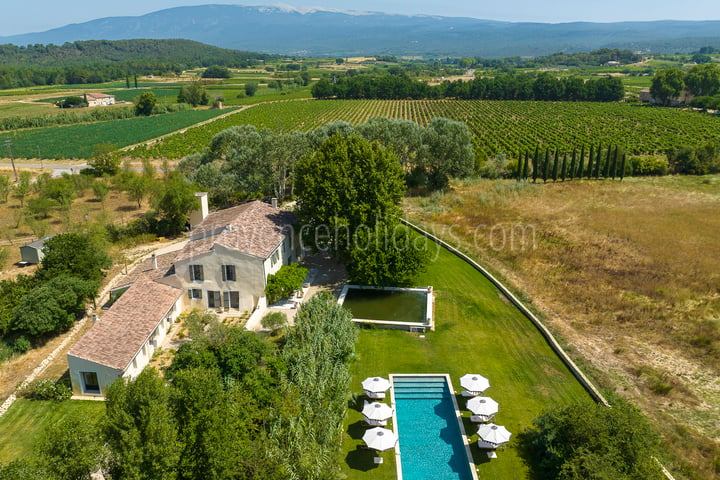
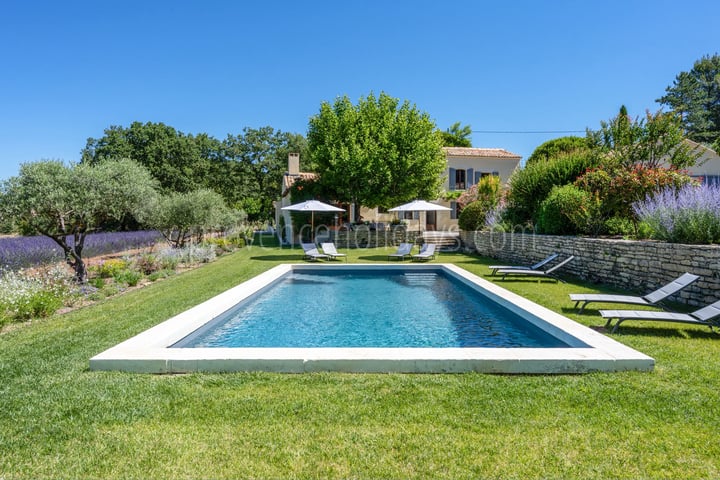
Anna’s experiences are shaped around the guest rather than a fixed route or script. Before planning a tasting or tour, she takes time to understand preferences, experience levels, and expectations for the day. Her offering includes relaxed introductions, more detailed vineyard-focused tours, and private in-villa tastings where wines and context are brought directly to guests staying with Provence Holidays. Across all formats, the emphasis remains on authenticity, clarity, and wines that reflect their place of origin.
When to visit for wine lovers
Spring and autumn are particularly rewarding times to explore the Southern Rhône. Spring brings renewed energy, with vines beginning to grow, flowers filling the landscape, and village life returning outdoors. Autumn brings harvest, when vineyards and wineries are at their most active and the region feels closely tied to the rhythm of winemaking. While harvest visits require flexibility, they offer a rare and immersive insight into how wines are made.
Building confidence through understanding
A key part of Anna’s approach is helping guests feel comfortable with wine. Rather than overwhelming people with technical detail, she focuses on building understanding step by step. One of her most popular offerings is the in-villa wine primer. Before visiting estates, Anna introduces guests to key grape varieties, appellations, and regional rules in a relaxed setting. This foundation allows guests to recognise styles, ask informed questions, and gain more from each vineyard visit.


Food, wine, and place
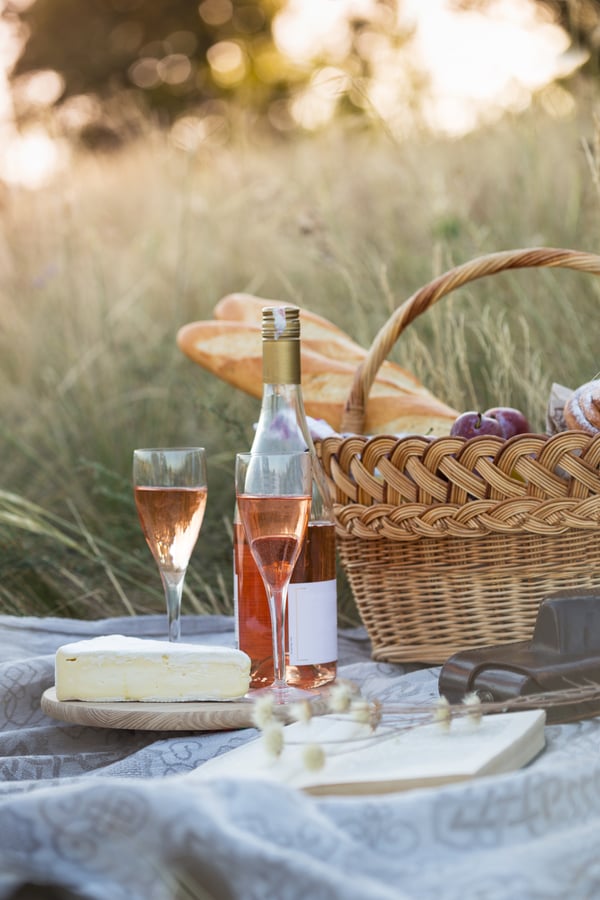
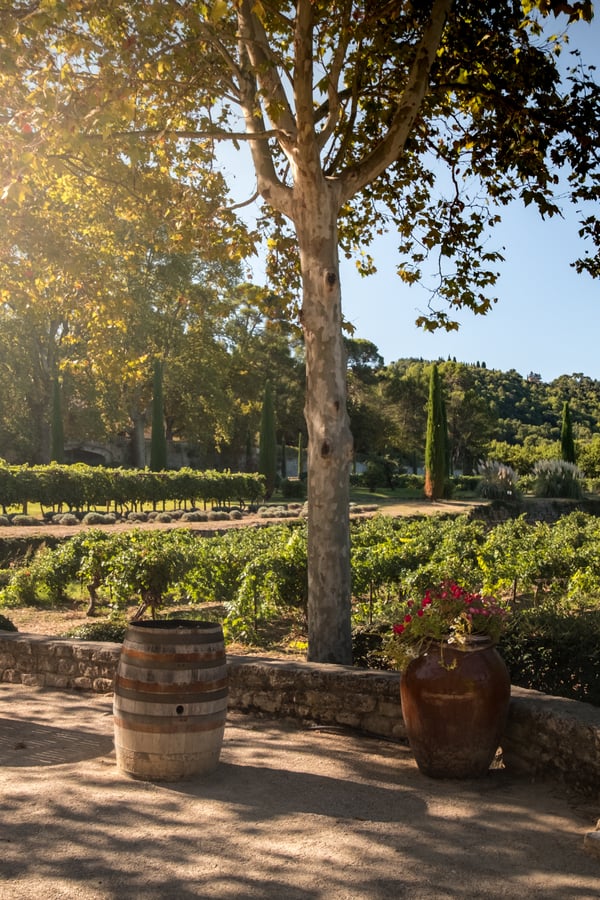
Food is an integral part of Anna’s tours. Whether recommending a restaurant or suggesting a simple picnic sourced from a local boulangerie, she places wine firmly within the context of Provençal food culture. When conditions allow, walking through the vineyards and spending time among the vines adds further perspective, helping guests connect the landscape to what they taste in the glass.
Classic pairings include lamb cooked over fire with olives and garlic, matched with a structured rosé from Tavel or a fresh red from a Côtes-du-Rhône Villages appellation. For something more refined, a Grenache-led Châteauneuf-du-Pape with a few years of age offers depth and balance.
A changing favourite
Although the Southern Rhône is best known for red wines, white wines are increasingly standing out. In particular, white Gigondas has gained attention. While these wines have been produced for centuries, only recently have producers been permitted to label them as Gigondas. Quality remains high, production limited, and recognition is still developing.
Wine as a shared experience
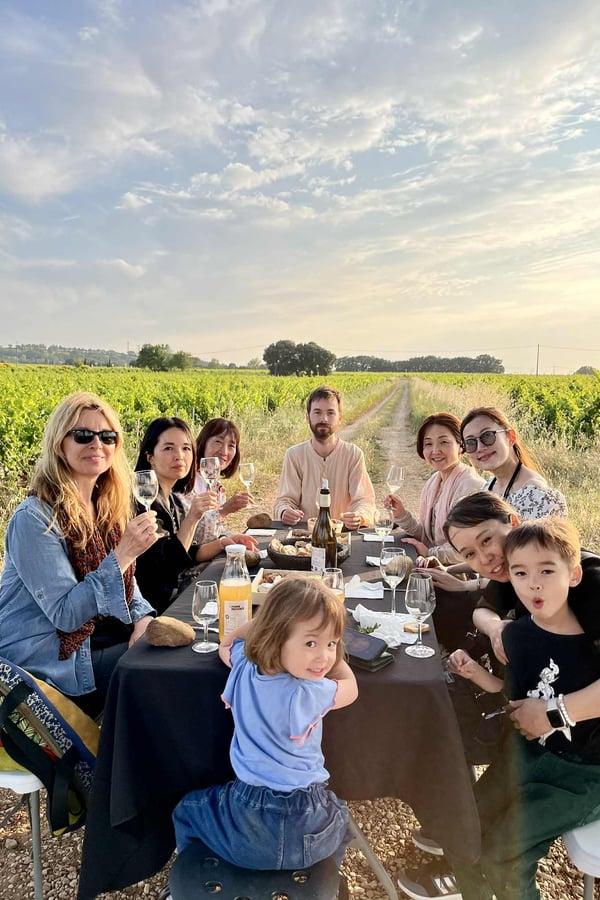
Many of Anna’s most memorable moments come from shared experiences around the table. Wine becomes a way to bring people together, whether they arrive with decades of tasting experience or are stepping into a vineyard for the first time. For guests staying with Provence Holidays, Anna’s wine experiences offer a considered way to explore the Southern Rhône, guided by expertise, accessibility, and a genuine connection to the region.
For those staying with Provence Holidays, discovering the Southern Rhône with Anna offers a deeper understanding of the region beyond the label. Her approach combines technical knowledge with clear communication, allowing guests to explore wines with confidence and context. Whether through a private villa tasting or a day spent among the vines, these experiences offer a considered way to connect with the landscapes, producers, and food culture that define this part of Provence.
À bientôt,
The Provence Holidays Team