Roussillon is built entirely from ochre-pigmented stone, and the cliff formations around the village are unlike anything else in Provence. In August the secret is simple: go early, before the heat and the crowds, when the light makes the ochre glow at its most extraordinary.


A village built from its own geology
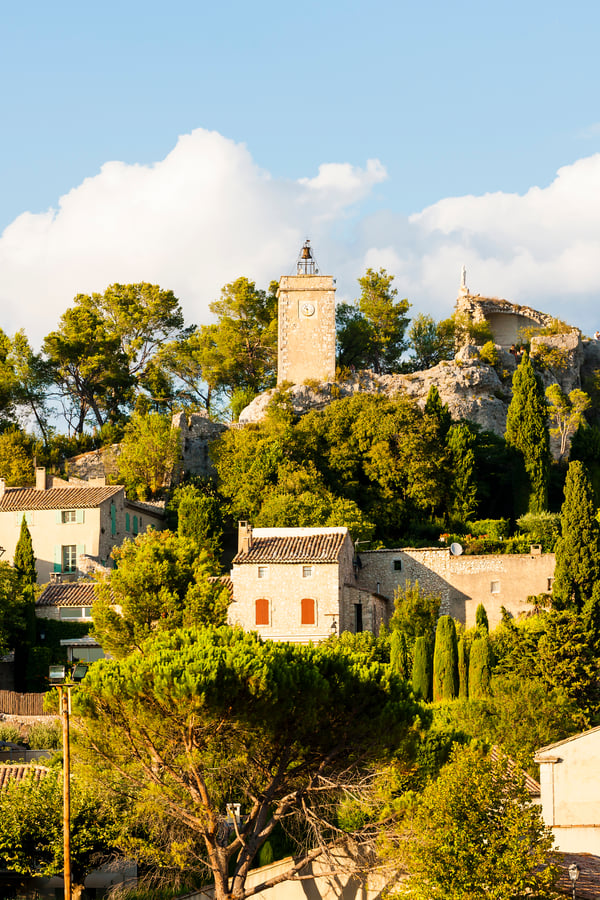
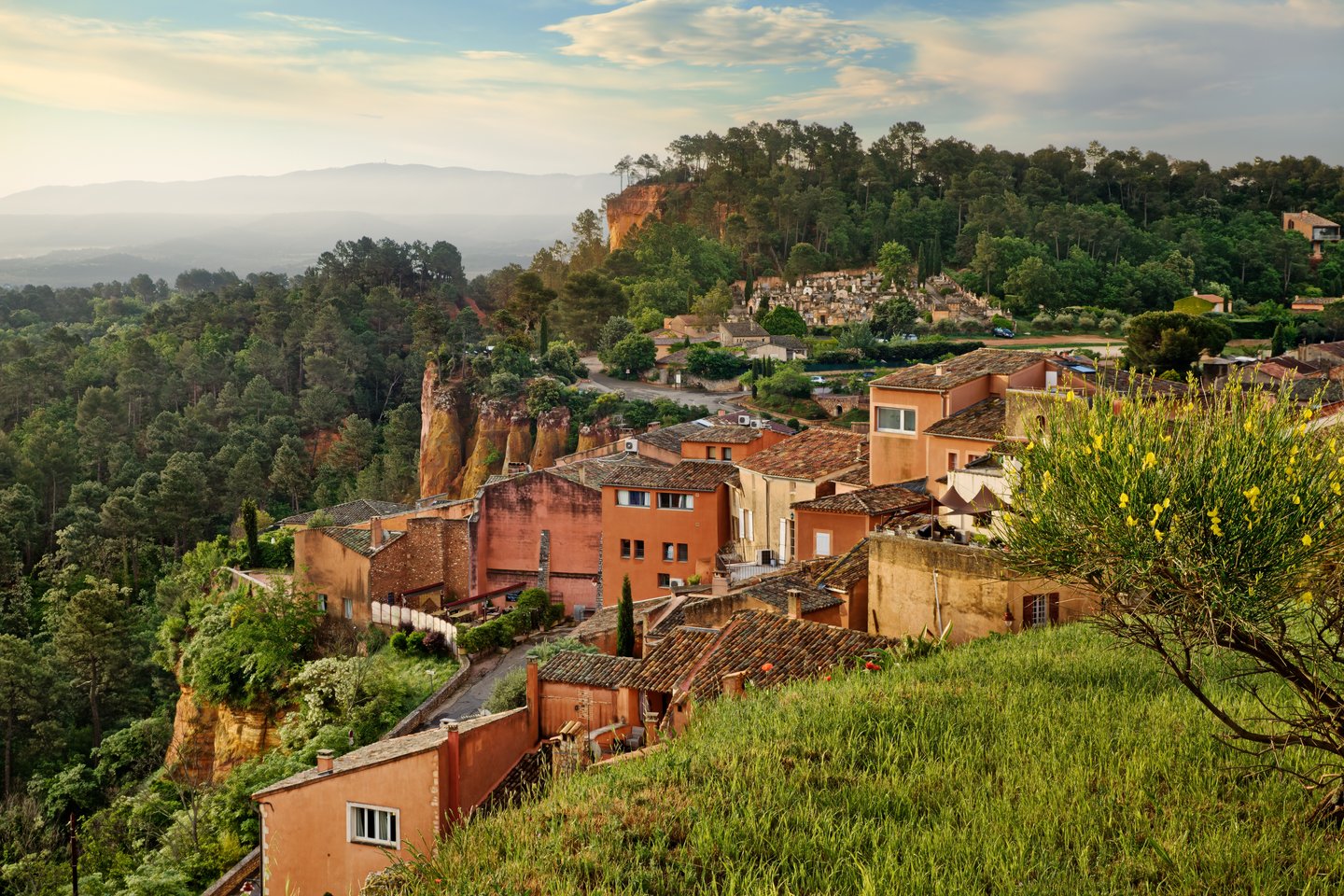
Roussillon is unusual in Provence, and unusual in France. The village is built almost entirely from locally quarried ochre stone, which gives it a palette that ranges from burnt orange to deep rust to pale yellow depending on the time of day and the particular seam from which each building stone was cut. There is nowhere quite like it in southern France, and the effect when you first approach through the flat agricultural land of the Luberon plateau is genuinely startling.
The ochre deposits beneath and around Roussillon are among the richest in Europe. The Luberon plateau sits on a geological layer of Eocene sandstone coloured during the Cretaceous period by iron oxide, the compound that gives ochre its range of warm tones. At Roussillon, these deposits are close to the surface and in places exposed entirely, creating cliff formations, gullies and outcrops of pure colour in the landscape around the village.
The commercial ochre industry here ran from the late eighteenth century through to the 1950s, when synthetic pigments made the quarrying uneconomical. At its peak, the Luberon produced around 40,000 tonnes of ochre per year, exported across Europe and beyond for use in paints, dyes and building materials. The Usine Mathieu at Gargas, a few kilometres south-east of Roussillon, is now a museum of the ochre industry worth combining with a Roussillon visit for those interested in the full story.
The village itself
Above the quarry path, Roussillon village is smaller and quieter than its reputation might suggest. The narrow streets of the old village lead up to a belvedere at the summit with a clear view across the Vaucluse plateau towards Mont Ventoux to the north. This view is at its most striking in the late afternoon when the light comes in low from the west. The village has a small but good collection of independent shops, mostly selling locally produced ochre-based goods: pigments, soaps, ceramics and fabrics dyed using traditional methods. Several cafes and one or two restaurants are clustered around the main square. The quality is generally good, though prices reflect the volume of visitors in peak season.
The Sentier des Ocres
The footpath that runs through the ochre quarry landscape around Roussillon is one of the most distinctive short walks in Provence. It is not a demanding trail: the two circuits run to either one kilometre, about thirty minutes, or two kilometres, about an hour. But it passes through terrain that looks like nowhere else in the region.
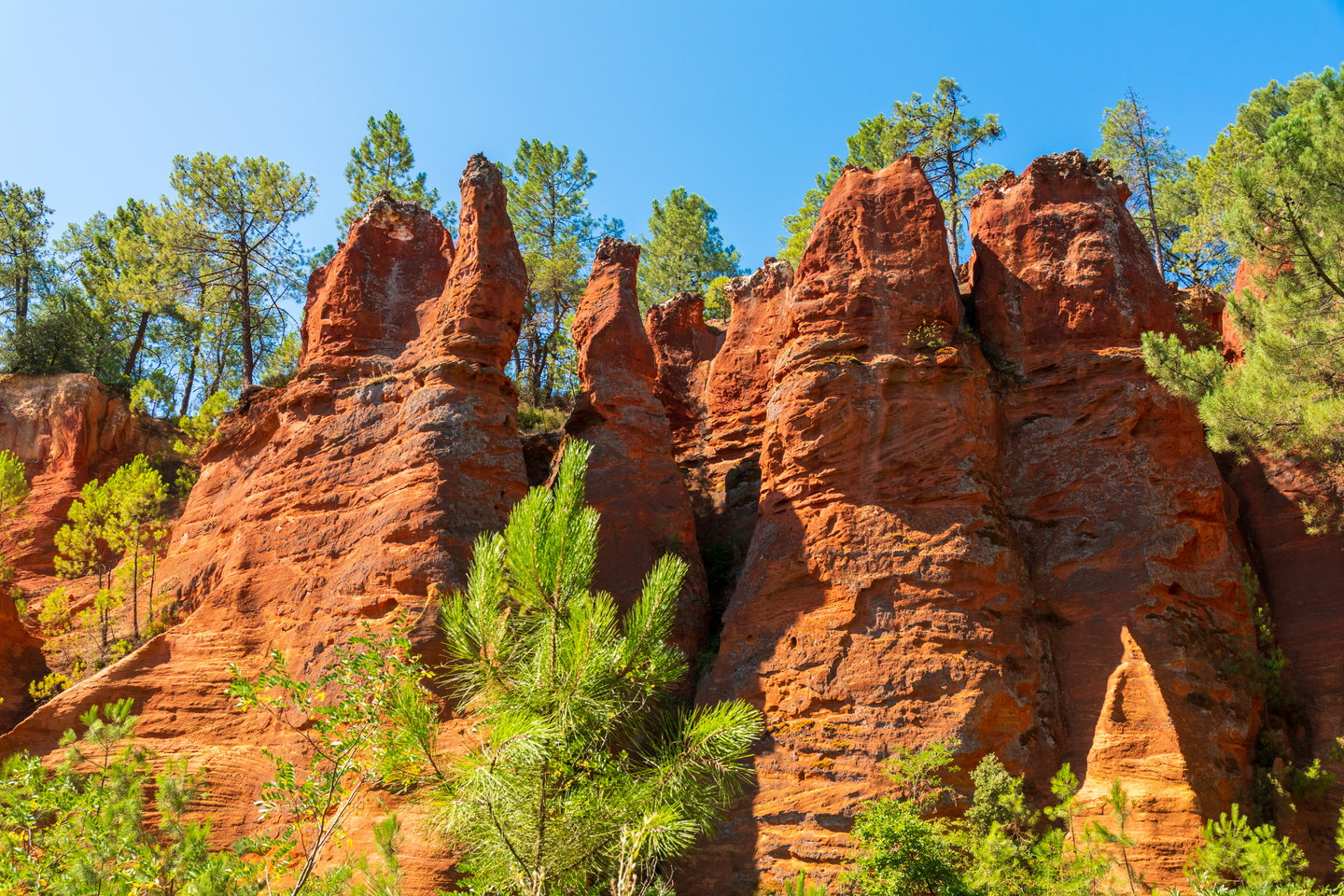
The path descends from the village into the old quarry workings, where the exposed ochre faces are at their most vivid. The colour of the rock changes constantly as you move through: from amber yellow in the higher sections to a deep rust red in the shadowed gullies, to a pale cream at the base of the oldest formations. The pine trees that have colonised the old quarry edges add a strip of dark green against the warm stone, and the contrast is particularly striking when the morning light comes in at a low angle.
Comfortable shoes are essential. The path is uneven, and the ochre dust stains clothing and footwear, so wear something you do not mind getting orange. There is a modest entry fee payable at the village, which goes toward path maintenance.
In August here: beat the heat, keep the magic
August is the busiest month at Roussillon, and the village earns its reputation as one of the most visited spots in the Luberon. The key to getting the best of it is simple: go early. Before 9am, the Sentier des Ocres is cool enough to walk in comfort and the light comes in from the east at a low, direct angle that makes the ochre glow at its most intense. The colours shift through the full range in the first hour after sunrise: the deep reds in the shadowed sections come alive, and the pale yellows at the top of the formations catch the first warmth of the day. By 11am in August the path is hot and the midday light flattens the depth of colour that makes the early morning walk so rewarding. The village itself is manageable before 10am: the car park below the village fills quickly in high summer, and arriving before 9.30am is strongly advisable to guarantee a space.
The early August morning visit pairs well with a mid-morning return to the village for coffee at one of the cafes on the main square, which are setting up by the time walkers come back from the path. The Saturday morning market in Roussillon is modest but reliable for local produce: a good source of Luberon honey, lavender oil, and the small ceramics and ochre-pigment goods that the village specialises in. For a longer lunch away from the August crowds, the nearby village of Goult, about ten minutes' drive west, has a strong independent restaurant scene and considerably fewer visitors than Roussillon. It is worth the detour if you want a more relaxed midday meal.
Practical notes about Roussillon
Roussillon has no petrol station: fill up in Apt, twelve kilometres east, or Goult, ten kilometres west, before driving up. Mobile signal can be patchy on the plateau roads. The entry fee for the Sentier des Ocres is modest and payable at the start of the path.
The Colorado Provencal at Rustrel
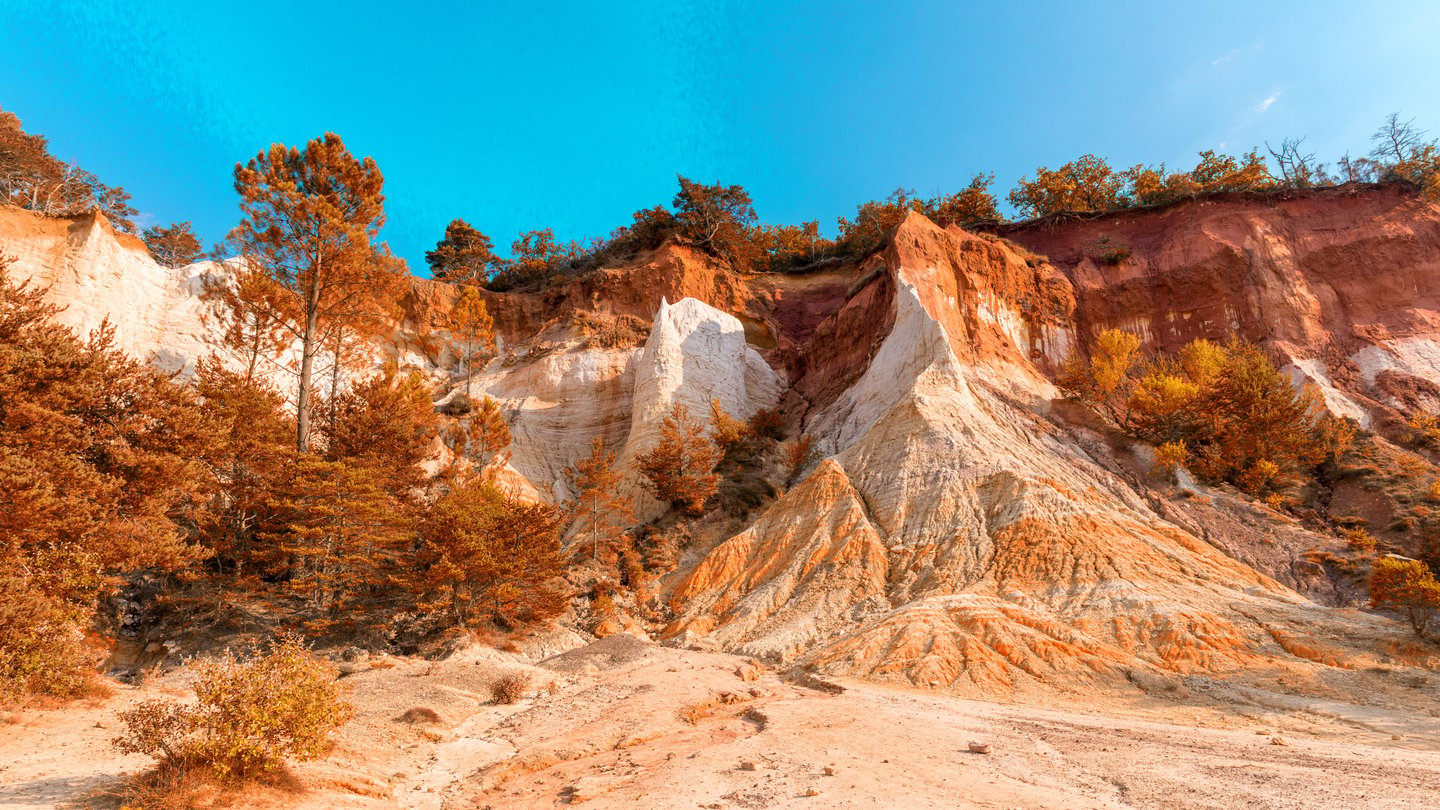
If the Sentier des Ocres leaves you wanting more of the ochre landscape, the Colorado Provencal at Rustrel is about fifteen minutes east by car. This is a larger and wilder ochre site than the Roussillon path: less manicured, without an entry fee, and with a series of longer walking routes through formations that have been given names such as the Giant and the Fairies' Chimneys.
The Colorado Provencal is best visited in the morning for the same reason as Roussillon: the light hits the ochre faces from the east, and the colours are at their most intense before noon. The two sites can easily be combined in a single morning, starting at Rustrel and ending at Roussillon for a late breakfast or early lunch.
Roussillon rewards the early riser: go before 9am, walk the ochre path in the morning light, and you will understand why this corner of the Luberon plateau is unlike anywhere else in Provence.
A bientot,