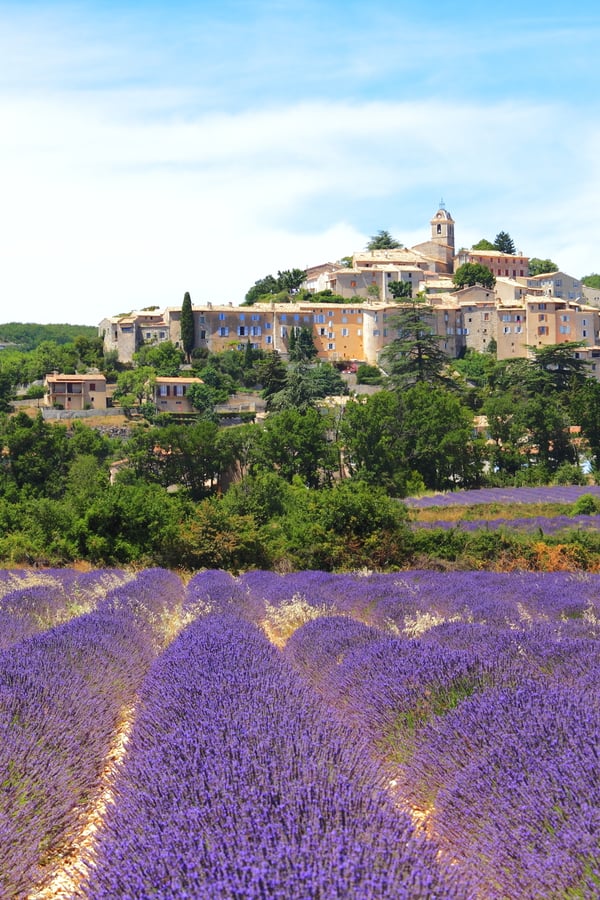
The southern ridge of the Luberon holds four villages within about twenty kilometres of one another: Bonnieux, Lacoste, Ménerbes and Oppède le Vieux. Each has its own distinct character. The roads between them are some of the most rewarding driving in Provence.
Starting in Bonnieux
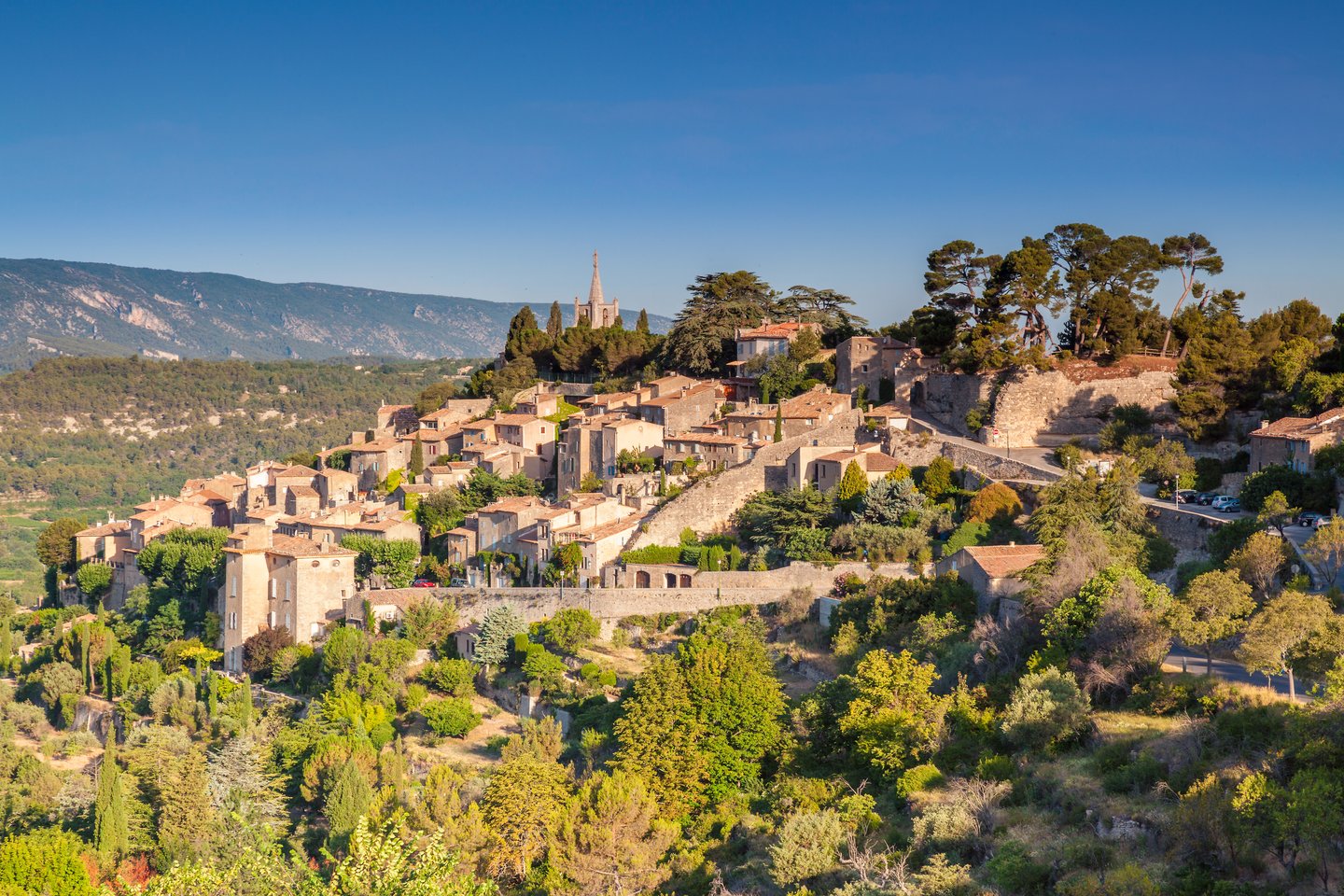
Bonnieux is the most practical starting point for the circuit. It is the largest of the four villages, has the most parking, offers the best choice of cafés and restaurants and has enough to occupy a full hour before you move on. The village rises steeply from the valley road and the old centre at the top is built around a twelfth-century church with a strong view north over the Luberon valley towards the Vaucluse plateau.
There is a second, newer church lower down in the village, less interesting architecturally, but useful as a landmark when navigating the streets. The climb to the upper church takes about fifteen minutes from the main parking area and is worthwhile for the orientation it provides before the drive ahead.
Bonnieux has a small museum dedicated to the history of bread-making in Provence, the Musée de la Boulangerie, which occupies a seventeenth-century building in the lower village. It is modest in scale but well maintained, and a good twenty-minute stop for families with children who have been doing a lot of village churches. The cedar forest that descends the southern slope of the ridge below Bonnieux is one of the most unusual landscapes in the Luberon and gives the village a distinct backdrop when seen from the valley below.
For the drive to Lacoste, take the D109 west from Bonnieux. The road crosses the valley floor, passes through vineyards and oak scrub, and climbs back to the ridge, a journey of about four kilometres that takes less than ten minutes but offers strong views of both villages simultaneously from the col between them.
Lacoste
Lacoste is small, steep and in places still partially ruined. Its streets rise sharply to the château that sits at the summit, a building with an unusual dual history that defines the village's character more than anything else.
The château was the property of the Marquis de Sade, who spent extended periods here in the 1770s. It was later partially demolished by local inhabitants, fell into ruin, and was purchased in the early 2000s by Pierre Cardin, who restored part of it and established a summer arts festival in the courtyard. The result is a building that is simultaneously a historical monument, a working cultural venue and, in the parts that remain unrestored, a ruin. The views from the terrace are the best in the village, north across the valley to Bonnieux and south towards the plain.
Lacoste also has a notable presence from the Savannah College of Art and Design, which operates a study abroad programme here and has restored several buildings in the lower village. This gives the village a quieter and slightly more creative atmosphere than its neighbours, with a small number of galleries and ateliers alongside the café and wine bar that constitute the village's social infrastructure.
Ménerbes
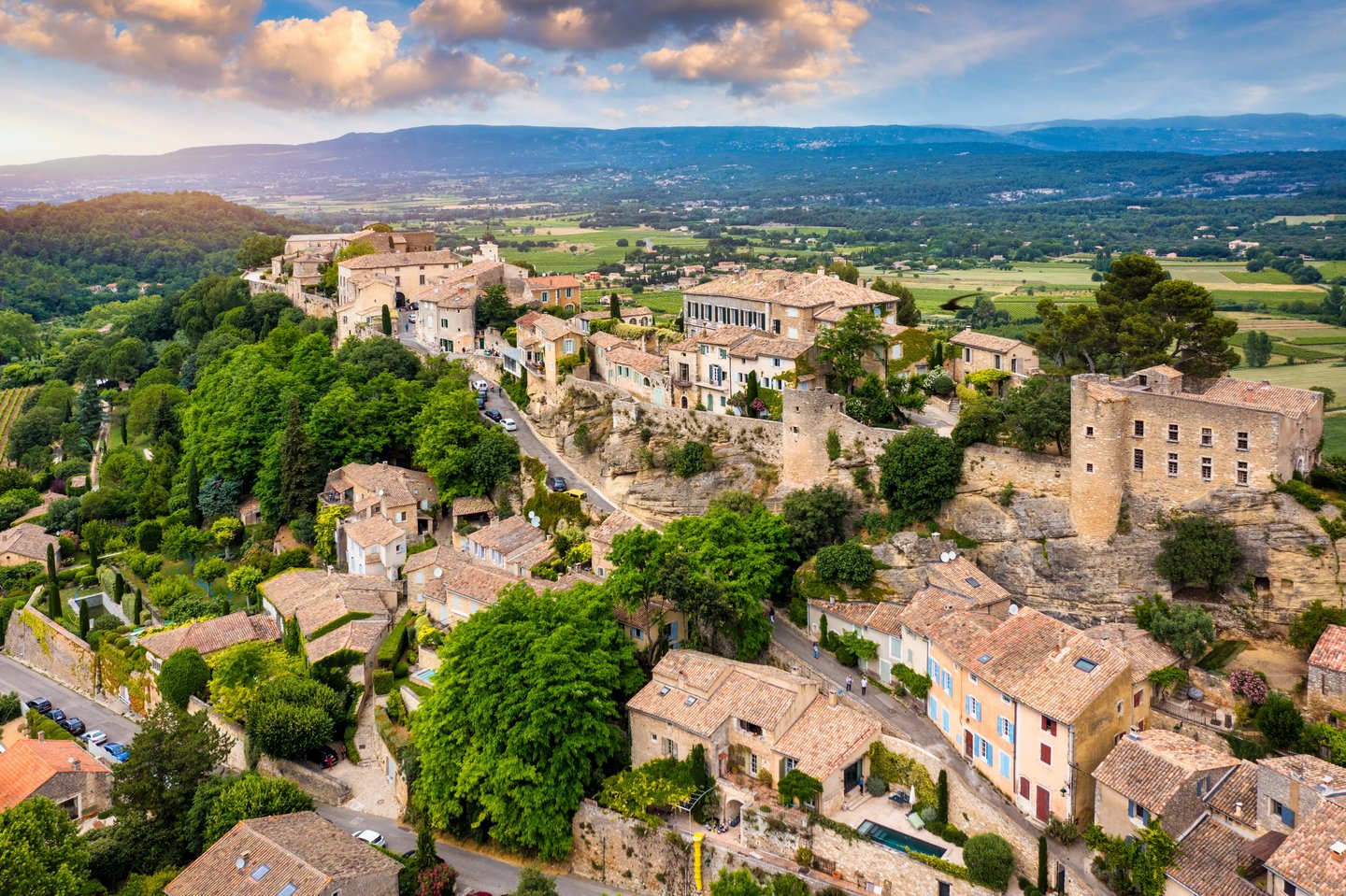
A further five kilometres west along the ridge brings you to Ménerbes, one of the more distinctly vertical villages in the Luberon, its old section occupying a narrow promontory of rock with the streets running in a roughly single file from the church at one end to the citadelle at the other.
Ménerbes is associated with Peter Mayle, who lived here in the late 1980s and early 1990s while writing A Year in Provence. The book's success transformed the village's profile and it continues to draw visitors who want to connect with that story, though the village itself is quieter than its reputation might suggest, and feels more residential than touristic once you move away from the main square.
The Maison de la Truffe et du Vin du Luberon on the central square is worth a visit for those interested in truffles, which are a significant and growing product of the Luberon plateau. The maison combines a small museum, a tasting room and a shop, and the autumn truffle season, which begins in November and peaks in January, is well represented in the local restaurant menus from late October onwards. For a September visit, the wine tasting element is more relevant, with a strong selection of Luberon AOC producers.
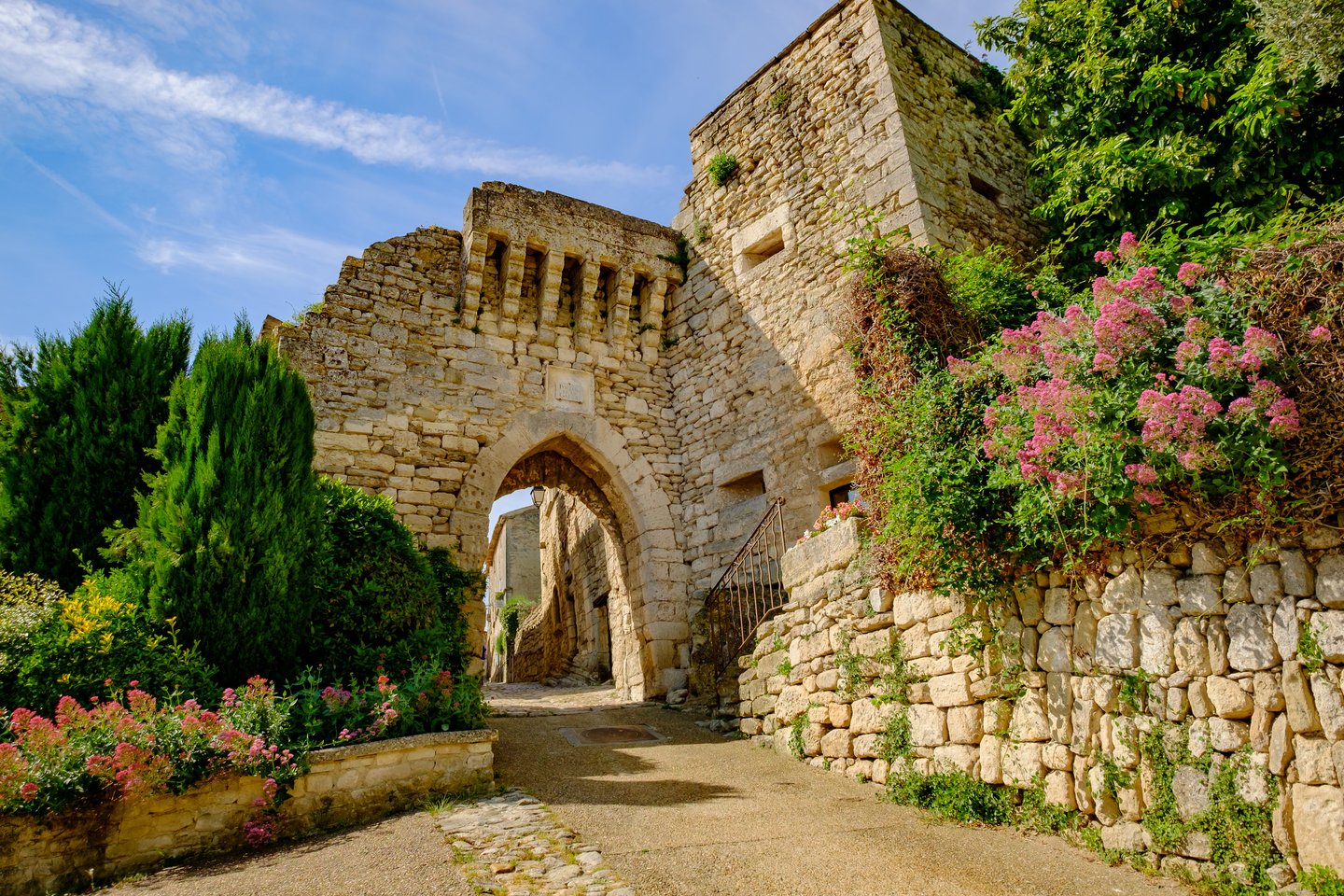
The citadelle at the eastern end of the ridge was a Protestant stronghold during the Wars of Religion and held out against a Catholic siege for five years in the late sixteenth century. The building is not open to the public but the exterior and the views from the end of the ridge are accessible.
Oppède le Vieux
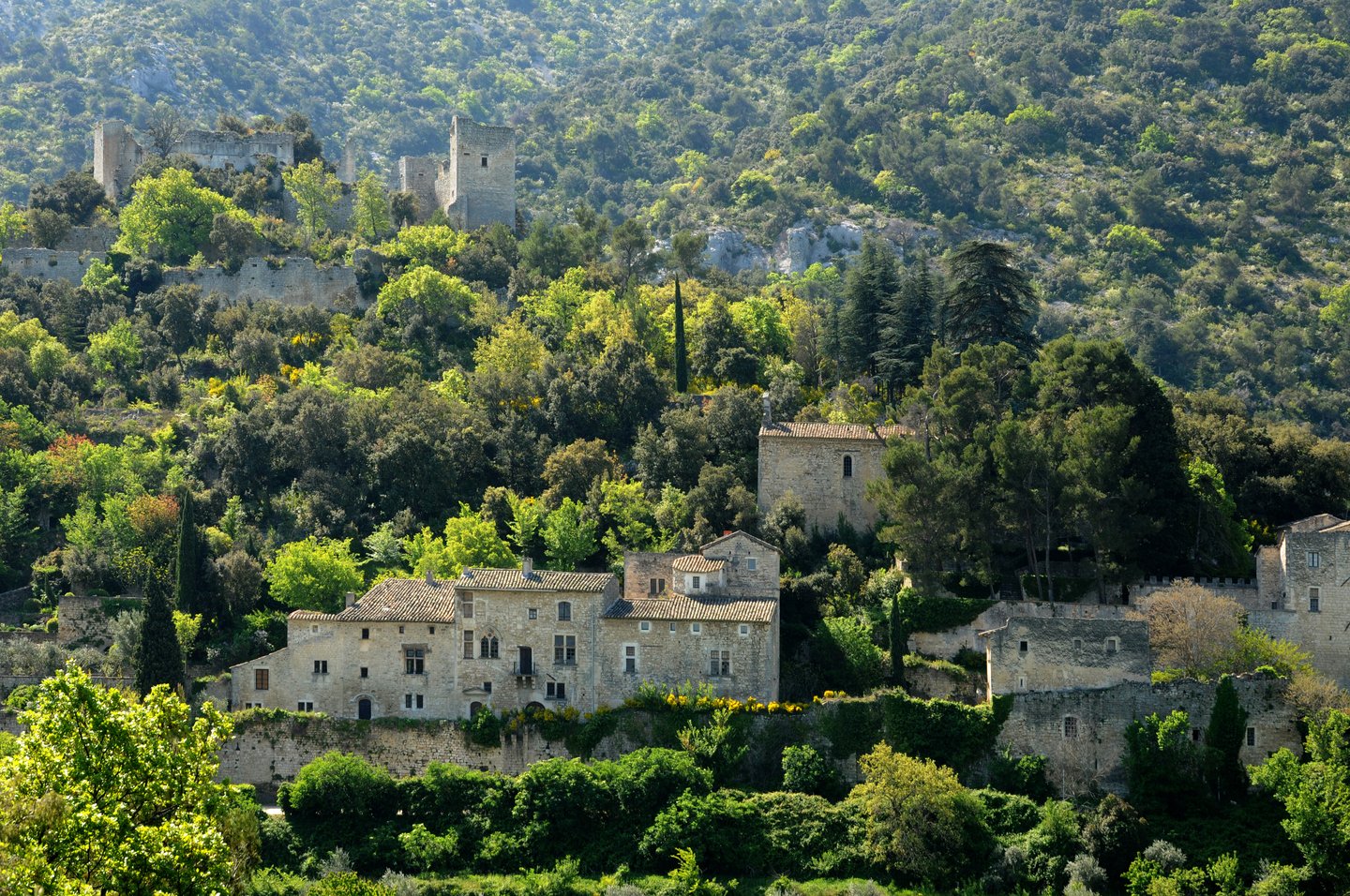
The most unusual stop on the circuit, Oppède le Vieux is a village that was largely abandoned in the nineteenth century when the population moved down to the valley floor. For much of the twentieth century the upper village was a ruin, uninhabited, overgrown and slowly returning to the hillside. From the 1960s onwards, a community of artists, architects and writers began restoring the houses and the village has been partially re-inhabited since.
The approach from the lower car park, the upper village has no road access, takes about fifteen minutes on foot along a well-maintained path through oak scrub and old terracing. The church and the château ruins at the summit are accessible by the same path. The combination of partial ruin and partial restoration, with the elevated position and the silence that comes from the lack of road access, makes Oppède le Vieux the most atmospheric stop on the ridge. The Belgian painter Nicolas de Staël is among the artists associated with the village. The surrounding landscape, the sharp Luberon ridge, the valley below and the light off the limestone, is immediately recognisable in his Provençal work from the 1950s.
Practical notes
The four-village circuit covers around forty kilometres of secondary road. Allow a minimum of half a day if you are stopping at each village with any seriousness. A full day with lunch at Ménerbes or Lacoste is more comfortable and far more rewarding.
The roads between the villages are narrow, particularly between Ménerbes and Oppède. They are not well-suited to vehicles wider than a standard car. Parking at each village is easier in September than in July or August, and you should have no difficulty finding a space on a weekday.
September is arguably the best month for this drive. The vines in the valley below are beginning to colour, the Luberon AOC vineyards on both sides of the ridge show their first reds and yellows from mid-September. The temperatures are lower than in high summer, the light is more angled and more flattering to the stone, and the tourist numbers at each village have dropped noticeably from the August peak.
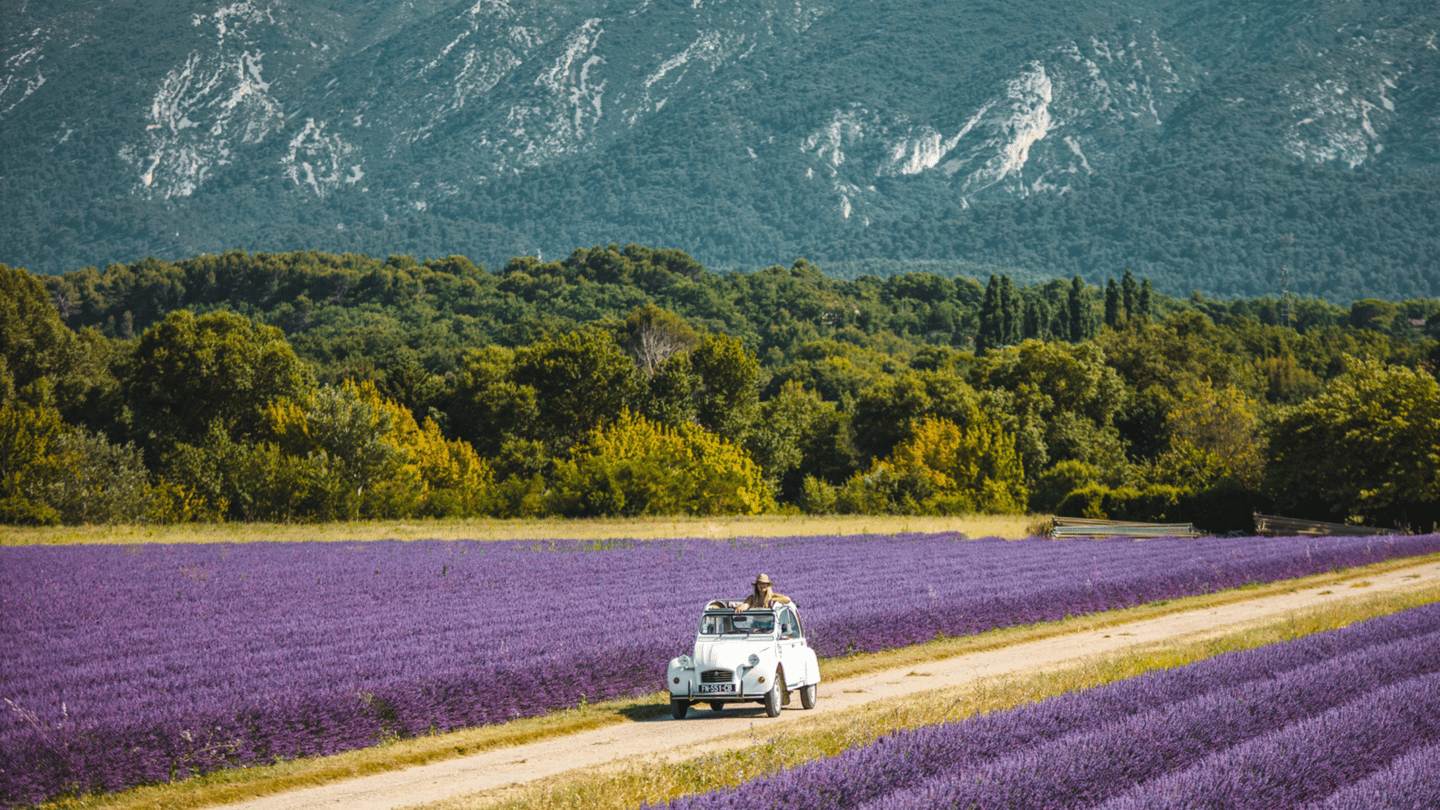
The southern Luberon ridge offers one of the most rewarding afternoon drives in Provence, with four villages of genuine character within easy reach of each other and some of the finest September light in the region.
À bientôt,