The stories behind the oldest resort on the French Riviera deserve more than a passing mention.
Hyères is the kind of town where the headline facts - oldest resort on the Riviera, Greek ruins on the beach, Queen Victoria came twice - are so well established that people stop looking any further. That is a mistake. Because the details behind those headlines are considerably more interesting than the headlines themselves. What, precisely, did Robert Louis Stevenson mean when he said he was only ever happy here? What actually happened when a film made in a villa above the town was screened in Paris? And what is the geological story behind the flamingos that gather at dusk on the Giens peninsula? These are the five Hyères stories that tend to go untold. They are worth knowing - not just as curiosities, but as the kind of detail that gives a place real depth. Are you ready to see Hyères differently?
1. The flamingos are there because of one of the rarest geological formations on the European coast
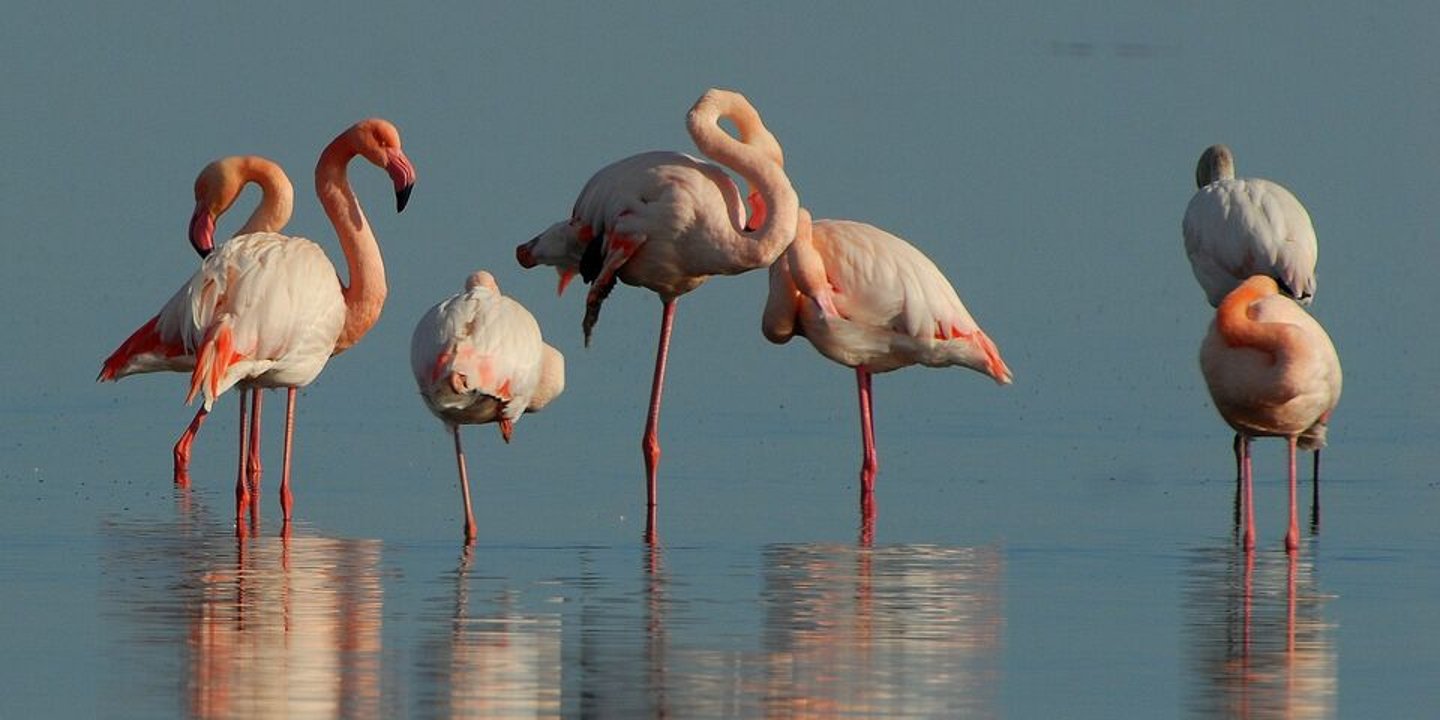
The Giens peninsula is connected to the mainland by a double tombolo - two parallel sandbars enclosing a lagoon between them. It is almost unique on the European Mediterranean coast, and the wildlife it shelters is extraordinary. A tombolo is a ridge of sand deposited by wave action that connects an island to the mainland. They are not especially common, but they exist in various places around the world. A double tombolo - two parallel sandbars forming simultaneously, enclosing a body of water between them - is a considerably rarer formation. On the European Mediterranean coast, the double tombolo of the Giens peninsula is among the most significant examples, the result of geological processes acting over thousands of years on what was once an offshore island.
Between the two sandbars lies a vast area of former salt marshes - the Salin des Pesquiers and the Salin des Vieux - covering several hundred hectares. Salt was harvested here for centuries. The production has long ceased, but the shallow, saline lagoon that remains has become an ornithological reserve of considerable importance, home to over 260 species of migratory and resident birds. Flamingos are among the most visible - they gather at the water's edge in numbers that can be startling if you are not expecting them, their pink against the flat silver of the water and the dark outline of the Îles d'Or offshore. Black-winged stilts, various species of egret, herons and dozens of migratory species pass through seasonally.
Walking or cycling the path along the western tombolo at dusk, with the flamingos to one side and the Mediterranean to the other and the Porquerolles ferry making its last crossing of the day, is one of the more quietly extraordinary things available to a visitor in this part of Provence. It requires no particular effort to arrange. It simply requires knowing it is there.
2. A film made in a Hyères villa was banned by the French government and caused a riot
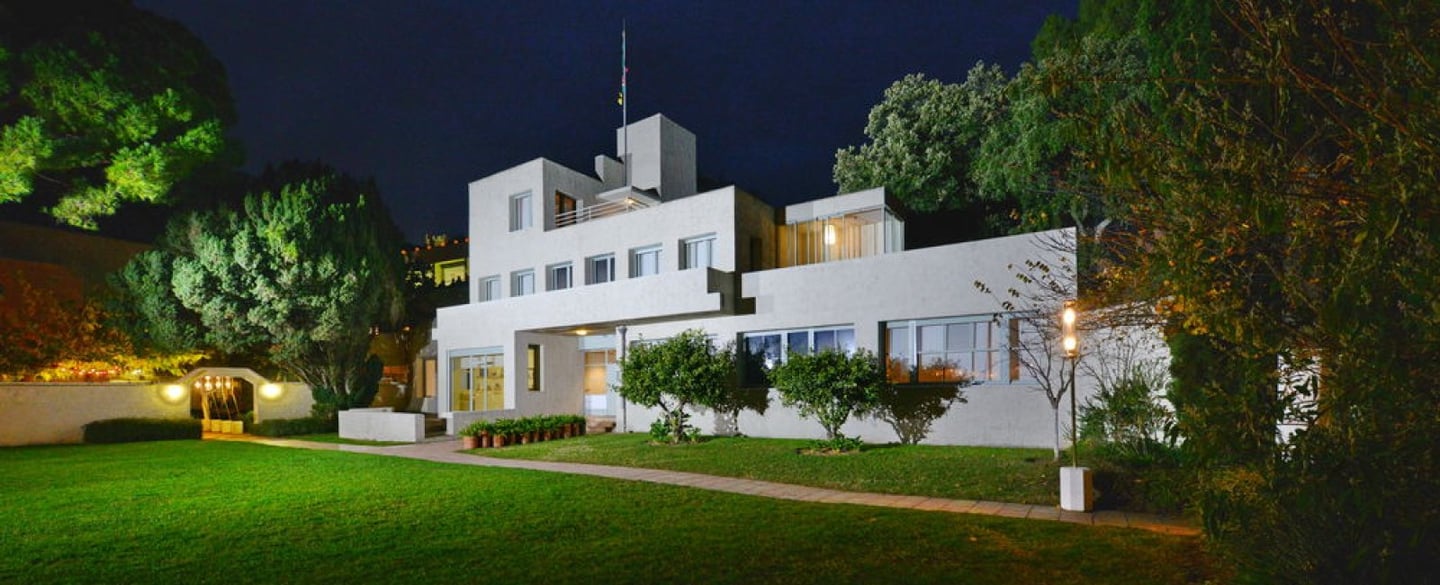
In 1923, Charles and Marie-Laure de Noailles commissioned a modernist villa above Hyères. What they did with it over the following decade changed the history of European cinema - and caused a considerable scandal. The Villa Noailles was designed by Robert Mallet-Stevens and built between 1923 and 1927 within the walls of a former Cistercian monastery in the hills above the town. It was one of the first modernist buildings in France: a composition of cubes and prisms in reinforced concrete, with a Cubist triangular garden by Gabriel Guévrékian. Charles de Noailles was among the wealthiest art patrons in Europe, and his wife Marie-Laure was a major heiress with a serious commitment to the avant-garde. They used the villa accordingly.
Man Ray filmed Les Mystères du Château de Dé at the villa in 1929, a film that revolves entirely around the building and its gardens. The de Noailles financed Jean Cocteau's Le Sang d'un Poète in 1930. But the work that produced the greatest consequence was Luis Buñuel's L'Âge d'Or, co-written with Salvador Dalí, which the de Noailles also financed. When the film was screened in Paris in 1930, members of the audience threw ink at the screen and destroyed art in the lobby. The French government banned the film within days. Charles de Noailles was briefly threatened with expulsion from the Jockey Club. L'Âge d'Or remained officially banned in France until 1981.
The de Noailles also commissioned work from Giacometti, Brâncuși, Miró and Dora Maar, and entertained Dalí, Poulenc and Picasso within the villa's walls. The city of Hyères purchased the building in 1973, and it now operates as a centre of national interest for contemporary art, fashion and design - hosting the annual International Festival of Fashion, Photography and Accessories, which has launched the careers of some of the most significant figures in contemporary fashion. The modernist building in the medieval walls above a Victorian resort town remains, as it has always been, a place where unexpected things happen.
3. Queen Victoria's visit turned the whole town bilingual
When the British aristocracy arrived in Hyères, they did not adapt to the town. The town adapted to them - and the physical evidence is still there. The English had been wintering in Hyères since the late 18th century, but by the mid-19th century the community had reached a scale that was, by any measure, extraordinary. At the height of the British presence in Hyères, the town supported two English churches, two English banks, two golf courses, an English butcher and an English chemist. Shop signs were displayed in both French and English. The cemetery contained more than a hundred English graves, many bearing titles - Lord Arthur Somerset, formerly of the Royal Horse Guards, was among those buried here after fleeing England in 1889 following his association with the Cleveland Street scandal.
The culmination came in March 1892, when Queen Victoria arrived at the Albion Hotel for a stay of three weeks - from 21 March to 25 April - and returned the following year. She brought her household with her, including, to the consternation of local society, her Indian secretary Abdul Karim. The sight of the tall, turbaned Munshi accompanying the Queen through the streets of a Var resort town was, by contemporary accounts, not what the English community of Hyères had anticipated.
The physical legacy of this period is still legible in the town. Both English churches survive as buildings. The former neo-classical Park Hotel, once surrounded by gardens in the manner of a French royal residence, now houses the Tourist Office. Belle Époque and neo-Victorian villas dot the hillside quarter south of the medieval town. Hyères was changed by the English presence in ways that a walk through the new quarter still makes clear - if you know what you are looking at.
Find your perfect villa rental in Provence near Hyères
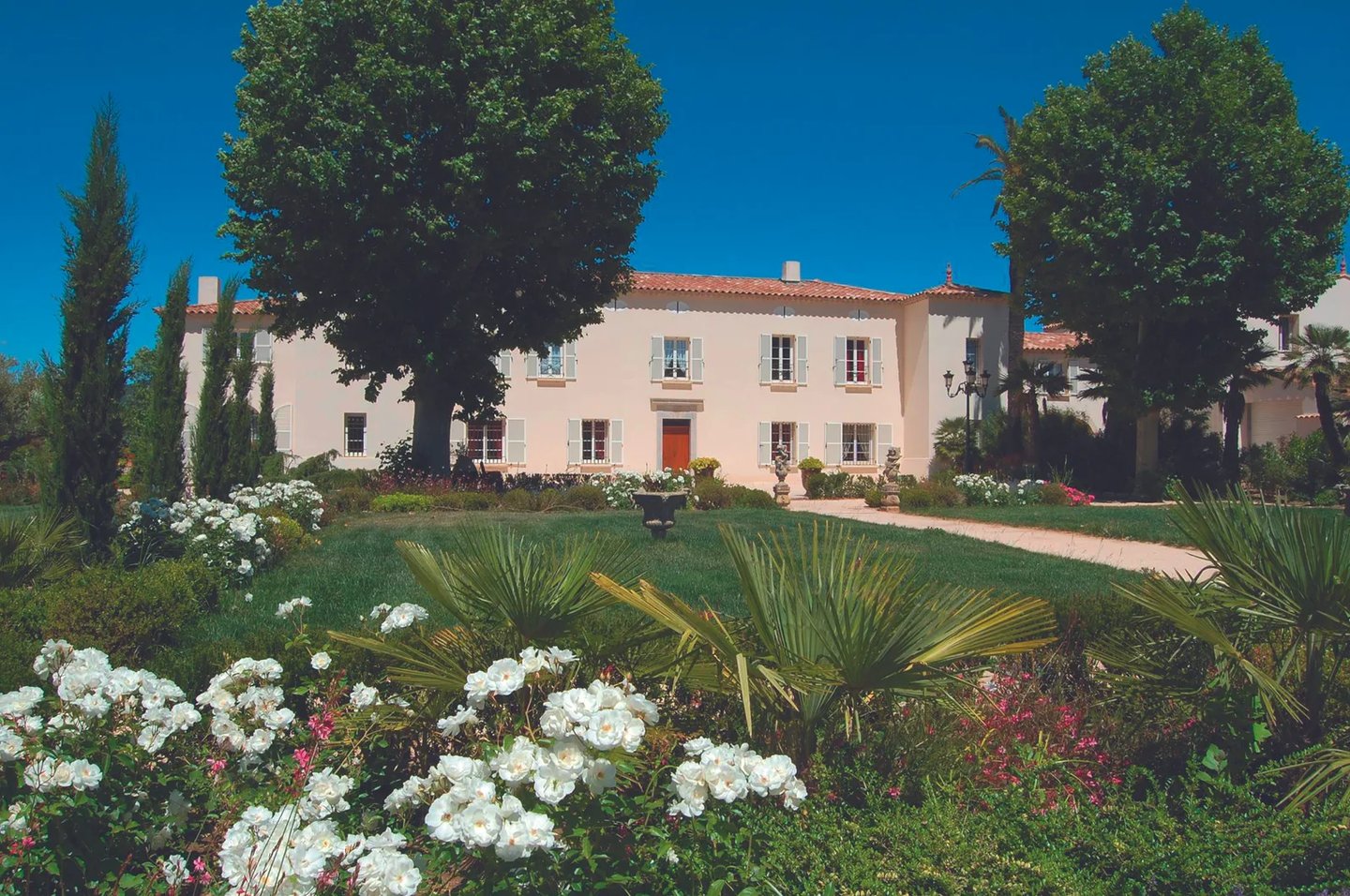
A private villa near Hyères places you at the heart of all of this - within easy reach of the medieval old town, the Victorian quarter, the Giens peninsula and the ferry to Porquerolles. Our team at Provence Holidays has spent years exploring this part of the Var and we are well placed to help you find the right property.
4. Stevenson said he was only ever happy here - and he meant it literally
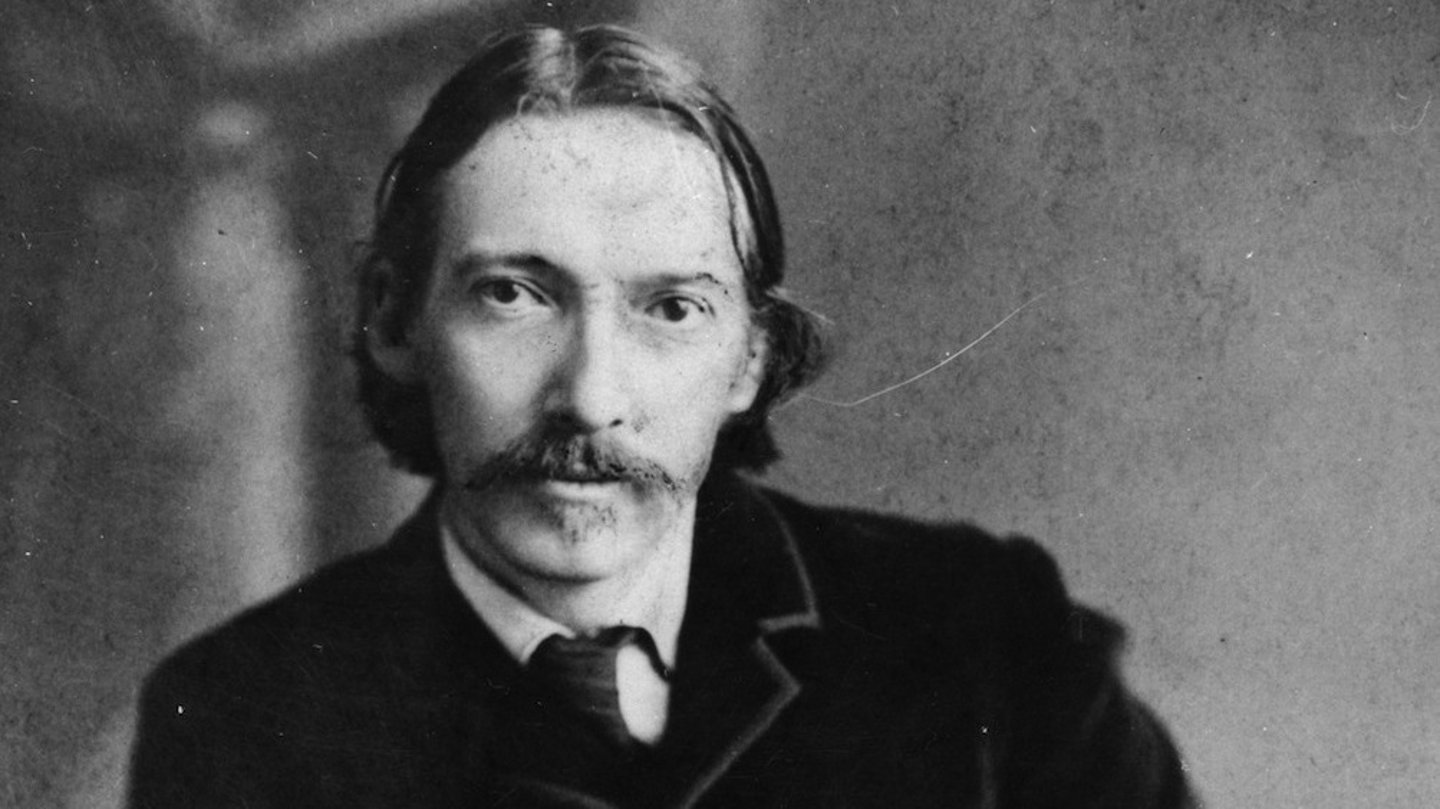
Robert Louis Stevenson spent 16 months in Hyères. He left when his health improved. For the rest of his life, from the other side of the world, he could not stop thinking about it. Stevenson arrived in Hyères in February 1883, initially staying at the Grand Hotel on the Avenue des Îles d'Or before moving to a chalet he named La Solitude, perched on a bluff above the sea. He was in poor health - he had been for years - and Hyères, with its mild winters and dry Mediterranean air, offered the kind of conditions his doctors had prescribed. What he did not expect was to be so entirely content.
He wrote to friends in terms that border on disbelief at his own happiness: 'This spot, our garden and our view are sub-celestial.' He described Hyères as 'a sun-seeker's paradise.' He worked productively - writing poems, essays and the early drafts that would contribute to later work - and he settled into the town with a ease that had eluded him everywhere else. When his health improved sufficiently to allow him to travel, he left. He spent the rest of his life moving between climate resorts and, eventually, settling in Samoa, where he died in 1894.
It was from Samoa, years after leaving Hyères, that he wrote the line that has followed the town ever since: 'I was only happy once; that was at Hyères.' Read in full context, this is not a throwaway sentiment. It is a considered verdict from a man who had spent his adult life in search of a climate that suited him, tried numerous addresses, and found only one that worked. The Grand Hotel building still stands on the Avenue des Îles d'Or. La Solitude no longer exists. But the quality of light and air that Stevenson was writing about has not changed.
5. Godard and Truffaut came here to film the past - because nowhere else still looked like it
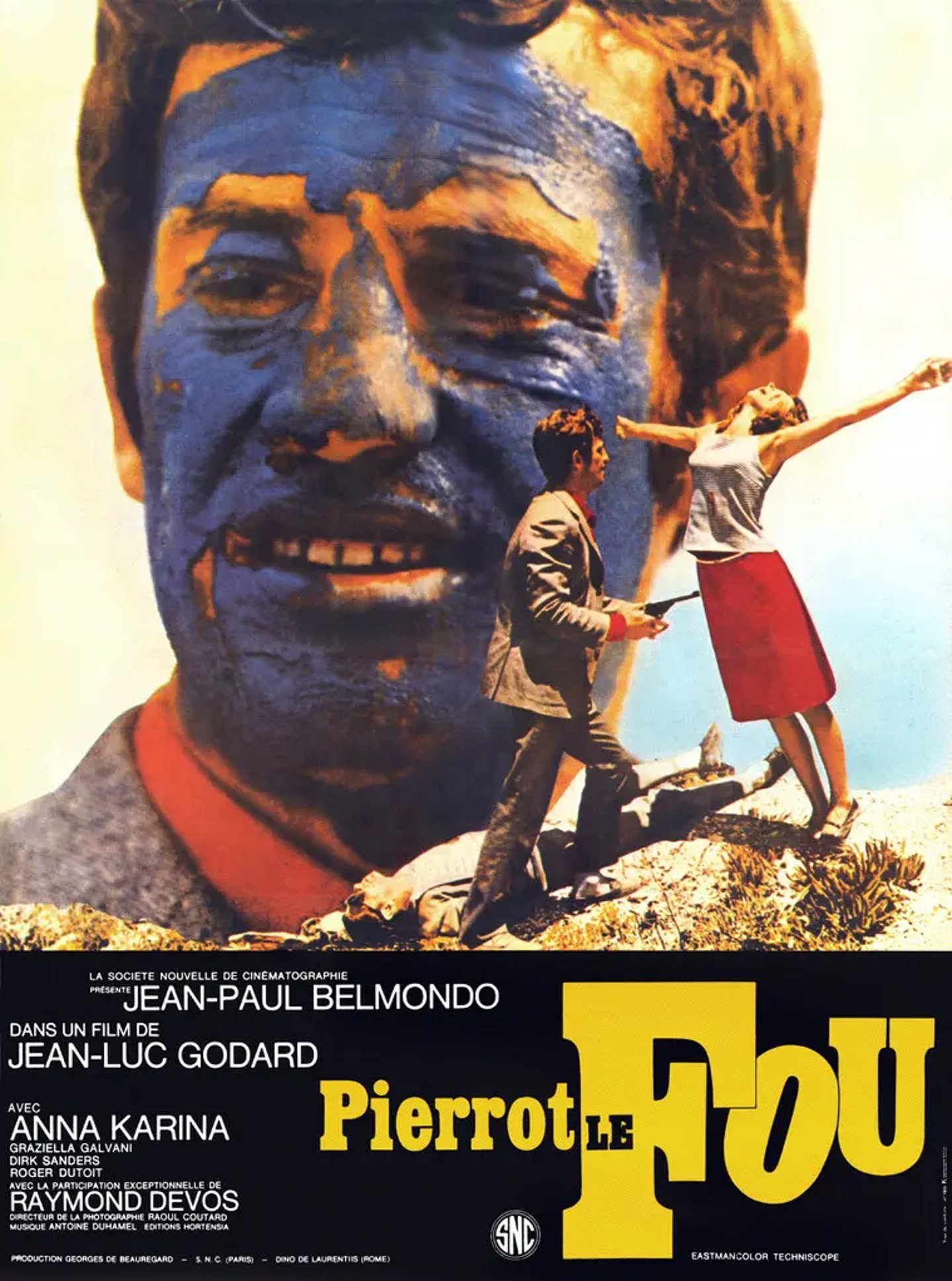
Hyères has changed so little from its pre-war appearance that French film directors have repeatedly used it as a location for period pieces. That is either neglect or extraordinary preservation. The directors clearly thought it was the latter. Jean-Luc Godard used Hyères as a location for Pierrot le Fou in 1965. François Truffaut filmed his final feature, Vivement Dimanche - released internationally as Confidentially Yours - entirely in Hyères in 1983, choosing the town precisely because it could stand in for a provincial French town of an earlier era that had ceased to exist anywhere else on the Côte d'Azur. Other French directors have followed, drawn by the same quality: a town where the architectural fabric of the pre-war period remains physically coherent in a way that has become exceptionally rare.
The medieval old town, clustered around the Castle of Saint-Bernard, retains its Romanesque church, its Templar tower and its 14th-century rampart gates. The Victorian resort quarter south of the hill - with its Belle Époque villas, its neo-Moorish and neo-Byzantine hotels, its palm-lined promenades - has not been significantly disrupted by post-war development. The result is a town that layers its eras visibly: Greek foundations beneath a beach, medieval stonework on a hill, Victorian ironwork on a seafront promenade, a Cubist villa in Crusader walls. Each period is still present and legible. This is not what usually happens on the French Riviera. The pressures of development, tourism infrastructure and the economics of a coastline with one of the highest property values in France have transformed most of the towns between Toulon and Nice beyond recognition. Hyères, for reasons that have more to do with geography and commerce than with any deliberate policy of conservation, remained largely itself. The film directors noticed. If you spend more than a day here, you will too.
Hyères rewards the visitor who looks past the surface. The headline facts - oldest resort, Greek ruins, Queen Victoria - are real, but the details behind them are where the town reveals its character. A writer who found happiness here and spent the rest of his life mourning its loss. A royal visit that transformed a French town into something closer to a British colony. A film financed from a Provençal villa that was banned by a government and caused a riot. A geological formation so rare that it has filled an old salt marsh with flamingos. A town so unchanged that film directors come here to recreate the past.
À bientôt,