What makes Easter in Provence unique
Easter in Provence is not observed the way it is elsewhere in France. Here, the holiday carries a particular weight - ancient, visual, and deeply local. Candlelit processions move through village streets on Good Friday. The first lamb of the season arrives at the table. The garrigue comes into bloom. In this guide, we look at what makes Pâques in Provence unique: the traditions, the food, and why April is one of the best-kept secrets in the Provençal calendar


The food - what to eat at Easter in Provence
L’agneau de Pâques: the Easter lamb
At the Provençal Easter table, one dish is beyond question: the lamb. Agneau de Sisteron - young lamb raised free-range in the hills around the town of Sisteron, on a diet of wild herbs, grasses and mother’s milk - has been the defining Easter meat in this region since at least the 1920s. It has held IGP (Protected Geographical Indication) status since 2003, a formal recognition of its provenance and quality.
The lamb is typically roasted simply: a leg or shoulder, studded with garlic, laid on branches of fresh rosemary and thyme from the garden, and cooked slowly until the meat falls from the bone. It is served with flageolet beans or a gratin dauphinois, and perhaps the first green asparagus of the season. It is one of the great, unhurried pleasures of the Provençal spring - a dish that requires nothing more than good ingredients, time, and a table in the sun. When choosing lamb at the market or butcher, look for the Label Rouge designation alongside the IGP - a guarantee that the animal was raised according to strict standards of welfare and husbandry.
La pompe à l’huile: the bread of Easter morning
Less well known than the lamb but equally traditional, la pompe à l’huile is the Provençal Easter bread: a flat, slightly sweet loaf made with olive oil, orange blossom water, and anise. It is one of the thirteen traditional breads of Provence - more commonly associated with Christmas, but made by boulangeries throughout the region at Easter too. Torn rather than cut (cutting it is considered bad luck), it is best eaten in the morning with a cup of coffee, still warm from the oven.
Chocolate and les cloches de Pâques
France’s chocolatiers come into their own at Easter, and Provence is no exception. In the weeks before Pâques, the windows of every chocolaterie and pâtisserie fill with elaborate creations: eggs in every size, chocolate bells (les cloches), hens, chicks, and - in a distinctly French touch - chocolate fish and seafood, an ancient Christian symbol repurposed in sugar and cocoa. The tradition behind it is one of the most charming in French folklore. From Maundy Thursday, church bells across France fall silent as a mark of mourning. Children are told that the bells have flown to Rome to be blessed by the Pope. On Easter Sunday, they return - flying back over France, scattering chocolate eggs and treats into the gardens below. When the bells ring out on Sunday morning, the egg hunt begins.
Spring produce at the markets
Easter is the moment when Provence’s markets begin to look like themselves again after winter. The stalls that have carried root vegetables and citrus since November are suddenly full of colour. The white asparagus from the Vaucluse arrives first - delicate, slightly bitter, best eaten simply with a vinaigrette or melted butter. The strawberries from Carpentras, among the finest in France, follow shortly after. The first courgette flowers appear, destined for fritters or pasta. Fresh goat’s cheese arrives from the farms of the Luberon, wrapped in chestnut leaves. The garlic harvest in the Drôme sends the first bundles of fresh green garlic south to the markets.
The Saturday market at Arles on the Boulevard des Lices is one of the most celebrated in the region - large, atmospheric, excellent for both produce and picnic supplies. The Sunday market at L’Isle-sur-la-Sorgue combines seasonal food with one of France’s great antiques fairs, and is worth an entire morning. In the Luberon, the markets at Apt (Saturday), Gordes (Tuesday) and Lourmarin (Friday) offer a more intimate, local atmosphere.
La transhumance: the great migration begins
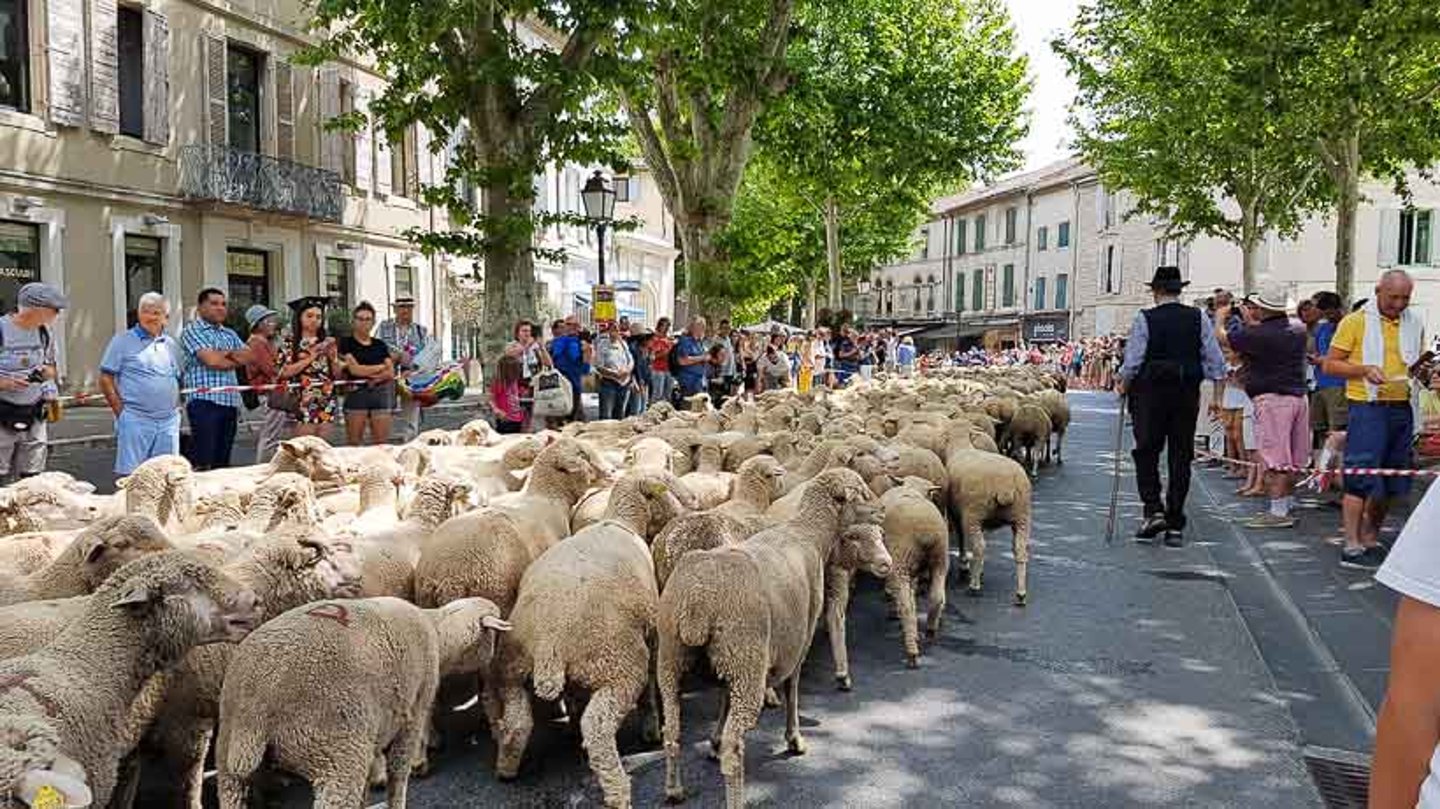
Easter marks the beginning of the season when Provence’s shepherds start to move their flocks away from the lowland garrigue and up towards the cooler Alpine pastures for the summer. Driving through the Alpilles or the Luberon in early April, it is still possible to encounter a flock moving along a country road - sheep dogs working, shepherd walking behind, the bells of the animals ringing across the hillside. It is one of the most quietly moving sights in the region.
The famous Fête de la Transhumance in Saint-Rémy-de-Provence - when over 3,000 sheep parade through the centre of town - takes place at Whit Monday in late May or early June, and is a separate event well worth planning a return trip for. But the underlying movement begins in spring, and guests staying in Provence around Easter may be fortunate enough to witness it in its most genuine, unperformed form: a shepherd, a flock, and a road through the garrigue.
Les Pénitents: the candlelit brotherhoods of Good Friday
Of all the Easter traditions in Provence, none is more striking than the processions of les Pénitents. These lay religious brotherhoods - their origins dating back to the Middle Ages - have gathered on Good Friday for centuries to lead candlelit processions through the streets of Provençal villages. Dressed in long hooded robes, carrying torches and statues of the crucified Christ, they move through the darkened streets in near silence, accompanied only by muffled drums and the flicker of candle flame.
The brotherhoods are still active in several towns across the region. Avignon, with its deep papal history, has one of the oldest and most celebrated Pénitent traditions in all of France - the procession of the Pénitents Blancs (White Penitents) was once described as drawing crowds from across the kingdom. In Arles, Good Friday processions still take place within one of the most ancient cities in the Roman world. The experience is solemn, visually extraordinary, and entirely unlike anything found in northern Europe at Easter. For visitors, the key is to approach these events with quiet respect - these are active religious ceremonies, not performances. Arrive early, find a position along the route, and allow the procession to come to you.
Les Baux-de-Provence: Easter on the rock
For sheer atmosphere, few places in the world can match Les Baux-de-Provence at Easter. The medieval village - perched on a limestone ridge in the Alpilles, its ruined château rising above - has been the setting for religious ritual since the eleventh century. The Chapelle des Pénitents Blancs, built in the seventeenth century by the local brotherhood, sits at the heart of the village and remains a place of quiet devotion.
At Easter, the village takes on a particular quality. The spring light hits the pale stone differently than it does in high summer. The crowds of July are absent. Walking the narrow alleys between the old houses, looking out over the Alpilles from the castle esplanade, or sitting in the shadow of the chapel in the early evening - this is Provence as it has been for a thousand years. The Carrières de Lumières, carved into the rock at the base of the village, is also open at Easter (the current exhibition runs through January 2027), making Les Baux an exceptionally rich day in the spring calendar.


Why Easter is one of the best times to visit Provence
There is a version of Provence that most people never see - not because it is hidden, but because they visit in July. Easter is the antidote to high summer. The roads are clear. The restaurants have tables. The markets are full but not overwhelming. The villages that will feel, in August, like they belong to the world feel, in April, entirely like themselves. And the landscape is, by almost any measure, at its most beautiful.
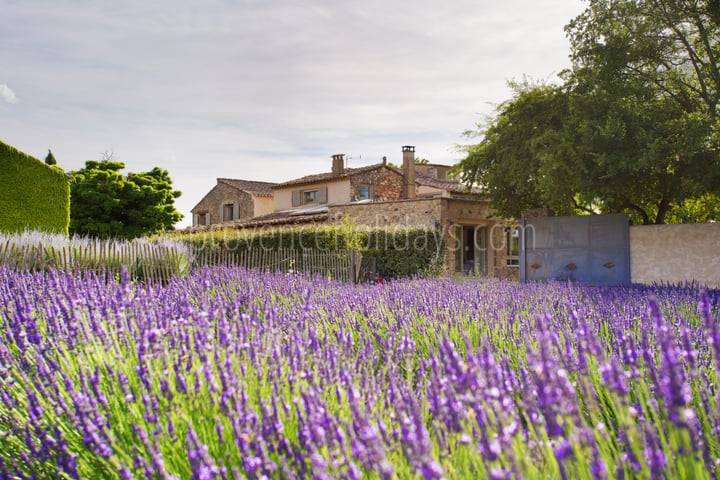
The lavender fields are not yet in bloom - that comes in late June and July - but what April offers in exchange is something rarer: Provence in motion. The almond blossom has come and gone, the cherry is just finishing, and the garrigue is in its first green flush. Pâquerettes (daisies, whose name derives directly from Pâques) dot the meadows. Orchids appear on the limestone hillsides of the Alpilles. The light, already generous, has a softness that the hard summer sun cannot replicate. Walking the same paths that will be dusty and scorched in August, visitors in April find them cool, fragrant, and almost empty.
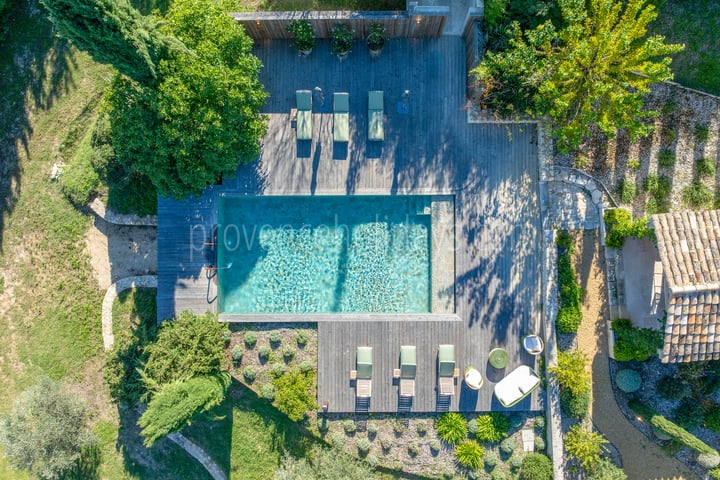
For families, Easter is a natural fit. French school holidays align with the week, which means that the facilities - restaurants, châteaux, the Carrières de Lumières, the market towns - are open and operating at full capacity, without the extreme pressure of July and August. Villa gardens with private pools are coming back to life. Children who might wilt in the summer heat can, in April, explore freely.
For couples, Easter week offers something that high season rarely can: the sensation of having Provence to yourselves. A long lunch on a village terrace. A walk through the Luberon in the afternoon quiet. A dinner in Arles or Aix where the room is full but not frantic. This is the Provence that owners of its great farmhouses have always known - and that summer visitors rarely encounter.
For guests who want to experience the region as it lives, rather than as it performs for tourists, April is simply the right month. The traditions described in this guide - the processions, the lamb on the Easter table, the egg hunt in the garden on Sunday morning - are not staged for visitors. They are what Provence does at Easter, as it has done for centuries. Being present for them, staying in a villa in the Luberon or the Alpilles with the garrigue just beyond the garden wall, is as close as it is possible to get to the real thing.
One practical note: Good Friday (4 April 2026) and Easter Monday (6 April 2026) are public holidays in France. Some smaller shops and restaurants close on these days, and markets in certain villages may shift their usual day. It is worth checking ahead for anything time-sensitive - though the main sites, the Carrières de Lumières among them, remain open throughout the Easter weekend.
However you choose to spend Easter in Provence, we hope it is unhurried, delicious, and entirely your own. Browse our available villas below, or get in touch - our team knows these properties and this region intimately, and we are always glad to help you find the right fit.
À bientôt,