The Riviera looks different from the water.
Roads, car parks, and crowded access points disappear, and the coastline becomes a sequence of coves, headlands, and swim spots that you simply do not experience in the same way from land. In this article, you will get a practical guide to places that are best reached by boat, plus a few spots that can be reached on foot but feel calmer and more enjoyable when you arrive by sea. We also provide a quick reality check on rules, safety, and what “responsible boating” means along protected stretches of coastline.
The boat-only advantage, explained simply
A boat day works because you choose your coastline rather than accepting what is available by road. You can anchor, swim, move on, and build a day around water time rather than car time. It also changes the rhythm of the Gulf. Even on busy days, the sea creates space. You are not locked into the same crowd density you get on the sand. Plus - If you chose to use a skipper, a boat day can also be one of the easiest experiences to organise. If you are self-driving a small boat, the key is to keep your route realistic and allow for wind and sea conditions. Are you ready to explore the best boating beach spots?
Canoubiers (Canebiers) | a calmer Saint-Tropez beach day
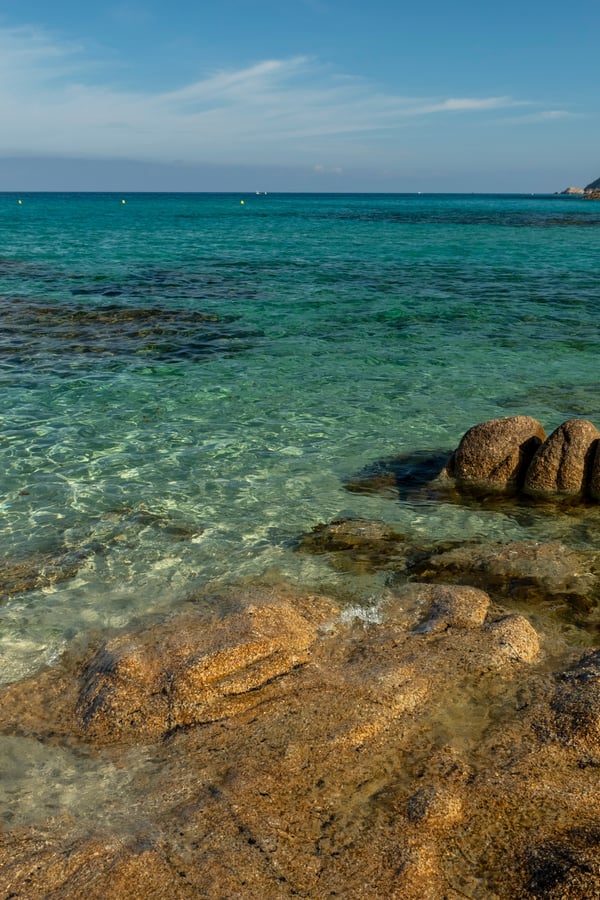
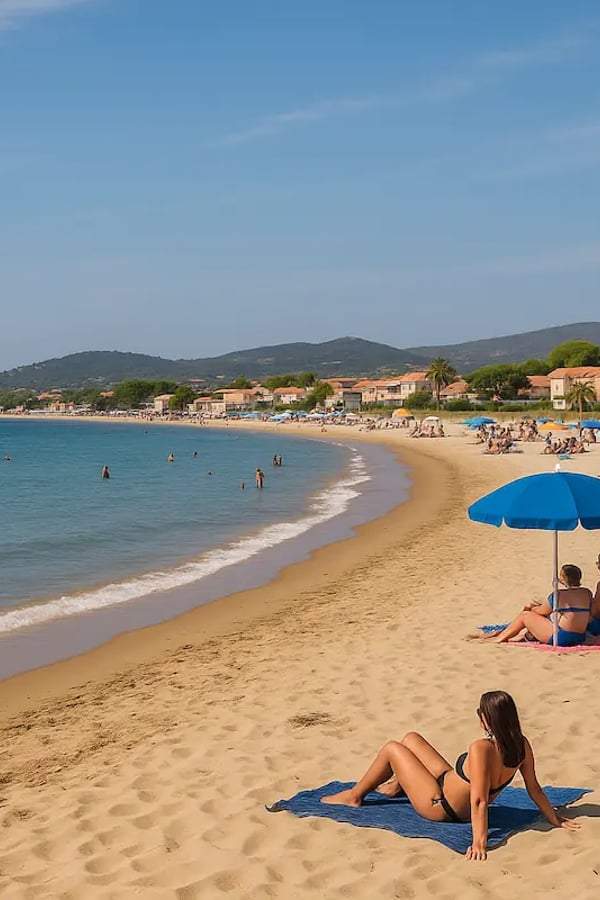
Plage des Canoubiers is often described as a local favourite, partly because it sits away from the headline scene and has a more relaxed, family feel. It is a sandy beach, with calmer water in the sheltered bay, and it is backed by pines that create natural shade. You can reach it by road, but it is the kind of place that feels better when you arrive by sea and avoid the small-parking stress. It also suits a gentle swim day rather than a “music and bottles” beach club day. If you want a Saint-Tropez swim without the Pampelonne intensity, this is a strong alternative.
Cap Taillat and the protected coastline near Ramatuelle
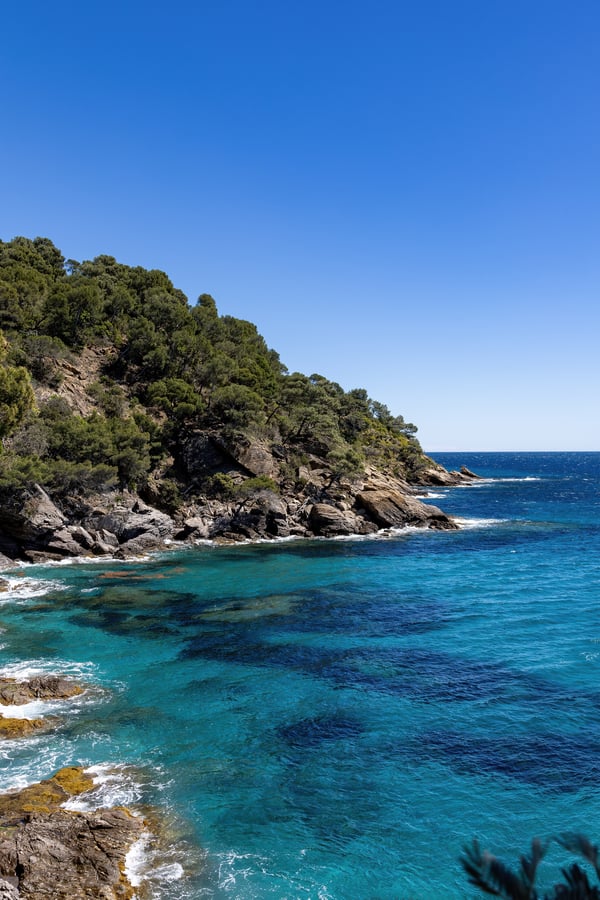
Cap Taillat is not boat-only, but it is one of the best examples of a coastline that feels calmer by water. The cape sits within a protected natural area, and the walk-in approach from Escalet is popular for a reason. By boat, the experience becomes simpler: anchor at an appropriate distance, swim in, and enjoy the landscape without carrying your day on your back. The point here is not convenience for its own sake. It is the ability to spend your energy on swimming and relaxing, not on logistics. If you are planning this kind of stop, remember you are operating around protected environments. In the Port-Cros National Park area, including Cap Taillat and nearby protected zones, there are specific regulations that include waste responsibility and limited facilities. The coastline feels better when visitors treat it with care.
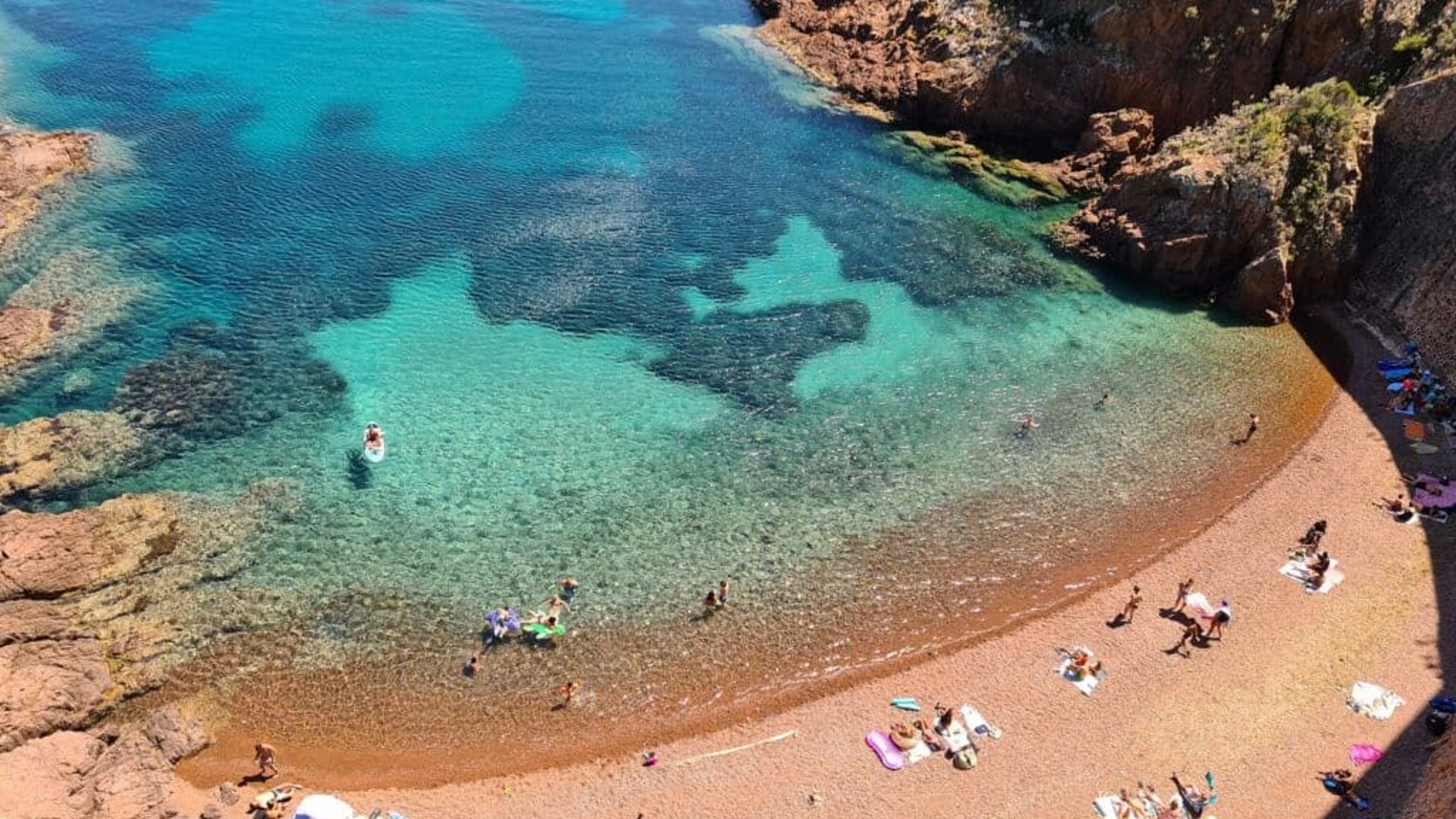
Pointe de l’Aiguille, Théoule-sur-Mer | red rock, clear water, and snorkelling
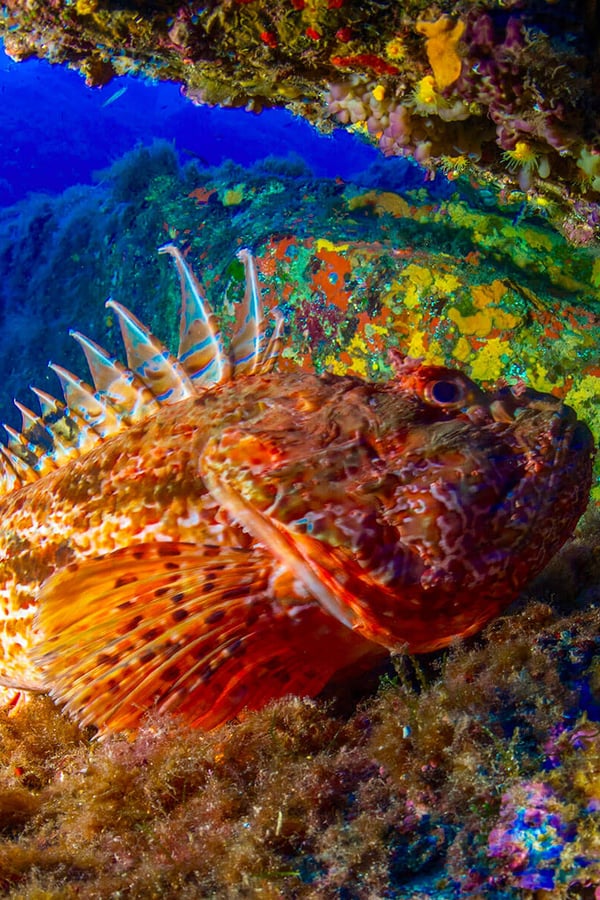
If you want a different Riviera palette, head towards the Esterel. Pointe de l’Aiguille near Théoule-sur-Mer is known for its red rock coastline and clear water, and it is also recognised for snorkelling routes that are accessible from shore. This is a good “boat plus snorkel” stop because the water clarity is part of the appeal. You can anchor, swim, and spend a good chunk of the day in the water rather than on the deck. If you prefer to mix boat time with land time, it is also reachable by a relatively short hike from Théoule-sur-Mer.
Calanque d’Aurelle, Agay | a more rural stop
Calanque d’Aurelle is the type of cove people like for its tucked-away feel, but it is not a “perfect sandy bay” scenario. It is a narrower, more rugged spot and some sources note safety signage about swimming conditions. This is exactly where a skipper’s judgement matters, and where checking the conditions on the day matters even more. Some coves look calm until you are in the water and you realise the swell behaves differently against the rocks. If you stop here, treat it as a short swim and a scenic pause rather than an all-afternoon base.
Port-Cros| the wild island day that feels genuinely different
Port-Cros is where the Riviera becomes stricter and, because of that, better. The island is part of a national park and practical rules are in place to protect the environment. Pets are not allowed in the natural areas, and camping and bivouac are forbidden. This is not about being difficult. It is about keeping the island as it is. For beaches, Plage du Sud is often highlighted, and a useful planning point is that it is around a 1-hour walk from the port. That matters if you are day-tripping and you want to fit in swimming and walking without rushing. For crossings, Port-Cros is accessible year-round from Hyères, with seasonal variations in schedule. If you are going in summer, treat it as an early start day. The island is at its best when you arrive before the busiest boats.
Porquerolles | popular on land, calmer by water
Porquerolles is not a secret, but it still has quieter pockets if you approach it with the right plan. The main ferry access is from Tour Fondue on the Giens peninsula and the crossing is often around 20 minutes, depending on the service and conditions. The south side is wilder and more rugged, and the coves feel more remote. Some of these calanques are primarily reached by boat, which filters numbers and keeps the experience calmer than the headline beaches near the village. If you are boating here, pay attention to anchoring practice and protected seabed areas. French anchoring regulations exist to protect sensitive environments and are actively enforced in parts of the Riviera. This is not the place for casual anchoring over seagrass.


A note on Paloma Beach and “elite coves”
Cap Ferrat is often associated with Paloma Beach, which sits in a small, sheltered cove and is known for clear water and a contained, intimate atmosphere. Its position beneath the cliffs and facing towards Beaulieu-sur-Mer gives it a distinctive sense of enclosure that appeals to guests arriving by boat as well as by coastal path.
However, practical details can change from season to season, including access, mooring conditions and beach club operations. The Paloma Beach site has noted temporary closure linked to cliff reinforcement works, which underlines an important point: on this section of coastline, conditions are not static. If you are planning a boat day around a specific stop, check the current situation before confirming your route.
Elite coves along Cap Ferrat and the wider Riviera often operate within environmental protections and local safety measures. Access may be limited, anchoring zones may shift, and reservations can be required well in advance in peak months. A small amount of verification beforehand ensures the day feels seamless rather than improvised.
With this being said, we don't say this to deter you. Quite the opposite. These protections are part of what keeps these coves exceptional. With a little awareness and respect for the coastline, you can enjoy clear water, dramatic scenery and a setting that remains remarkably intact. Plan lightly, check details in advance, and then allow yourself to experience it fully.
To do a quick recap - if you want gulf classics, keep your route between Sainte-Maxime, Saint-Tropez, and the Ramatuelle coastline. If you want red rock scenery and snorkelling, go towards Théoule-sur-Mer and the Esterel. If you want a full “island” day, commit to Port-Cros or Porquerolles and accept that the day is about that one place. And if you want it to feel calm, start early. The sea doesn't get quieter later in the day on the French Riviera.
À bientôt,