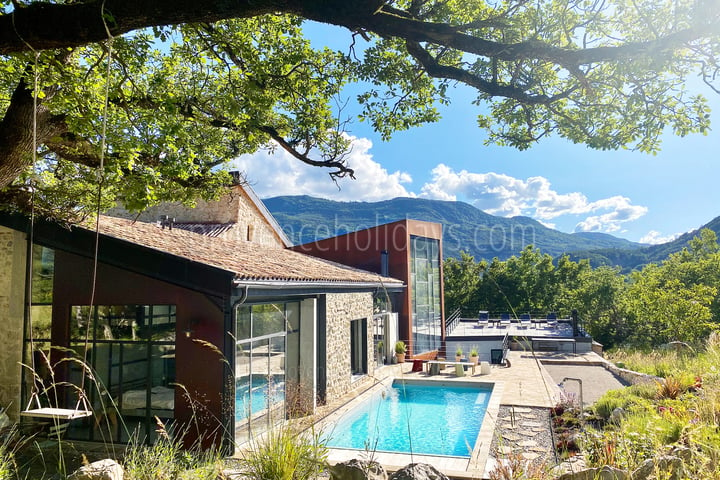
Most visitors to the Mont Ventoux area pass through Beaumes-de-Venise without stopping. Late August is the best time to reconsider: the Muscat grape harvest is beginning, the Dentelles de Montmirail provide dramatic early-morning walking, and the wine estates are open and welcoming.
The village
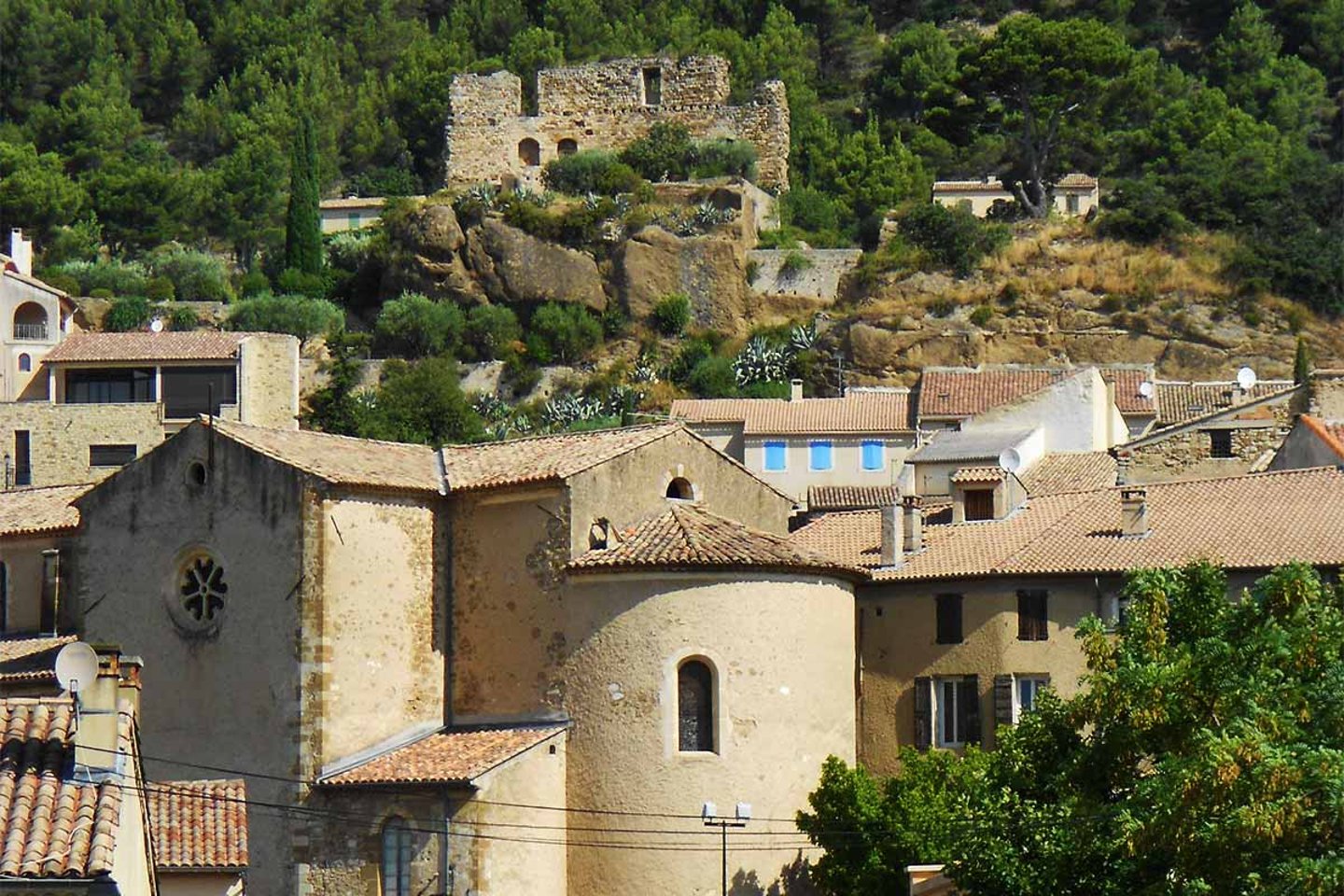
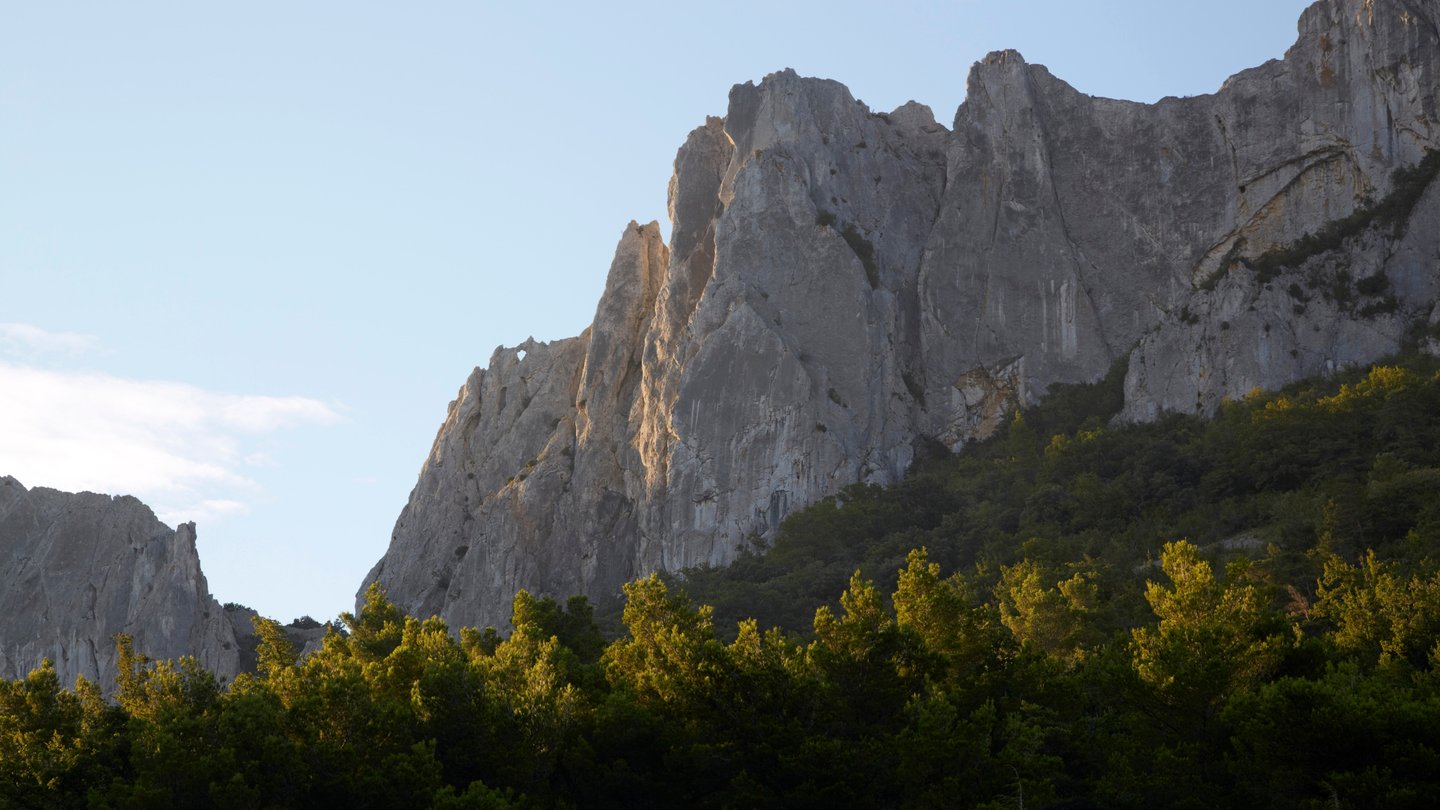
Beaumes-de-Venise sits below the southern face of the Dentelles de Montmirail, a short line of jagged limestone ridges that rise sharply from the Comtat plain between Carpentras and Orange. The village is compact: a church, a central square, a handful of streets. But it has a practical, unhurried character that comes from being a working wine commune rather than a destination configured around visitors.
The name refers not to the Italian city but to the Comtat Venaissin, the papal territory that included this part of Provence until the late eighteenth century. The 'baumes', caves or rock shelters, that give the village its first name are visible in the cliff faces above, cut into the same limestone as the Dentelles that loom behind the houses. It is a village of layers: geological, historical and vinous, and all three repay attention.
Muscat de Beaumes-de-Venise
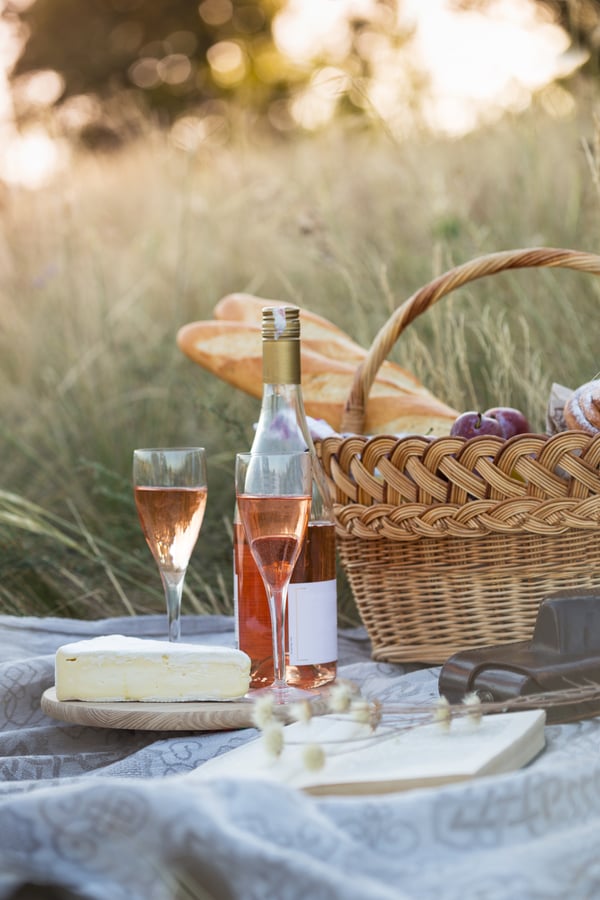
The wine that Beaumes-de-Venise is famous for is a Vin Doux Naturel: a naturally sweet wine made from the Muscat a Petits Grains grape, one of the oldest varieties cultivated in Provence. The fermentation is stopped early by the addition of neutral grape spirit, which preserves residual sugars and produces a wine that is sweet, aromatic and lower in alcohol than its richness might suggest. It is neither dessert wine nor fortified wine in the conventional sense: it sits in a category of its own, served cold as an aperitif or alongside dessert, and works particularly well with foie gras, blue cheeses and the nougat that Montelimar, forty kilometres north, has been producing for centuries. The two are often sold alongside each other in the village shops.
Most of the cooperative domaines around the village welcome visitors for tastings throughout the day in summer. The Cave des Vignerons de Beaumes-de-Venise, the main cooperative, is open without appointment and has a wide tasting range. Domaine des Bernardins is another well-regarded estate producing both the Muscat and red Cotes du Rhone Villages. Both estates are within easy walking distance of the village centre.
In August here: the harvest approaches and the Dentelles call
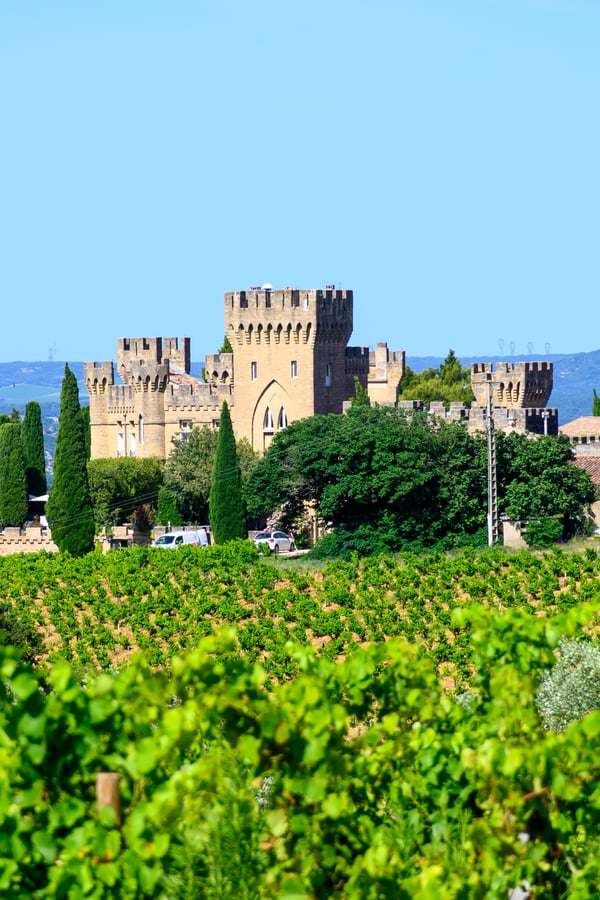
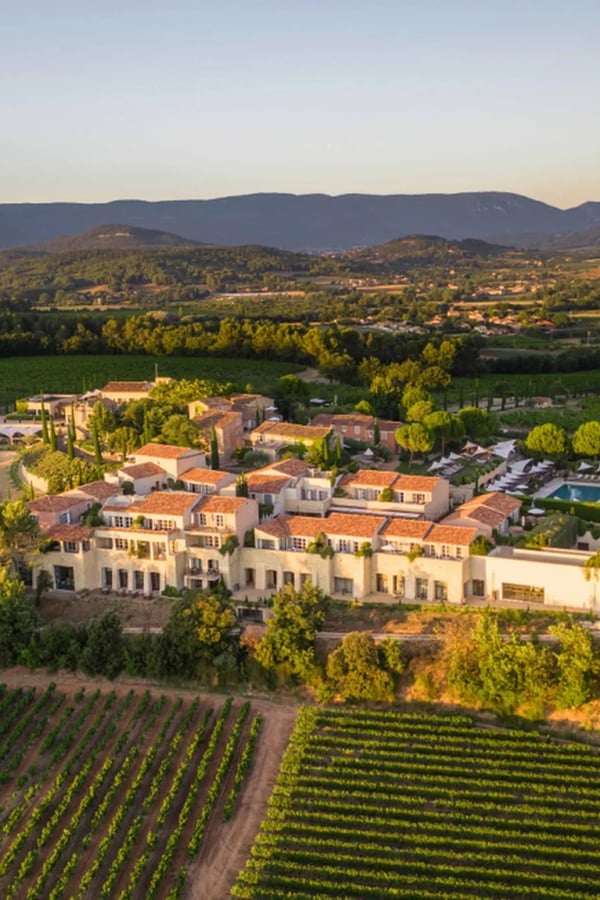
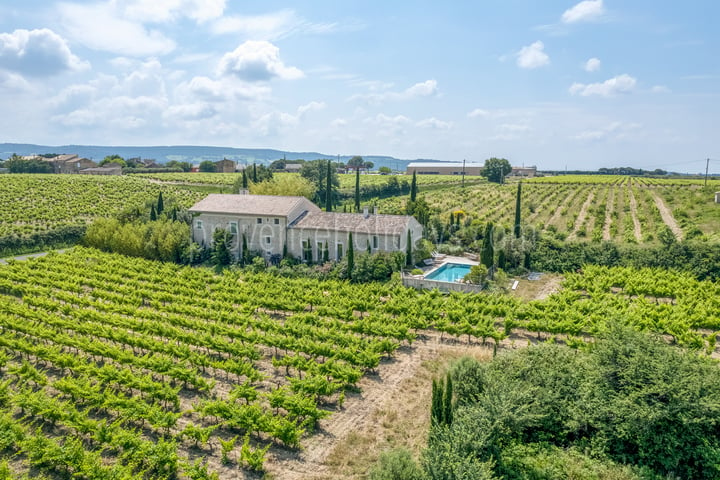
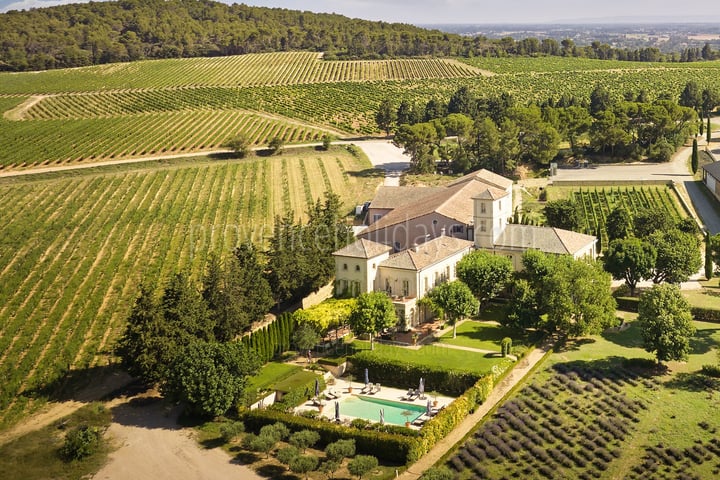
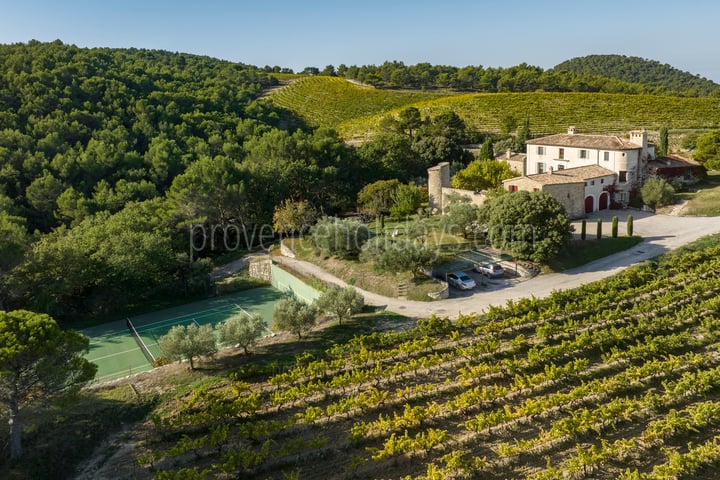
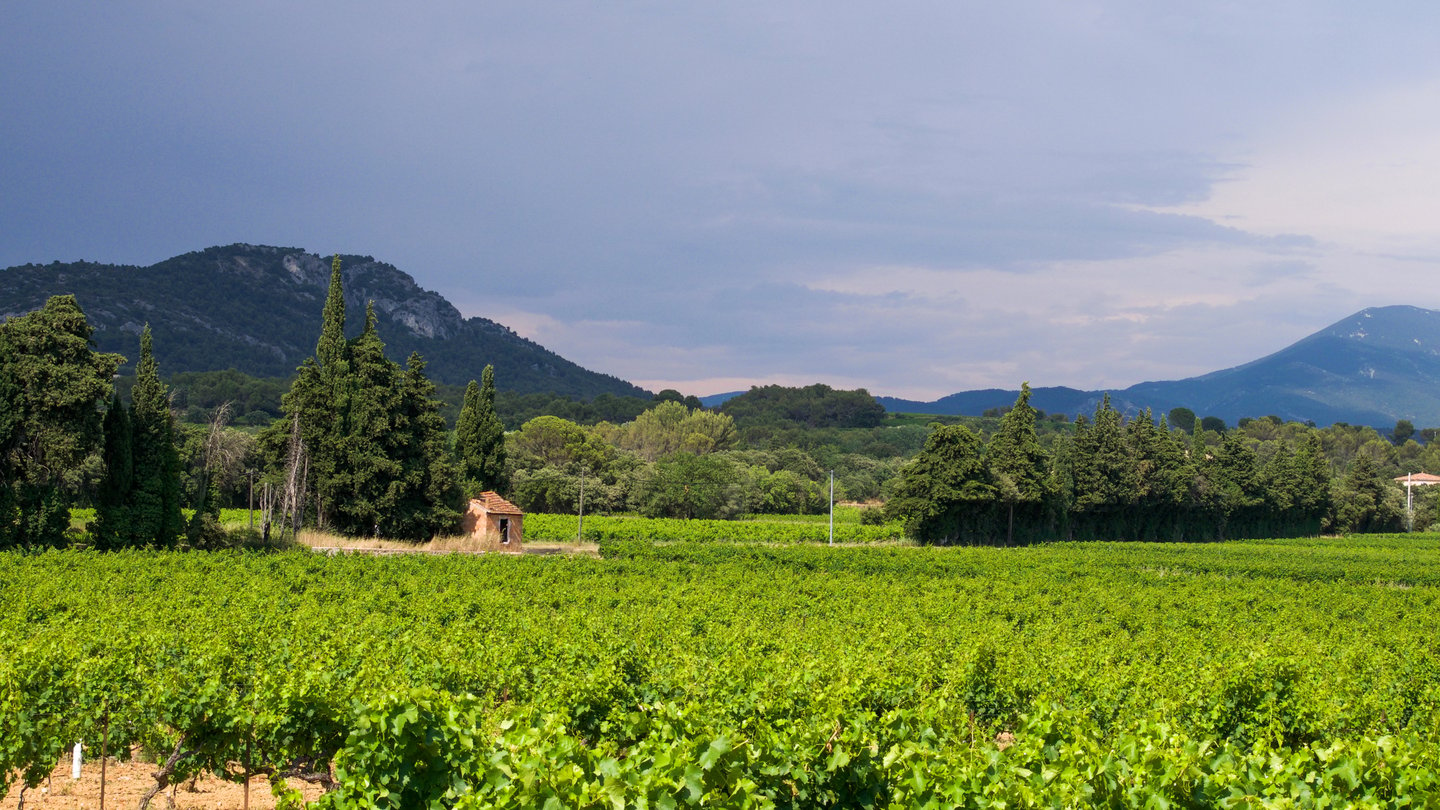
Late August at Beaumes-de-Venise has a particular quality that makes it one of the most satisfying times to visit the Mont Ventoux wine country. The Muscat a Petits Grains is typically one of the first varieties to be harvested in the southern Rhone, often in the third week of August, and in the days just before picking the scent of ripe Muscat from the vineyard is detectable on the road approaching the village. The vines at this point are at their most visually striking: full of leaf, heavy with amber-gold clusters, the rows running up towards the pale limestone of the Dentelles in orderly lines.
This is the moment to visit the domaines. Several estates around Beaumes-de-Venise and the neighbouring appellation villages of Gigondas and Vacqueyras are open for tastings through August, and the late-summer energy of the pre-harvest period gives even an informal tasting visit a pleasant sense of occasion. Ask at the Cave des Vignerons about which estates are welcoming visitors on any given day: the cooperative staff tend to know the current situation across the appellation.
The Dentelles de Montmirail offer the other great August activity here: early morning walking before the heat peaks. The ridge trail from the Col du Cayron, accessible by car from Gigondas, is achievable in a comfortable half-day and gives the strongest sense of the Dentelles' scale. The rock faces attract climbers from across Europe in summer, and in August it is not unusual to see routes in progress on the steeper sections. For those who prefer a gentler introduction, the lower paths through the garrigue at the base of the ridges are well-marked and rewarding at any pace. Starting before 8am gets the best of the morning before the temperature climbs significantly.
The Route des Vins du Ventoux is well-signposted from Beaumes-de-Venise and takes in the appellation villages of the Dentelles in a satisfying loop. Gigondas, Vacqueyras and Sablet are all within twenty minutes by car and all produce wines under their own named appellations: a compact and impressive wine tour that requires very little driving and can be structured as a leisurely afternoon. For a longer meal in a scenic setting, the village of Seguret, a few kilometres north along the base of the Dentelles, has a cluster of good restaurants and wine bars that make full use of the wines produced on the slopes directly below.
The Dentelles de Montmirail
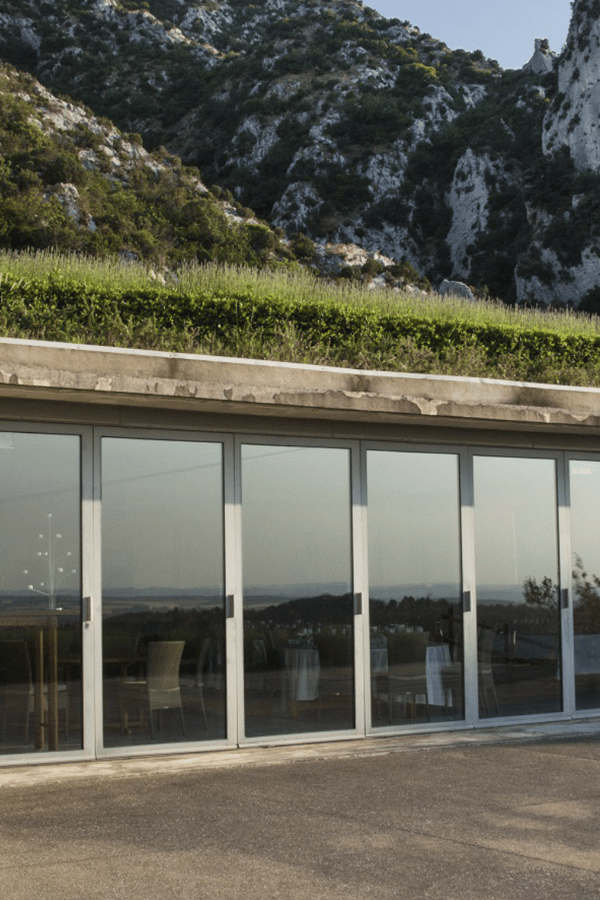
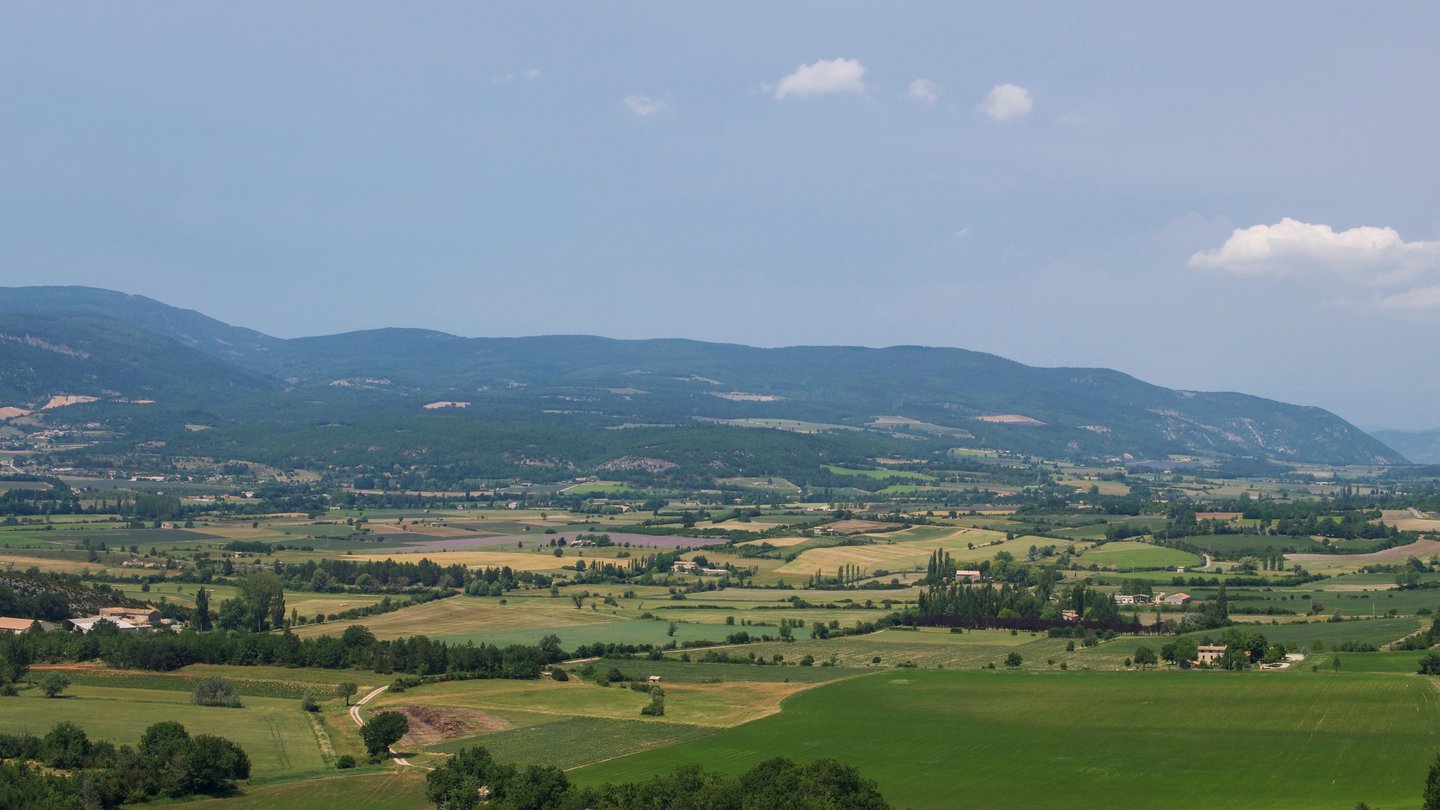
The ridges above Beaumes-de-Venise are among the best walking terrain in this part of Provence. The rock is sharp, pale limestone pushed almost vertical by ancient geological pressure, and the trails pass through garrigue scrubland, old terraces and small cols with broad views back over the Comtat plain and north towards the Drome.
Seguret, a few kilometres north along the base of the Dentelles, is one of the most carefully preserved medieval villages in the Vaucluse and well worth a brief stop. The terraced streets climb a small ridge above the wine-growing plain, and the views south towards Carpentras are among the best in the area at lunch and in the late afternoon.
Mont Ventoux from here
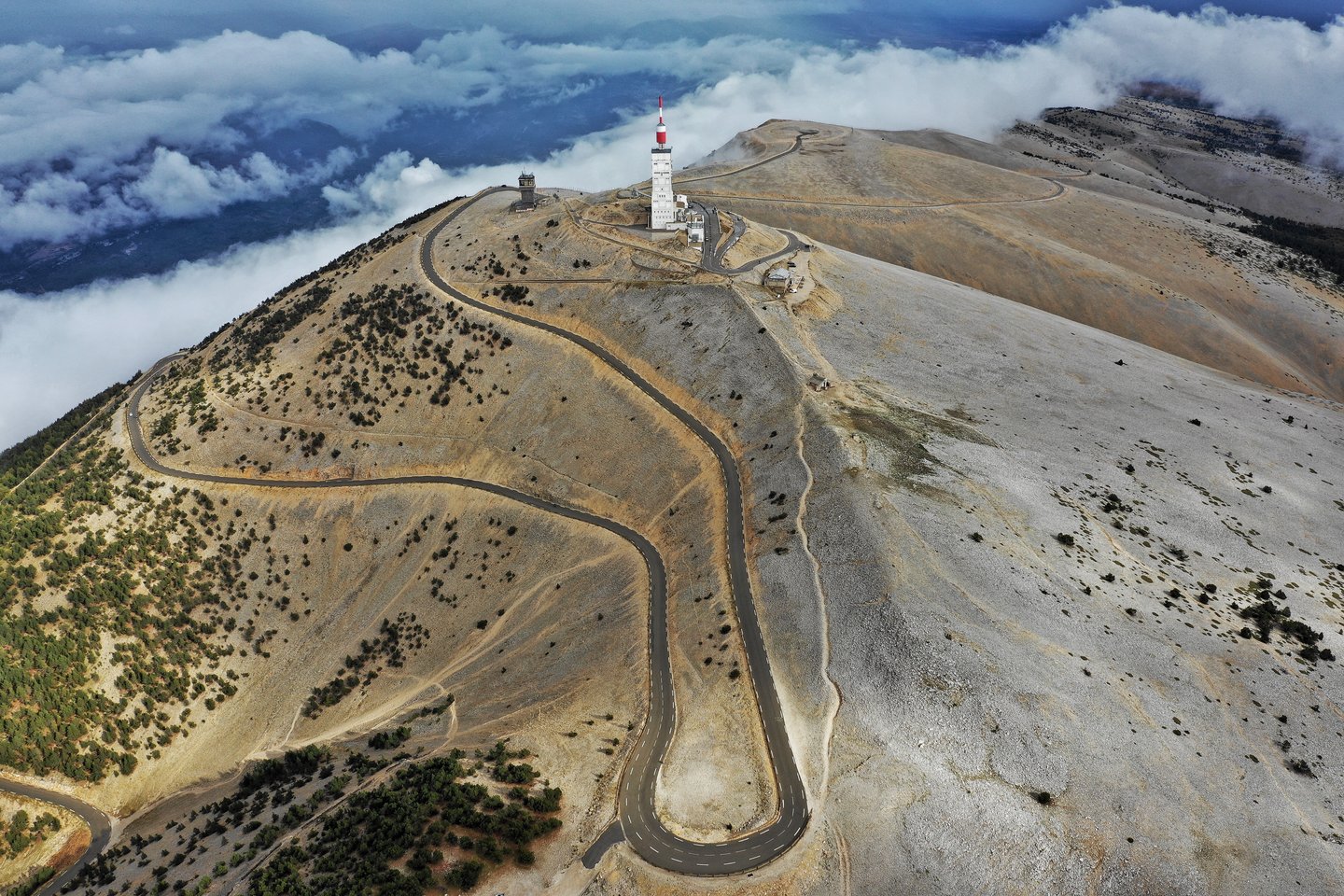
Mont Ventoux is visible from most of the Comtat plain around Beaumes-de-Venise and is about forty-five minutes by car to the summit via Malaucene. August is the peak season for cyclists on the mountain, and the road can be slow on weekend mornings: plan for an early start or a weekday visit if the summit is on your agenda.
The descent via Bedoin, the most famous cycling approach, passes through the old village of Bedoin and through extensive cedar and pine forest before emerging onto the plain. The contrast between the bare, lunar summit and the forested lower slopes is one of the more dramatic transitions in Provence. For those who prefer walking to driving, the trail from Malaucene to the summit is the quieter approach route and avoids the busiest sections of road in high season.
Practical notes
Beaumes-de-Venise is about twenty-five minutes east of Orange and forty minutes north of Avignon. Parking in the village is free and plentiful. The village has a small cafe-bar and a boulangerie open most mornings. For lunch or dinner with a view, Seguret is the better choice: the restaurants there are consistently well-regarded and the setting above the vine-covered plain is hard to beat.
Beaumes-de-Venise rewards those who stop: the Muscat, the Dentelles and the unhurried rhythm of a working wine village make late August here one of the most genuinely satisfying corners of Provence.
À bientôt,